
Film
The Killer Wore Gloves
A twisty 1974 British thriller about a young woman caught in a web of murder and mistaken identity after renting her flat to a suspicious stranger. It's a Sunday-afternoon mystery that moves briskly through murders, false leads, and increasingly baroque plot turns. For fans of Seventies genre cinema who don't mind a little wobble in logic if the mood is right.
If you liked this
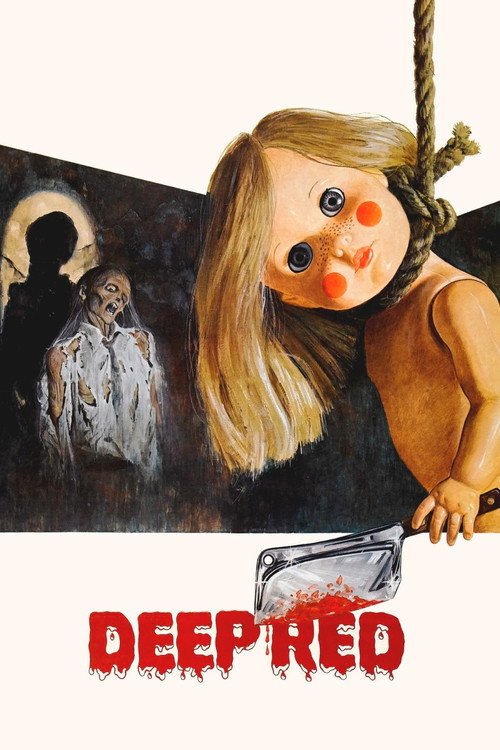
Deep Red1975
Dario Argento's giallo masterpiece: a pianist witnesses a murder and becomes entangled in a baroque conspiracy. Stylish, violent, genuinely disorienting—the gold standard for what Seventies European thriller craft could achieve.
But Extremely violent, especially toward women. Long stretches of pure atmosphere over plot clarity can frustrate viewers hunting answers.
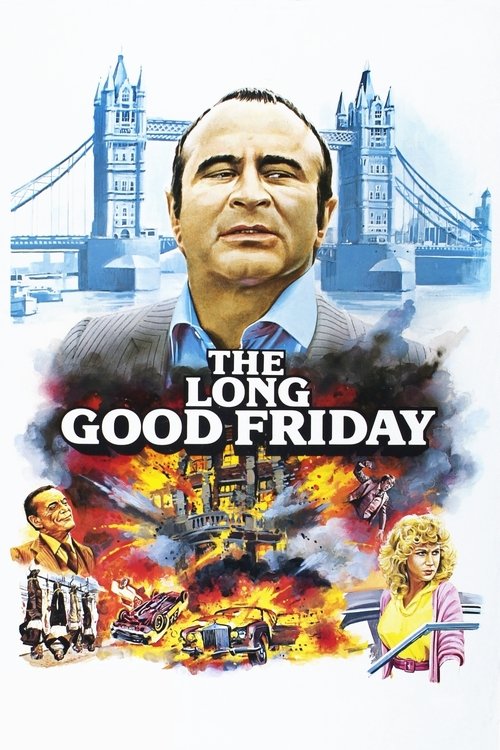
The Long Good Friday1980
A crime lord's weekend unravels into nightmare as mysterious assassinations close in. Bob Hoskins is ferocious; the script is tight, the violence erupts suddenly, and the paranoia feels earned and suffocating.
But Very British in its understatement—some viewers want more exposition than the film bothers to provide. The ending divides people sharply.
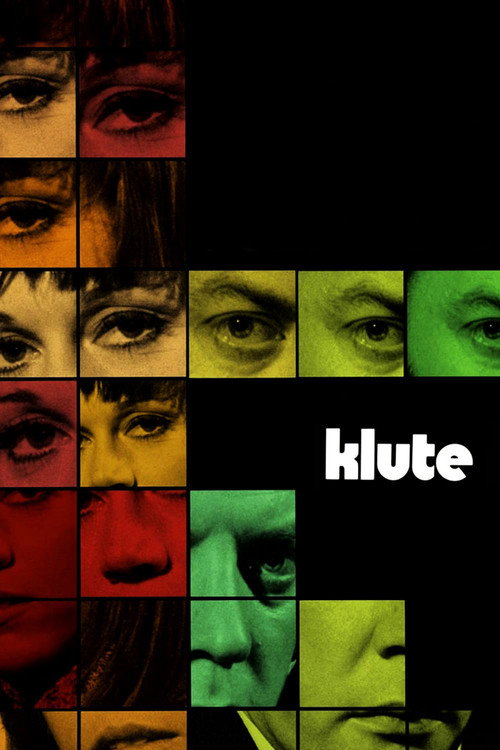
Klute1971
A private detective and a call girl investigate a serial killer in New York. Paranoia, class, gender—it's tense and thoughtful, with Jane Fonda's performance creating real stakes beyond the mystery mechanics.
But Deliberately paced and introspective. If you need momentum over atmosphere, you'll feel it dragging in the middle hour.
Not sure tonight? Get a pick in a minute, starting from The Killer Wore Gloves
The wildcard
Something you would not have found on your own.
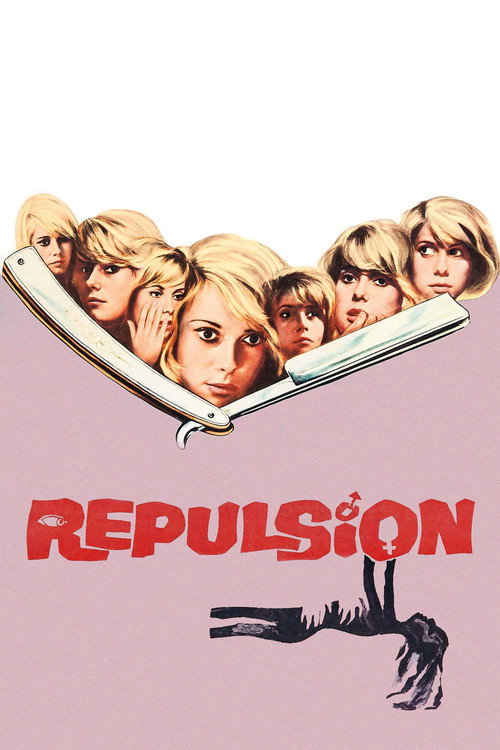
Repulsion1965
Both trap their female protagonists in urban claustrophobia and surround them with suspicious men; both let paranoia become the real antagonist. One dissolves into nightmare; the other scrambles logic to create the same effect.
Roman Polanski's psychological descent into madness: a woman alone in London, reality fracturing, violence becoming inevitable. Shot in black and white with sound design that burrows into your skull. It's not a whodunit—it's a howdunit.
But Deeply, deliberately unpleasant. Misogyny and violence are central to its horror, not decoration. Watching someone's mind break is not escapism.
More like this (8)
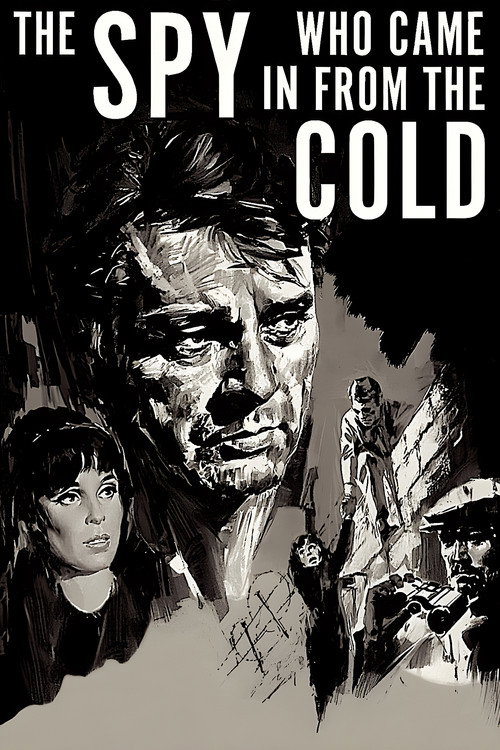
The Spy Who Came In from the Cold1965
A weary Cold War operative is deployed for one last, ambiguous mission. le Carré's moral dread translates perfectly; it's espionage shorn of glamour, showing the cost of the game.
But Bleak, methodical, and deliberately unglamorous. No action sequences, no clever gadgets—just betrayal and bureaucracy dressed as drama.
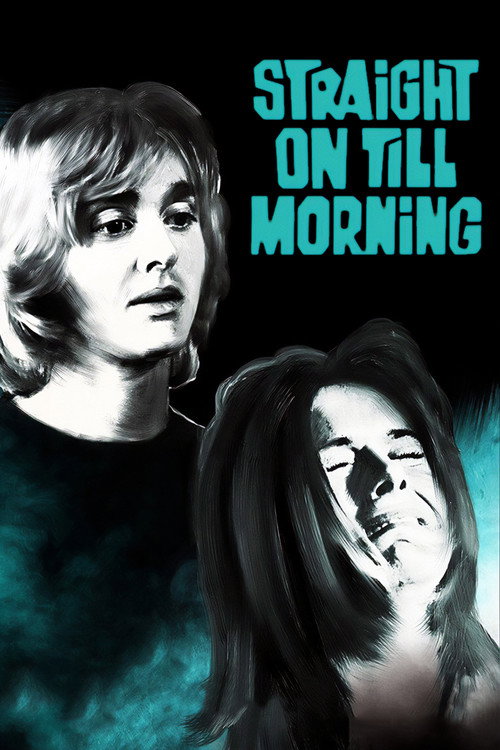
Straight On Till Morning1972
An Irish girl arrives in London and falls in with a charming young man who may or may not be a killer. Disquieting and intimate, it traps you in uncertainty and bad decisions in a way few thrillers manage.
But The pacing is dreamlike and slow. The horror arrives quietly and without spectacle, which can feel anticlimactic if you're waiting for a jump scare.
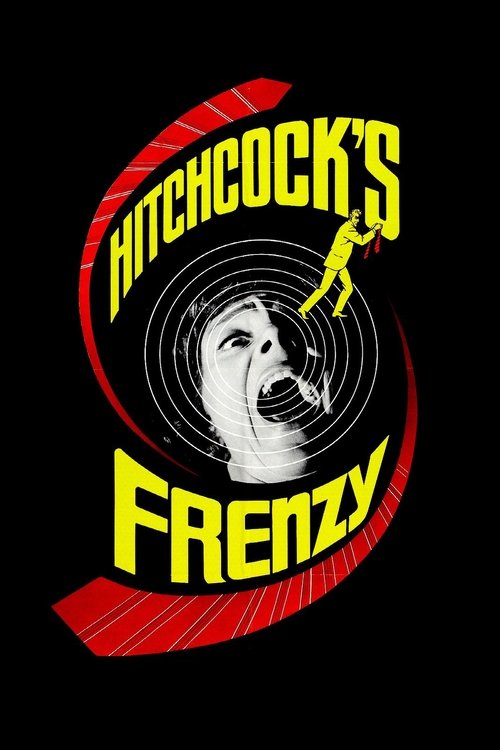
Frenzy1972
Hitchcock's return to pure thriller form: London, murder, sexual violence, and a man wrongly accused. Witty and transgressive, it moves like clockwork and never lets go.
But Casually misogynistic even by period standards. The tonal whiplash between black comedy and brutality bothers some viewers.
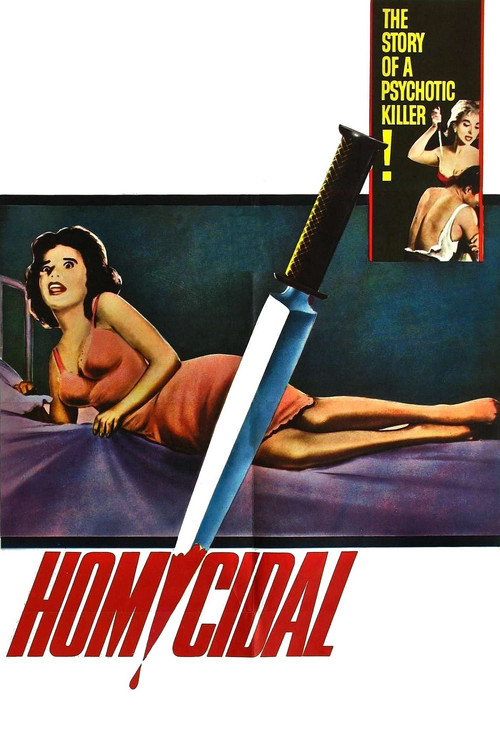
Homicidal1961
A wild proto-giallo: mistaken identity, murder, gothic atmosphere, a shocking final twist. William Castle's B-movie direction lends it genuine eccentricity and momentum that feels almost modern.
But Shot on a shoestring with occasional rough edges. The twist finale can feel arbitrary rather than earned—you have to be in the mood for its logic.
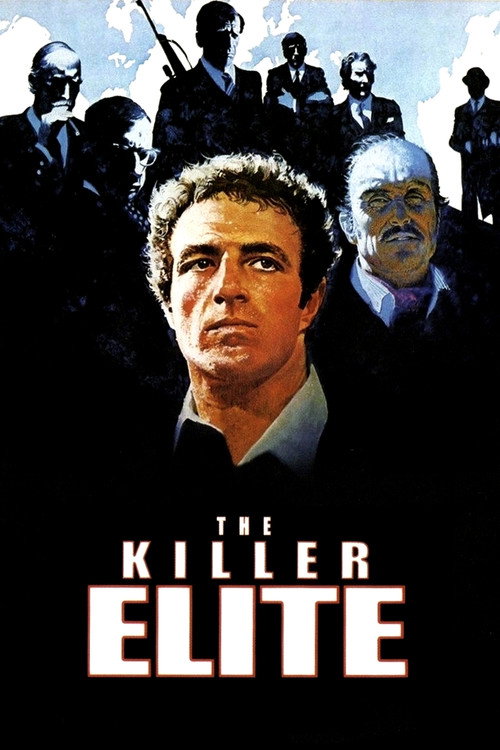
The Killer Elite1975
James Caan and Robert Duvall as assassins turned enemies in a paranoid Cold War thriller. Stylish, brutal, and grounded—the paranoia feels rooted in something real and specific.
But More interested in atmosphere than plot coherence. The final movements drift into abstraction that some find pretentious or just unclear.
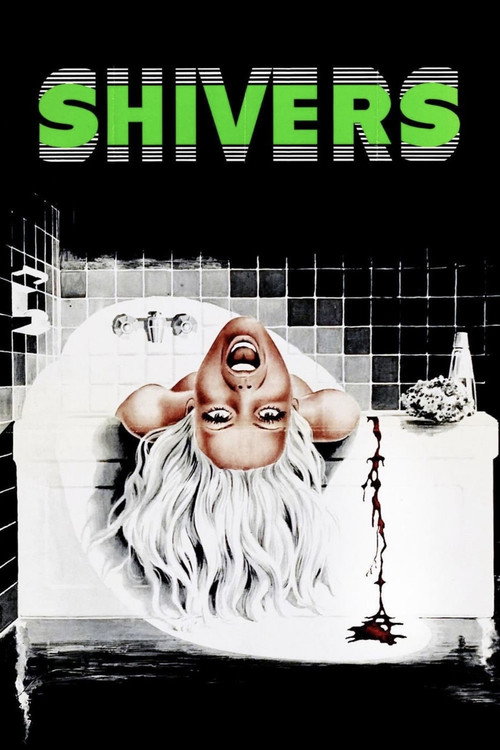
Shivers1975
David Cronenberg's debut: an apartment complex becomes a hotbed of infection and chaos. Claustrophobic, weird, and operating on dream logic that rewards surrendering to its logic entirely.
But Body horror and sexual violence woven throughout. The film's grotesqueness is intentional but relentless—it's not for everyone's Friday night.
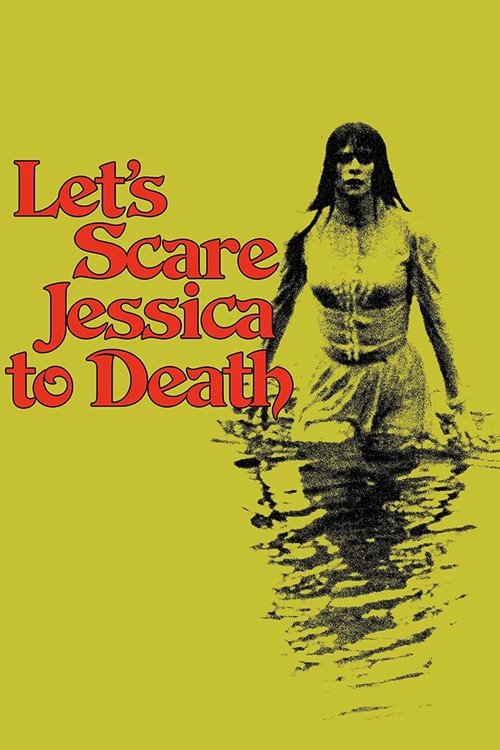
Let's Scare Jessica to Death1971
Both films rest on the unreliable perception of an isolated female lead, and both use that unreliability as their central tension. Is she in real danger or imagining it? The film won't tell you—and the uncertainty is the point.
A woman recovering from a breakdown joins friends at a country house haunted by something—or someone. The unsettling beauty of it: is the horror external or internal? Shot on a budget with a dreamy, rotting grace that lingers.
But Slow and genuinely depressing. The horror is existential and creeping rather than visceral. Very much a film that requires patience and surrender.
Possession1981
Like *Killer Wore Gloves*, it wraps psychological breakdown and real danger so tightly that we can't separate them. But Żuławski blows the structure apart entirely—he's interested in how thriller mechanics collapse under the weight of human despair and betrayal.
Andrzej Żuławski's howling masterpiece: a marriage collapsing into surreal chaos, possession both literal and psychological, shot in Berlin by someone who wants to shatter your sanity. It's not a thriller—it's a fever dream that moves like one.
But Genuinely difficult viewing. Chaotic, sexually explicit, and psychologically violent. It makes no concessions to comfort and some sequences are genuinely hard to watch. Not a rewarding watch for everyone; essential for those who click with it.

People
Cast
 Gillian HillsPeggy Foster
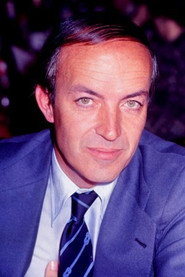 Ángel del PozoJohn Kirk Lawford
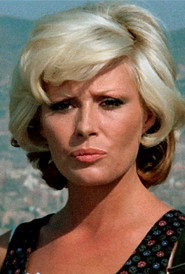 Silvia SolarJackie Polianski
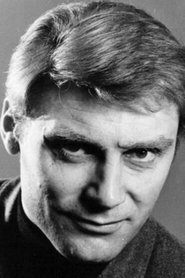 Stelio CandelliRonald James
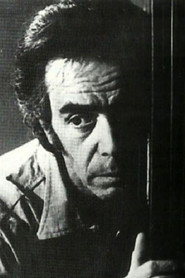 Carlos OteroMr. Lewis
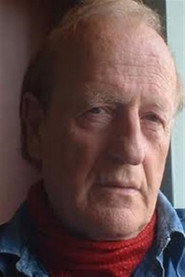 Bruno CorazzariJohn Kirk Lawford
 Goyo LebreroAnthony
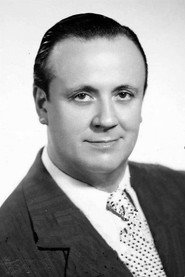 Manuel GasInspector Walton
- Gabriel AgustíInspector Redford
 Irene D'AstreaAnthony's wife
 Orchidea De SantisShirley
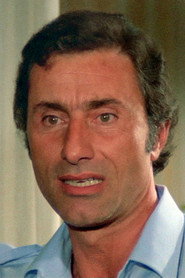 Raf BaldassarreMan at Subway Station (uncredited)
Directing
- José UlloaAssistant Director
- Juan BoschDirector
- David GarcíaScript Supervisor
Writing
- Juan BoschDialogue
- Renato IzzoDialogue
- Luisa Maria LinaresNovel
- Juan BoschScreenplay
- Renato IzzoScreenplay
Production
- Jacinto FerrerProduction Assistant
- Lamberto AndreaniProduction Assistant
- Alberto De StefanisProduction Manager
- Jaime FuentesProduction Supervisor
- Pietro NofriProduction Supervisor
- Luis MarinUnit Production Manager