
Film
Homicidal
William Castle's 1961 shocker turns a simple inheritance scheme into something far darker and stranger. It's a tight, frequently nasty thriller that delights in misdirection and shock: the kind of film that announces itself with a gimmick but earns your attention through genuine craft. For anyone who loves old horror that doesn't apologize for being pulpy.
If you liked this
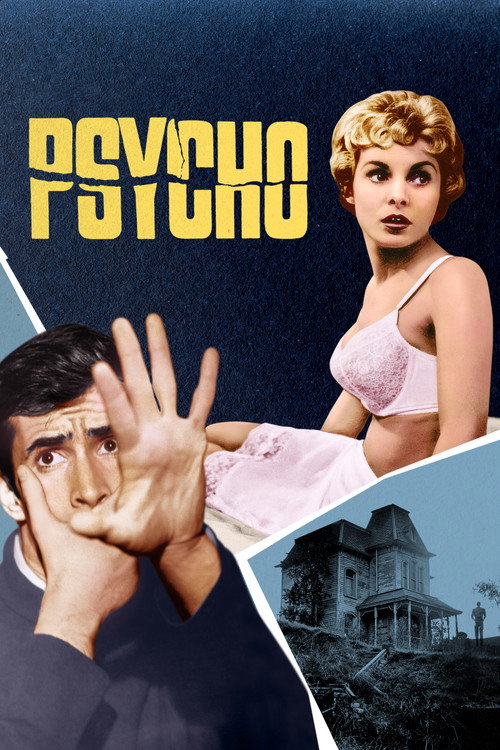
Psycho1960
The obvious partner: both are lean, efficiently brutal thrillers with a shocking central twist and a fascination with fractured psychology. Hitchcock's masterpiece proved the form works. Castle learned from it and made something wilder.
But Psycho is so famous and so imitated that seeing it fresh is nearly impossible. The shock has calcified into cultural fact.
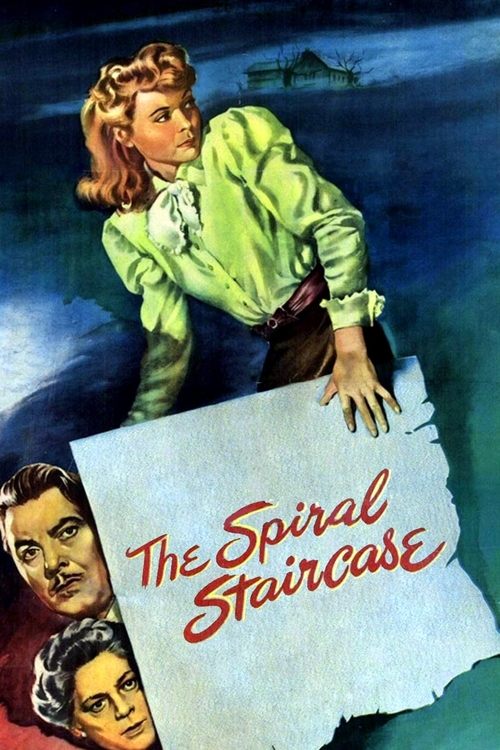
The Spiral Staircase1946
Same DNA: a woman in danger in a claustrophobic space, with the killer's identity uncertain and the atmosphere thick with dread. Beautifully lit and genuinely suspenseful, with a finale that earns what it's been building toward.
But It's slower and more restrained than Homicidal, built on mood rather than sudden violence. Some viewers find mid-forties pacing glacial.
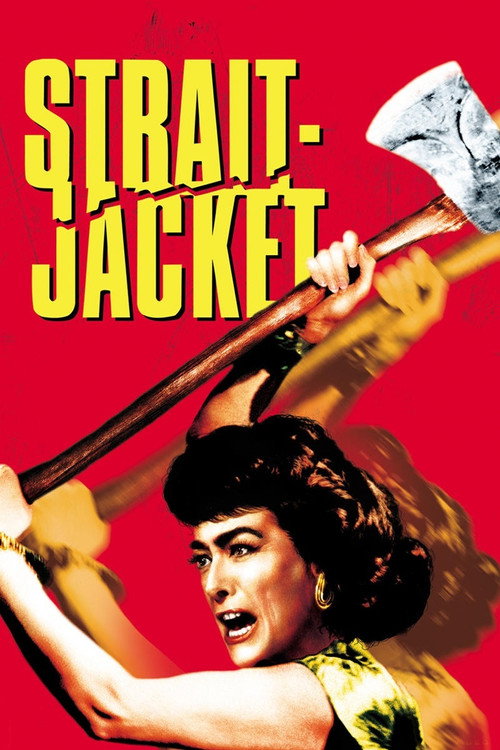
Strait-Jacket1964
Also directed by William Castle—a gruesome axe-murder mystery with Joan Crawford that commits fully to its premise and finds real scares in the ordinary. Castle clearly loved this material and made something feverishly effective.
But The performances are theatrical in a way that can read as campy. If you want subtlety, this isn't your film.
Not sure tonight? Get a pick in a minute, starting from Homicidal
The wildcard
Something you would not have found on your own.
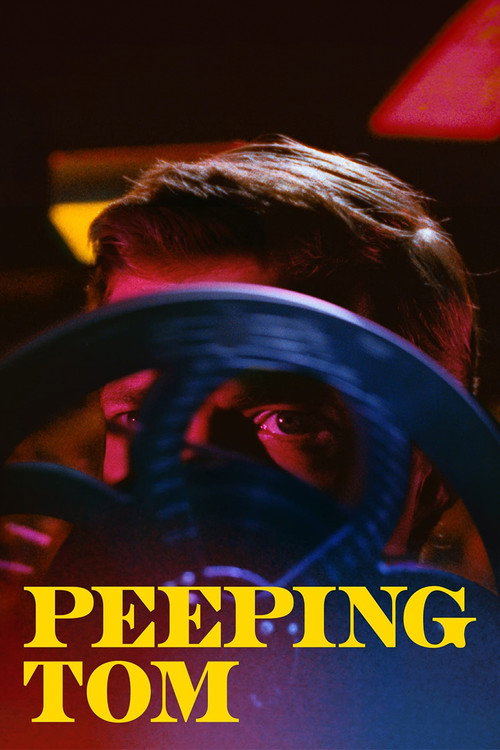
Peeping Tom1960
Both are contemporary thrillers built on the psychology of a fractured identity. Peeping Tom goes deeper into the pathology; Homicidal is more interested in the heist. They're two sides of the same coin.
Powell's film predates Psycho and shares its obsession with a broken mind and the camera as weapon. It's more formally adventurous than Homicidal and far more disturbing—a film about filmmaking and voyeurism that still feels transgressive.
But It was reviled on release for its sadism and remains genuinely difficult. Watching someone kill is not the same as understanding why, and the film doesn't make that comfortable.
More like this (8)
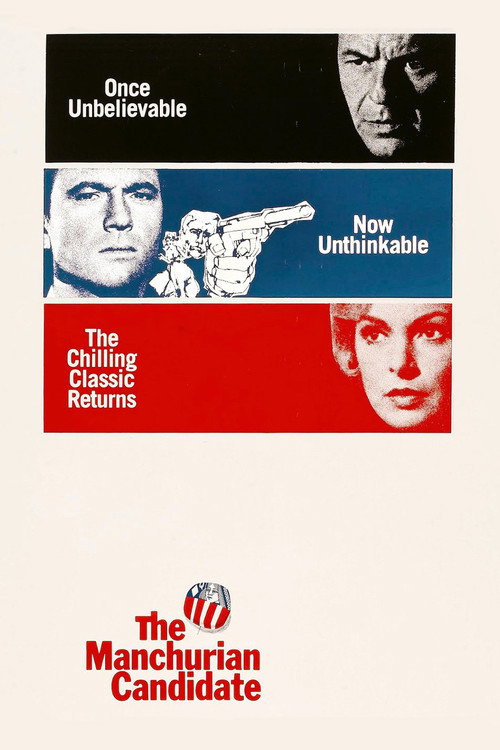
The Manchurian Candidate1962
Another twist-heavy thriller from the same era with a genuine sense of danger and paranoia. Tense, smart, and willing to upset its audience. The plot mechanics are beautiful.
But It's more political thriller than pure horror, and some of the politics have dated. The tone shifts between genres can feel uneven.
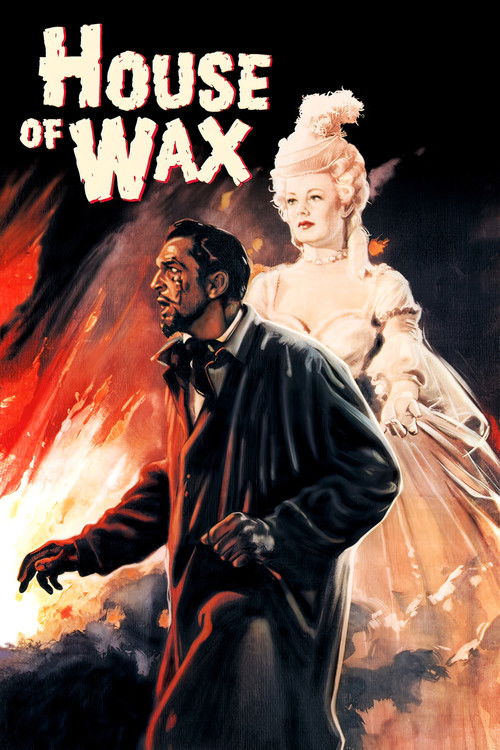
House of Wax1953
Vincent Price in a lurid, colorful murder mystery with genuine craft underneath the melodrama. Playful and grotesque at once, and deeply entertaining. Proof that low-budget horror can be inventive.
But The 3D gimmickry is mostly gone now, and without it the pacing can feel slack. It's camper than Homicidal and some want their horror straighter.
The Killing1956
Kubrick's racetrack heist thriller shares Homicidal's interest in fractured narratives and the psychology of desperate people. Taut, clever, and darkly funny. A masterclass in efficient storytelling.
But It's a heist film, not a horror film, so the mood is fundamentally different. Some find the non-linear structure more confusing than illuminating.

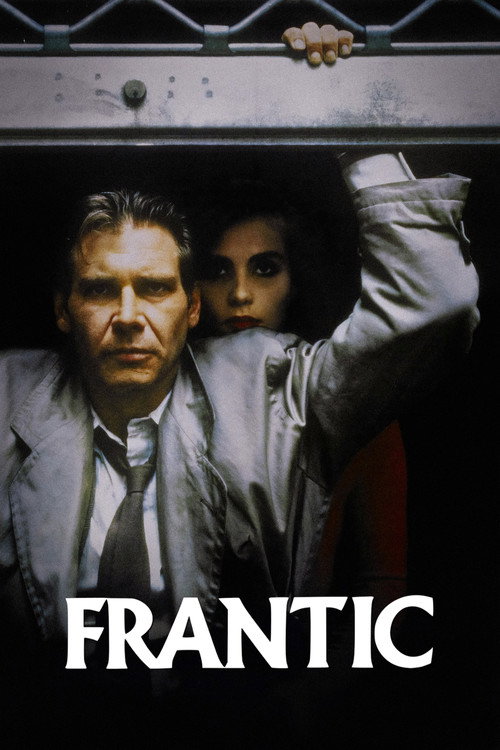
Frantic1988
Polanski's paranoia thriller about an ordinary man caught in extraordinary circumstance. Meticulously constructed, genuinely unsettling, and deeply interested in how quickly the world can tilt.
But It's from 1988 and occasionally shows it. The pacing is deliberate and some sequences feel longer than they need to.
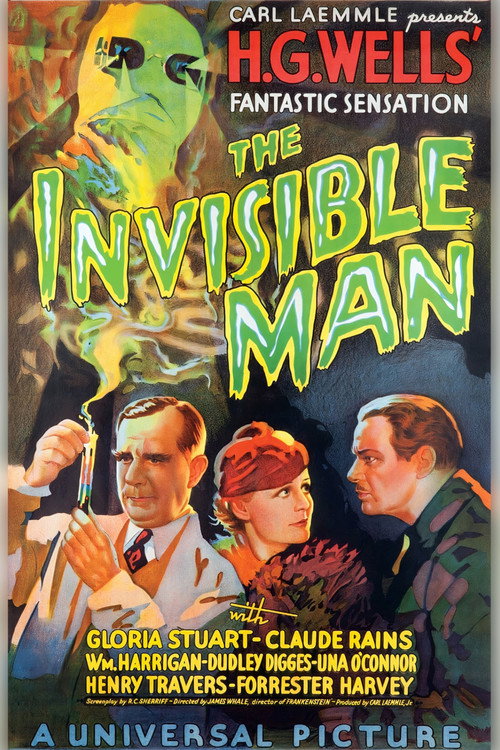
The Invisible Man1933
James Whale's mad-scientist thriller about a man whose power corrupts him into monstrosity. It's both genuinely scary and wildly entertaining, proof that early horror knew exactly what it was doing.
But It's ninety years old and the special effects look it. The theatrical acting style requires patience from modern viewers.
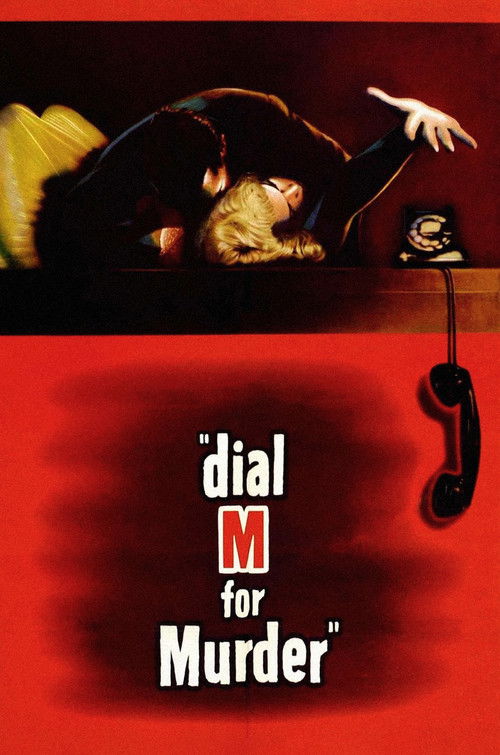
Dial M for Murder1954
Hitchcock's locked-room thriller about a murder meticulously planned and executed. It's a puzzle box of a film, elegant and mechanical, and it trusts the audience to follow.
But It barely leaves one room. Some find the staginess claustrophobic in a bad way. The twist, while good, is less visceral than Homicidal's.
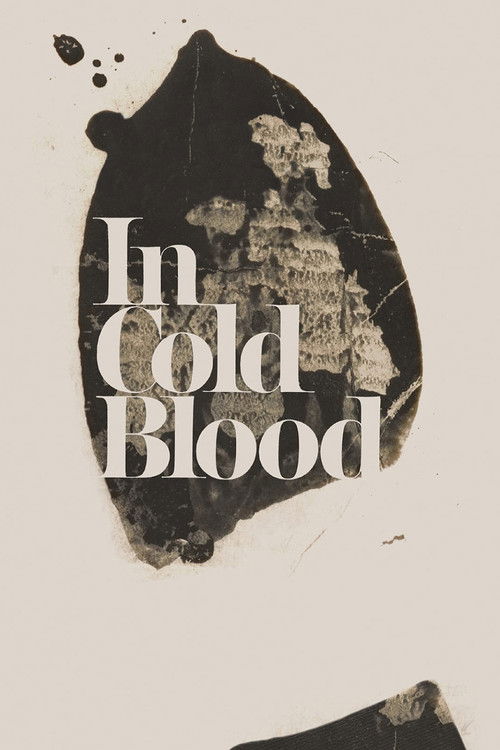
In Cold Blood1967
Both are interested in the ordinariness of evil and the specific psychology that allows someone to commit an unthinkable act. Homicidal wraps it in a plot; In Cold Blood examines it like a specimen.
Capote's adaptation is a chilly, precise true-crime narrative that makes a murderer into a character without excusing him. It's more journalistic than sensationalist, but far more disturbing for it. Richard Brooks made something that feels like documentary.
But It's bleak in a way that can feel punitive. Real murders, real victims—there's no catharsis, and some viewers want their darkness less serious.
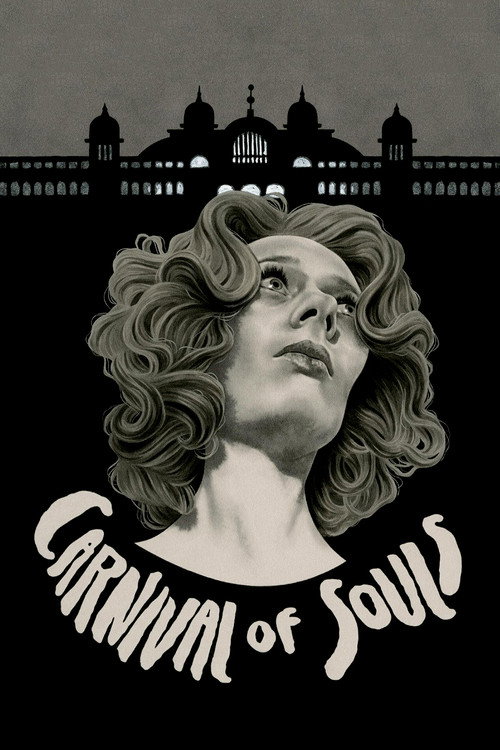
Carnival of Souls1962
Both are cheap American thrillers from the early sixties that outthink their budget through style. Homicidal uses structure; Carnival uses mood. They're proof that constraint breeds invention.
Herk Harvey's micro-budget phantom on a bicycle is a fever dream of a film—genuinely unnerving and completely original. Organ music, blank faces, and a sense that reality is dissolving. It looks nothing like other horror films from its era.
But The budget shows everywhere and the acting is stiff. It's visually hypnotic rather than narratively coherent, which frustrates people who want plot.
People
Cast
 Joan MarshallEmily
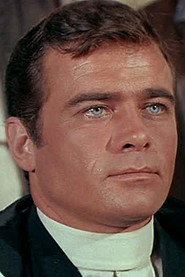 Glenn CorbettKarl Anderson
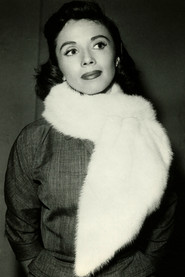 Patricia BreslinMiriam Webster
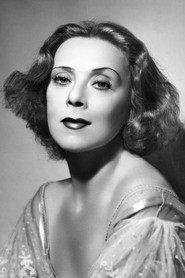 Eugenie LeontovichHelga Swenson
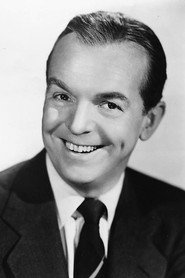 Alan BunceDr. Jonas
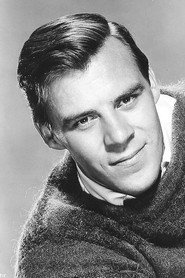 Richard RustJim Nesbitt
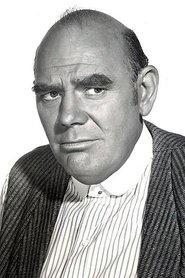 James WesterfieldAlfred S. Adrims
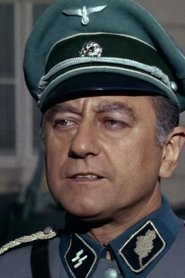 Gilbert GreenLt. Miller
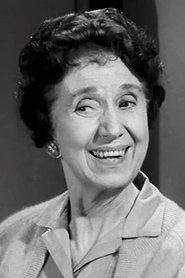 Hope SummersMartha Adrims (Uncredited)
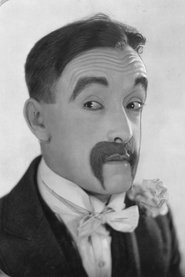 Harry 'Snub' PollardEddie, Bellhop (Uncredited)
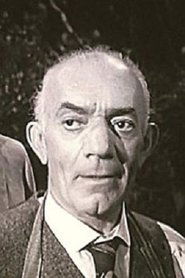 Wolfe BarzellOlie (Uncredited)
- Teri Foster BrooksMrs. Forest (Uncredited)
Directing
- Al ShenbergAssistant Director
- William CastleDirector
Writing
- Robb WhiteWriter
Production
- Dona HollowayAssociate Producer
- William CastleProducer
Recommended by
Strait-Jacket, Berserk!, Dementia 13, Madhouse, The Killer Wore Gloves