
Film
Strait-Jacket
- Psychological thriller
- Very dark
A Joan Crawford showcase of barely contained menace: a woman released from twenty years in an asylum returns to her daughter, and William Castle gleefully manufactures doubt about whether she's truly reformed. It's campy Grand Guignol, theatrically staged, interested in the texture of a woman's unraveling more than in plot logic. For anyone who loves Crawford or who wants to see 1960s horror unafraid to be ridiculous.
Should you watch it?
Watch it if you enjoy lurid, candy-colored melodrama where a grand star chews every scene and the scares arrive with a wink, a little camp on top of the chills.
Skip it if you want a slow-burn psychological study or restrained chiller, since this goes for loud, brassy shocks and plotting that leans on sudden jolts over patient dread.
What it asks of you: Expect a deliberate, talky build with long stretches of watching people wait, then a sharp jolt; it rewards attention to who is looking at whom.
Not sure? Find tonight's pick in a minute.
If you liked this
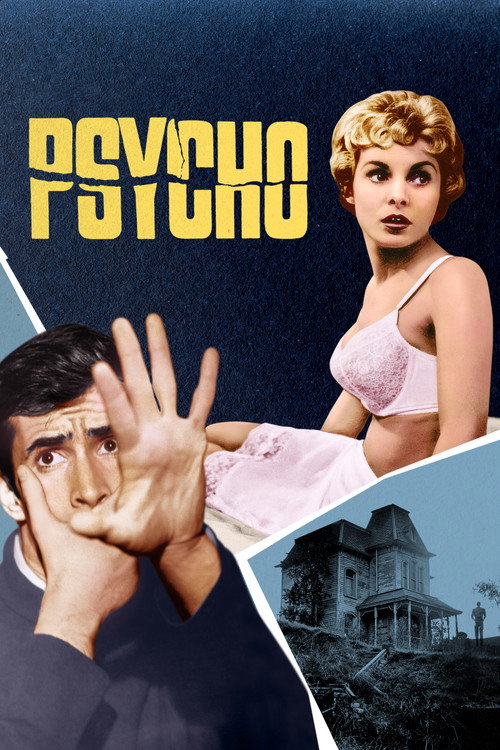
Psycho1960
Hitchcock's masterclass in maternal menace and shower-scene brutality. Taut, genuinely unsettling, and it redefined what cinema could show. The DNA of modern horror lives here.
But It's been canonised to death. The shock has calcified into cultural reference. Also, the second half deflates the first.
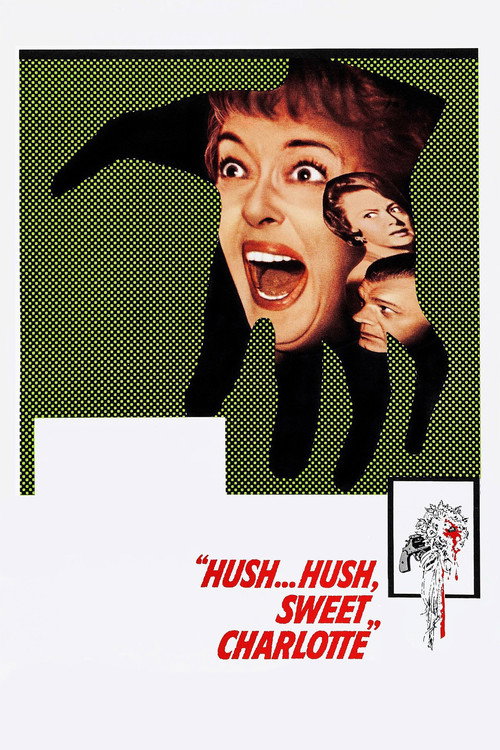
Hush... Hush, Sweet Charlotte1964
Crawford's direct peer Bette Davis in another Southern Gothic chamber piece. Lush, nasty, genuinely creepy, with a final twist that lands harder than Strait-Jacket's. Davis and Olivia de Havilland are magnificent.
But Two hours of deliberate atmosphere can feel slow. Some of the dialogue is arch enough to break the tension.
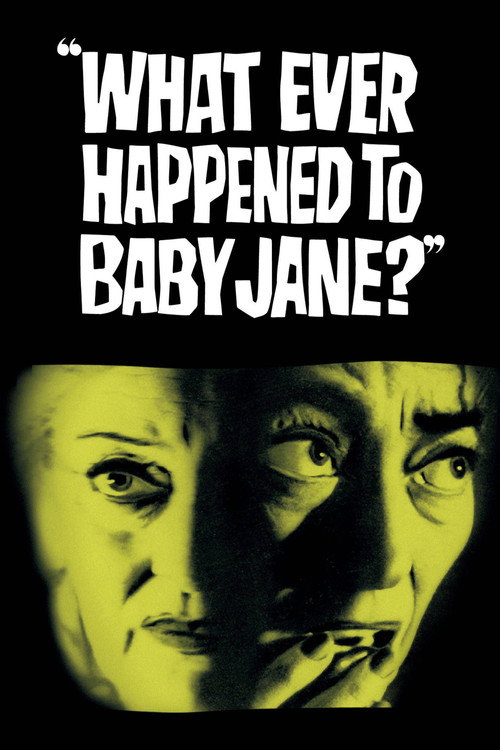
What Ever Happened to Baby Jane?1962
The film that made Crawford's comeback possible. Bette Davis as a has-been torturing Joan Crawford in one room for ninety minutes. Nasty, blackly funny, visually inventive. Essential viewing.
But The pacing is glacial by modern standards. Some may find Davis's performance more theatrical than frightening.
Not sure tonight? Get a pick in a minute, starting from Strait-Jacket
The wildcard
Something you would not have found on your own.
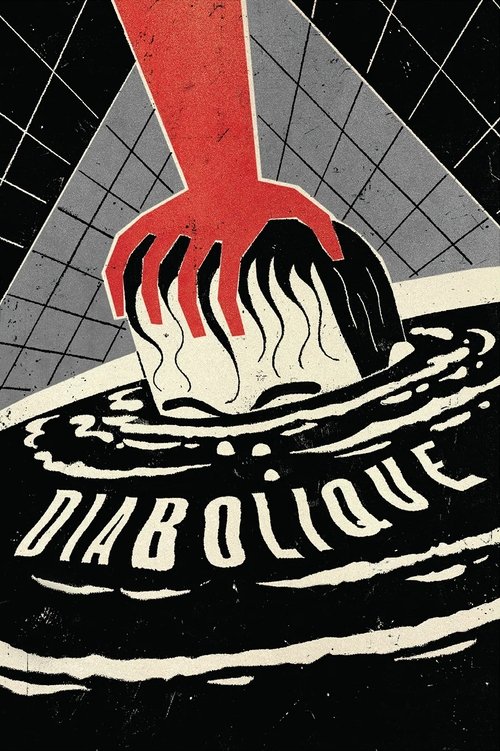
Diabolique1955
Both are about women returning to spaces of control, and both are interested in the punishment of female desire and agency. Castle and Clouzot share a taste for suspense mechanics that reveal character.
Clouzot's French masterpiece of domestic horror and betrayal in a boarding school. A bathtub scene that predates and eclipses Psycho's shower. Genuinely frightening, sustained dread, wickedly moral about cruelty and revenge.
But The pacing is deliberate; it builds rather than explodes. Some viewers find the plot's logic strained by the final act.
More like this (8)
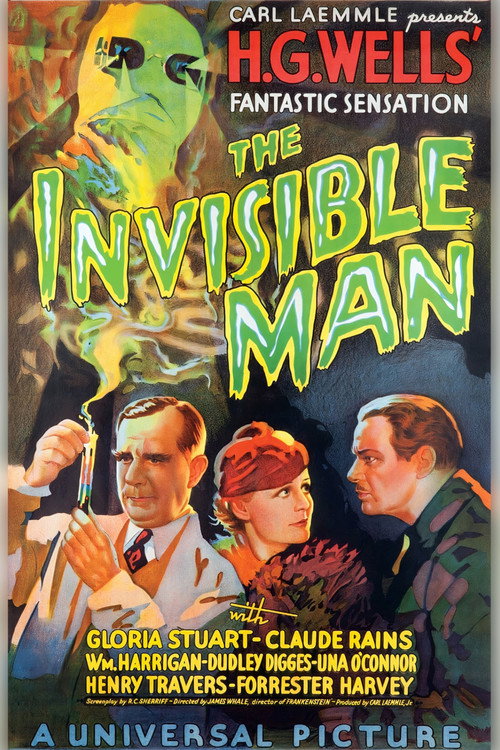
The Invisible Man1933
James Whale's masterpiece about corruption and invisibility. Genuinely inventive special effects, dark humour, and Claude Rains giving voice to mad science itself. Influence everywhere.
But The dialogue is theatrical; the pacing meanders in the middle. It's cinema history, which is not the same as being thrilling to watch.
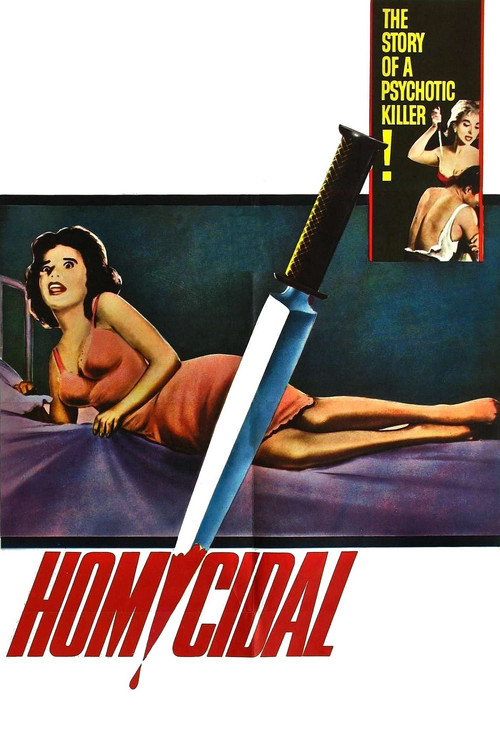
Homicidal1961
Castle again, this time nearly as wild and considerably nastier. Gender-bending murder mystery with a genuinely unnerving final twist. Castle at his most shameless and entertaining.
But The social attitudes are queasy in ways that feel historical, not ironic. Plot logic collapses under scrutiny.
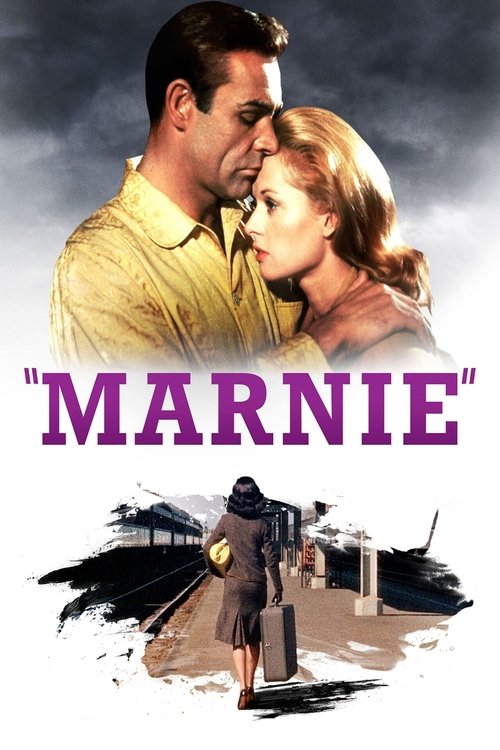
Marnie1964
Hitchcock examines compulsion and control in a woman. Tippi Hedren's performance carries the weight of forces she cannot name. Psychologically sophisticated, visually meticulous, uncomfortable in the right ways.
But It's slow and introspective rather than thrilling. Hedren's stiffness works for the character but can feel remote.
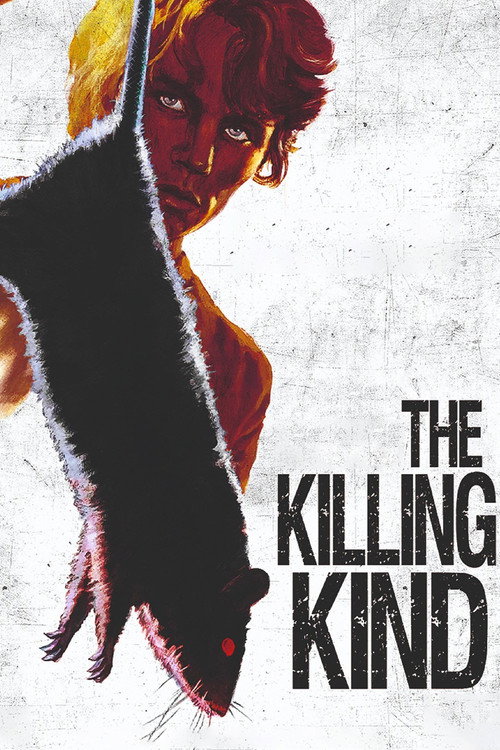
The Killing Kind1974
A brutal, underrated film about a released prisoner and the life he destroys. Lean, nasty, and genuinely interested in the damage trauma does. Tim Henley is chilling.
But It's relentlessly bleak without levity or relief. The sexual violence is graphic and remains difficult to watch.
The Night of the Hunter1955
Laughton's only directorial effort is a fever dream of American Gothic horror. Robert Mitchum as a preacher hiding monstrosity. Visually extraordinary, deeply strange, utterly committed.
But The tone is so heightened it can feel airless. The Southern accents verge on parody.

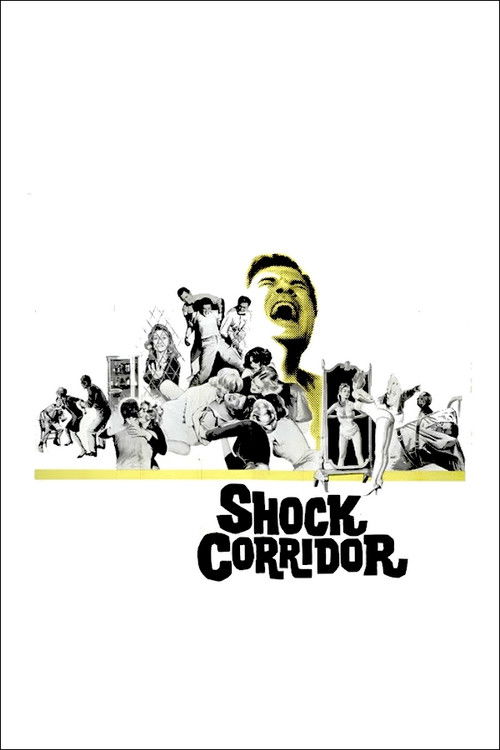
Shock Corridor1963
Samuel Fuller's savage descent into an asylum. A journalist fakes madness to investigate a murder and genuinely loses his grip. Black-and-white cinematography that's almost abstract, and a tone of controlled hysteria.
But The asylum sequences are repetitive. Fuller's philosophy can flatten the horror into sociology.
In a Lonely Place1950
Both examine whether someone can truly reform, or whether suspicion is a life sentence. Both suggest the answer is no. A darker mirror to Strait-Jacket's surface redemption.
Bogart as a violent man accused of murder—not exonerated by the finale, just abandoned by it. Ray's film is about how suspicion poisons everything, how we become guilty of what we're accused of. Psychologically ruthless.
But It's noir, not horror; the supernatural is only circumstance. Some find Bogart's performance too internal to engage with.

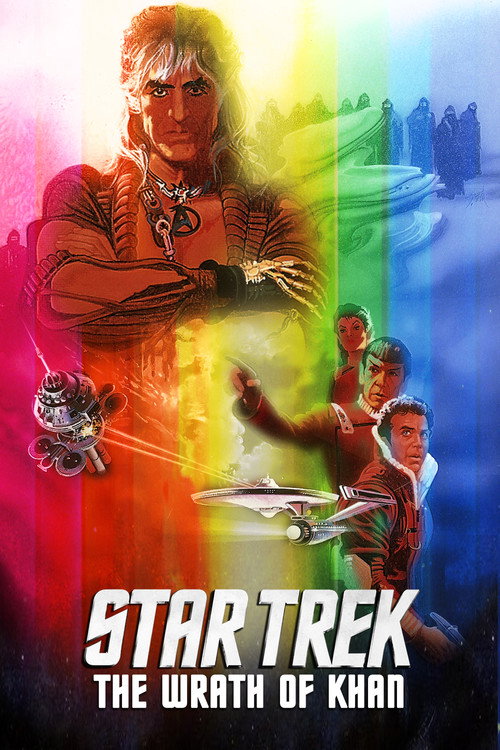
Star Trek II: The Wrath of Khan1982
Both are about the damage done by confinement, the way isolation breeds a particular kind of madness. Khan and Lucy Harbin are the same character: powerful, charismatic, returned to a world that has moved on without them, and determined to settle accounts.
Wait: Ricardo Montalbán as Khan, a man released from decades of imprisonment, seeking vengeance on Kirk. Space opera, yes, but structurally identical to Strait-Jacket: the return of the repressed, time's corruption, obsessive personal vendetta dressed as moral action.
But It's Star Trek. If you associate that with earnest sci-fi camp, you won't find horror here, only grandeur. The parallel is thematic, not in tone.
People
Cast
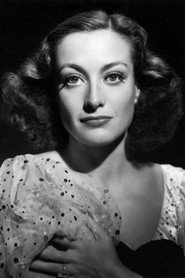 Joan CrawfordLucy Harbin
 Diane BakerCarol Harbin
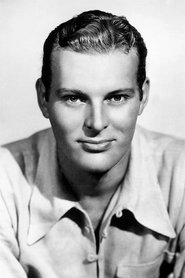 Leif EricksonBill Cutler
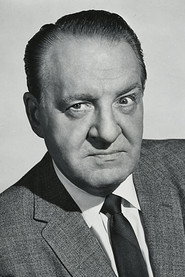 Howard St. JohnRaymond Fields
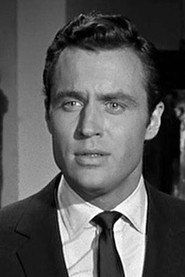 John Anthony HayesMichael Fields
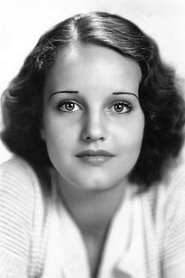 Rochelle HudsonEmily Cutler
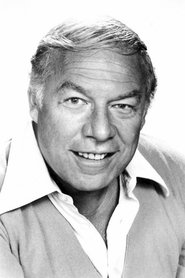 George KennedyLeo Krause
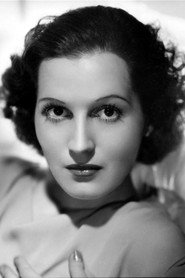 Edith AtwaterMrs. Fields
- Mitchell CoxDr. Anderson
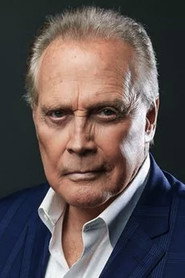 Lee MajorsFrank Harbin (uncredited)
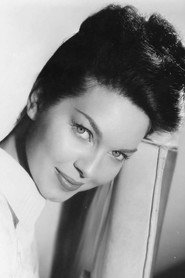 Patricia CrestStella Fulton (uncredited)
 Vicki CosCarol Harbin - Age 3 (uncredited)
Directing
- Herbert S. GreeneAssistant Director
- William CastleDirector
Writing
- Robert BlochScreenplay
Production
- Dona HollowayAssociate Producer
- William CastleProducer
Recommended by
What Ever Happened to Baby Jane?, Hush... Hush, Sweet Charlotte, What's the Matter with Helen?, Hype, Homicidal, Berserk!, How Awful About Allan, Dementia 13, Madhouse