
Film
What's the Matter with Helen?
A 1971 psycho-thriller that wraps psychological horror in the bright, hollow dreams of old Hollywood. Two women fleeing scandal open a dance school for children, but the past has a way of catching up. It's camp and genuinely unsettling in equal measure—a film that knows exactly how trashy and how dark it is, and leans into both.
Should you watch it?
Watch it if you enjoy camp that knows exactly how much it is hamming it up, with a faded-glamour Hollywood gloss and a slow-building dread that is more giggle than gore.
Skip it if you want a lean, scary thriller, since this one wanders, lingers on its gentle quirks, and treats its jolts as an afterthought to the mood.
What it asks of you: A leisurely ride of about an hour and forty minutes, with long stretches of quiet build-up before the scares arrive in short, sharp bursts.
Not sure? Find tonight's pick in a minute.
If you liked this
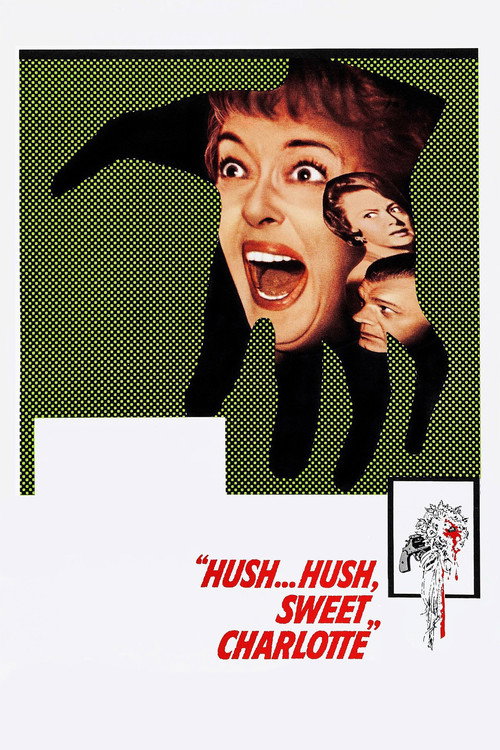
Hush... Hush, Sweet Charlotte1964
Another Bette Davis thriller about a woman haunted by past violence, featuring Gothic atmosphere and a terrifying final act that influenced every psychological thriller that followed it.
But Slower paced than modern horror; the twist relies on you accepting some genuinely convenient plotting in the third act.
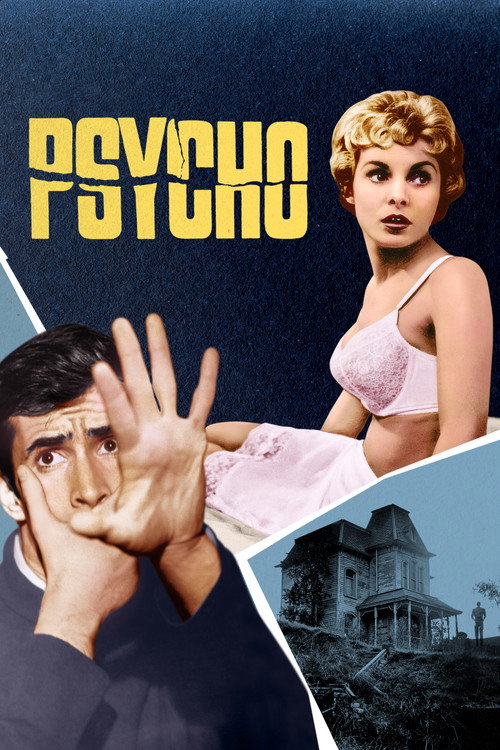
Psycho1960
The blueprint for psychological horror in America. Hitchcock proved that ordinary settings and fractured minds were scarier than monsters, and the shower scene still lands like a body blow.
But If you've only ever heard about it, the actual film moves at 1960s speed and some effects look dated. The power is in the idea, not the gore.
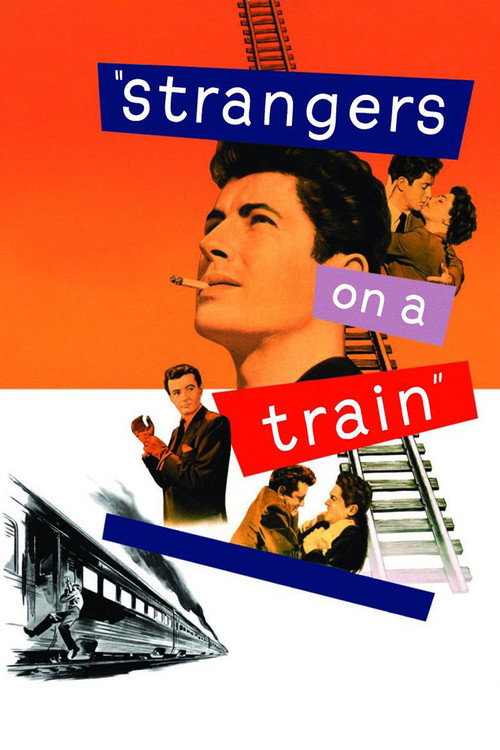
Strangers on a Train1951
Hitchcock again, but this time the horror is moral rather than visceral. Two strangers propose an exchange of murders. The film's obsession with doubles and guilt mirrors Helen's paranoia beautifully.
But It's a thriller first, a character study second. If you want deep psychology over suspense, this won't scratch that itch.
Not sure tonight? Get a pick in a minute, starting from What's the Matter with Helen?
The wildcard
Something you would not have found on your own.
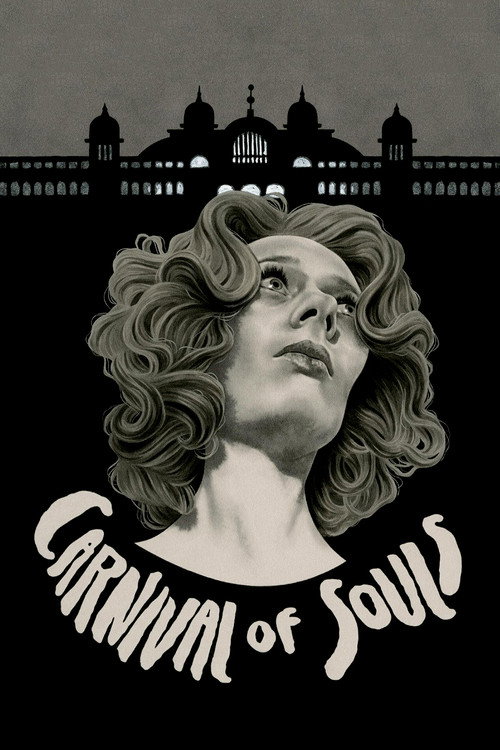
Carnival of Souls1962
Both are about women haunted by catastrophic events that weren't their fault, slowly realizing they can't escape the past. Both use Hollywood or spectacle as a trap.
A haunting, low-budget indie about a woman survivor of a car crash who slowly realizes she might not have survived it. The organ score and the floating sense of wrongness predates modern horror by decades.
But It's genuinely cheap-looking, and the performances are sometimes stilted. You have to meet it halfway and accept its dream logic.
More like this (8)
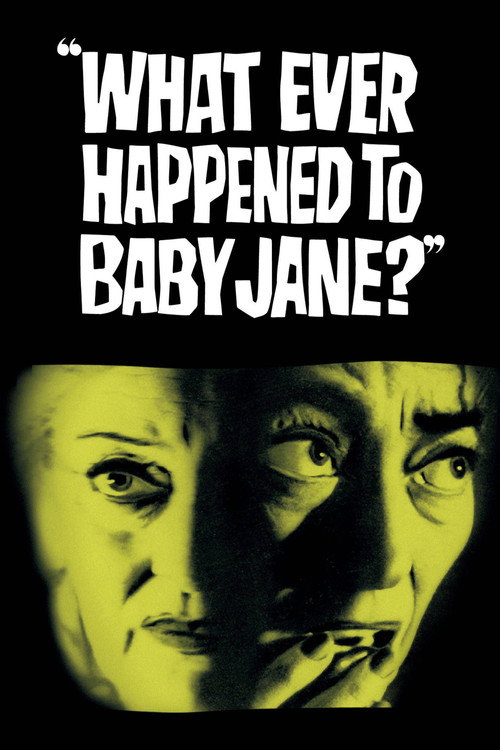
What Ever Happened to Baby Jane?1962
The film that launched the psycho-thriller boom of the 1960s and 70s. Bette Davis as a former child star tormenting her sister is absolutely magnetic—cruel, terrified, and utterly believable.
But The violence is psychological rather than graphic, which some find more frustrating than cathartic. Also genuinely slow in places.
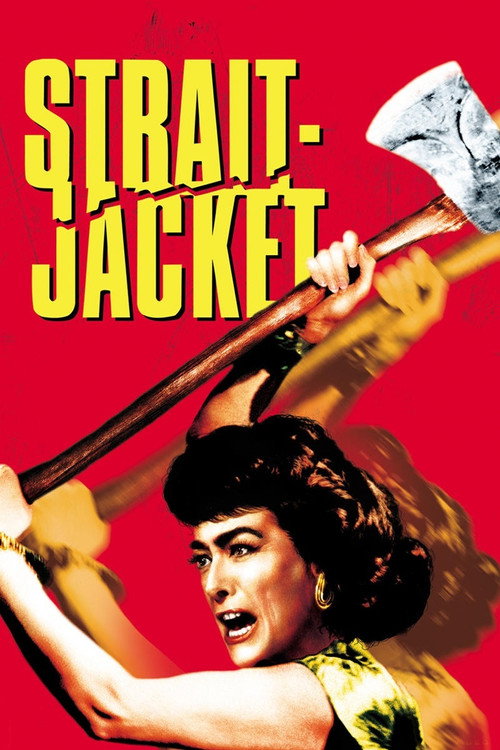
Strait-Jacket1964
Joan Crawford as a woman released from an asylum after an axe murder, wondering if she's really recovered. Pure exploitation done with style and a real sense of dread underneath the camp.
But It's one long exercise in atmosphere and suspicion. Plot takes a backseat; if you need forward momentum, this will feel static.
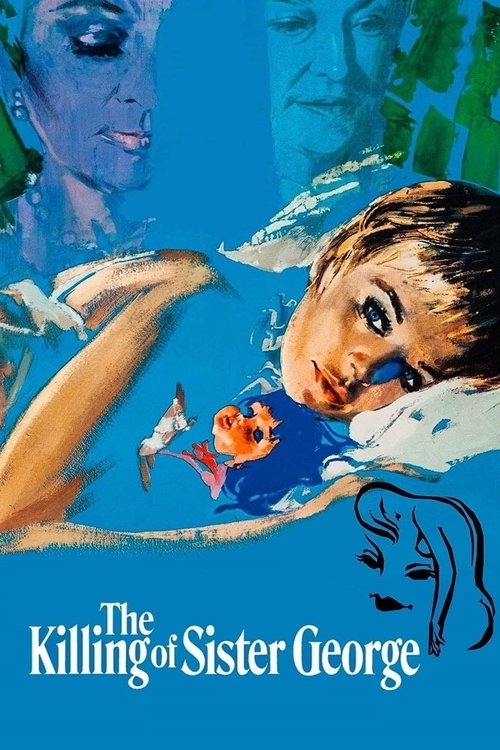
The Killing of Sister George1968
Aldine Addison and Susannah York as a deteriorating couple in an apartment as paranoia and obsession eat them alive. It's deeply uncomfortable and impossible to look away from.
But The lesbian relationship is the entire point; if that's not your cup of tea, you're missing the spine of the film. Also genuinely bleak.
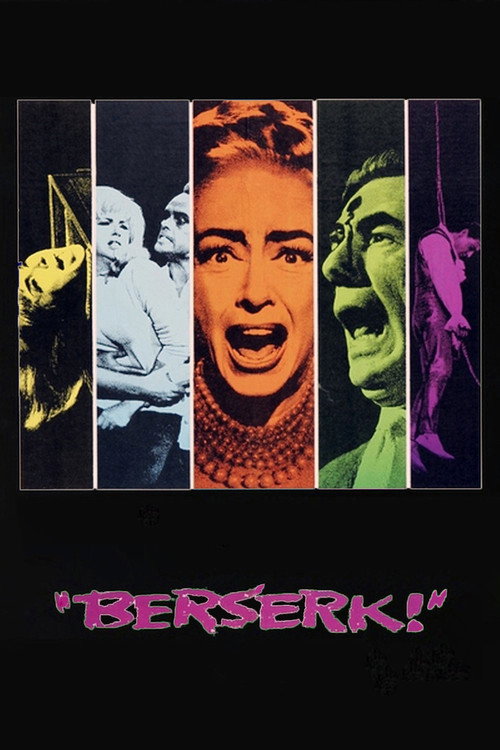
Berserk!1967
Joan Crawford in a circus setting where people keep getting murdered in horrifyingly creative ways. It's trashy, visually striking, and genuinely inventive about how bodies meet their ends.
But The plot is secondary to the set pieces. If you need coherent character motivation, you're going to be frustrated.
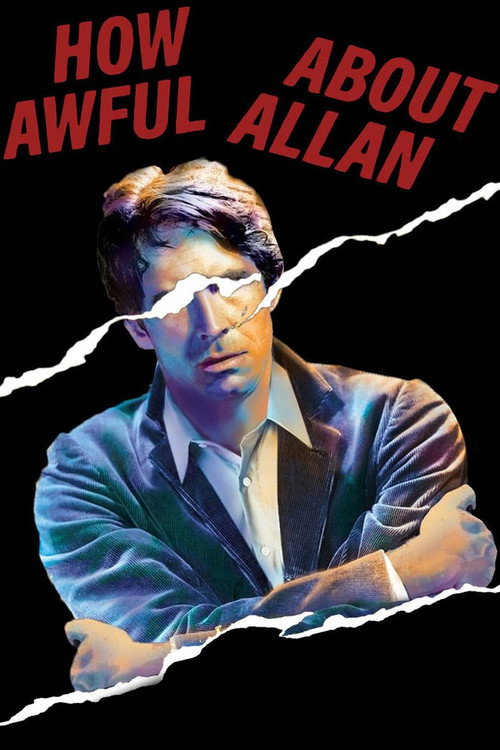
How Awful About Allan1970
Anthony Perkins in a TV movie about a man returning home after a psychotic break, convinced something terrible is about to happen. It's claustrophobic, paranoid, and utterly committed to the bit.
But It's a TV movie from 1970, which means some production values are going to look thin. The pacing is also deliberate to a fault.
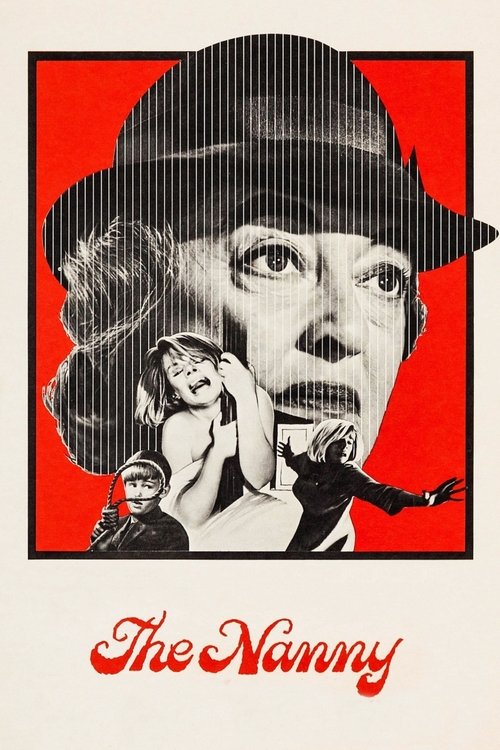
The Nanny1965
Bette Davis as a seemingly innocent nanny whose behavior toward the family's child becomes increasingly sinister. It's methodical and queasy in the best way—you feel complicit watching it unfold.
But The reveal is not a surprise if you pay any attention, and some of the supporting acting is genuinely stiff. You're here for Davis and the mood.
Mulholland Drive2001
Both are obsessed with how Hollywood corrupts innocence and how the dream machine preys on vulnerable women. Both build their horror from the gap between surface gloss and what's actually happening underneath.
David Lynch's descent into Hollywood's dark heart, where reality fractures and a woman's identity might not be what she thinks it is. It's devastating, gorgeous, and rewatchable in a way that gets deeper each time.
But It's long, it's nonlinear, and it doesn't explain itself. If you need a film to hold your hand through its own logic, this will infuriate you.

Dìdi (弟弟)2024
Both take ordinary people in ordinary circumstances and layer in an inescapable sense that something bad is coming. Helen works through melodrama; Didi works through neorealism. Same structural idea—two approaches at opposite ends of cinema's spectrum.
A recent film about a mother and son living in a car in New York, waiting for catastrophe. It's quiet, naturalistic, and builds a sense of dread from nothing but time and circumstance. Utterly modern but deeply classical.
But It's very slow and very sad. There's no plot twist, no payoff, no catharsis—just the specific weight of two people trying to survive.

People
Cast
 Debbie ReynoldsAdelle
 Shelley WintersHelen
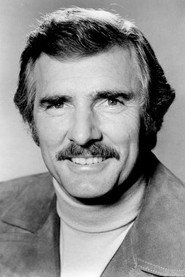 Dennis WeaverLinc Palmer
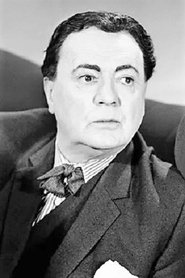 Micheál Mac LiammóirHamilton Starr
 Agnes MooreheadSister Alma
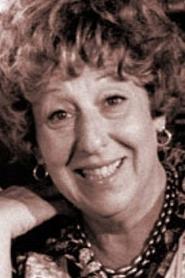 Helene WinstonMrs. Greenbaum
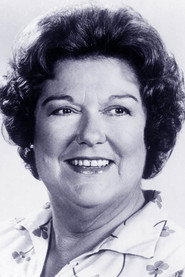 Peggy ReaMrs. Schultz
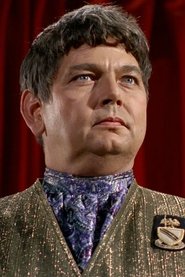 Logan RamseySergeant West
- Paulle ClarkMrs. Plumb
 Yvette VickersMrs. Barker
 Molly DoddMrs. Rigg
- Samee Lee JonesWinona
Directing
- Curtis HarringtonDirector
Writing
- Henry FarrellWriter
Production
- James C. PrattAssociate Producer
- Caro JonesCasting
- Edward S. FeldmanExecutive Producer
- George EdwardsProducer