
Film
How Awful About Allan
A taut 1970 psychological thriller about a man fresh from a psychiatric hospital who suspects his sister's mysterious new boarder is plotting against him. Anthony Perkins embodies paranoia with unsettling precision in this lean TV movie that trades gore for creeping dread. Perfect for those who prefer their horror cerebral and claustrophobic.
Should you watch it?
Watch it if you like slow-building paranoia where the mind becomes the haunted house, and you enjoy a chilly, chamber-sized piece that lets Anthony Perkins play fragile and unreliable.
Skip it if you need brisk scares or a sharp payoff, since this one is talky, stagey and deliberately slow, and its 1970 television look may feel dated.
What it asks of you: Its shape is compact and close: under seventy-five minutes, mostly indoors, with tension built through conversation and glances rather than bursts of action.
Not sure? Find tonight's pick in a minute.
If you liked this
Psycho1960
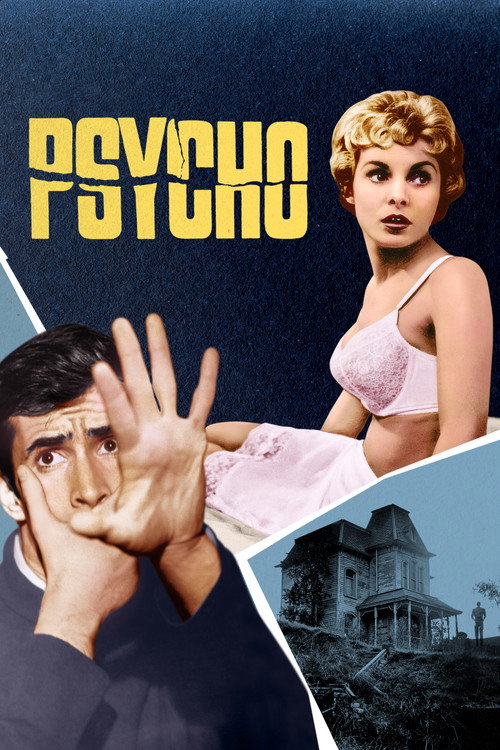
Hitchcock's masterpiece about fractured psychology and a killer hiding in plain sight. If you want to understand Perkins as the template for unstable brilliance, this is non-negotiable.
But It's been absorbed into pop culture so thoroughly that its genuine shocks may feel familiar, and some find the mother plot dated.
Marnie1964
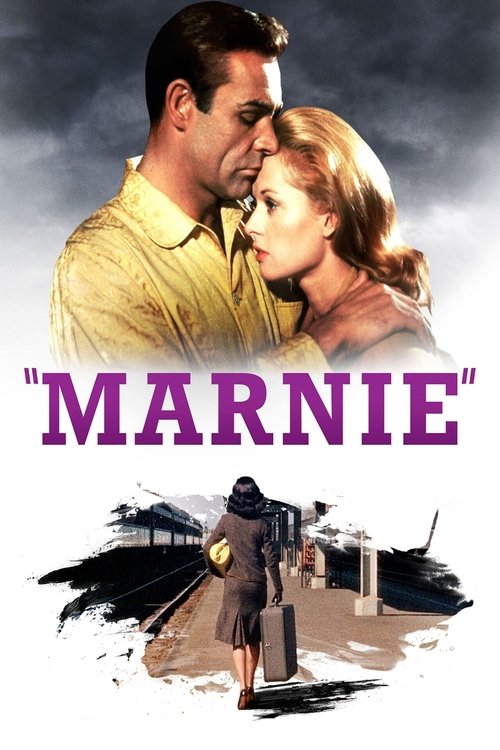
Another Hitchcock study of a damaged woman and the man obsessed with fixing her. Complex, morally murky, and visually sumptuous—trauma as an engine driving everything.
But The psychological analysis can feel stagey, and the ending divides viewers sharply on whether it earns its resolution.
The Silence of the Lambs1991
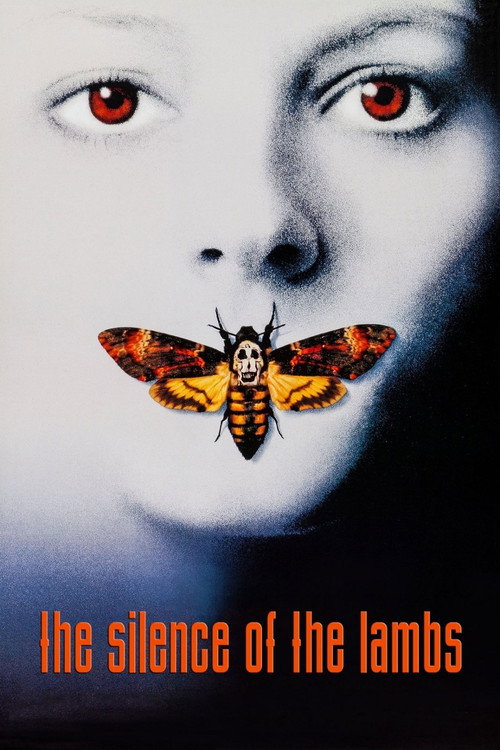
A serial killer procedural that understands how darkness lives in ordinary spaces. Claustrophobic, intelligent, and anchored by two magnetic performances trading psychological warfare.
But The graphic violence and the film's treatment of certain characters have become genuinely controversial points of discussion.
Not sure tonight? Get a pick in a minute, starting from How Awful About Allan
The wildcard
Something you would not have found on your own.
The Cabinet of Dr. Caligari1920
Both films weaponize unreliable perspective: we're trapped in the protagonist's deteriorating certainty, unable to trust what we see or who is real.
The blueprint for every psychological thriller that follows. A somnambulist controlled by an authority figure; the question of who is actually mad. Expressionist cinema that feels like a fever dream made solid.
But Silent film requires patience, and the theatrical acting style alienates viewers expecting naturalism.

More like this (8)
Repulsion1965
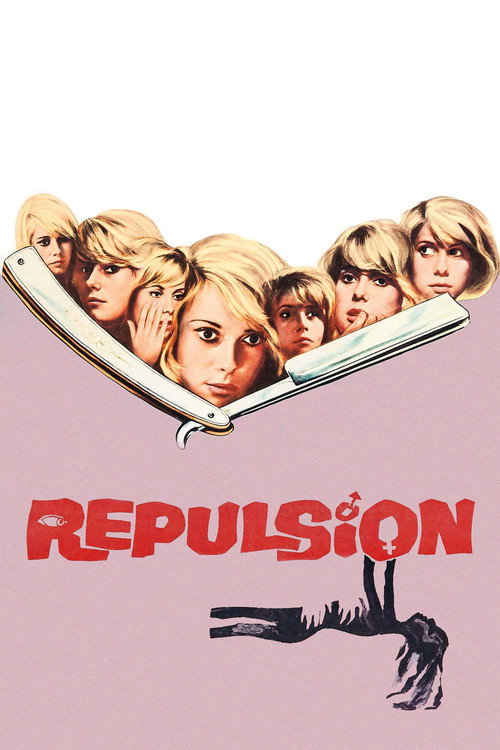
Polanski's hallucinatory descent into a woman's mental breakdown. Shot with nightmarish precision—paranoia made visual, loneliness made physical, sanity collapsing in real time.
But Deeply unpleasant to watch and features sexual violence that serves the story but not everyone's evening.
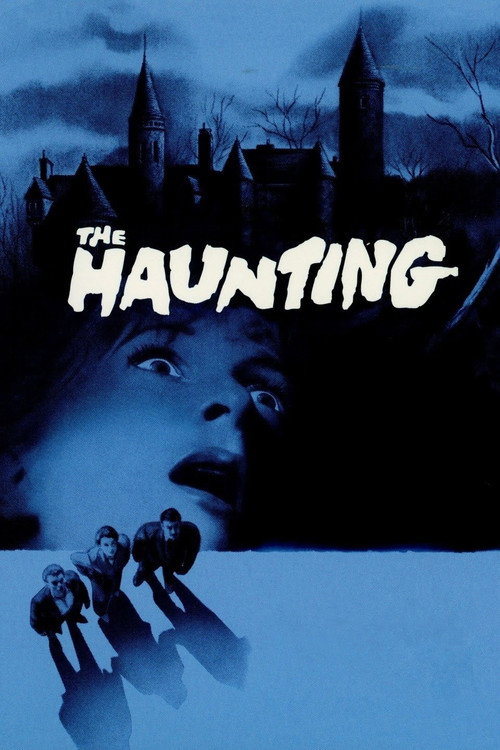
The Haunting1963
A haunted-house film that's actually about the fragility of the mind. Robert Wise's camera work and Eleanor's spiraling certainty create dread without relying on jump scares.
But The pacing is deliberately slow, and some find the ambiguity about what's real frustratingly unresolved.
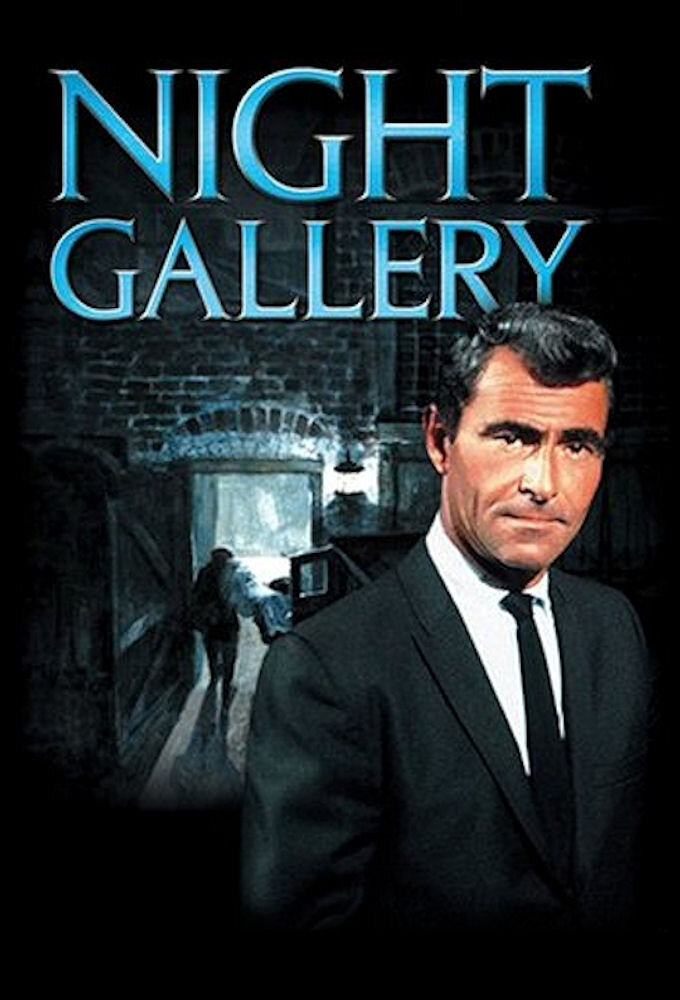
Night Gallery1969
Serling's anthology series specializes in psychological horror and existential twists. Compact episodes that burrow under your skin—some are masterpieces, all are worth ten minutes of strangeness.
But Quality varies wildly, and the 1970 episodes in particular have a dated TV-movie feel that some find corny.
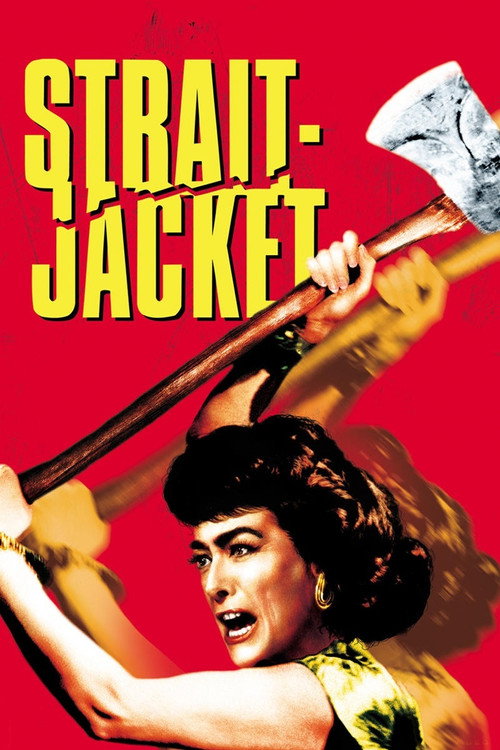
Strait-Jacket1964
Joan Crawford as a woman released from an asylum while murders begin again. Lurid, campy, and genuinely paranoid—William Castle understood that psychological horror could be fun.
But It's uneven, sometimes silly, and Crawford's performance is deliberately theatrical rather than naturalistic.
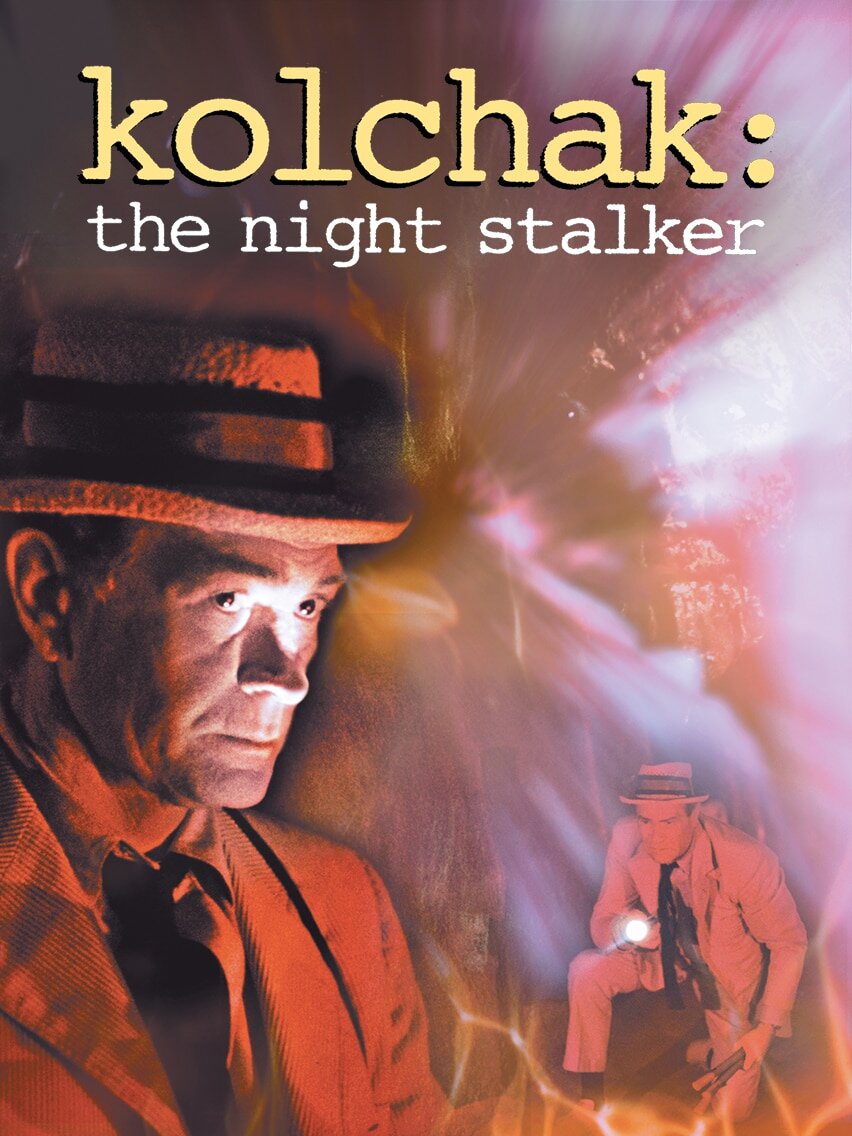
Kolchak: The Night Stalker1972
Kolchak investigates supernatural phenomena with a noir sensibility. Skepticism clashing with the impossible, small-town paranoia, and Darren McGavin's exhausted charm make it enduringly watchable.
But The TV-movie format shows its age badly, and the effects are functional at best.
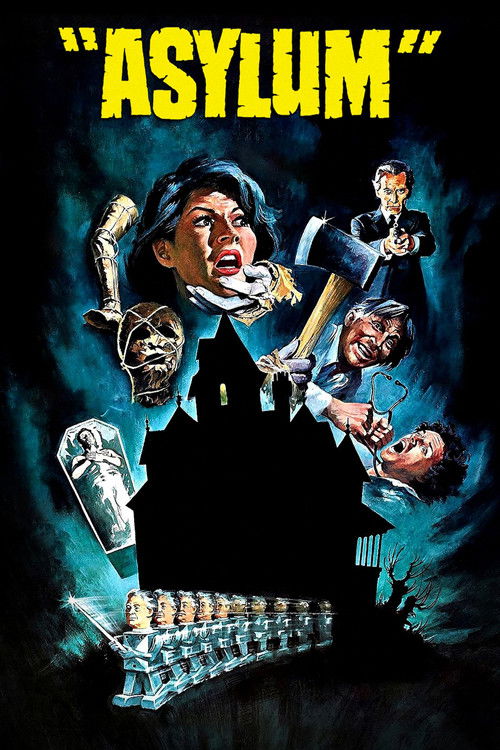
Asylum1972
A horror anthology set in a mental institution where doctors themselves become unreliable. Roy Ward Baker's direction keeps things moving and morally unsettling—power dynamics gone wrong.
But It's episodic, so momentum flags between stories, and the individual tales are uneven in impact.
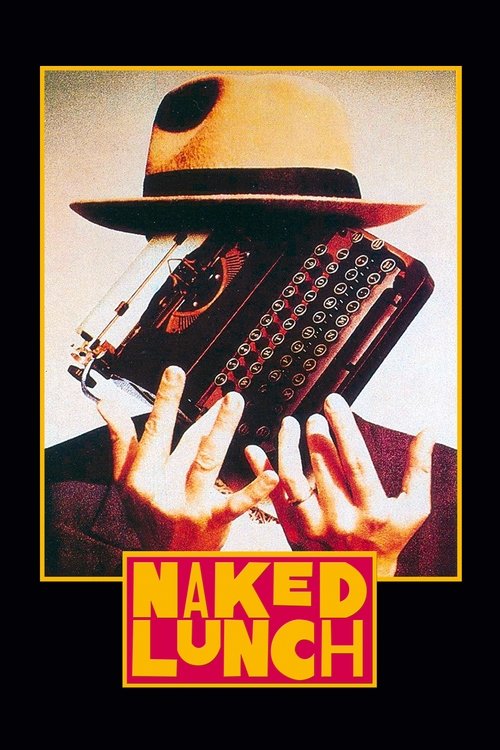
Naked Lunch1991
Where Allan suspects conspiracy in a domestic space, Naked Lunch collapses all reality into conspiracy and addiction. Both ask: what if your mind is the unreliable narrator?
Cronenberg's hallucinatory adaptation of Burroughs, where paranoia isn't a symptom but the entire reality. Dense, visually grotesque, and genuinely disorienting—a descent into psychological chaos rendered in flesh.
But It's deliberately incoherent and transgressive; you may feel violated rather than thrilled, and it rewards multiple viewings before making any sense.
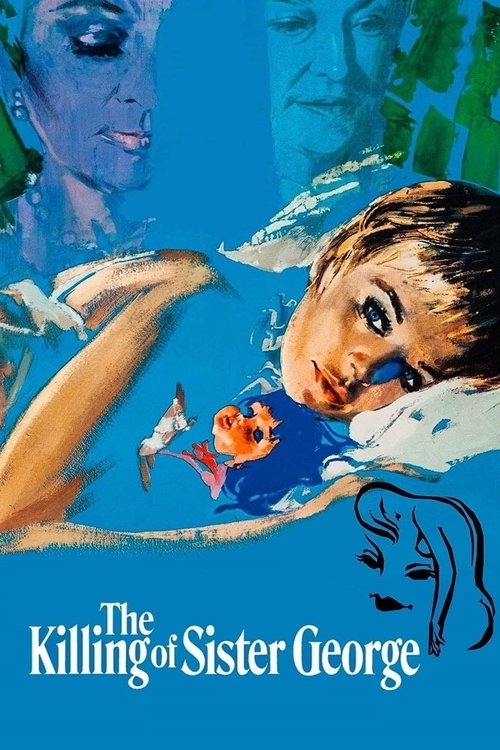
The Killing of Sister George1968
Both films trap their protagonists in domestic spaces controlled by someone they should be able to trust, where vulnerability becomes a weapon used against them.
A blackly comic study of power, desire, and coercion in a lesbian relationship. Brittle, shocking, and unafraid to explore cruelty as foreplay. Susannah York as vulnerable prey and predator simultaneously.
But It's sexually explicit by 1968 standards, misogynistic in tone (though intentionally), and its sexual violence won't feel like catharsis to most.
People
Cast
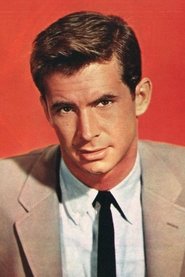 Anthony PerkinsAllan
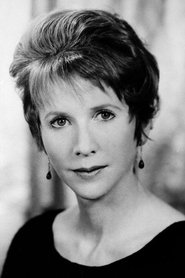 Julie HarrisKatherine
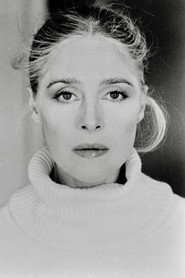 Joan HackettOlive
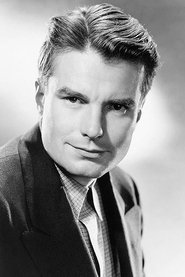 Kent SmithRaymond
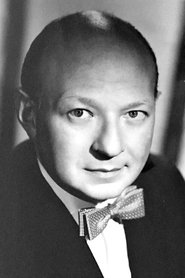 Robert H. HarrisDr. Ellins
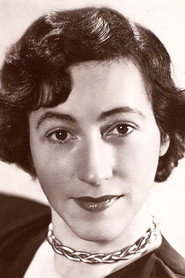 Molly DoddInmate
- Billy BowlesHarold Dennis
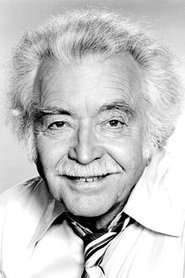 Bill ErwinDr. Ames
- Jeannette HoweKatherine - Child
- Kenneth LawrenceAllan - Child
- Trent DolanEric
Directing
- Curtis HarringtonDirector
Writing
- Henry FarrellNovel
- Henry FarrellTeleplay
Production
- Norman HenryExecutive In Charge Of Production
- Aaron SpellingExecutive Producer
- George EdwardsProducer
- Jim LaneProduction Manager