
Film
A Fine Madness
A 1966 comedy-drama about a charismatic, self-destructive poet caught between a psychiatrist's therapeutic intentions and genuine attraction. Sean Connery plays against type—messy, impulsive, verbally brilliant—in a film that mixes screwball energy with genuine melancholy about creativity, desire, and the impossibility of fixing people who don't want fixing.
If you liked this
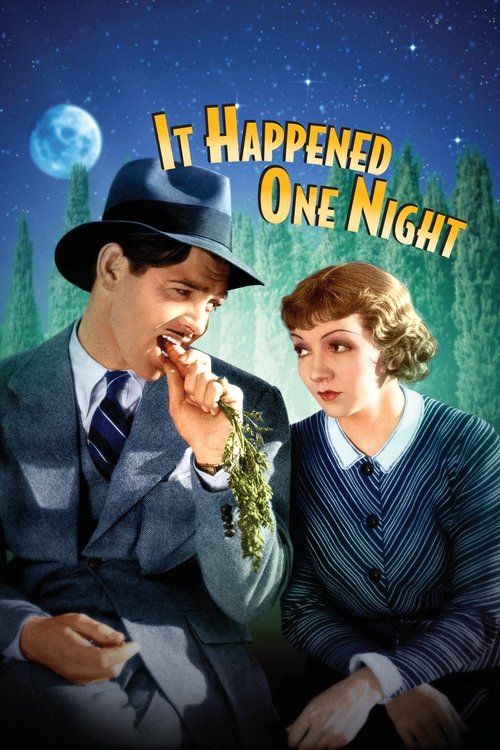
It Happened One Night1934
The template for romantic comedy itself: charm, wit, class collision, and a couple who genuinely make each other worse and better simultaneously. The pacing and dialogue crackle in ways that make most modern comedies feel sluggish.
But Black and white, 1930s pacing, and the gender politics will read as dated even if the film itself transcends them fairly well.
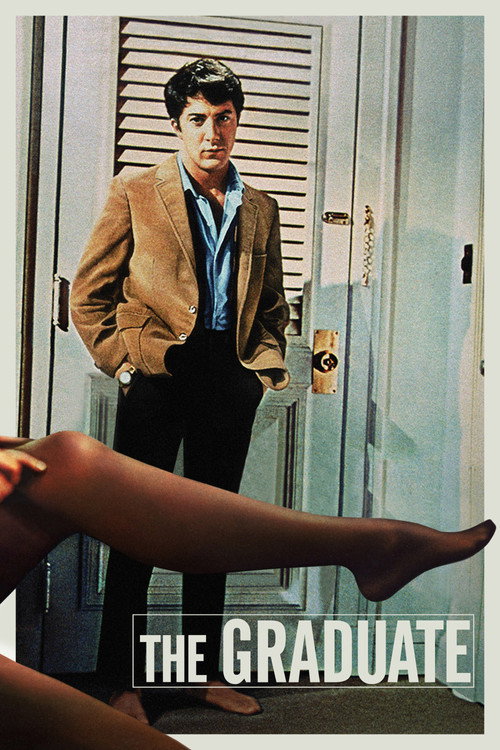
The Graduate1967
Another portrait of attractive chaos and moral paralysis in the 1960s—a man adrift, a woman who sees him too clearly, and the question of whether intimacy can survive honesty. Simon and Garfunkel score is a bonus.
But Everyone's heard it to death. The second half drags. You know the ending before you start.
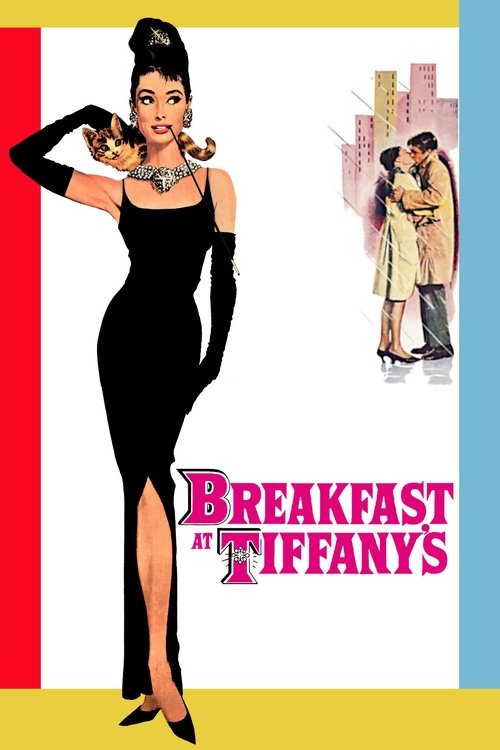
Breakfast at Tiffany's1961
Audrey Hepburn as another untameable creature who fascinates everyone around her. Like Connery's poet, she's running from something, and charm is her primary survival tool. Smart, funny, and surprisingly sad underneath.
But The racism in the supporting cast is ugly and indefensible. Some find it unforgivable enough to skip entirely, and that's fair.
Not sure tonight? Get a pick in a minute, starting from A Fine Madness
The wildcard
Something you would not have found on your own.
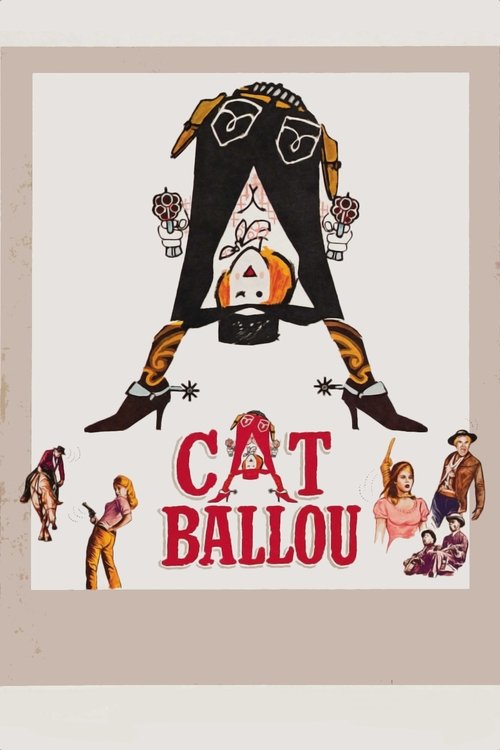
Cat Ballou1965
Both films feature beautiful, charming male leads whose primary tool is performance and whose refusal to be legible to authority figures is both their appeal and their doom.
Lee Marvin in a comedic Western, drunk and ridiculous, playing against Lee Marvin as the villain—a film so committed to tonal chaos and genre-mixing that it barely holds together, yet somehow that's the point. Similar energy to Connery's performance.
But The tonal whiplash is intentional, which means it *will* whiplash you. If you need consistency, it's maddening.
More like this (8)
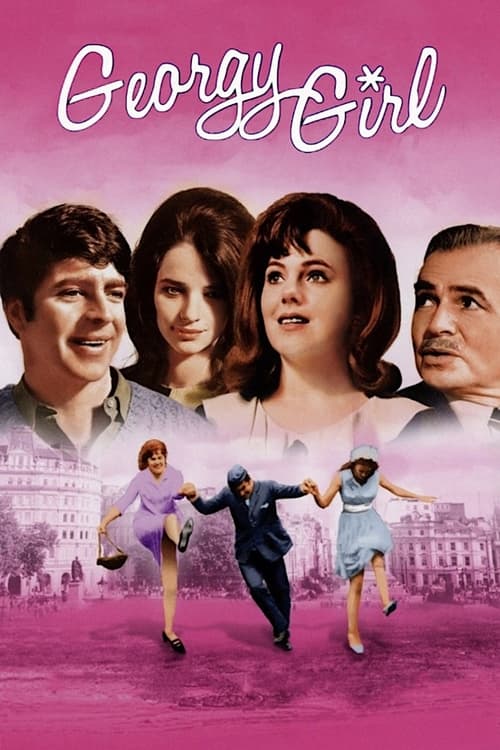
Georgy Girl1966
Made the same year: another film about unconventional people, desire, and the question of who gets to decide what a good life looks like. Lighter in tone but asking similar questions about authenticity and compromise.
But It's slight, even by 1960s standards. The ending is tidy in ways that feel a bit false to what came before.
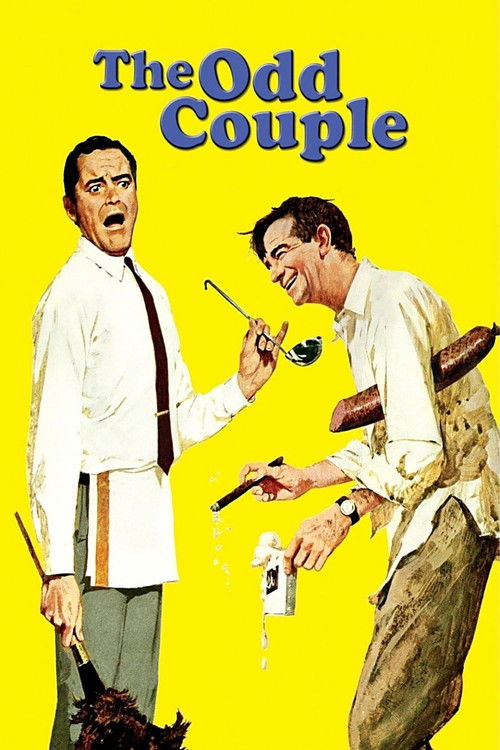
The Odd Couple1968
Two incompatible people forced into proximity, comedic friction built from character rather than situation, and the suggestion that we choose our disasters. Matthau and Lemmon are perfect, and it holds up entirely.
But If you've seen the TV show, you already know the dynamics. Once you know the premise, there's less surprise.
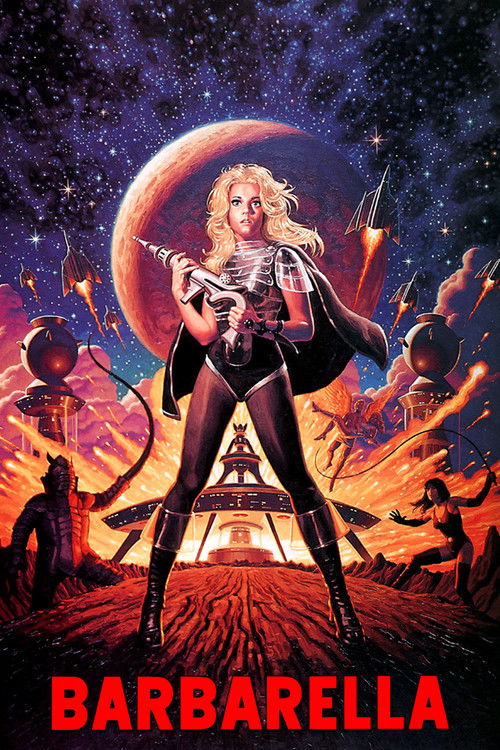
Barbarella1968
Jane Fonda in space, playing a character who's more intelligent and resourceful than the film around her. Trippy design, genuine charm, and a refusal to take itself seriously that's actually refreshing.
But The plot barely exists. The satire can feel accidental. If you want story coherence, look elsewhere.
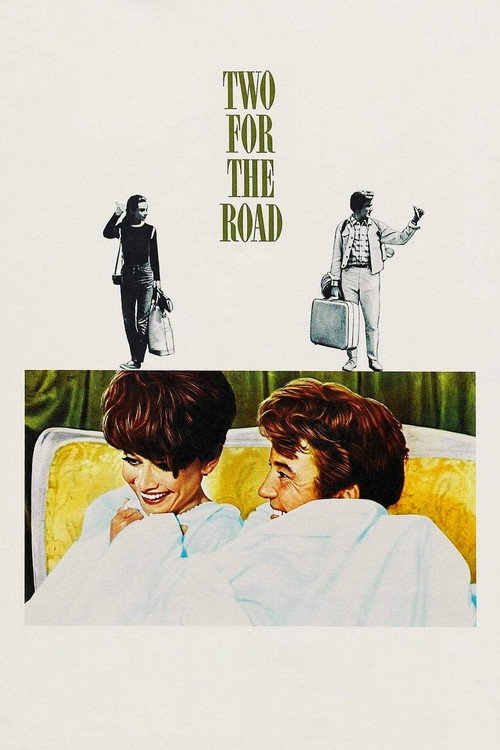
Two for the Road1967
Audrey Hepburn and Albert Finney tracing a marriage across time—clever, sexy, and genuinely moving about how couples destroy and sustain each other. The non-linear structure feels modern even now.
But It's deliberately stylized and experimental; if you want straightforward narrative, it will frustrate you.
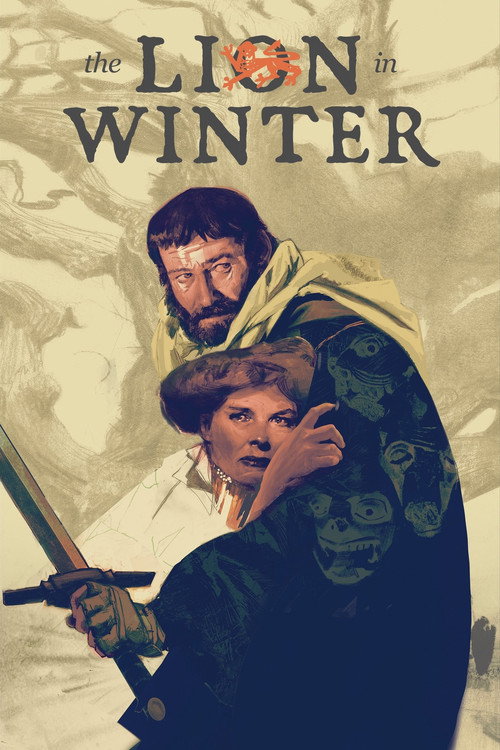
The Lion in Winter1968
Katherine Hepburn and Peter O'Toole as a powerful couple locked in a battle of wit and will. The dialogue is Shakespearean, the sexual tension is palpable, and it takes its characters' desires and intelligence entirely seriously.
But It's stagey and wordy. If you find Hepburn's delivery mannered, this will amplify that reaction.
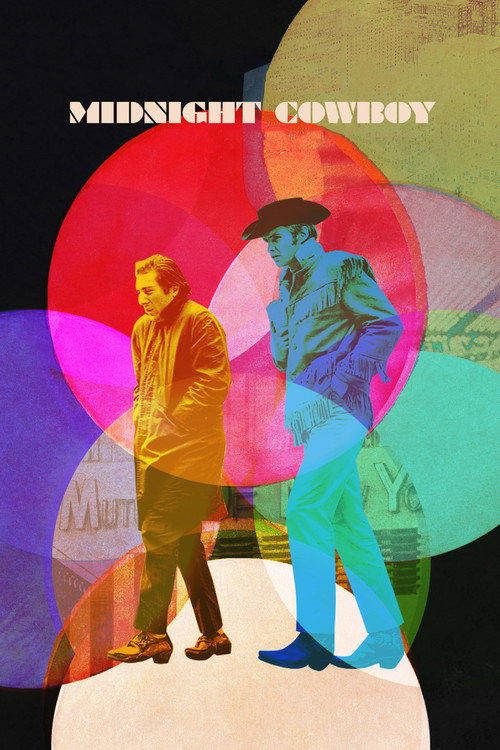
Midnight Cowboy1969
A harder look at the same era's sexual and economic chaos, with Jon Voight as another beautiful, damaged man for whom charm is a survival strategy. Real, ugly, and hypnotic.
But It's grim, sexually explicit for 1969, and the city it portrays is merciless. Not a comfort watch.
The Third Man1949
Both explore how charm and beauty can mask fundamental untrustworthiness, and how people we love can be transparent and unknowable simultaneously.
Joseph Cotten as a naive American abroad, undone by attraction to a woman and a man he doesn't understand. Welles is magnetic, Vienna is a character itself, and the zither score is hypnotic. The moral confusion never resolves—it just ends.
But It's in black and white, it's European, and the pacing is deliberate. If you need plot momentum, it will feel glacial.

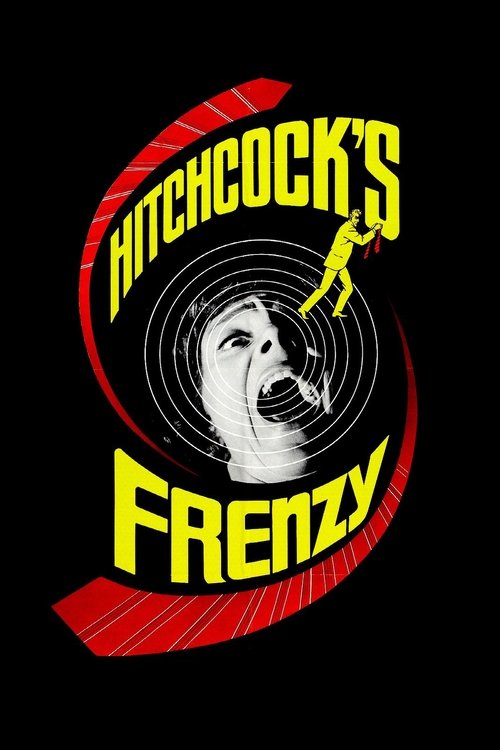
Frenzy1972
The central question is about who we trust and why we're so easily fooled by charisma and performance—and what happens when we're wrong.
Hitchcock's only R-rated film: a serial killer thriller built around a charming, attractive man nobody suspects, and the ordinary guy everyone blames. Dark, visceral, and funny in ways that feel almost obscene—Connery's frenetic energy finds a mirror in Hitchcock's approach.
But It's brutal and sexualized in ways that make it genuinely uncomfortable. The sexual violence is not exploitative exactly, but it's not soft either.
People
Cast
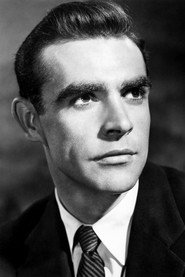 Sean ConnerySamson Shillitoe
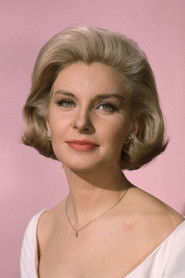 Joanne WoodwardRhoda Shillitoe
 Jean SebergLydia West
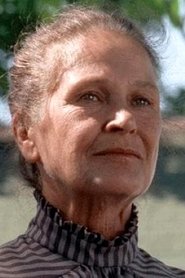 Colleen DewhurstDr. Vera Kropotkin
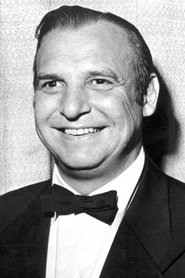 Jackie CooganMr. Fitzgerald
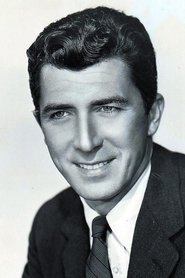 Patrick O'NealDr. Oliver West
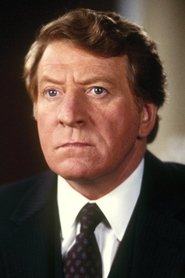 Clive RevillDr. Menken
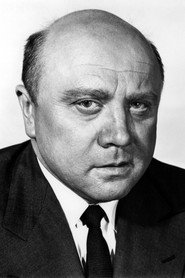 Werner PetersDr. Freddie Vorbeck
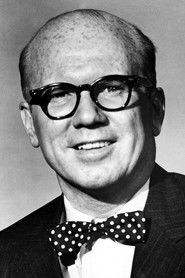 John FiedlerDaniel K. Papp
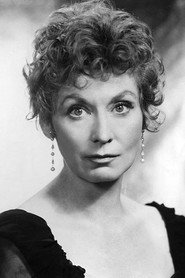 Kay MedfordMrs. Fish
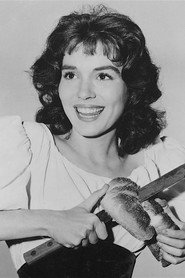 Zohra LampertEvelyn Tupperman
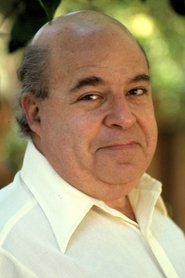 Sorrell BookeLeonard Tupperman
Directing
- Russell LlewellynAssistant Director
- Irvin KershnerDirector
Writing
- Elliott BakerNovel
- Elliott BakerWriter
Production
- Jerome HellmanProducer