
Film
Where’s Poppa?
A 1970 farce about a Manhattan lawyer juggling an impossible romantic prospect and his manic, unpredictable mother. It's anarchic, occasionally dark, wildly uneven—the kind of comedy that doesn't know where the line is and doesn't care. Loud, fast, and made for people who think chaos is hilarious.
Should you watch it?
Watch it if you like black comedy with a mean streak, the kind of 1970s New York farce that treats family obligation as a punchline and never quite apologizes.
Skip it if the gags run broad and the pacing scattershot, so if you need warmth to soften cruelty, this may feel more like a dare than a joke.
What it asks of you: Roughly eighty minutes, it moves in quick, buttoned-up bursts, and it keeps its nerve in dark places, so it wants steady, unsentimental attention rather than a lazy half-watch.
Not sure? Find tonight's pick in a minute.
If you liked this
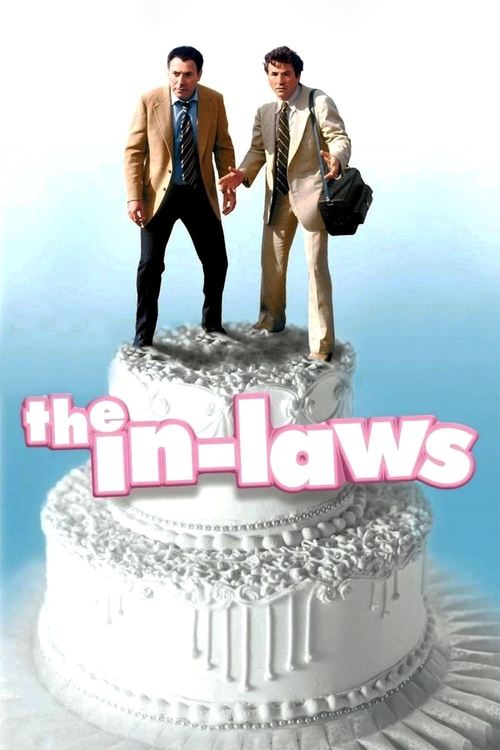
The In-Laws1979
Peter Falk and Alan Arkin in a sprint through absurdity, with the same headlong energy and family-versus-ambition tension. Arkin's exasperation feels like the spiritual descendent of Segal's here.
But The plot is nonsense and doesn't pretend otherwise; if you need a story to hold onto, you'll be frustrated.
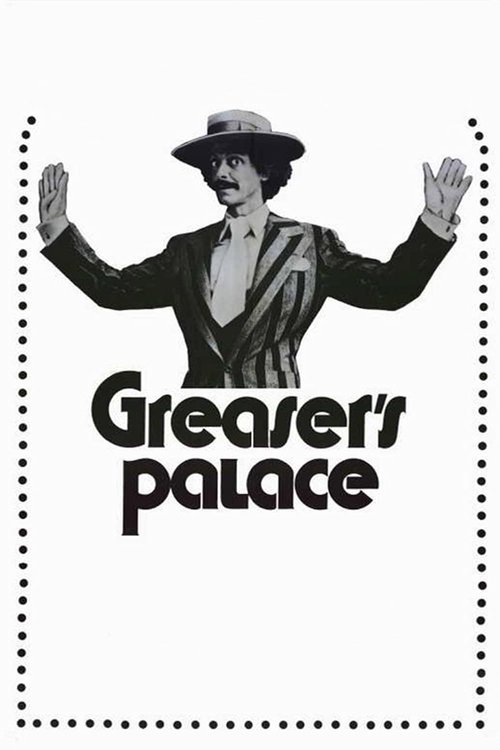
Greaser's Palace1972
Robert Downey Sr.'s deranged fever dream of a film—anarchic 70s comedy that makes the rules up as it goes, with a genuine sense that anything might happen. Same beautiful chaos.
But It's genuinely hard to follow and sometimes offensive; it doesn't court approval or accessibility.
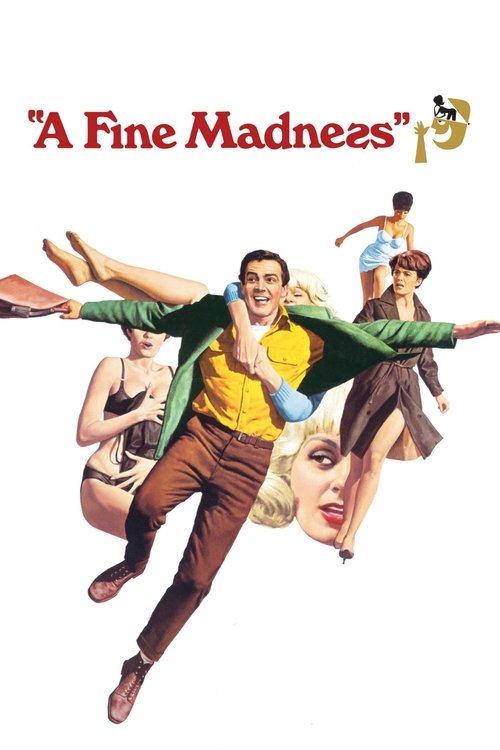
A Fine Madness1966
Sean Connery as a manic poet driving everyone around him to despair; same energy of a man too much for the world, same dark farce about the gap between how you want to live and what you're stuck with.
But Dated attitudes about mental health and women will rankle; it's very much a product of its time.
Not sure tonight? Get a pick in a minute, starting from Where’s Poppa?
The wildcard
Something you would not have found on your own.
Singin' in the Rain1952
Both are comedies that run on pure kinetic energy and don't apologize for the mess; the mania isn't a flaw, it's the point.
Gene Kelly and Donald O'Connor's physical comedy is the ancestral DNA here—that same commitment to absurdity, the same willingness to let the body do the talking. Watch how they move through chaos.
But It's pre-1960s Hollywood polish; the world it's set in and its gender politics are very much of another era.

More like this (6)
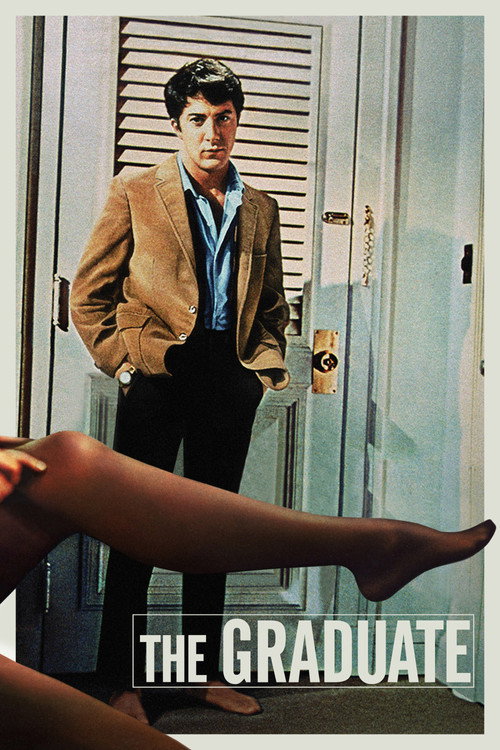
The Graduate1967
Same era, same New York anxiety, same young man paralysed between desire and obligation. Plays the tension between those forces as comedy and tragedy in one frame.
But Much more widely seen and discussed; you might feel you already know it.
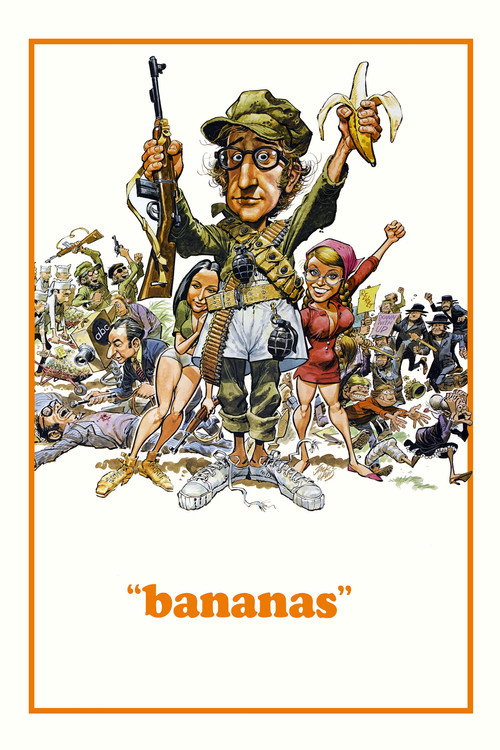
Bananas1971
Early Woody Allen absurdism; that same gleeful willingness to abandon plot for gags, to make the world bend to the joke rather than the other way around.
But The gender politics are grim; it hasn't aged well and Allen's anxieties can curdle the humour.
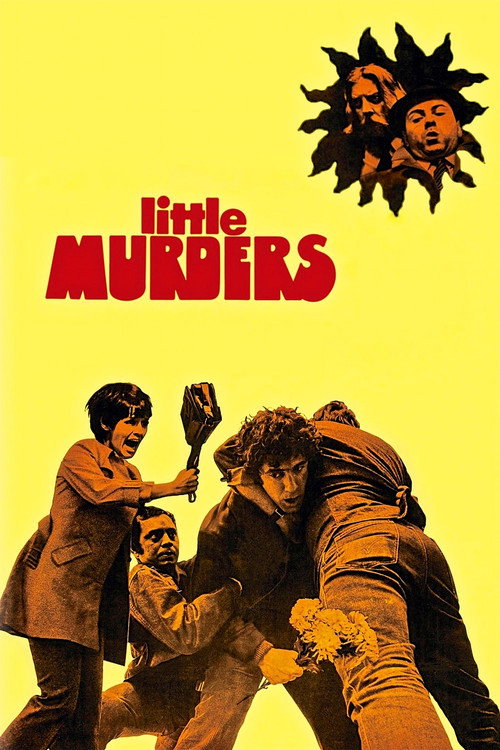
Little Murders1971
Jules Feiffer's adaptation of his own play—pitch-black comedy about a New York family falling apart. Same sardonic tone, same sense that the world is fundamentally broken.
But Darker than Where's Poppa?, sometimes to the point of bleakness; the laughs can feel mean.
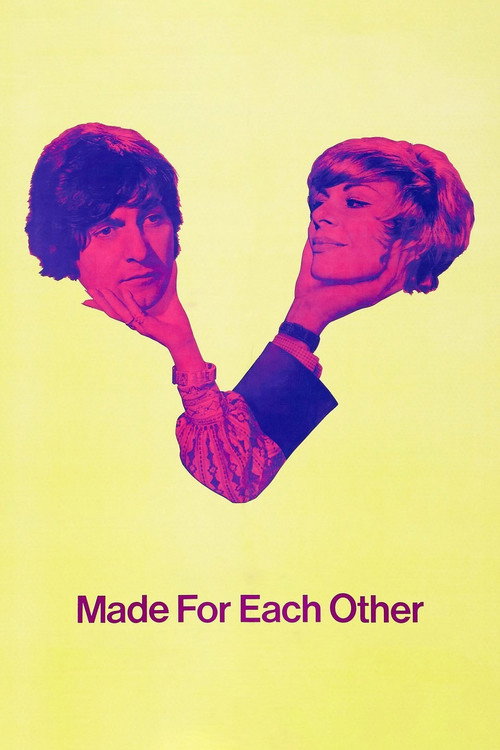
Made For Each Other1971
Renee Taylor and Joseph Bologna's portrait of a marriage in New York; quieter than Where's Poppa? but the same microscopic attention to how couples drive each other mad.
But It's genuinely unglamorous; if you want romance, this is the anti-romance film.
Requiem for a Dream2000
The mother-son dynamic, the question of care and corruption, the slow recognition that love and obligation can become chains. Same plot, opposite register.
Darren Aronofsky's portrait of addiction and delusion, with an older mother and a son at the centre—same premise as Where's Poppa?, but where the farce goes, this goes tragic. Extraordinary filmmaking.
But It is brutally bleak and genuinely hard to watch; addiction and mental illness are treated with zero sentimentality or comic relief.

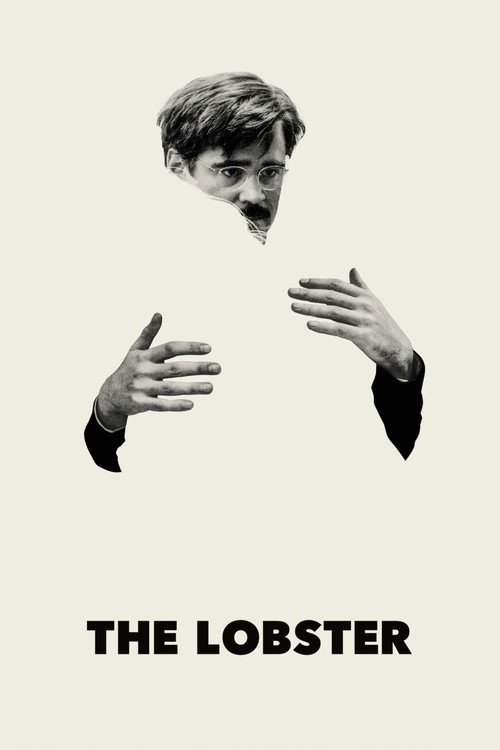
The Lobster2015
Both are comedies built on an absurd central premise that's never explained or justified—you accept the rule and watch how people try to survive within it. Both are about romantic desperation meeting family/social pressure.
Yorgos Lanthimos's Greek New Wave surrealism—a world with its own insane logic where a man must find a romantic partner or be turned into an animal. Same absurdist premise, same comedy from impossible situations.
But The deadpan delivery and formal composition can feel impenetrable; it requires patience and a willingness to sit with discomfort.
People
Cast
 George SegalGordon Hocheiser
 Ruth GordonMrs. Hocheiser
 Ron LeibmanSidney Hocheiser
 Trish Van DevereLouise Callan
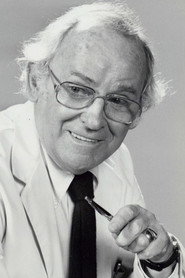 Barnard HughesColonel Hendricks
 Vincent GardeniaCoach Williams
 Rae AllenGladys Hocheiser
 Paul SorvinoOwner of Gus & Grace's Home
- William LeMassenaJudge
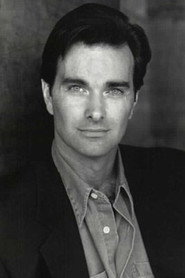 Michael McGuireArmy Lawyer
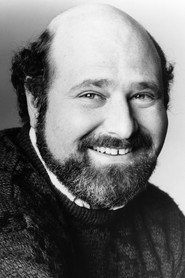 Rob ReinerRoger
 Garrett MorrisGarrett
Directing
- Carl ReinerDirector
Writing
- Robert KlaneNovel
- Robert KlaneScreenplay
Production
- Jerry TokofskyProducer
- Marvin WorthProducer