
Film
1941
Steven Spielberg's 1941 is a sprawling, chaotic wartime comedy about paranoia sweeping Southern California after Pearl Harbor. It's a big, loud, deliberately silly movie with an all-star cast doing bits, set pieces crashing into each other, and a particular 1979 sensibility about satire. Not for everyone, but if you like controlled chaos and ensemble mayhem, it's weirdly endearing.
Should you watch it?
Watch it if you enjoy big, overstuffed slapstick where a crowd of comic subplots collide in a pileup of set pieces, and you don't mind the mess as long as it's noisy and generous with ideas.
Skip it if you find loud, chaotic farce exhausting, since the jokes come in waves of shouting and many land with a thud rather than a laugh across its two hours.
What it asks of you: A long, crowded ride with little breathing room; the comedy is restless and cumulative, so you must stay alert through scenes that keep piling on noise rather than settling.
Not sure? Find tonight's pick in a minute.
If you liked this
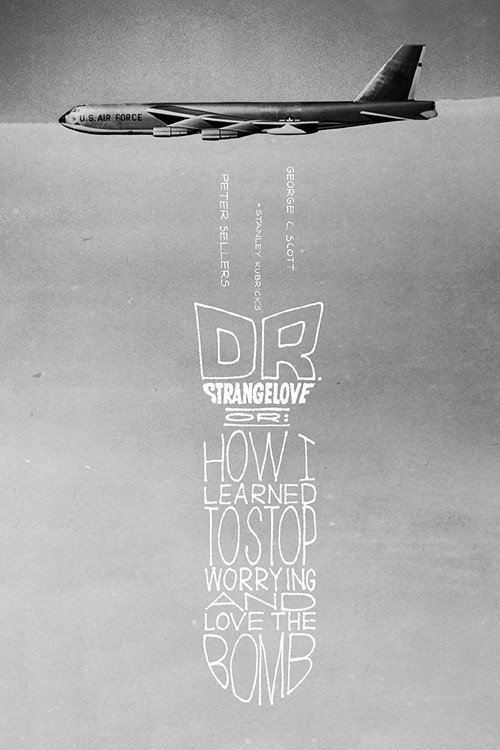
Dr. Strangelove or: How I Learned to Stop Worrying and Love the Bomb1964
Kubrick's masterpiece about institutional absurdity and military logic gone haywire. Like 1941, it finds dark comedy in the machinery of war and the men too stupid or terrified to stop it.
But It's bleak in a way 1941 isn't, and much more precisely controlled. If you want the chaos to stay fun rather than descend into nihilism, this might be too cold.
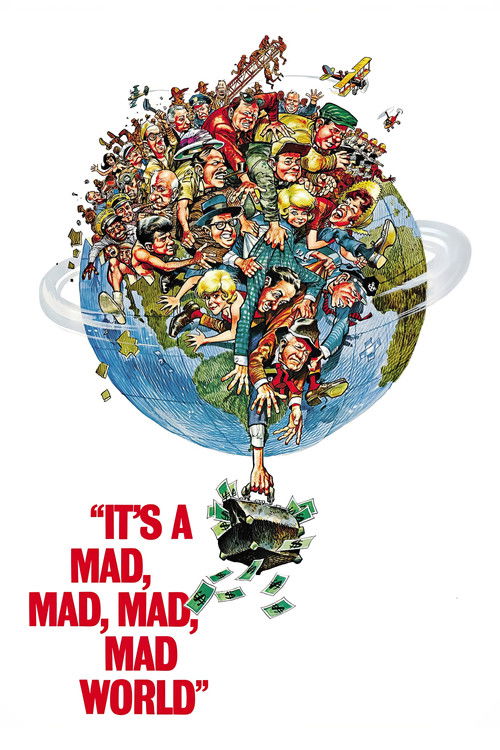
It's a Mad, Mad, Mad, Mad World1963
An ensemble comedy of escalating mayhem with a massive cast all doing their own bits. The structure—dozens of characters, overlapping chaos, no real plot—is basically 1941's template.
But It's nearly three hours and moves in fits and starts. Some of the humor is dated, and the pacing expects your patience in a way modern comedies don't.
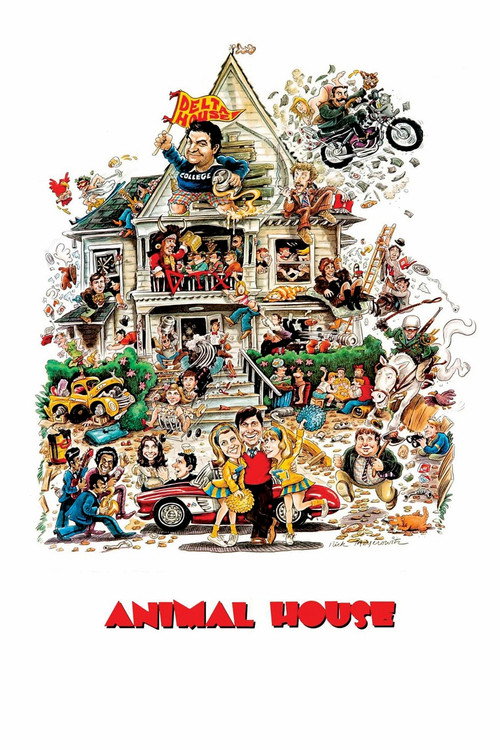
Animal House1978
Pure ensemble comedy where character arcs matter less than the collective energy. Belushi dominates here too, and it has that same 1970s affection for beautiful catastrophe.
But It's genuinely rowdy and juvenile. If broad comedy about drunk men isn't your thing, this won't convert you.
Not sure tonight? Get a pick in a minute, starting from 1941
The wildcard
Something you would not have found on your own.
The Poseidon Adventure1972
Both films treat catastrophe as an ensemble occasion—multiple storylines, ensemble cast, the humor emerges from watching competent and incompetent people collide under pressure.
A disaster film where the spectacle isn't the point—character and chaos are. Like 1941, it's fundamentally about watching an ensemble react to impossible circumstances, and it finds comedy in absurd commitment to survival.
But It's genuinely grim in places. It's not trying to be funny the whole time, which gives it weight 1941 doesn't have. If you want consistent laughs, you'll get frustrated.
More like this (8)
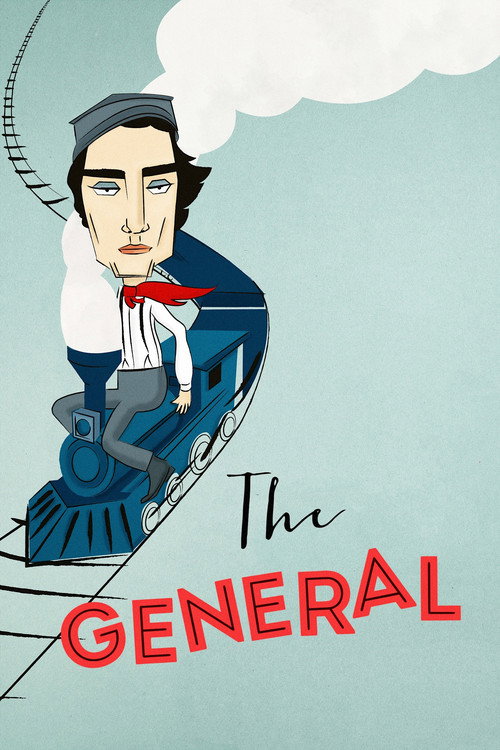
The General1926
Buster Keaton's silent masterpiece about chaos, military incompetence, and elaborate set pieces. It's what 1941 is trying to be—absurdist, propulsive, full of gags that emerge from situation.
But Silent film requires a different rhythm. If you're not prepared to lean in, it will feel slow and you'll miss the jokes.
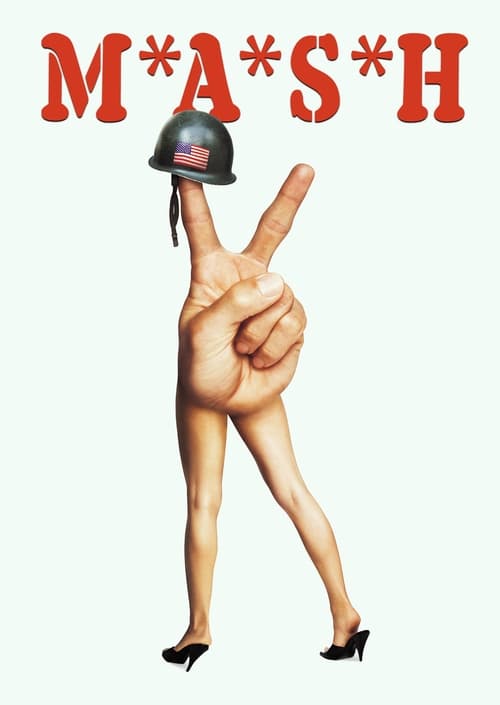
M*A*S*H1970
Altman's film balances war satire with real ensemble comedy, mixing irreverence with genuine stakes. It proved you could be both ridiculous and serious about military life.
But It's structured differently—quieter, more observational. If you want constant noise and movement, this will feel restrained.
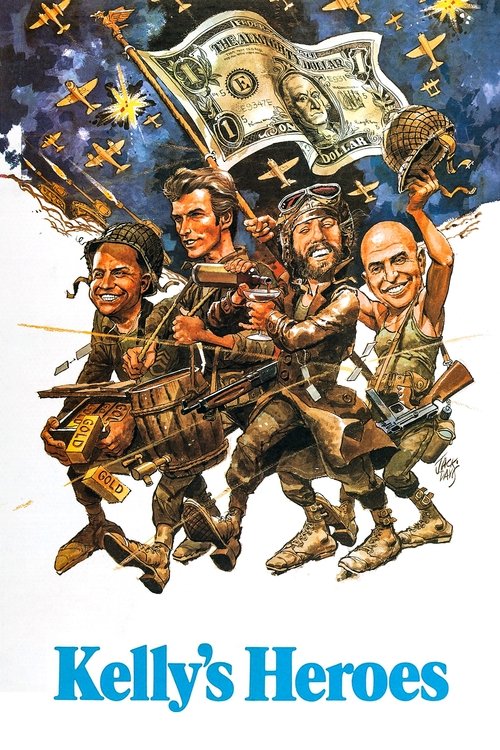
Kelly's Heroes1970
A war heist film with Eastwood and Telly Savalas, blending action, comedy, and spectacle. It has that same anything-can-happen energy as 1941, with actual stakes underneath.
But It's longer and less purely silly. If you want pure comedy, the war stuff might feel like it's getting in the way.
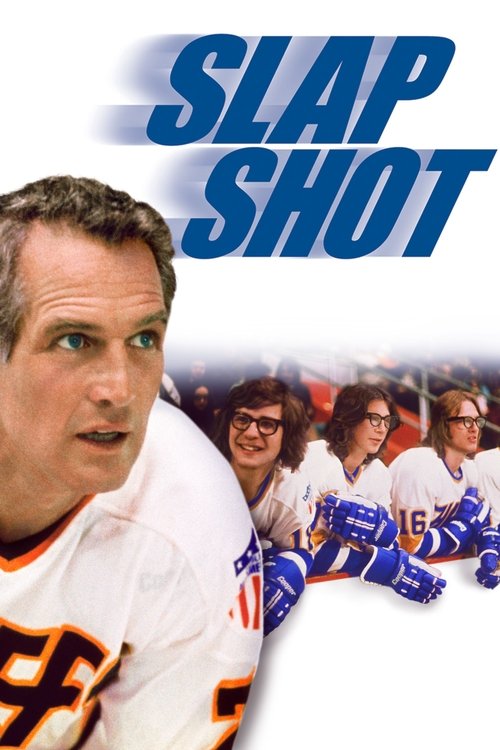
Slap Shot1977
Paul Newman in a sports comedy that embraces trash-talk, physical comedy, and ensemble chaos. It's loud, mean-spirited, and absolutely committed to its tone.
But It's aggressively vulgar and hostile. If you need your comedies to be kind, stay away.
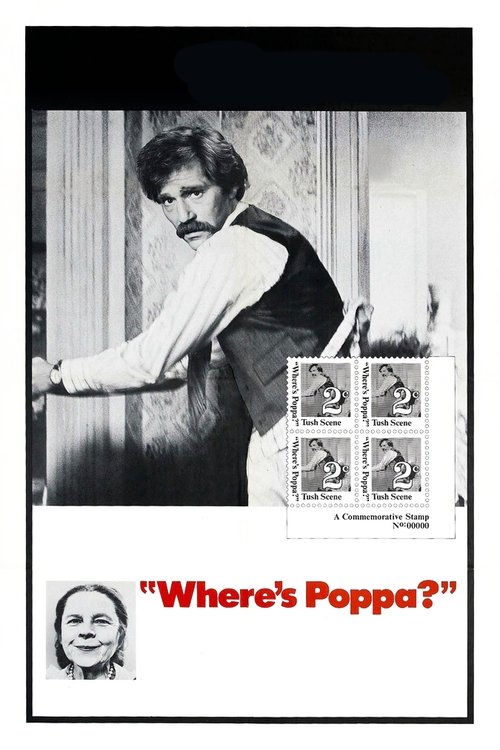
Where’s Poppa?1970
A deranged family comedy that gleefully crashes through good taste. It has 1941's willingness to let scenes go to weird places for a laugh.
But It's genuinely offensive and structurally bizarre. Modern taste has moved away from this kind of chaos, and there's a reason.
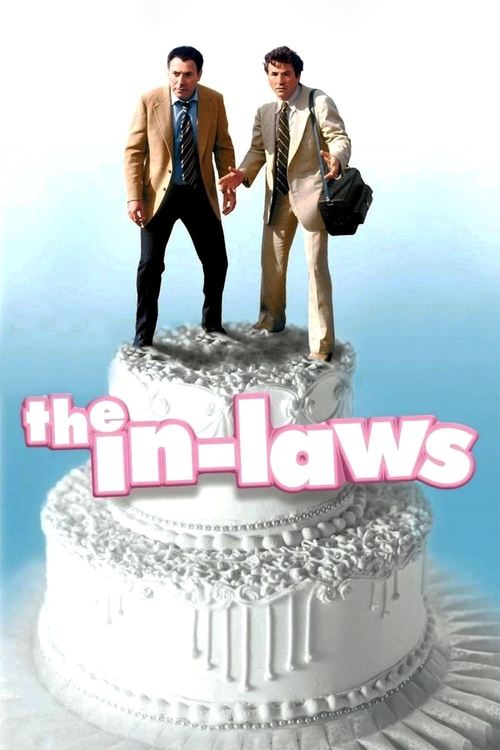
The In-Laws1979
Released the same year as 1941, it's an ensemble comedy about conspiracy and escalation. It has that 70s confidence that the joke is watching people lose control.
But It's lower-key than 1941, and the humor lands on character interaction more than spectacle. You need to actually like the cast.
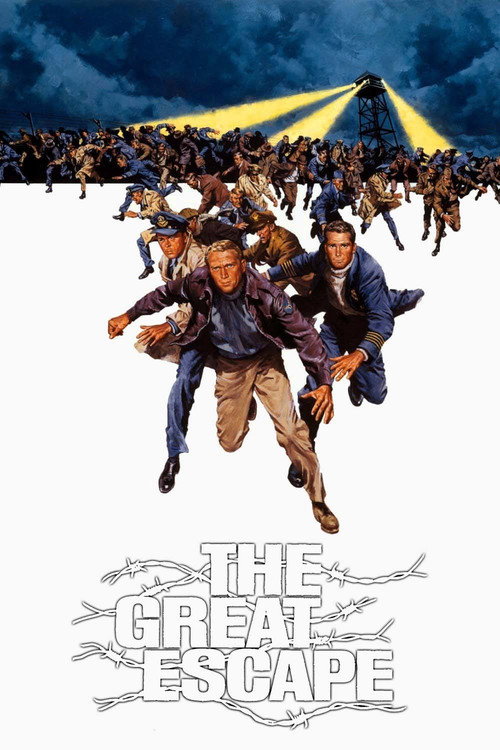
The Great Escape1963
The mirror image—both have ensemble casts, both are about the Pacific Theater and European conflicts happening simultaneously, but one treats it as heroic and one as farce.
Stolid, straight WWII adventure with an all-star cast executing a meticulous plan. Watch it back-to-back with 1941: it's the same conflict, same period, opposite energy. You'll see how deliberately silly 1941 chooses to be.
But It's earnest and nearly three hours. If you're not interested in procedural war drama, it will feel like homework.
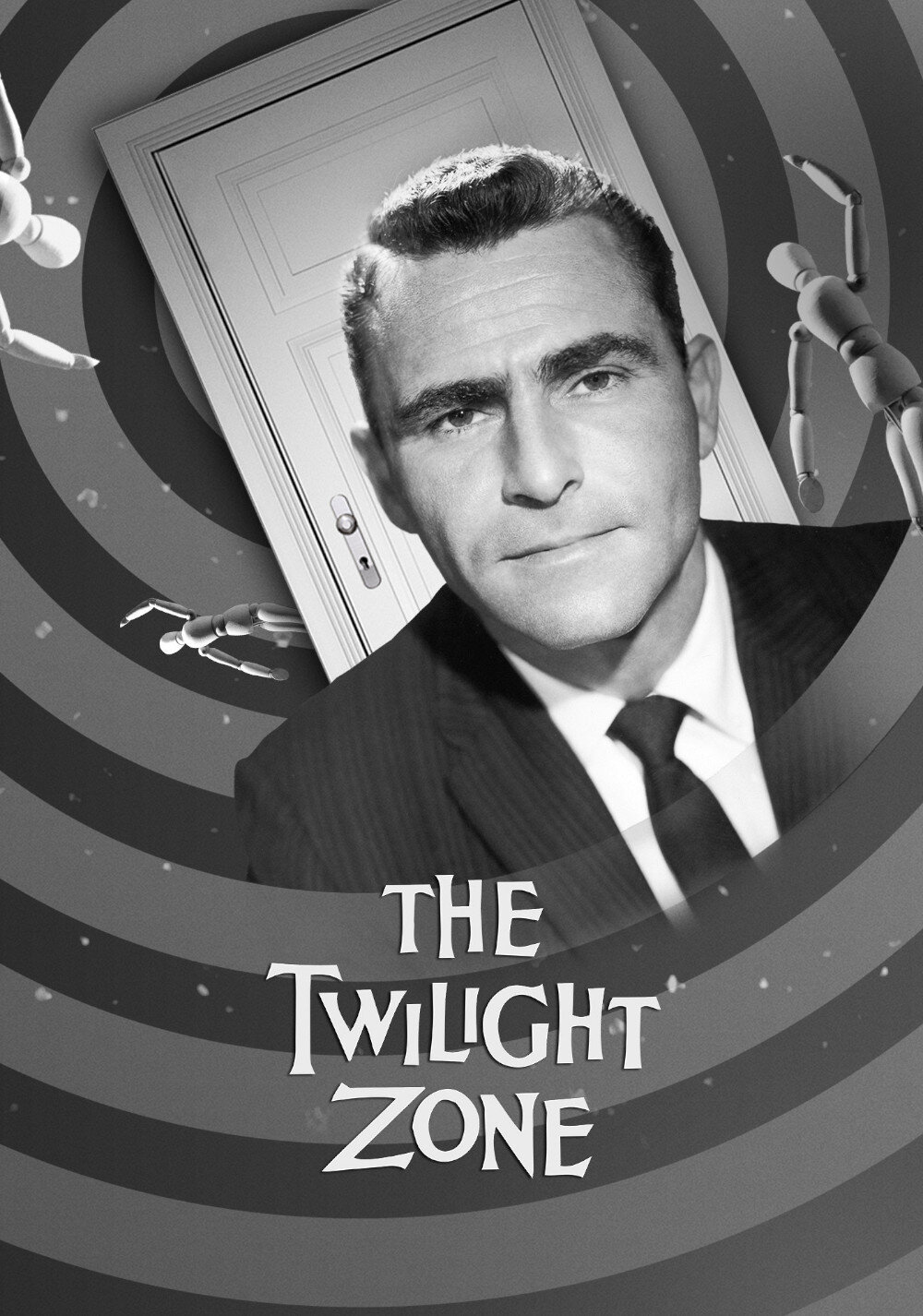
The Twilight Zone1959
Same structural spine: a plausible catastrophe, institutions that can't respond, ordinary people making it worse. 1941 makes a comedy out of what this makes a tragedy.
A six-minute Serling story about the sun slowly approaching Earth, and how rational people respond with irrational panic. It's the entire thesis of 1941—institutional failure when normal people face abnormal threat—distilled to its essence.
But It's from 1960 and it's tiny. If you need a feature-length experience, this will feel like a snack. Also it hits bleaker than 1941 ever does.
People
Cast
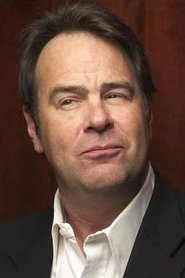 Dan AykroydSgt. Frank Tree
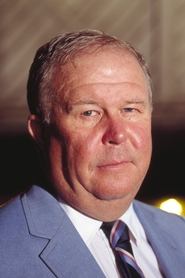 Ned BeattyWard Douglas
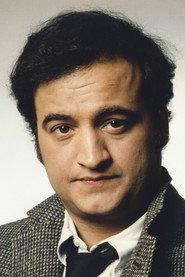 John BelushiCapt. Wild Bill Kelso
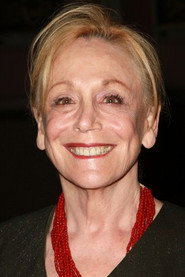 Lorraine GaryJoan Douglas
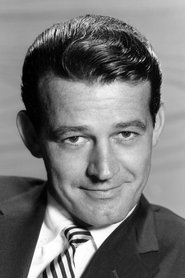 Murray HamiltonClaude Crumn
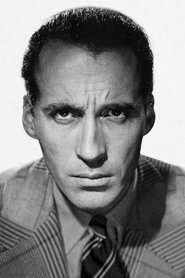 Christopher LeeCapt. Wolfgang von Kleinschmidt
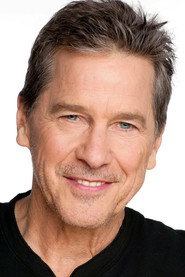 Tim MathesonCapt. Loomis Birkhead
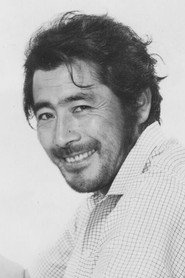 Toshirō MifuneCmdr. Akiro Mitamura
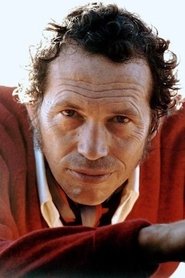 Warren OatesCol. 'Madman' Maddox
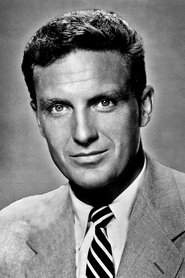 Robert StackMaj. Gen. Joseph W. Stilwell
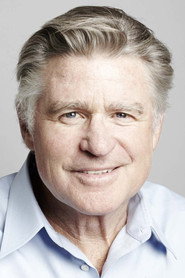 Treat WilliamsCpl. Chuck 'Stretch' Sitarski
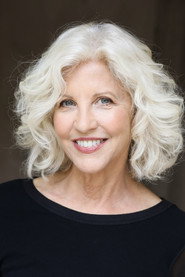 Nancy AllenDonna Stratton
Directing
- Steven SpielbergDirector
- Jerry ZiesmerFirst Assistant Director
- Steve PerryFirst Assistant Director
- Chris SoldoSecond Assistant Director
Writing
- Bob GaleScreenplay
- Robert ZemeckisScreenplay
- Bob GaleStory
- John MiliusStory
- Robert ZemeckisStory
Production
- Sally DennisonCasting
- John MiliusExecutive Producer
- Buzz FeitshansProducer