
Film
Little Murders
A pitch-black comedy about a young New York couple navigating urban chaos, random violence, and societal breakdown in 1970s Manhattan. Directed by Alan Arkin, it's absurdist and deeply uncomfortable, finding dark humour in systems that have utterly collapsed. For viewers who appreciate satire with real teeth and don't need their laughs to feel safe.
Should you watch it?
Watch it if you like black comedy that finds its laughs in urban dread and polite despair, where the jokes land because the characters refuse to panic even as the city falls apart around them.
Skip it if you want a story that builds toward a clear payoff; this one is loose, episodic and deliberately bleak, and its humour can feel more like a shrug than a punchline.
What it asks of you: Runs about 108 minutes and rewards patience, since it lingers on awkward silences and small talk rather than rushing from one event to the next.
Not sure? Find tonight's pick in a minute.
If you liked this
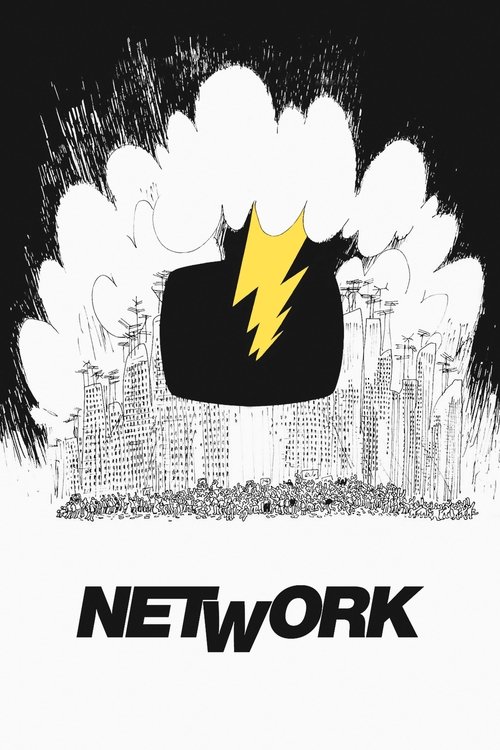
Network1976
A scathing satire of media corruption and public numbness, equally bleak about systems rotting from within. Like Little Murders, it finds gallows humour in institutional decay and escalating madness treated as entertainment.
But The didactic speeches can overwhelm the story, and at 121 minutes it can feel more sermon than narrative. Some find its outrage exhausting rather than cathartic.
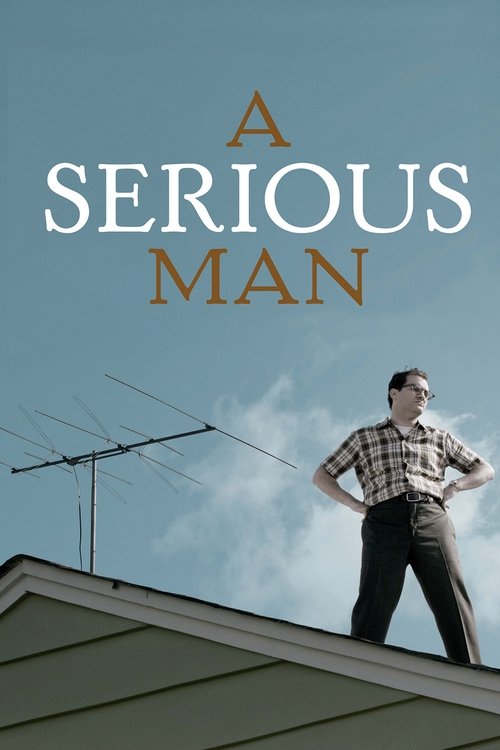
A Serious Man2009
The Coen Brothers' acid comedy about a man's life disintegrating through random catastrophe and bureaucratic indifference. Same DNA: terrible things happen for no reason, and the system offers no recourse, only absurdity.
But The plot is deliberately plotless—things happen and then other worse things happen. If you need resolution or character growth, this will frustrate you.
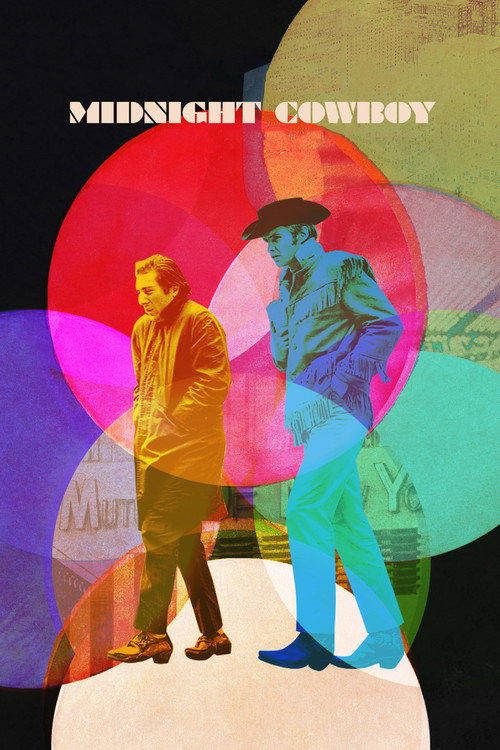
Midnight Cowboy1969
Another portrait of New York's underbelly from the same era, bleaker and more brutal. Shows the same urban nightmare, though played straight rather than as comedy.
But It's genuinely depressing—no laughs to defang it. The exploitation and desperation are presented raw, which some find punishing rather than illuminating.
Not sure tonight? Get a pick in a minute, starting from Little Murders
The wildcard
Something you would not have found on your own.
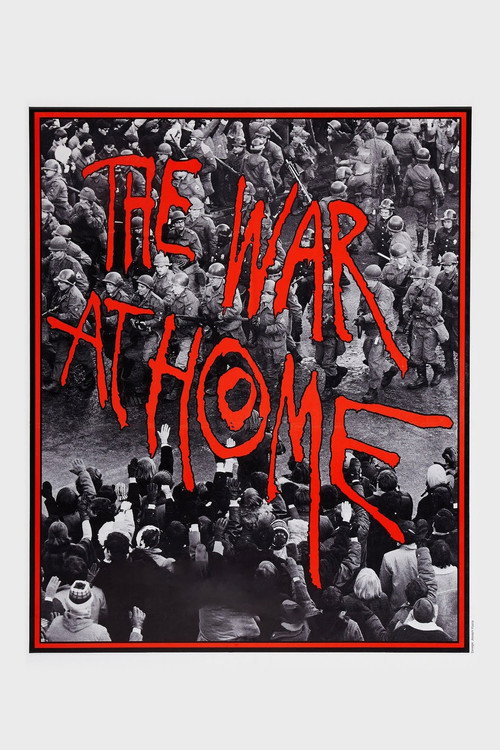
The War at Home1979
Both treat violence and urban breakdown as a visual and psychological condition rather than a plot problem. Where Little Murders fictionalized it, this documentary shows what the source material actually looked like.
A documentary collage of 1960s America—Vietnam, protests, riots, news footage, and home videos assembled without narration into pure sensory and emotional overload. It IS the chaos Little Murders depicts: no frame, no safety, images of violence as ambient noise.
But It's an experimental form with no traditional story. Forty-three minutes of fragmented footage can feel bewildering or, to some, pretentious. Demands active engagement rather than passive viewing.
More like this (8)
The Killing1956
Kubrick's noir about a botched racetrack heist where every character's plan unravels through bad luck and human incompetence. Finds grim humour in futility and misalignment.
But The fragmented structure can feel cold and mechanical. Its cynicism predates the 1970s and hits with less immediate social sting.

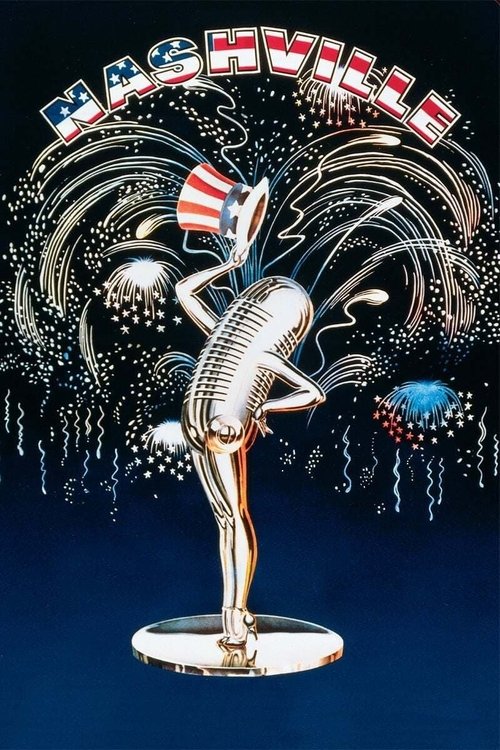
Nashville1975
Altman's sprawling kaleidoscope of American life, satirizing celebrity, politics, and emptiness across multiple storylines. Same dark intelligence about systems in free fall.
But It's 159 minutes of deliberately fragmented narrative. You have to surrender to its rhythm or you'll resent every minute.
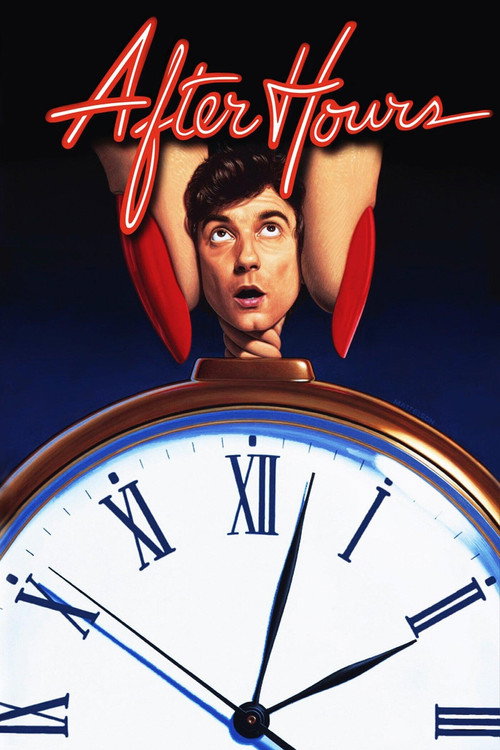
After Hours1985
Scorsese's comedy about a man's night in Manhattan spiralling into surreal nightmare. Shares Little Murders' urban paranoia and the sense that reality has become incomprehensibly hostile.
But It's more a fever dream than a story. Plot coherence is not the point, which frustrates viewers wanting conventional momentum.
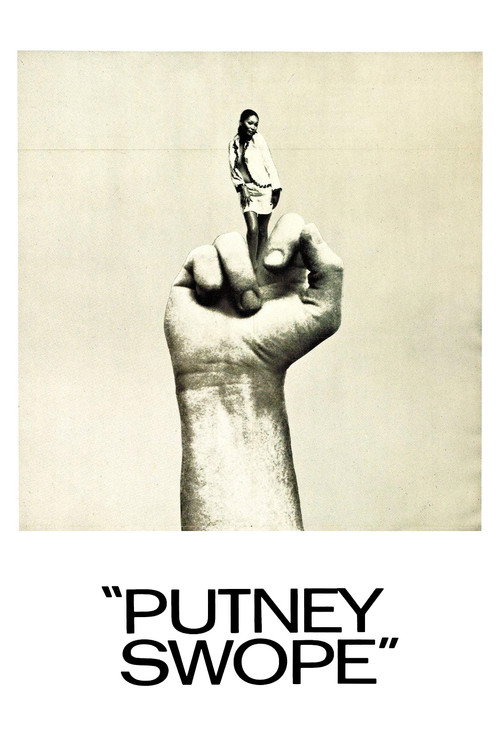
Putney Swope1969
Robert Downey Sr.'s avant-garde satire of advertising and race. Crude, violent, and hilariously wrong in ways that feel prophetic. Same anarchic energy and contempt for institutions.
But It's genuinely ugly and hard to watch at times—the racism is part of the target but delivered raw. The formal experimentation also feels dated and sometimes tedious.
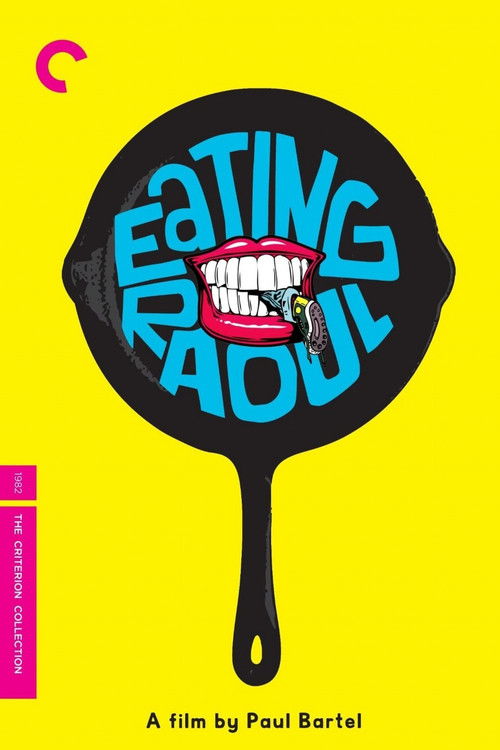
Eating Raoul1982
A couple murders swingers for profit in Los Angeles. Deadpan satire about suburban morality and capitalist logic, grotesque and funny in equal measure.
But The premise relies on shock value, and the execution is low-budget. If you're not on the wavelength immediately, it plays as cheap rather than clever.
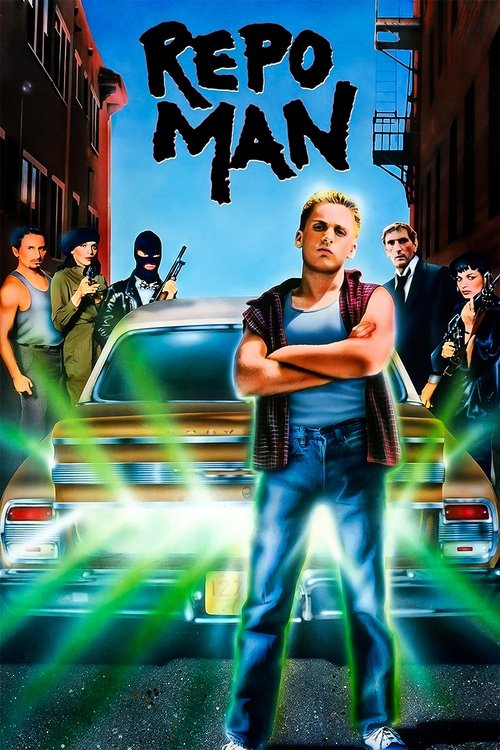
Repo Man1984
A punk-inflected repo driver gets caught in Cold War paranoia and alien conspiracy. Aggressively weird and contemptuous of American culture, with genuine anarchist fury beneath the jokes.
But The plot barely exists and the tone is deliberately alienating. The 1980s punk aesthetic hasn't aged smoothly, and it can feel more posturing than substance.
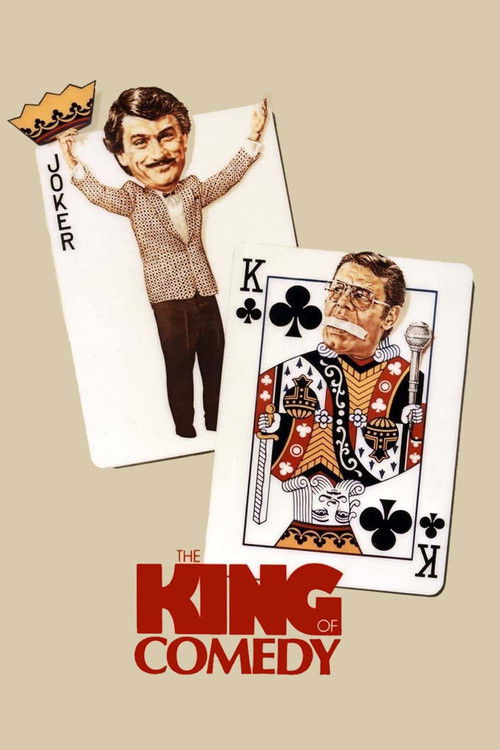
The King of Comedy1982
Both center on a protagonist made psychologically resilient by numbness—unable to feel threat because the world has already broken their capacity for normal response. Comedy emerges from that broken adaptation.
Scorsese and De Niro's comedy-thriller about a delusional stalker pursuing stardom. Plays comedy and horror without distinction, finding cruelty in American ambition. Same refusal to let the audience settle into safety.
But It's hostile. The 'humour' comes from genuine humiliation and mental illness treated as farce. Some find it mean-spirited rather than satirical.
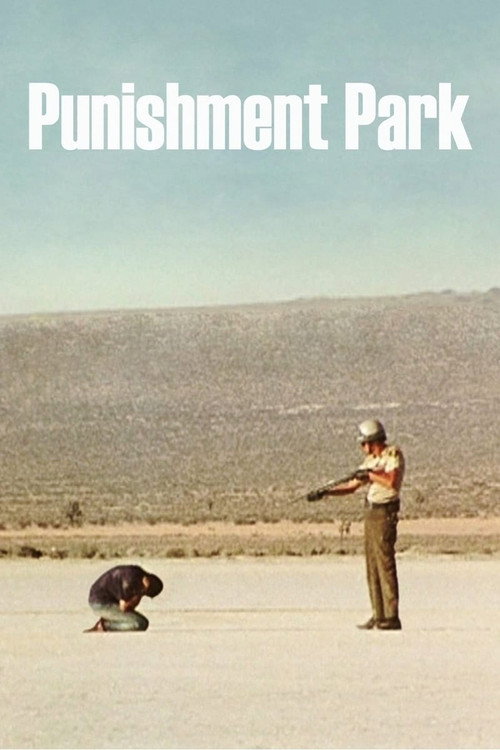
Punishment Park1971
Both capture 1970s paranoia about systemic collapse and State violence as inevitable fact. Little Murders laughs; this one documents the same reality without the mercy of humour.
Peter Watkins' mockumentary about political dissidents hunted for sport in a near-future America. Made the same year as Little Murders but as documentary-realism instead of comedy, it captures identical anxiety about authority, violence, and the State's casual cruelty.
But It's gruelling and angry with no comedic release. The faux-documentary form can feel manipulative, and it asks you to sympathize with characters being deliberately destroyed. Some find it more preachy than moving.
People
Cast
 Elliott GouldAlfred Chamberlain
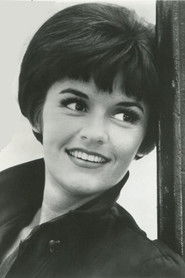 Marcia RoddPatsy Newquist
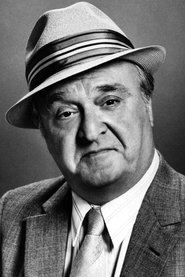 Vincent GardeniaCarol Newquist
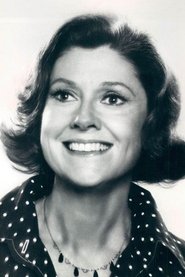 Elizabeth WilsonMarge Newquist
- Jon KorkesKenny Newquist
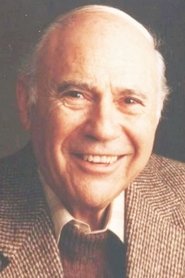 John RandolphMr. Chamberlain
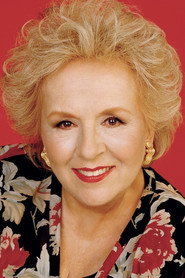 Doris RobertsMrs. Chamberlain
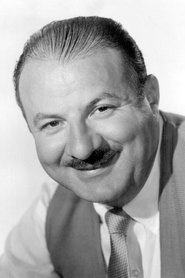 Lou JacobiJudge Stern
 Donald SutherlandRev. Dupas
 Alan ArkinLt. Practice
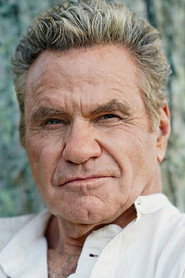 Martin KoveCheckpoint Police Officer (uncredited)
Directing
- Peter R. ScoppaAssistant Director
- Alan ArkinDirector
- Nicholas SgarroScript Supervisor
- Larry Y. AlbucherSecond Assistant Director
Writing
- Jules FeifferScreenplay
- Jules FeifferTheatre Play
Production
- Robert S. CrawfordAccountant
- Thomas De WolfeAccountant
- Burtt HarrisAssociate Producer
- Vic RamosCasting
- Peter A. RunfoloLocation Coordinator
- Elliott GouldProducer
- Jack BrodskyProducer
- Anthony R. PalmieriProduction Assistant
- Pearl LavenbergProduction Secretary
- Burtt HarrisUnit Production Manager