
Film
Shock Treatment
- Parody
- Strange
The Rocky Horror Picture Show's strange cousin: a musical satire about celebrity, television, and the American dream gone rotten. Brad and Janet Majors get entangled in a TV studio that's part game show, part psychiatric hospital, all sinister. It's campy, deliberately artificial, and feels like watching someone's fever dream about 1950s culture. For people who love artifice, theatricality, and the idea that nothing means what it seems.
Should you watch it?
Watch it if you love musicals that treat television, celebrity and small-town respectability as a candy-coloured joke, and you don't mind a story that prefers swagger and sketch-like scenes to tidy plot logic.
Skip it if you need the sharp, quotable charge of its famous predecessor; this one drifts, its satire is rougher, and its jokes land unevenly across a loose, meandering plot.
What it asks of you: It runs 94 minutes and keeps moving through songs and set pieces, so you'll need to go along with its loud, scattered logic rather than follow a steady narrative thread.
Not sure? Find tonight's pick in a minute.
If you liked this
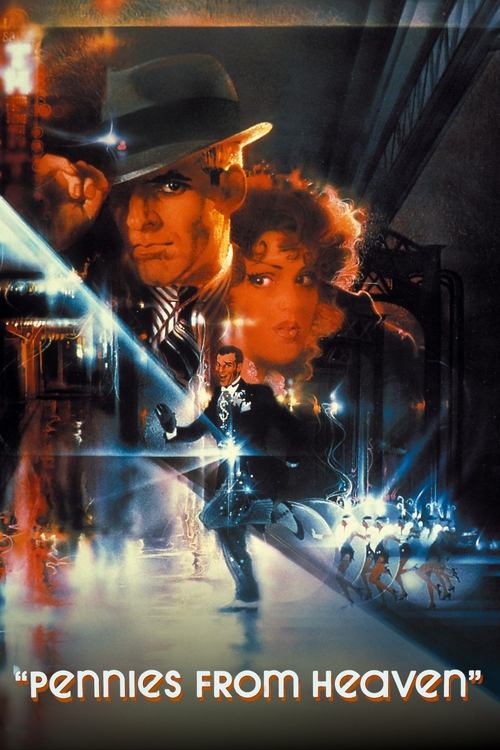
Pennies from Heaven1981
A musical drama that uses song to explore emotional states most films ignore—loneliness, desire, shame. Like Shock Treatment, it treats the artifice of performance as a mirror to real pain. Utterly committed to its weird tonal mix.
But Bleak and sexually explicit in ways that feel deliberate and uncomfortable. The fantasy sequences can jar against the grim 1930s setting. Demands patience.
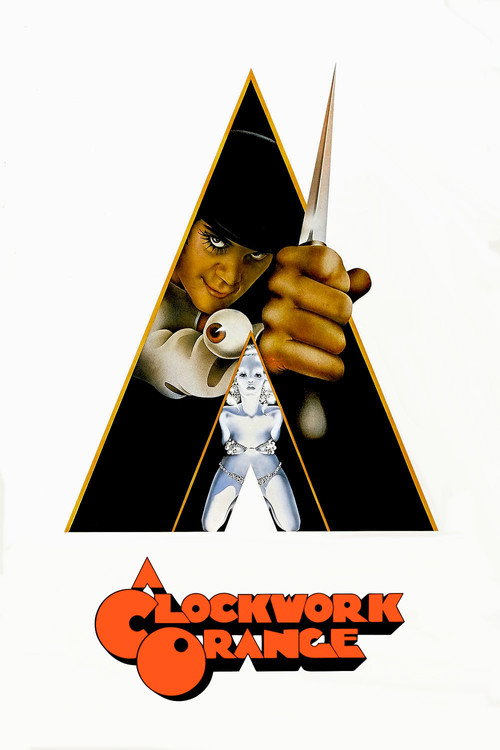
A Clockwork Orange1971
Both are gleefully artificial, aggressively formal films that use style as statement. Kubrick's dystopia and Sharman's Denton both make you feel the uncanniness of the world through design. Fearless about being unlikeable.
But Extremely violent and rapey in the first act. The satire can feel cold rather than funny. Not a film you 'enjoy' so much as survive.
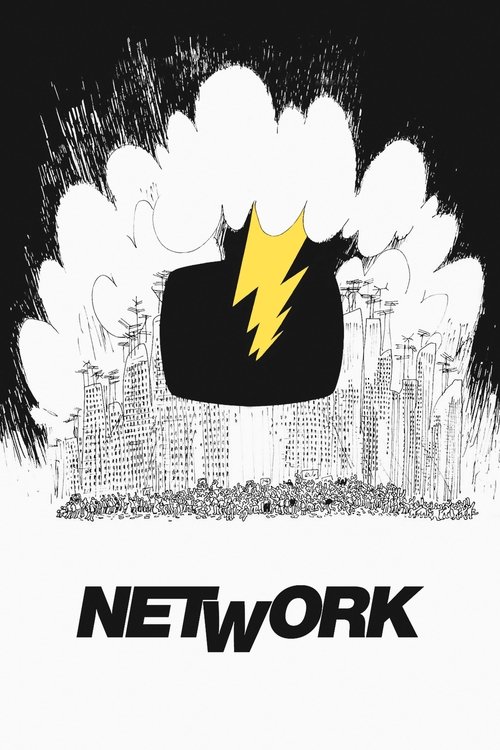
Network1976
A savage satire about television eating culture and selling it back to us. The tone matches Shock Treatment's sense that entertainment is fundamentally corrupt. Funny, outrageous, and it means every word of its rage.
But Didactic to the point of speechifying. The famous monologues can feel preachy. It's sometimes more interested in being right than being dramatic.
Not sure tonight? Get a pick in a minute, starting from Shock Treatment
The wildcard
Something you would not have found on your own.
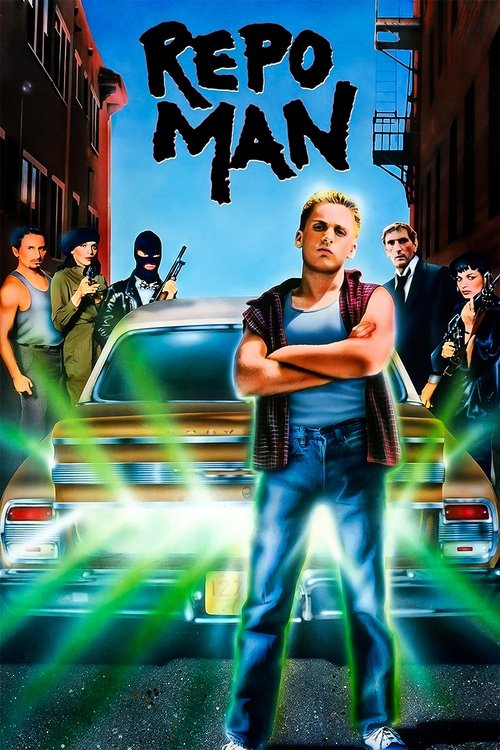
Repo Man1984
Both use the visual language of commercial culture—TV aesthetics, product placement, the grammar of advertising—as the vehicle for social critique. Both refuse to separate the medium from the message.
A punk sci-fi comedy about consumption, identity, and the American obsession with stuff. Like Shock Treatment, it's formally weird, deeply satirical, and uses its artificial style to make a point about reality. Alex Cox made a film that looks like Dada but moves like a thriller.
But The plot dissolves into abstraction in the final act. Some see it as a masterpiece, others as deliberately opaque nonsense. The budget constraints are visible and some find that charming, others cheap.
More like this (8)
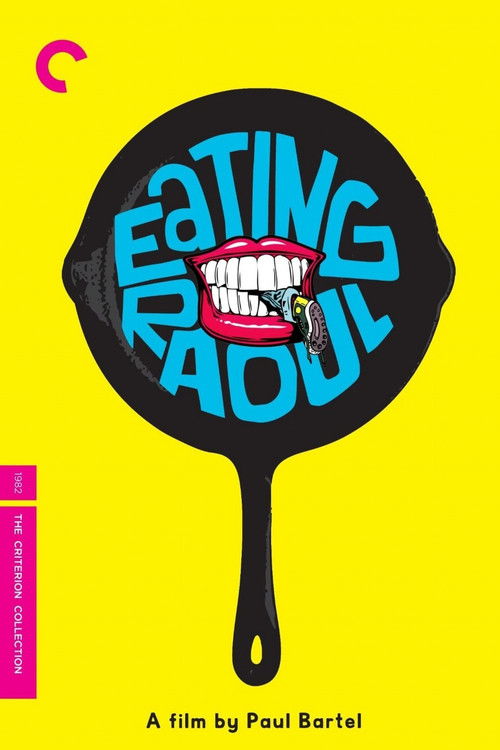
Eating Raoul1982
A deadpan horror-comedy about suburban normalcy hiding something genuinely twisted. Like Shock Treatment, it finds the grotesquerie in American middle-class life and treats it as comedy without losing the edge.
But The tonal balance is tricky—some will find it too silly to be unsettling, others too grim to be funny. Limited budget shows. Not everyone's cup of poison.
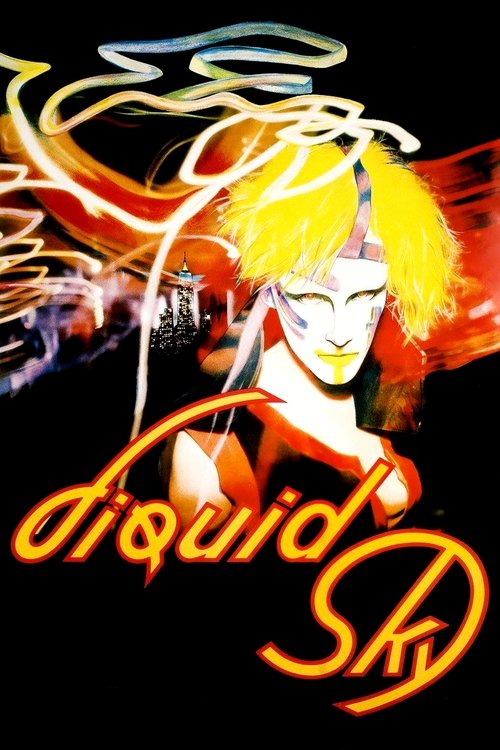
Liquid Sky1982
A Low-budget sci-fi punk masterpiece about alienation and intoxication. Shot entirely in New York apartments, it has Shock Treatment's sense of unreality and artifice despite (or because of) its threadbare production. Genuinely strange.
But Incomprehensible without subtitles and effort. The sound design is deliberately disorienting. Glacially paced by conventional standards. Feels like homework.
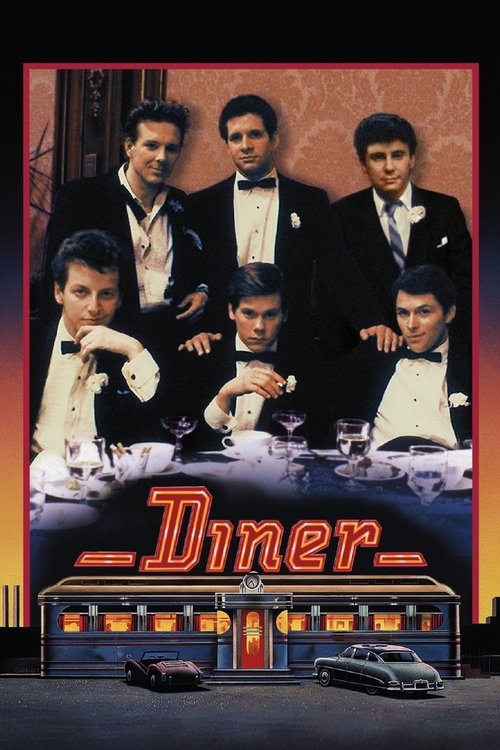
Diner1982
While softer than Shock Treatment, it shares an obsession with performance and identity. A group of men perform versions of themselves for each other in a late-night diner. Funny, warm, and quietly about artifice.
But Meandering structure with no real plot. Dialogue-heavy and male-focused. Can feel indulgent if you're not in the mood for hanging out with these particular guys.
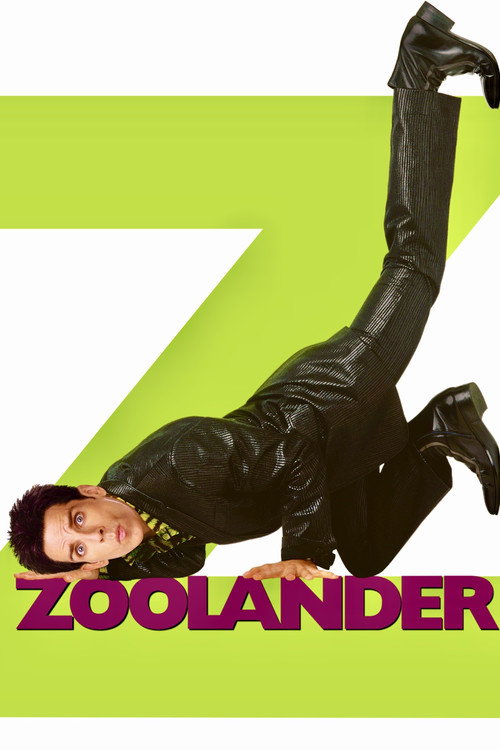
Zoolander2001
A comedy that uses absurdity and surface-level spectacle to critique fashion and consumer culture. It has Shock Treatment's commitment to the bit—nothing is played straight, everything is in on the joke.
But Relies heavily on being quotable and repeatable. The satirical targets are soft. If you're not synced to the comedy wavelength early, it stays annoying throughout.
Singin' in the Rain1952
The DNA of all musical satire about showbusiness. It knows that the machinery of entertainment is absurd and artificial, and it delights in exposing it while celebrating it anyway. Pure joy and pure artifice at once.
But It's a product of its era—some of the humor feels dated. The gender dynamics are old-fashioned. If you want your satire pointed and contemporary, this is too content to entertain.

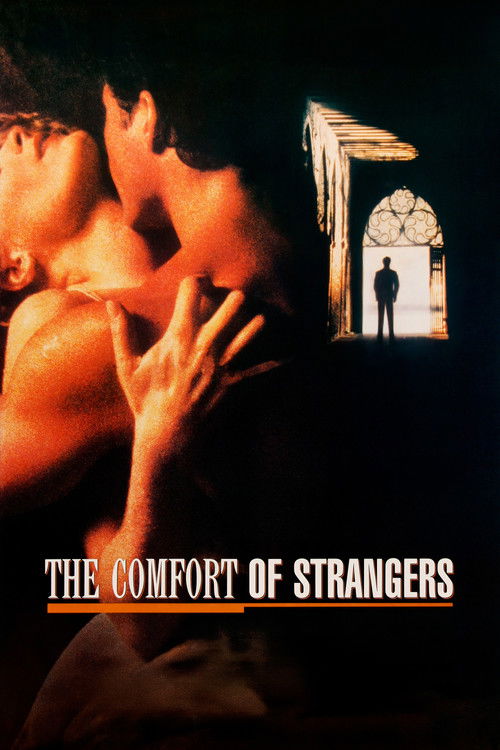
The Comfort of Strangers1990
An unsettling meditation on performance and desire. Two couples meet in Venice and the social performance starts to fray in disturbing ways. Slow, stylized, and it trusts you to feel the wrongness.
But Glacial pacing and minimal plot. The ending is bleak and offers no catharsis. Some will find it pretentious; others will think nothing happens.
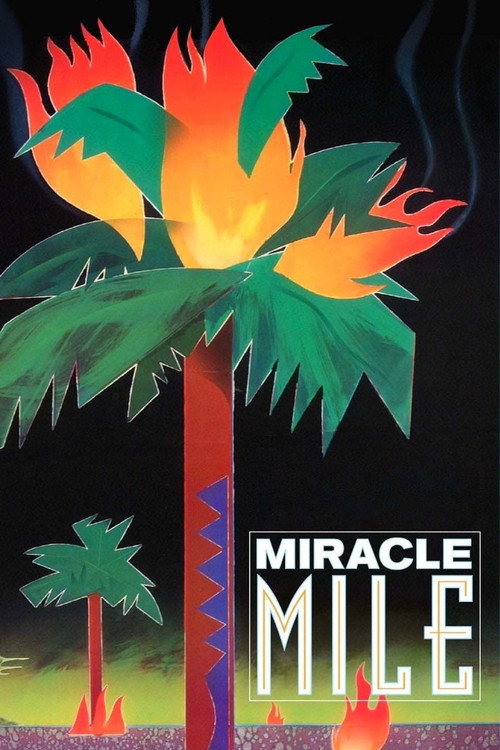
Miracle Mile1989
Both films take the machinery of American popular entertainment—the game show, the romance, the happy ending—and warp it by introducing something true and terrible underneath. Both ask: what if the artifice cracked?
An ordinary romantic comedy that pivots into existential dread. A man receives a phone call warning of nuclear war and spends the night trying to flee with a woman he just met. It's funny, it's terrifying, it's real despite the artifice of the setup.
But The tonal shift from rom-com to apocalypse is jarring. The ending offers no comfort. Some find it a narrative trick; others find it genuinely traumatizing.
Mulholland Drive2001
Both center on a couple and Hollywood/show business as a predatory system. Both use stylization and performance as the subject, not the window. Both suggest that in America's entertainment machine, there is no authentic self underneath—only roles within roles.
Lynch's Hollywood nightmare: a film about performance, desire, and the crushing machinery of show business. It uses dream logic and extreme artifice to explore what happens when fantasy collides with reality. Hypnotic and heartbreaking.
But The narrative structure is deliberately fractured. The second half contradicts the first. If you need plot to cohere, this will feel like a betrayal. Some find it brilliant; others find it self-indulgent.

People
Cast
 Jessica HarperJanet Majors
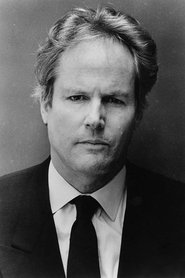 Cliff DeYoungBrad Majors / Farley Flavors
 Richard O'BrienDr. Cosmo McKinley / Kitchenware Announcer (voice)
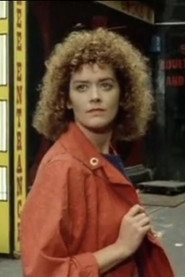 Patricia QuinnDr. Nation McKinley
 Charles GrayJudge Oliver Wright
 Ruby WaxBetty Hapschatt
 Nell CampbellNurse Ansalong
 Rik Mayall'Rest Home' Ricky
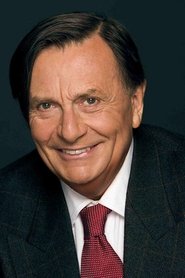 Barry HumphriesBert Schnick
- Darlene JohnsonEmily Weiss
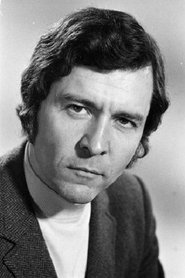 Manning RedwoodHarry Weiss
- Wendy RaebeckMacy Struthers
Directing
- Alison ThorneContinuity
- Jim SharmanDirector
- Roger SimonsFirst Assistant Director
- Michael MurraySecond Assistant Director
- Chris BrockThird Assistant Director
Writing
- Richard O'BrienLyricist
- Jim SharmanScreenplay
- Richard O'BrienScreenplay
Production
- Ray ParsonsAssistant Accountant
- Debbie McWilliamsCasting
- Ellen ChenowethCasting
- Lou AdlerExecutive Producer
- Michael WhiteExecutive Producer
- John GoldstoneProducer
- Ruth BourchierProducer's Assistant
- Tim Vaughan-HughesProducer's Assistant
- Andy BirminghamProduction Accountant
- Marilyn ClarkeProduction Coordinator
- John ComfortProduction Supervisor
- Ann TaskerPublicist
Recommended by
Forbidden Zone, The Apple, Asylum, Absolute Beginners, Skate Witches