
Film
La Belle Époque
A 60-year-old man pays to relive the week he met his first love, forty years later. Gentle, wistful, and wry about memory itself—the gap between how we remember desire and what actually happened. For anyone who's wondered whether the past is better because it was real or because we've forgotten the boring parts.
Should you watch it?
Watch it if you enjoy wry, talky comedies about ageing and nostalgia, where the wit sits on top of a real ache and the staging of a rebuilt past is part of the joke.
Skip it if you want a brisk plot with fast turns; it is talky, sometimes meandering, and happier to linger on mood than to move briskly.
What it asks of you: Nearly two hours of talky, dialogue-led scenes that hold their characters at arm's length before warming up; the mood swings between bittersweet and playful.
Not sure? Find tonight's pick in a minute.
If you liked this
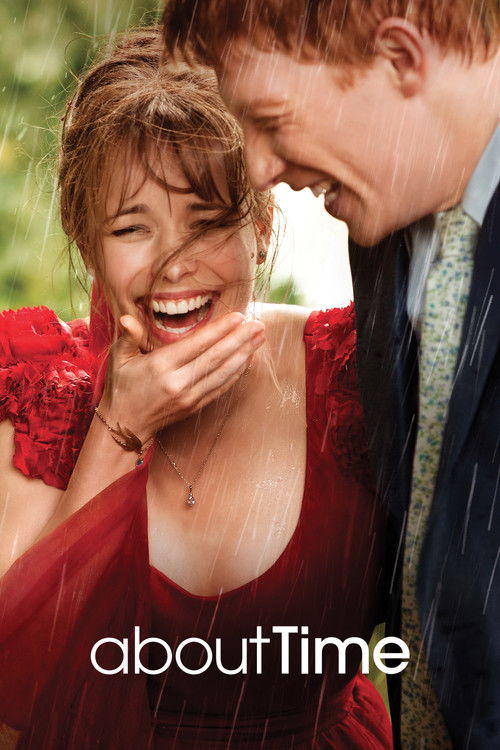
About Time2013
A father and son discover time travel, but the film is really about mortality, regret, and whether we waste the present obsessing over what came before. That exact emotional heartbeat lives here too.
But It's sentimental in ways that can feel calculated, and its emotional beats are signposted from miles away.
The Pursuit of Love2021
A couple's entire relationship—romance, marriage, disillusionment—compressed into sharp, witty episodes. Both films love examining what love looks like when you stop pretending and start remembering truthfully.
But The pacing is deliberately fragmented, and the tone jumps between comedy and genuine sadness in ways some find jarring.

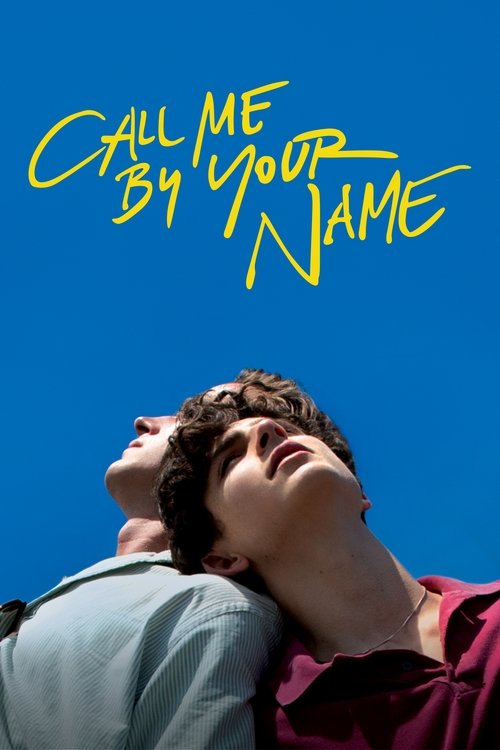
Call Me by Your Name2017
A summer romance viewed through the lens of decades of longing and regret. Like *La Belle Époque*, it's obsessed with how desire transforms in memory—how we mythologize the people we loved.
But The pacing is languid to the point of stasis, and if you're not patient with sensory detail over plot, it'll test you.
Not sure tonight? Get a pick in a minute, starting from La Belle Époque
The wildcard
Something you would not have found on your own.
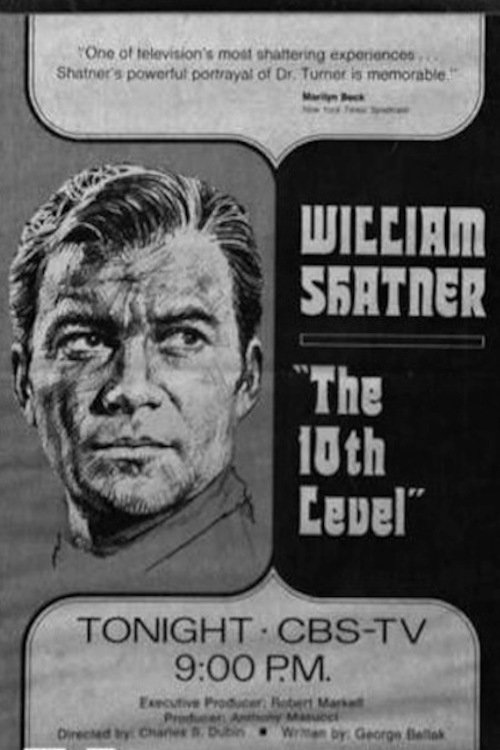
The Tenth Level1976
Both films pit memory and self-image against reality, asking whether our versions of ourselves can survive collision with truth. *The Tenth Level* answers 'no' with icy precision.
A TV movie about the Milgram obedience experiments, featuring William Shatner and John Travolta. It shares the same interest in the gap between who we think we are and who we actually become under pressure—but it weaponizes that insight into something genuinely unsettling.
But It's a 1975 TV production with all the attendant limitations, and watching people be cruel (even in an experiment) for two hours is purposefully uncomfortable.
More like this (8)
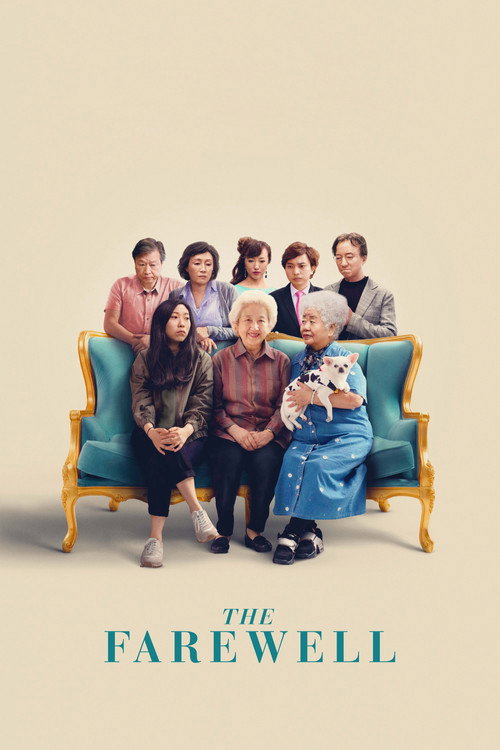
The Farewell2019
Comedy and melancholy sitting side by side, examining what we owe to people we love and whether honesty or kindness matters more. Same tonal dexterity, same generosity toward flawed people.
But It's quieter than you might expect from the premise, and some of the humour is culturally specific in ways that require you to lean in.
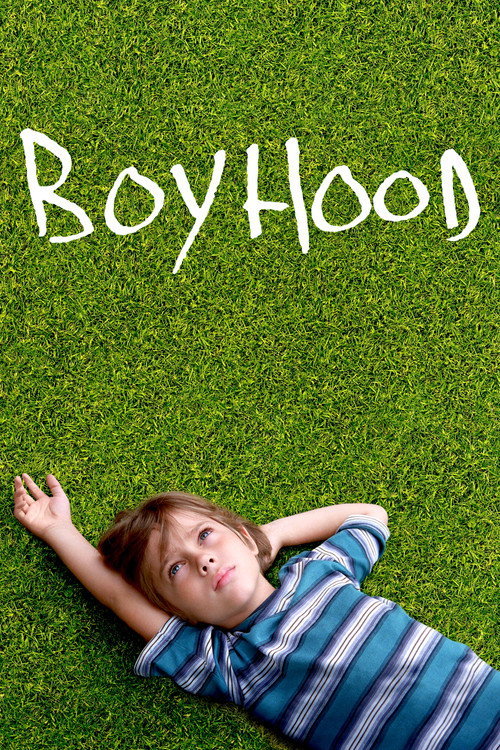
Boyhood2014
A twelve-year chronicle of a life, watching someone age from boyhood to manhood. Like this film, it's interested in how time actually feels—not dramatic, mostly small, sometimes you only notice it's passed in hindsight.
But Its slowness is the entire point, which means it asks a lot of patience, and the payoff is emotional rather than narrative.
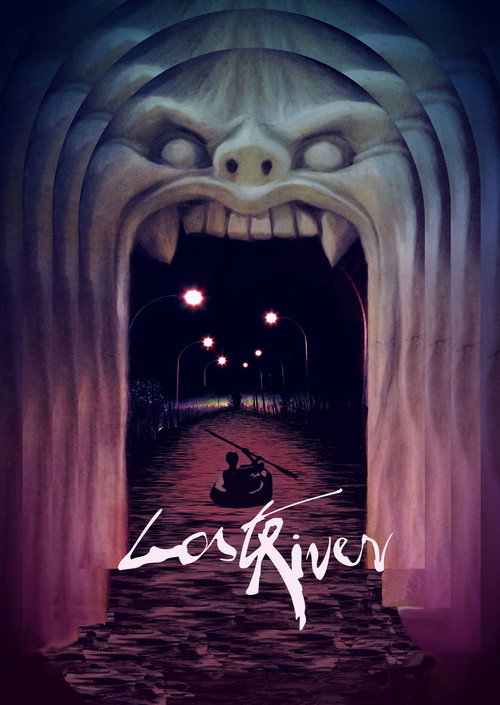
Lost River2015
A man tries to reclaim something lost—his home, his past, his dignity. Both films understand the danger of wanting to go back, and the gap between nostalgia and reality.
But It's grim and visually abstract in ways that can feel wilfully obscure, and the story resists clarity.
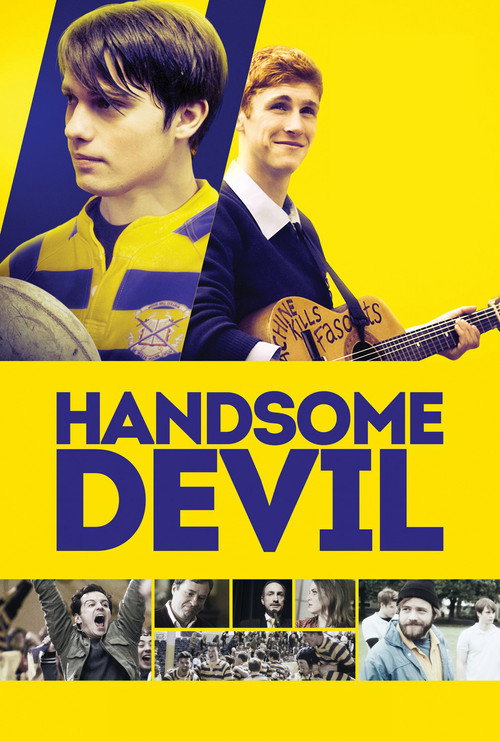
Handsome Devil2017
Two men form an unexpected bond, and the film examines desire, identity, and the stories we tell ourselves about who we are. Same interest in memory and self-deception, lighter touch.
But It's a smaller film that trades on charm, and if you find the tone cloying, there's not much else underneath to hold you.
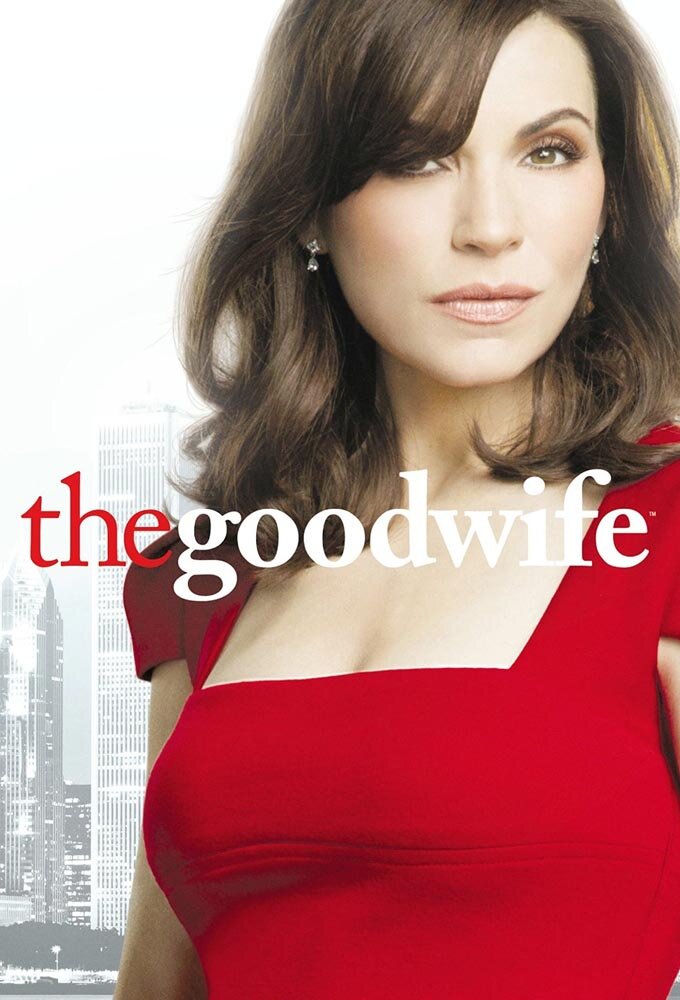
The Good Wife2009
A marriage implodes in the pilot and never quite recovers. Like this film, it's fascinated by the gap between what people say they want and what they actually do, and how love survives (or doesn't) that gap.
But It's long, procedural in parts, and some seasons feel like they're marking time. The earlier ones are strongest.
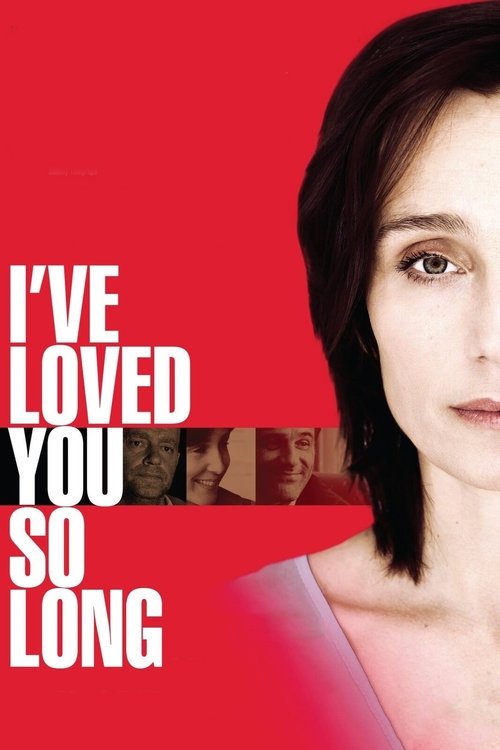
I've Loved You So Long2008
Two sisters navigate years of absence and regret. Quiet, observant, interested in how we fail the people we love and whether we can repair it. Kristin Scott Thomas is extraordinary.
But It unfolds at its own pace with minimal plot, and the emotional beats are understated to the point of invisible if you're not fully present.
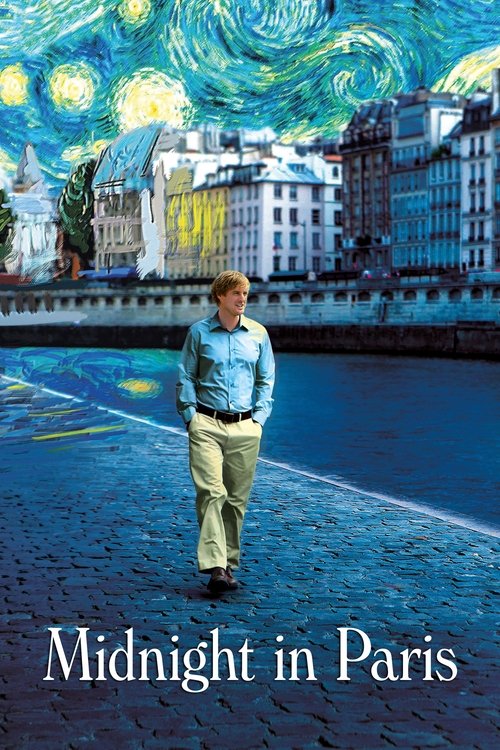
Midnight in Paris2011
Identical structural idea—a man wants to return to a golden moment—but *Midnight in Paris* believes in the magic while *La Belle Époque* is quietly skeptical about whether any of it was ever real.
A writer fantasizes about the 1920s until he gets to live in it, and discovers the past is as messy and disappointing as the present. Woody Allen doing the exact same premise—wanting to go back—but with a Parisian glow and a crucial twist.
But Allen's neurotic voice can wear thin, and the film relies on nostalgia being charming rather than dangerous. It's the optimistic version of this story.
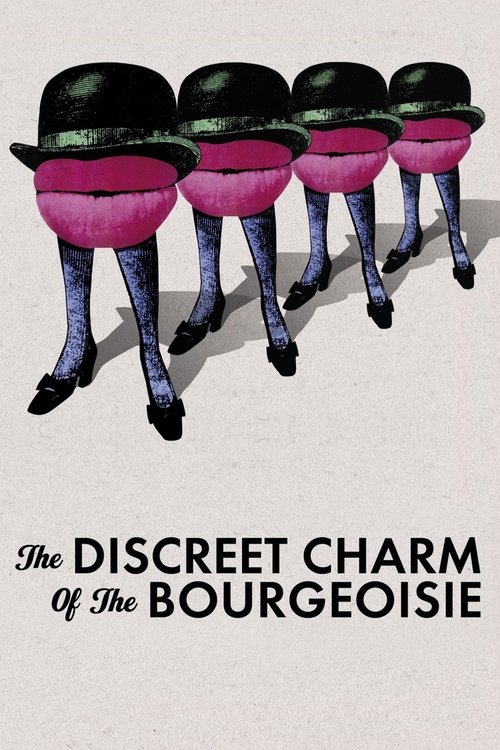
The Discreet Charm of the Bourgeoisie1972
Both films are comedies about aging men realizing their desires are elaborate fictions, but Buñuel goes baroque and fractured where this film stays grounded and melancholic. The gap between wanting and having is the entire point of both.
Six people repeatedly try to have dinner together and fail, repeatedly, interrupted by dreams, politics, and the small chaos of living. Buñuel's surreal masterpiece about ritual, desire, and the unbridgeable gap between what we want and what we get. Hilarious and strange.
But It's a 1972 surrealist film with no conventional plot—just repetition and digression. If you need narrative momentum, it will infuriate you.
People
Cast
 Daniel AuteuilVictor Drumond
 Guillaume CanetAntoine
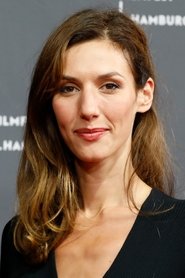 Doria TillierMargot
 Fanny ArdantMarianne Drumond
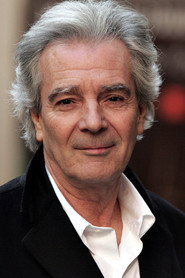 Pierre ArditiPierre
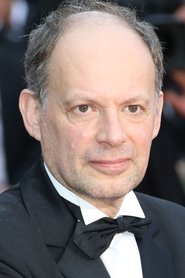 Denis PodalydèsFrançois
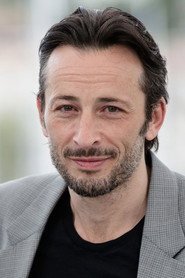 Michaël CohenMaxime Drumond
 Jeanne ArènesAmélie
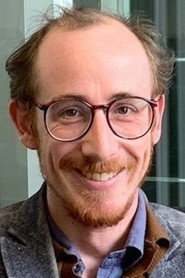 Bertrand PoncetAdrien
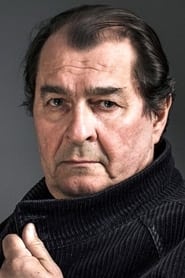 Bruno RaffaelliMaurice / Yvon / Hemingway
 Lizzie BrocheréGisèle / Margot's girlfriend
 Thomas ScimecaFreddy / Hans Axel Von Fersen
Directing
- Nicolas BedosDirector
- Daniel DittmannFirst Assistant Director
Writing
- Nicolas BedosWriter
Production
- Emmanuelle PrévostCasting
- François FontèsCo-Producer
- René KrausCo-Producer
- Adrian PolitowskiExecutive Producer
- Ardavan SafaeeProducer
- Beata SaboovaProducer
- Denis Pineau-ValencienneProducer
- François KrausProducer
- Marie de CenivalProducer
- Sylvain MonodProduction Manager