
Film
Windigo
Windigo dramatizes the 1990 Oka Crisis through the eyes of a skeptical journalist. A Québécois film rooted in real events, it's a thinking-person's political drama about impossible positions, media complicity, and the cost of being caught between conviction and compromise. Quietly intelligent, character-driven, for viewers interested in how colonial tensions actually play out.
If you liked this
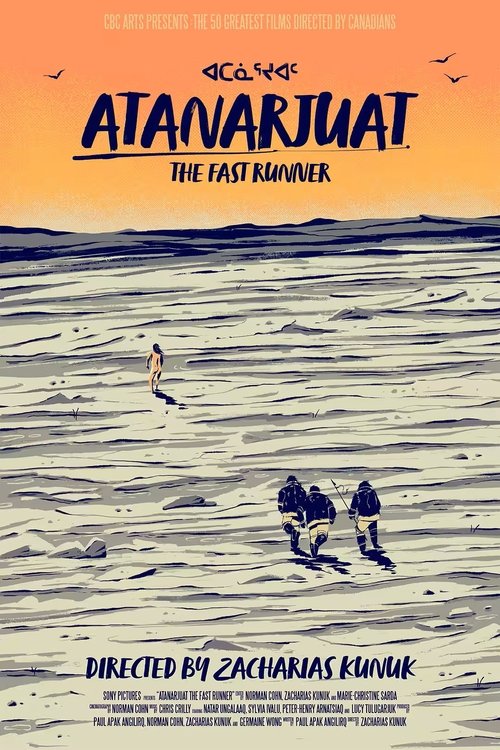
Atanarjuat: The Fast Runner2002
A Inuit filmmaker's masterwork about power, desire, and survival in traditional Arctic society. Authentically cast and shot, it's patient, visually stunning, and feels like watching history come alive on screen.
But It's nearly three hours, dialogue-heavy with subtitles, and refuses conventional dramatic pacing. The slowness is deliberate, but it demands your full attention.
Chungking Express1994
Wong Kar-wai's luminous Hong Kong poem about loneliness and chance. Visually ravishing, full of melancholy beauty, it captures the feeling of missing someone you haven't met yet. Pure cinema.
But There's almost no plot. The film floats on mood and image rather than story, which frustrates viewers looking for conventional dramaturgy.

Z1969
Costa-Gavras' urgent political thriller about suppression and truth. It moves like lightning, uses technique brilliantly to expose injustice, and remains the gold standard for how cinema can function as witness.
But The pacing is relentless and the violence abrupt. Its anger doesn't leave room for reflection; it's designed to provoke, not soothe.
Not sure tonight? Get a pick in a minute, starting from Windigo
The wildcard
Something you would not have found on your own.
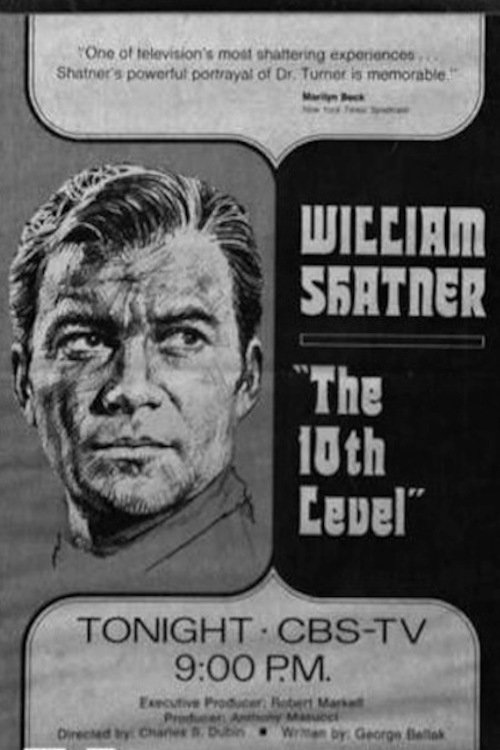
The Tenth Level1976
Both are about how individuals get trapped in systems larger than themselves—the difference between personal conviction and institutional pressure, and the media's role in shaping how we see moral crises.
A made-for-TV drama about Stanley Milgram's obedience experiments. It's a rare historical piece that captures how ordinary people become complicit in systems they don't fully understand. Deeply relevant to how power works.
But It's a 1970s TV production, so the production values feel dated. The pacing is deliberate, not dramatic. And it focuses on the social psychology rather than narrative excitement.
More like this (7)
Come and See1985
Elem Klimov's devastating Soviet anti-war masterpiece. Shot with hallucinatory intensity, it follows a young boy's encounter with the Eastern Front. Necessary, uncompromising, unforgettable art about the cost of conflict.
But It's relentlessly brutal and graphic. This is not entertainment; it's an ordeal designed to change how you see war.

Stalker1979
Andrei Tarkovsky's philosophical science-fiction meditation on desire, faith, and what we truly want. Hypnotic, formally perfect, it asks profound questions without hurrying to answer them.
But It's nearly three hours of slow, meditative cinema with minimal plot. Impatient viewers will find it glacial and opaque.

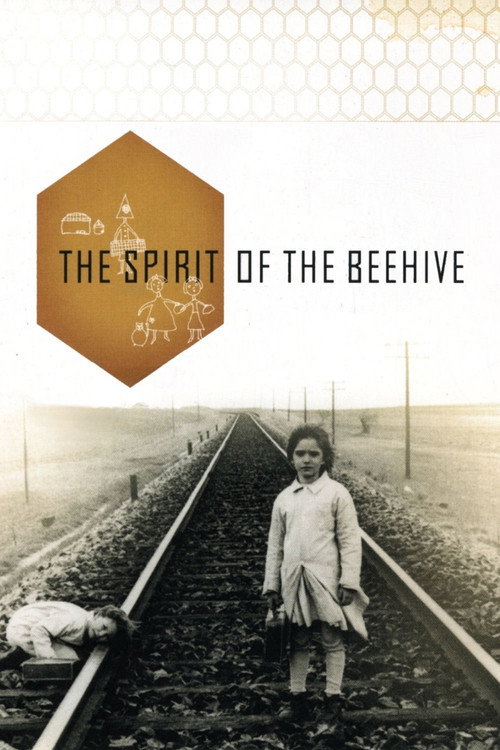
The Spirit of the Beehive1973
Víctor Erice's haunting portrait of Franco-era Spain through a child's eyes. It's quiet, poetic, and uses cinema's visual language in ways that feel like memory itself. A masterpiece of restraint.
But Almost nothing happens in conventional terms. The film is about atmosphere and emotion, not events. Requires patience and surrender.
A Prophet2009
Jacques Audiard's riveting prison drama about survival, identity, and complicity. Visceral and intelligent, it's propulsive storytelling matched with real moral complexity. A thriller that also asks hard questions.
But The French prison setting and criminal-underworld politics might feel distant. It's darker and more morally ambiguous than most thrillers.

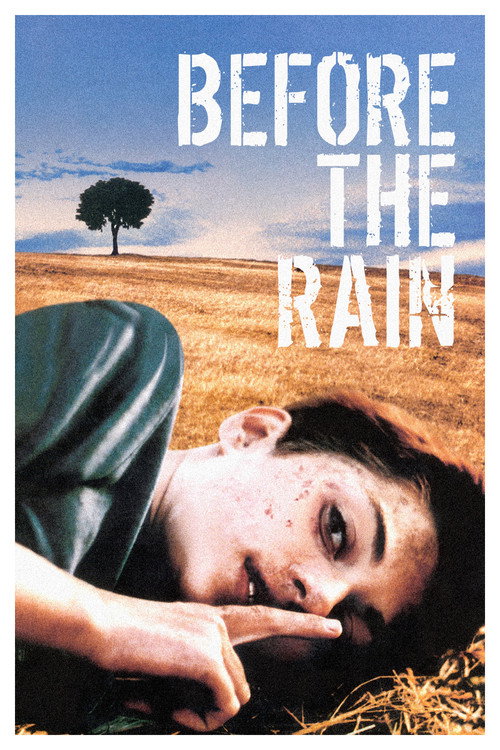
Before the Rain1994
Milcho Manchevski's Macedonian masterpiece about nationalism, violence, and the circularity of ethnic conflict. Three interconnected stories, formally inventive, shot with luminous precision. Urgent and beautiful.
But The non-linear structure requires active attention, and the subject matter—ethnic cleansing—is heavy. It offers no easy comfort.
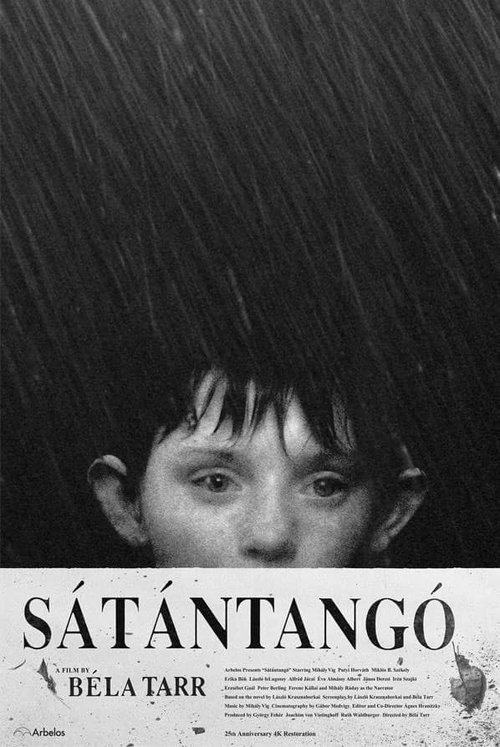
Satantango1994
Both examine how communities rationalize what they want to believe, and how the presence of documentation or witness (the journalist, the film crew) changes the nature of truth itself.
Béla Tarr's Hungarian masterpiece about a small community's moral collapse and delusion. Nearly eight hours of black-and-white cinema about how people lie to themselves. A challenge that rewards absolute commitment.
But It's extremely long, black-and-white, slow, and offers no catharsis or conventional resolution. Watching it is like attending a séance, not a movie.
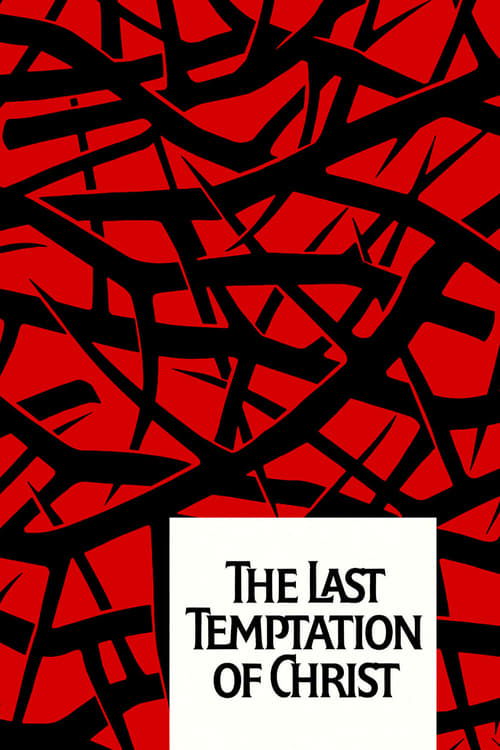
The Last Temptation of Christ1988
Both films are about individuals forced to choose between their principles and the machinery surrounding them—government, media, belief—and the isolation that choice creates.
Scorsese's controversial, interior film about doubt and moral choice. It treats faith as struggle rather than certainty, asks hard questions about human weakness, and is formally adventurous in its refusal of easy answers.
But For many, its theological argument is offensive or blasphemous. It's also deliberately unsexy, unglamorous, and designed to unsettle rather than inspire in traditional ways.
People
Cast
- Donald MorinEddy Laroche
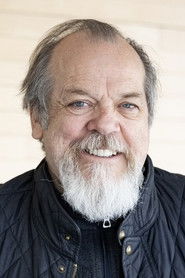 Guy NadonJean Fontaine
 Nathalie CoupalChristine Bastien
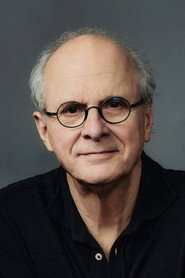 Michel LaperrièreYves St-Hilaire
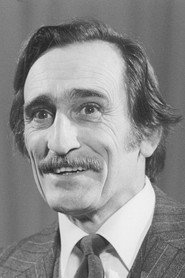 Yvon LerouxRogatien Côté
- Richard KistabishConrad Volant
 Paul BervalOdilas (Dilas) Paquette
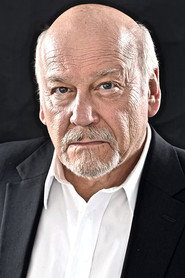 Serge HoudeFreddy Hook
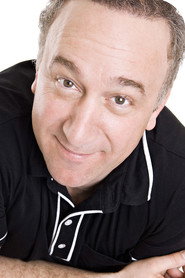 Hugo DubéAgent à l'embuscade
Directing
- Robert MorinDirector
Writing
- Joseph ConradNovel
- Robert MorinScreenplay
Production
- Nicole RobertProducer