
Film
Pressure Point
Pressure Point is a 1962 psychiatric drama built almost entirely around a single interrogation room. Sidney Poitier plays a Black prison psychiatrist treating a disturbed Nazi-sympathizing inmate (Bobby Darin). It's a chamber piece about power, prejudice, and the possibility of reaching someone across an impossible gulf. Tense, claustrophobic, and morally unresolved.
Should you watch it?
Watch it if you like slow, talky two-hander dramas where the real action is a man slowly letting his guard slip, and you enjoy the chess-like pressure of a conversation that refuses to be easy.
Skip it if you want brisk plotting or a film that moves on its own; this is a tight, stagey, dialogue-driven piece in black and white, and its racial and political hostility can feel blunt at times.
What it asks of you: About ninety minutes of close attention to two men talking in a single confined setting, with long pauses and few escapes from the room, the mood severe and mostly unsmiling.
Not sure? Find tonight's pick in a minute.
If you liked this
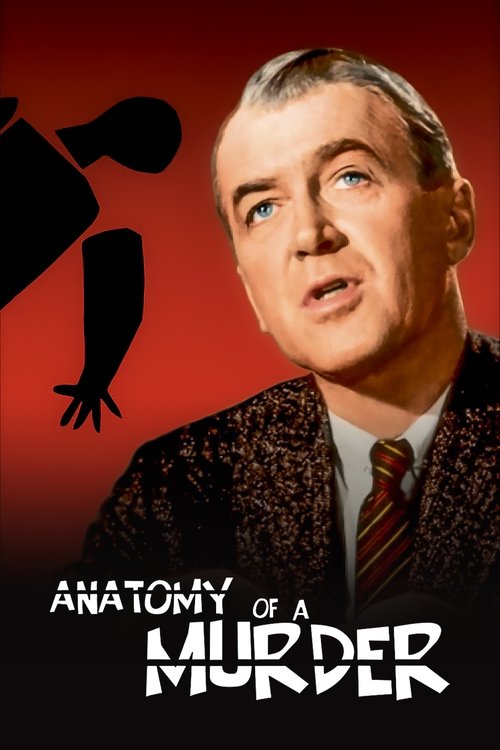
Anatomy of a Murder1959
A courtroom procedural that treats its subject matter—sexual violence—with unusual seriousness and moral complexity. Like Pressure Point, it refuses easy answers and respects the audience's intelligence.
But It's long, legalistic, and deliberately slow. The pacing can feel airless if you're looking for momentum rather than texture.
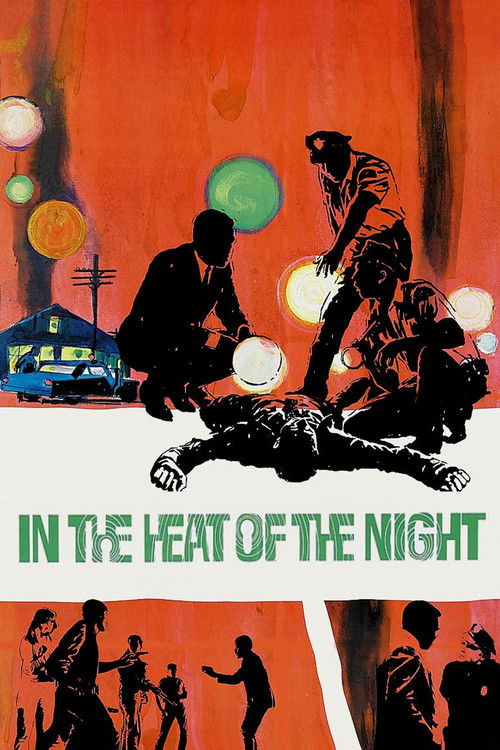
In the Heat of the Night1967
Sidney Poitier leads a murder mystery set in the segregated South. It's about intelligence and dignity under pressure, and Poitier's performance carries the film's moral weight without preaching.
But It's a product-of-its-time thriller whose social commentary can feel a touch didactic to modern viewers accustomed to subtler handling.
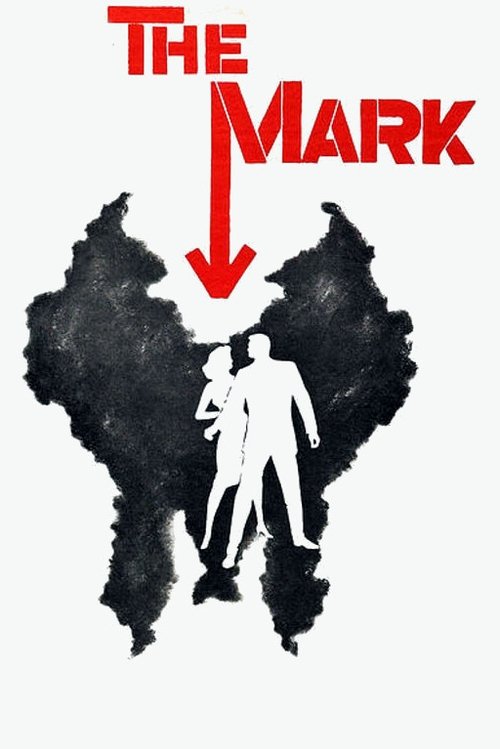
The Mark1961
A study of rehabilitation and stigma: a man released after psychiatric treatment struggles to rebuild his life. Psychologically penetrating and genuinely unsettling, with strong performances.
But The subject matter is difficult. It's also poorly paced in places and occasionally drifts into melodrama.
Not sure tonight? Get a pick in a minute, starting from Pressure Point
The wildcard
Something you would not have found on your own.
Rope1948
Both films trap a psychiatrist/morally aware figure with a younger man whose worldview is fundamentally corrupted. Both use the interrogation as the engine of the entire narrative. Both are about the impossibility of redemption through conversation alone.
Hitchcock's radical experiment: a whole film in real time, confined to a single apartment, built on moral interrogation rather than action. Two men have committed murder; a dinner party becomes psychological warfare with a guest who suspects the truth.
But The technical conceit overwhelms the drama in places. It's claustrophobic by design, which can feel airless rather than thrilling.

More like this (8)
The Silence of the Lambs1991
An FBI agent must work with an imprisoned cannibal psychiatrist to catch a serial killer. It has Pressure Point's intensity and confinement, but with psychological warfare at its core.
But It's intensely violent and graphic in ways that don't age particularly well. Also wildly famous, so no discovery here.

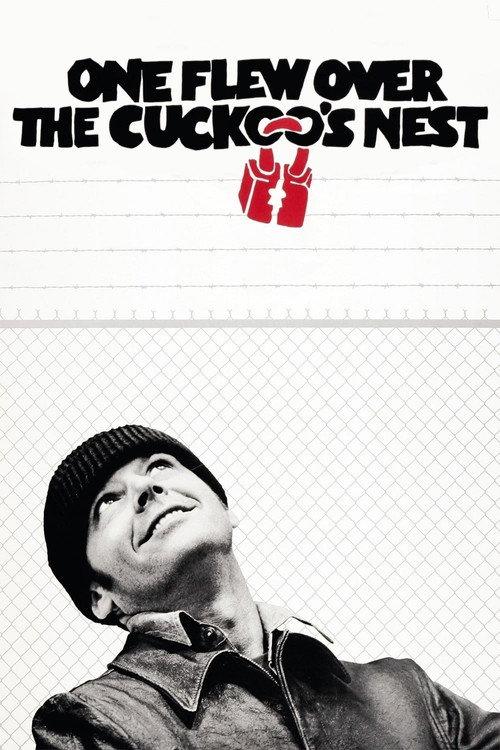
One Flew Over the Cuckoo's Nest1975
A charismatic man imprisoned in a psychiatric ward defies the system through charm and rebellion. Darkly funny, fiercely acted, and structurally a masterclass.
But It's become somewhat of a cult text and its anti-authority message feels familiar now. Also longer than you might expect.
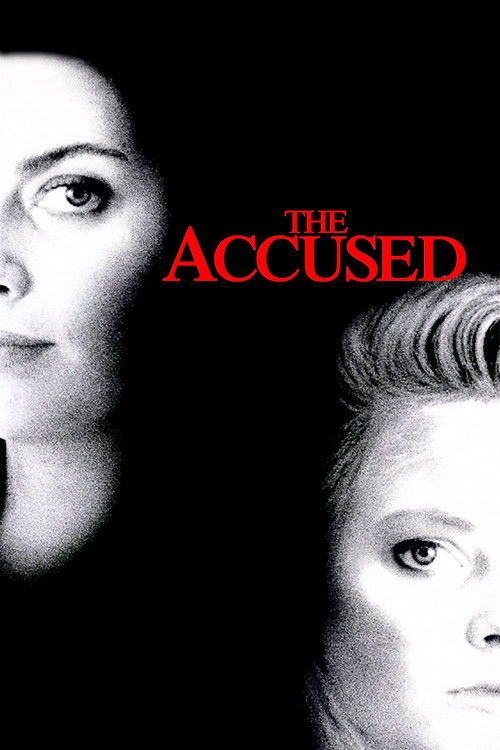
The Accused1988
Jodie Foster gives a devastating performance as a woman fighting for justice after sexual assault. It's about power, testimony, and being heard—thematically kinship with Pressure Point's interrogation.
But The courtroom scenes are repetitive and the dialogue is sometimes on-the-nose about its themes.
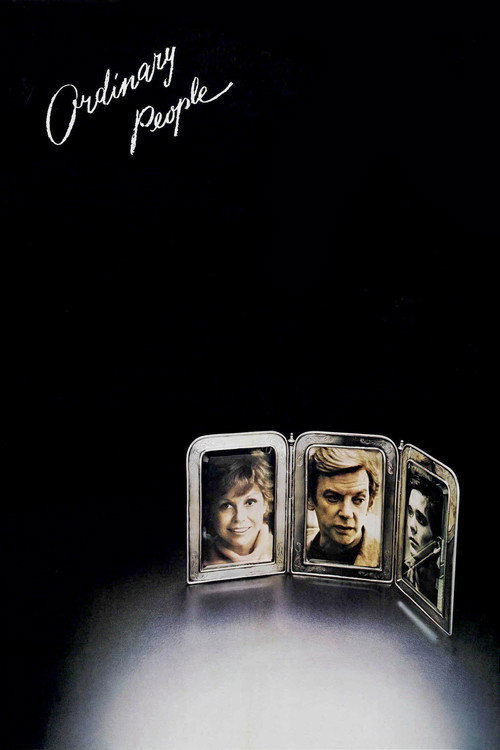
Ordinary People1980
Robert Redford's directorial debut follows a family in crisis meeting with a psychiatrist. Deeply moving exploration of shame, grief, and the difficulty of connection.
But It's introspective to the point of quietness. If you need plot momentum, you'll find yourself restless.
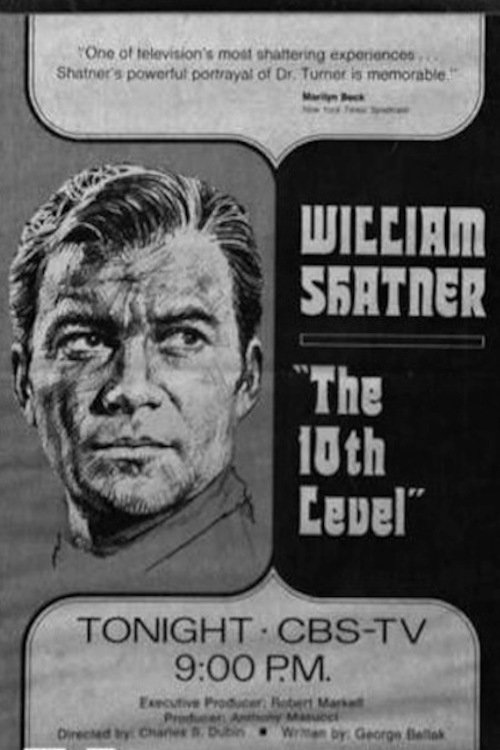
The Tenth Level1976
A TV drama about the famous Milgram obedience experiments, starring William Shatner. It grapples with how ordinary people become complicit in harm—the same moral ground Pressure Point walks.
But Made-for-TV production values and some theatrical acting make it feel dated. Also harder to find than theatrical releases.
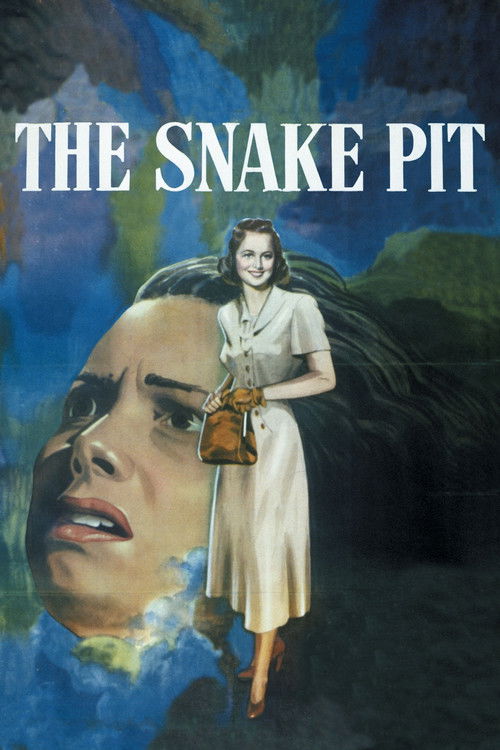
The Snake Pit1948
Olivia de Havilland's searing performance in a psychiatric hospital exposes institutional cruelty. A precursor to the more critical takes on psychiatry that followed.
But The film itself is sympathetic to institutionalization as a concept, which undermines its own critique. Also filmed in a style that distances you from the horror rather than immersing you.
A Prophet2009
Both examine the psychology of power and corruption within institutional settings, but A Prophet shows the inmate's perspective rather than the doctor's. Where Pressure Point asks if healing is possible, A Prophet asks what institutions actually produce.
A French-Arabic prison drama about a young man's brutal transformation. Entirely unsentimental, formally brilliant, and absolutely gripping. It's what Pressure Point's prison looks like from the inside.
But It's in French with subtitles. Also graphically violent and morally bleak in ways that don't offer comfort or catharsis.

Secrets & Lies1996
Like Pressure Point, it's about the limits of language to bridge racial and psychological gulfs. Both films insist that understanding someone doesn't require you to excuse them, and that connection is harder and messier than good intentions allow for.
Mike Leigh's masterpiece: a Black woman discovers her birth mother is white, and the film follows the family unraveling. Extraordinarily acted, painfully honest about race, class, and the distance between people who should be close.
But Leigh's improvisational method means scenes breathe and meander. If you need narrative drive or closure, this will frustrate you. Also emotionally brutal.

People
Cast
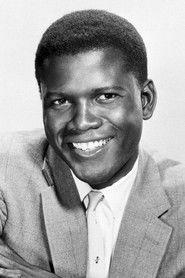 Sidney PoitierDoctor
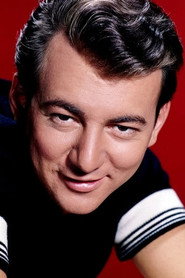 Bobby DarinPatient
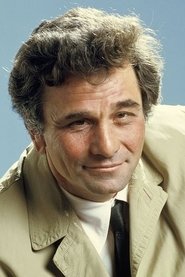 Peter FalkYoung Psychiatrist
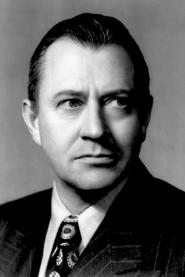 Carl Benton ReidChief Medical Officer
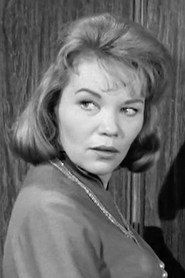 Mary MundayBar Hostess
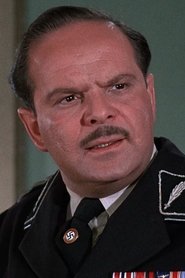 Howard CaineTavern Owner
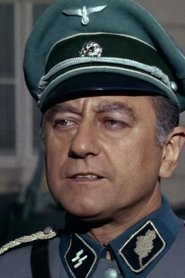 Gilbert GreenJewish Father
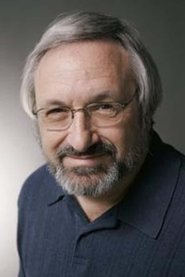 Barry GordonPatient (as a boy)
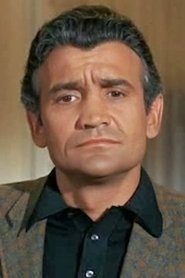 Richard BakalyanJimmy
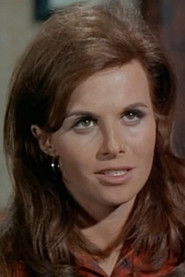 Lynn LoringJewish Girl
- Anne BartonMother
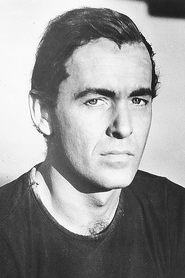 James AndersonFather
Directing
- Phil BowlesAssistant Director
- Hubert CornfieldDirector
- Marshall SchlomScript Supervisor
Writing
- Robert LindnerOriginal Story
- Hubert CornfieldScreenplay
- S. Lee PogostinScreenplay
Production
- Lynn StalmasterCasting
- Stanley KramerProducer
- Nate H. EdwardsProduction Manager