
Film
Kids for Cash
- White-collar crime
- Very dark
Kids for Cash documents one of America's most shameful judicial abuses: a Pennsylvania judge who received millions in kickbacks while sentencing children to private prisons for trivial offences. It's a taut, furious film about systemic corruption, the disposability of poor kids, and the horrifying gap between justice and the law. For anyone who believes institutions should serve people, not profit.
If you liked this
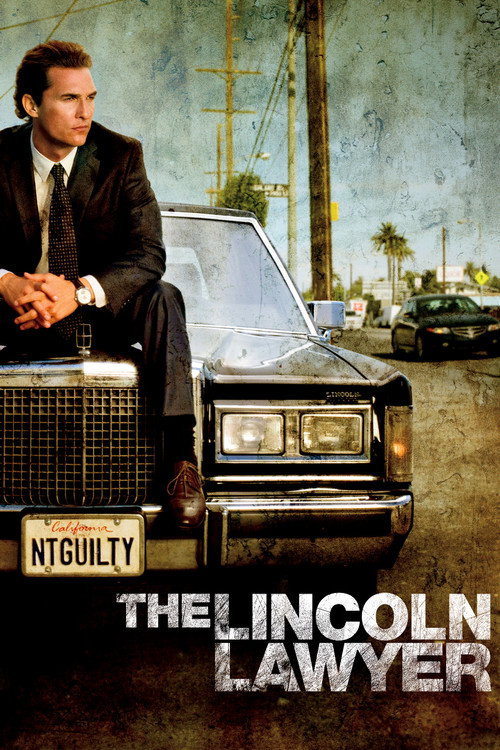
The Lincoln Lawyer2011
Documentary following a man wrongly imprisoned for murder, meticulously proving his innocence through legal work and investigation. It builds like a thriller but the stakes are entirely real—a life, relationships, decades lost.
But Long stretches involve courtroom procedure and legal detail. If you need constant plot momentum, the pacing will test you.
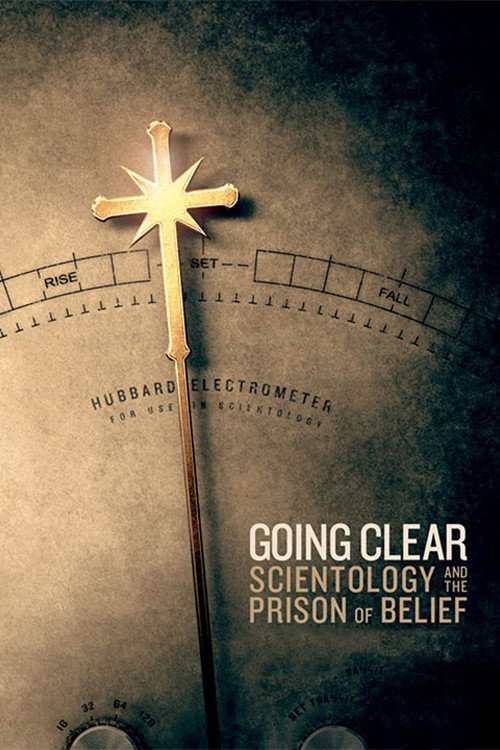
Going Clear: Scientology and the Prison of Belief2015
Alex Gibney's masterwork about institutional control, manipulation, and the specific cruelty of systems that capture people and extract their value. You watch believers transformed into prisoners without ever leaving.
But Requires patience with testimony and repetition. Some will find the running time (roughly two hours) excessive for the revelations offered.
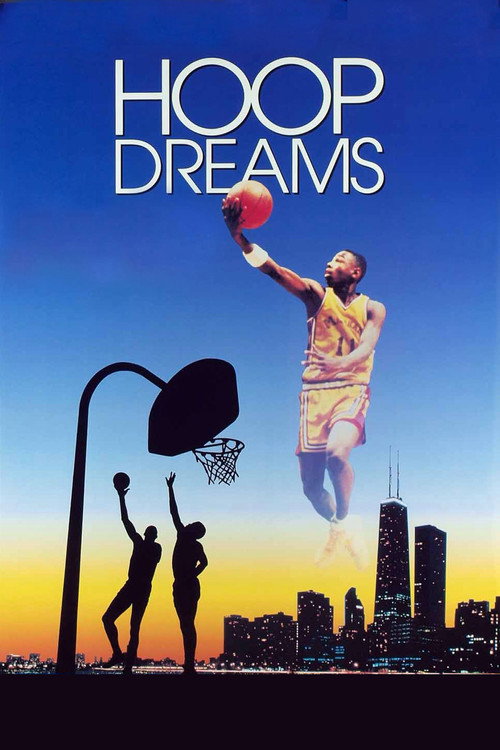
Hoop Dreams1994
A 3-hour portrait of two Black basketball prospects and how institutions—schools, coaches, systems—use them. The slow burn reveals how exploitation happens to good people through ordinary processes, which is far more disturbing.
But Takes real commitment; there are long stretches of watching ordinary life that some viewers find slow. The payoff requires patience.
Not sure tonight? Get a pick in a minute, starting from Kids for Cash
The wildcard
Something you would not have found on your own.
A Prophet2009
Kids for Cash asks: what happens when judges profit from sending kids to prison? A Prophet asks: what happens to the kids once they're there? Same system, opposite vantage points.
French crime drama about a kid in prison who learns to navigate and survive the system. Becomes a portrait of how institutions (in this case, literally prison) socialize people into corruption and survival as the only logic. Stunning filmmaking.
But French with subtitles. Two and a half hours. Violence is casual and recurring. Some find the aesthetic distance cold, and the protagonist's moral descent unsettling rather than cathartic.

More like this (5)
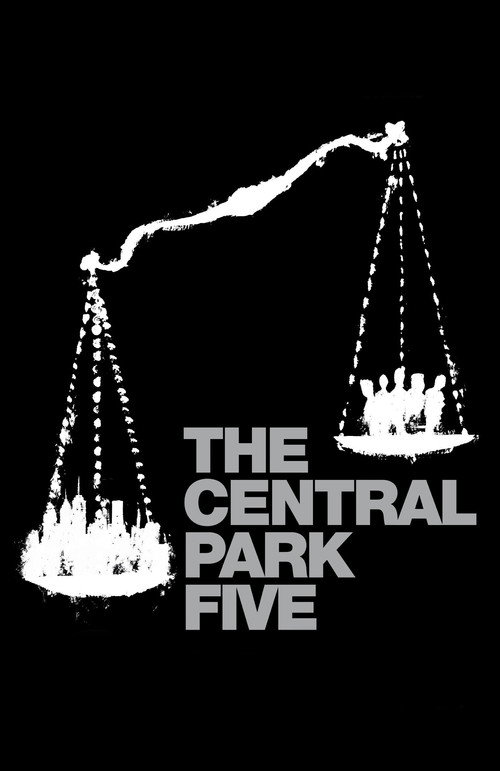
The Central Park Five2012
Ken Burns' examination of how teenagers were convicted of a crime they didn't commit, driven by media hysteria and institutional pressure. Fury masquerading as a gentle documentary—which makes it cut deeper.
But The injustice is so clear that some find it frustrating rather than gripping. There's no real mystery or doubt, which dulls the narrative tension.
Spotlight2015
Journalists investigate institutional abuse hidden by power and complicity. It's a procedural about how corruption endures—less about villainy, more about how systems protect themselves and how breaking through requires patience and obsession.
But Dialogue-heavy newsroom drama with an ensemble cast. If you need visual dynamism or emotional crescendos, the measured tone may feel restrained.

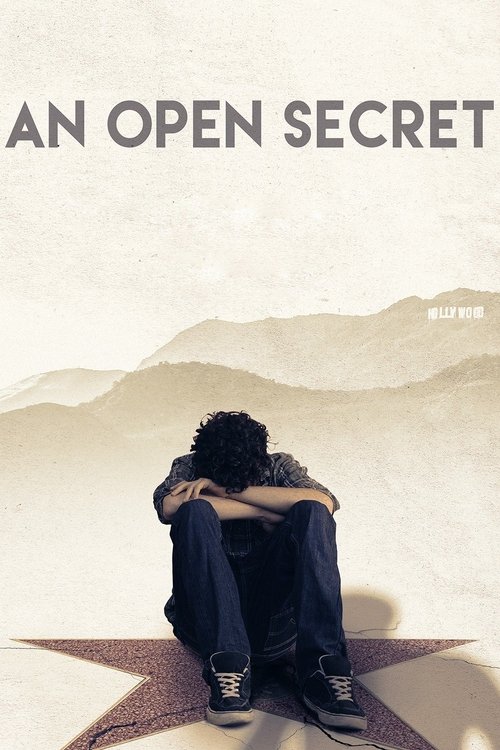
An Open Secret2014
Documentary about predators within Hollywood's youth industry and how institutions fail to protect children despite multiple warnings. Infuriating precisely because the warning signs were everywhere and ignored.
But Deals with child abuse. Testimony is disturbing and unvarnished. The subject matter makes it hard to watch, even though the filmmaking is necessary and clear.
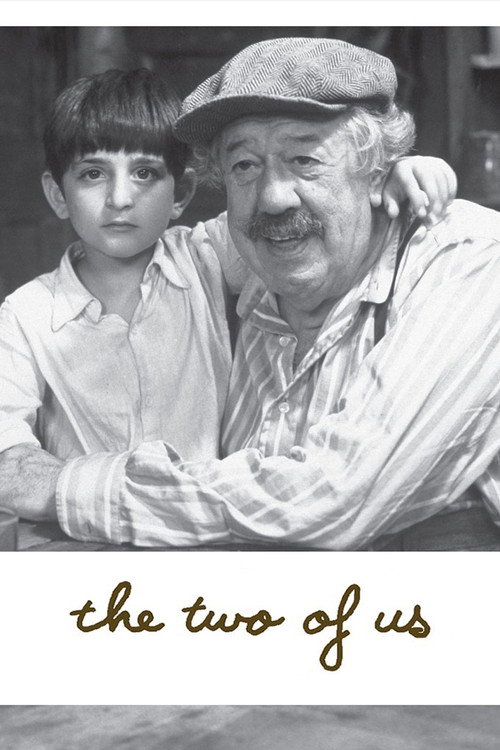
The Two of Us1967
Portrait of two lifelong men confronting a system that criminalized their love. Quieter than Kids for Cash but equally about how law punishes the powerless while protecting institutions and money.
But Moves at a glacial pace. Some will find the minimalism emotionally distant, and the political argument isn't delivered in speeches.
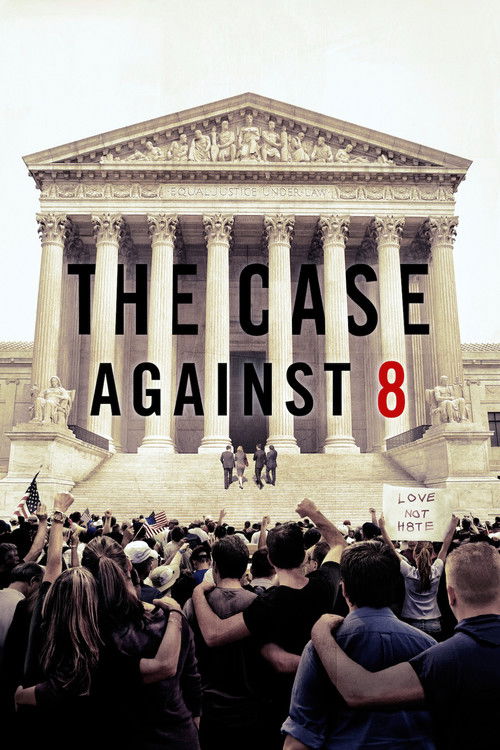
The Case Against 82014
Behind-the-scenes documentary following lawyers who challenged California's same-sex marriage ban. Shows how legal systems can either protect rights or strip them, and what it costs to fight.
But Becomes somewhat predictable once you know the case's outcome. Supporters of the ban are largely absent, which means limited ideological conflict onscreen.
People
Directing
- Robert MayDirector
Production
- John WeekleyExecutive Producer
- Lauren TimmonsProducer