
Film
Pakistan's Hidden Shame
- Crime
- Very dark
A 47-minute documentary examining child sexual abuse in Peshawar, Pakistan. It's investigative and unflinching, built on testimony and institutional failure. Essential viewing for anyone trying to understand how systems protect abusers over children, and for the journalists and activists fighting to change that. Difficult but necessary.
Should you watch it?
Watch it if you want a clear-eyed documentary that puts a hidden crime under a steady, unflinching lens and is willing to ask uncomfortable questions about who looks away.
Skip it if you want light viewing or a film driven by style, since this short, blunt piece about child abuse offers little room to breathe.
What it asks of you: Under an hour, sparely made and unhurried, with few distractions, so it asks you to stay with hard accounts for its full length.
Not sure? Find tonight's pick in a minute.
If you liked this
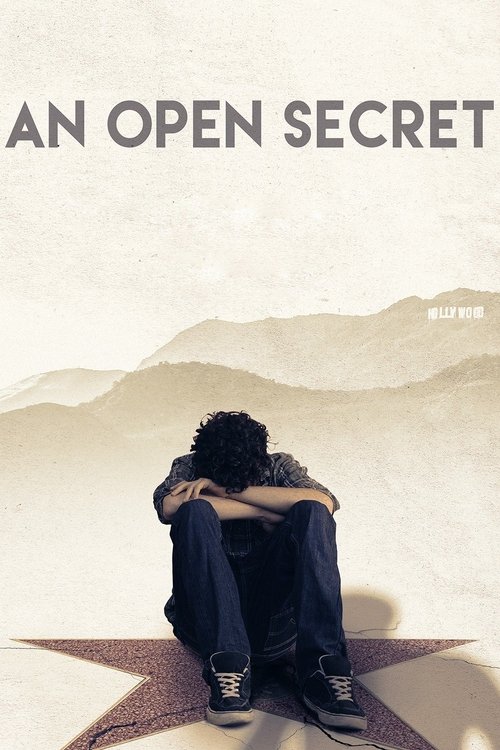
An Open Secret2014
Exposes child sexual abuse within Hollywood's system through survivor testimony and institutional investigation. Uncomfortable and angry in ways that make change feel possible rather than distant.
But The subject matter is deeply disturbing. Some footage is graphic, and the complicity of powerful people remains largely unpunished.
Spotlight2015
Shows how investigative journalism exposes systemic abuse in the Catholic Church. Methodical, gripping, and demonstrates the power of persistence and collaboration to hold institutions accountable.
But It's procedural and measured rather than visceral. If you want rage, this channels it into careful reporting instead.

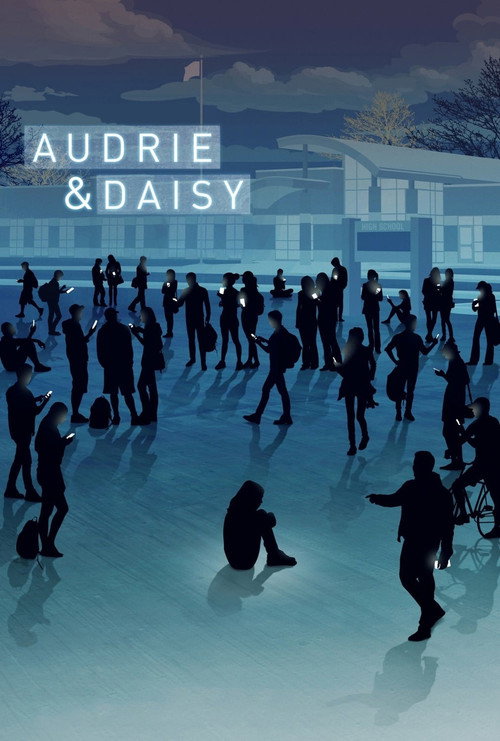
Audrie & Daisy2016
Follows two cases of sexual assault on teenage girls and the communities' responses. Asks hard questions about victim-blaming and institutional protection of perpetrators.
But Centers on ongoing trauma and the retaliation survivors face. The injustice can feel overwhelming rather than clarifying.
Not sure tonight? Get a pick in a minute, starting from Pakistan's Hidden Shame
The wildcard
Something you would not have found on your own.
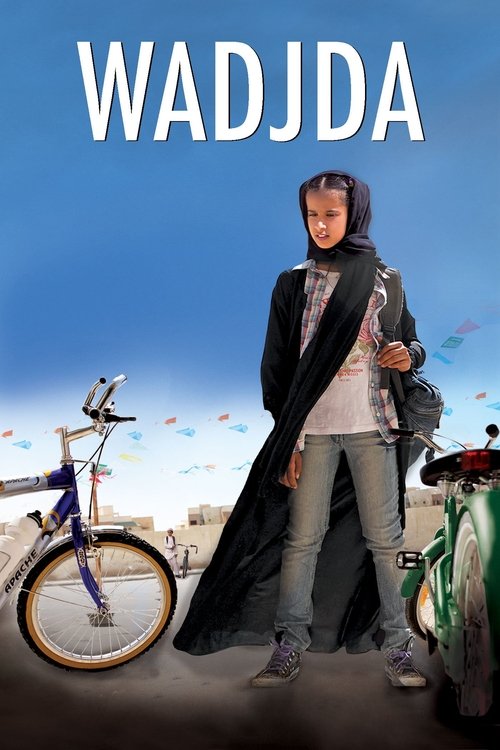
Wadjda2012
Both examine how societies systematize the subordination of children, particularly girls. Wadjda shows the machinery; the documentary shows what that machinery makes possible.
Saudi Arabian narrative fiction about a girl navigating restriction and repression. Shows how systems control and limit children's autonomy—the same architecture that enables abuse to flourish unchecked.
But It's a story rather than investigation, oblique rather than direct. Some may find the indirect approach less urgent than documentary testimony.
More like this (4)
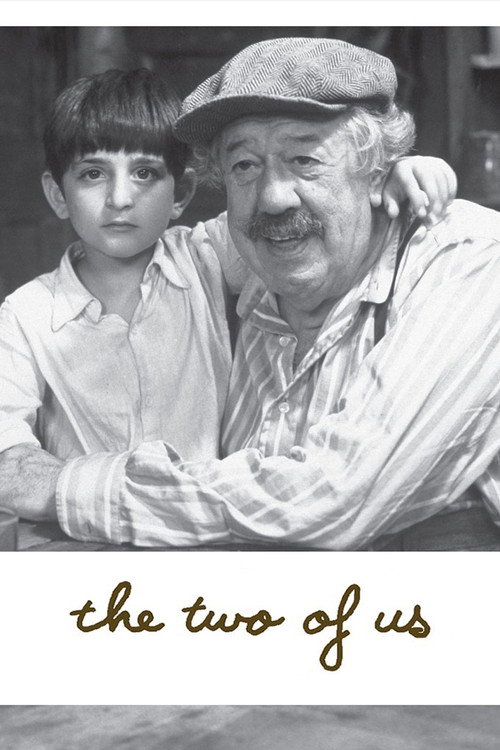
The Two of Us1967
Documentary following a survivor confronting his childhood abuser decades later. Intimate, difficult, and shows the long shadow of institutional cover-ups in the Church.
But Deeply personal and emotionally draining. Limited scope compared to systemic investigations—one man's journey rather than institutional analysis.
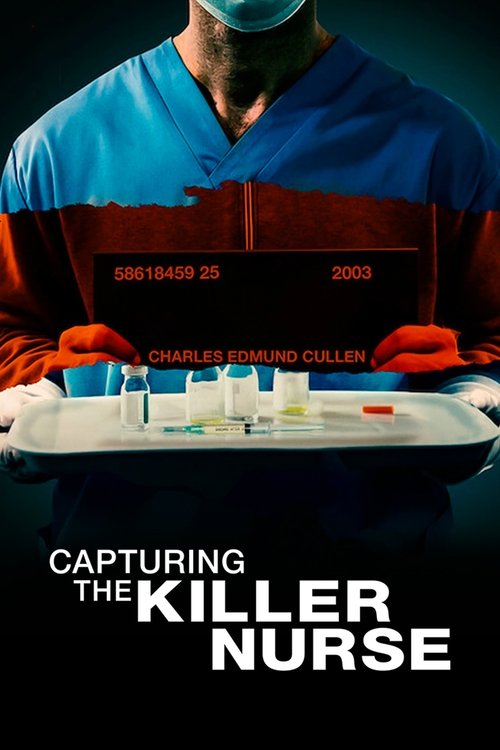
Capturing the Killer Nurse2022
Investigation into how a nurse murdered patients over decades while systems repeatedly failed to stop him. Shows how negligence and indifference enable ongoing harm.
But Focuses on institutional failure in healthcare rather than advocacy for victims. Some may find the distance clinical rather than moving.
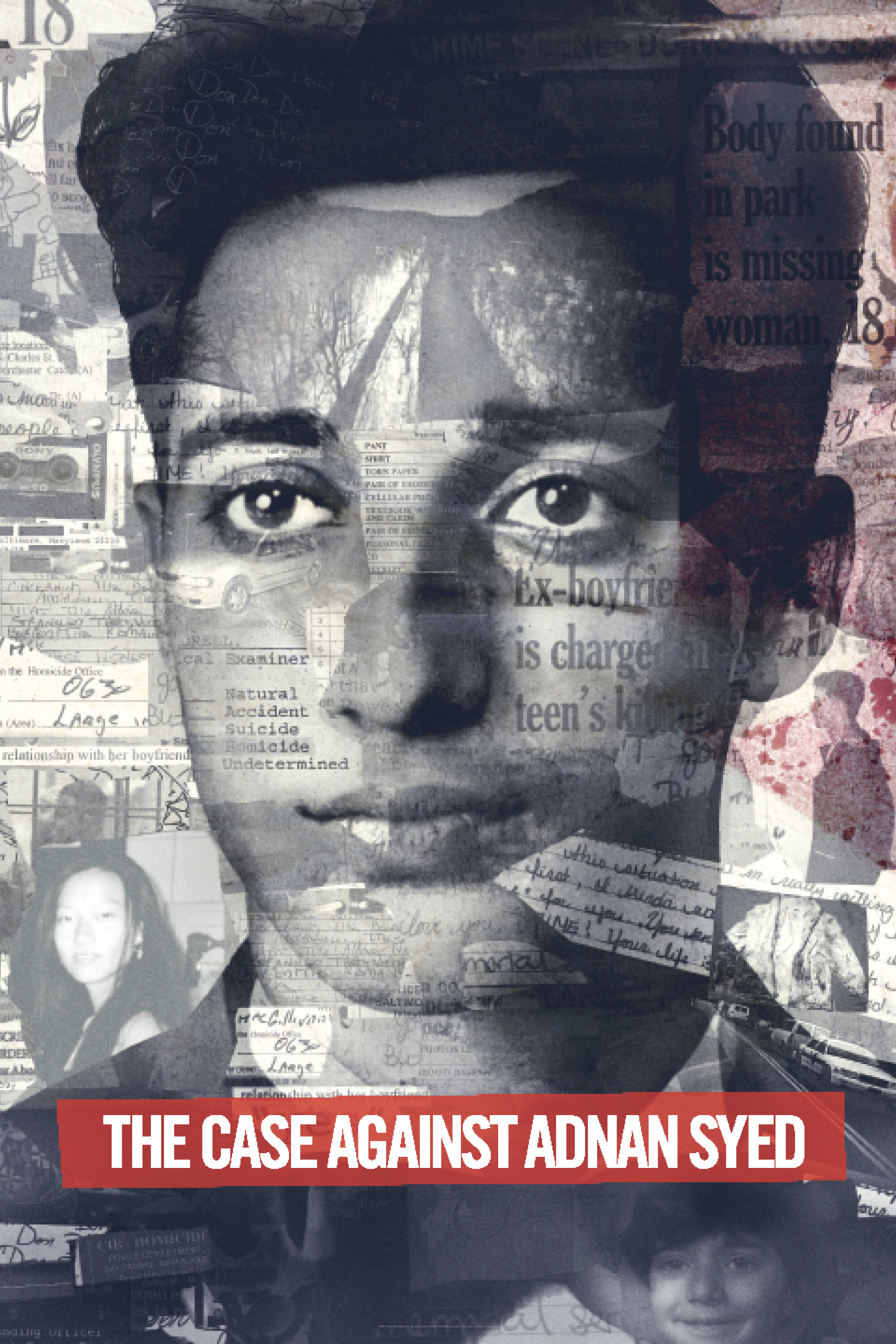
The Case Against Adnan Syed2019
Documentary series investigating a criminal conviction and questioning justice system reliability. Demonstrates how institutions can fail both victims and the accused when processes aren't rigorous.
But It's about criminal justice rather than abuse specifically. Some viewers find the ambiguity frustrating rather than thought-provoking.
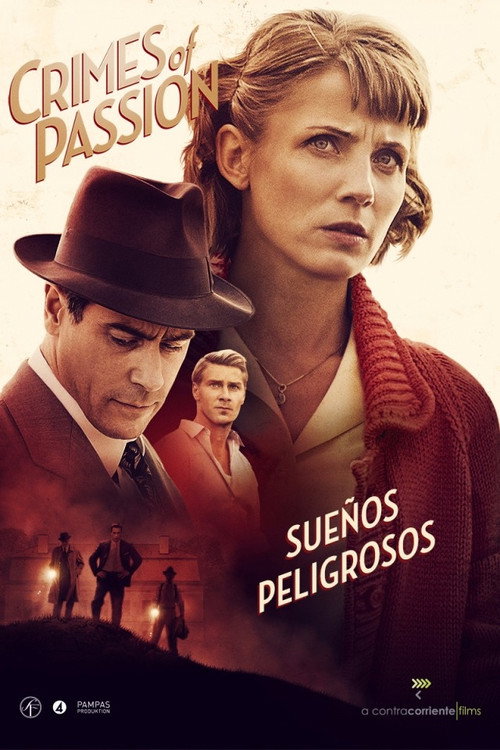
Dangerous Dreams2013
Documentary series examining sexual crimes and the failures that allow predators to operate. Combines investigation with survivor perspective and institutional critique.
But Structured as true crime rather than advocacy. Some episodes lean toward sensationalism rather than systematic analysis.
People
Directing
- Mohammed NaqviDirector