
Film
Capturing the Killer Nurse
A 95-minute documentary investigating Charlie Cullen, a registered nurse convicted of murdering patients across multiple Northeast hospitals. Through interviews with detectives, colleagues, and the nurse who helped expose him, the film traces how someone in a position of care became one of America's most prolific serial killers. Gripping and methodical, it's for viewers drawn to true crime investigations that examine systemic failures alongside individual monstrosity.
If you liked this
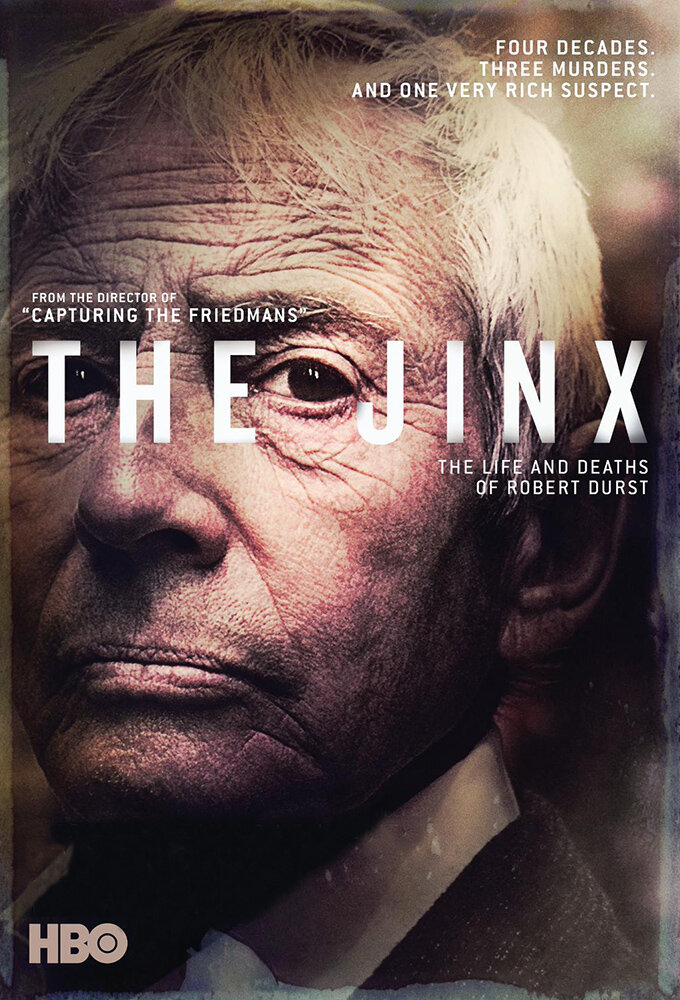
The Jinx: The Life and Deaths of Robert Durst2015
An HBO miniseries that methodically builds a case against a wealthy man suspected of multiple murders. Like this film, it prioritizes investigative procedure and the people who piece together the truth rather than the killer's mystique.
But At six hours, it demands patience. Some viewers find the pacing glacial, and the conclusion, while dramatic, leaves technical questions unanswered.
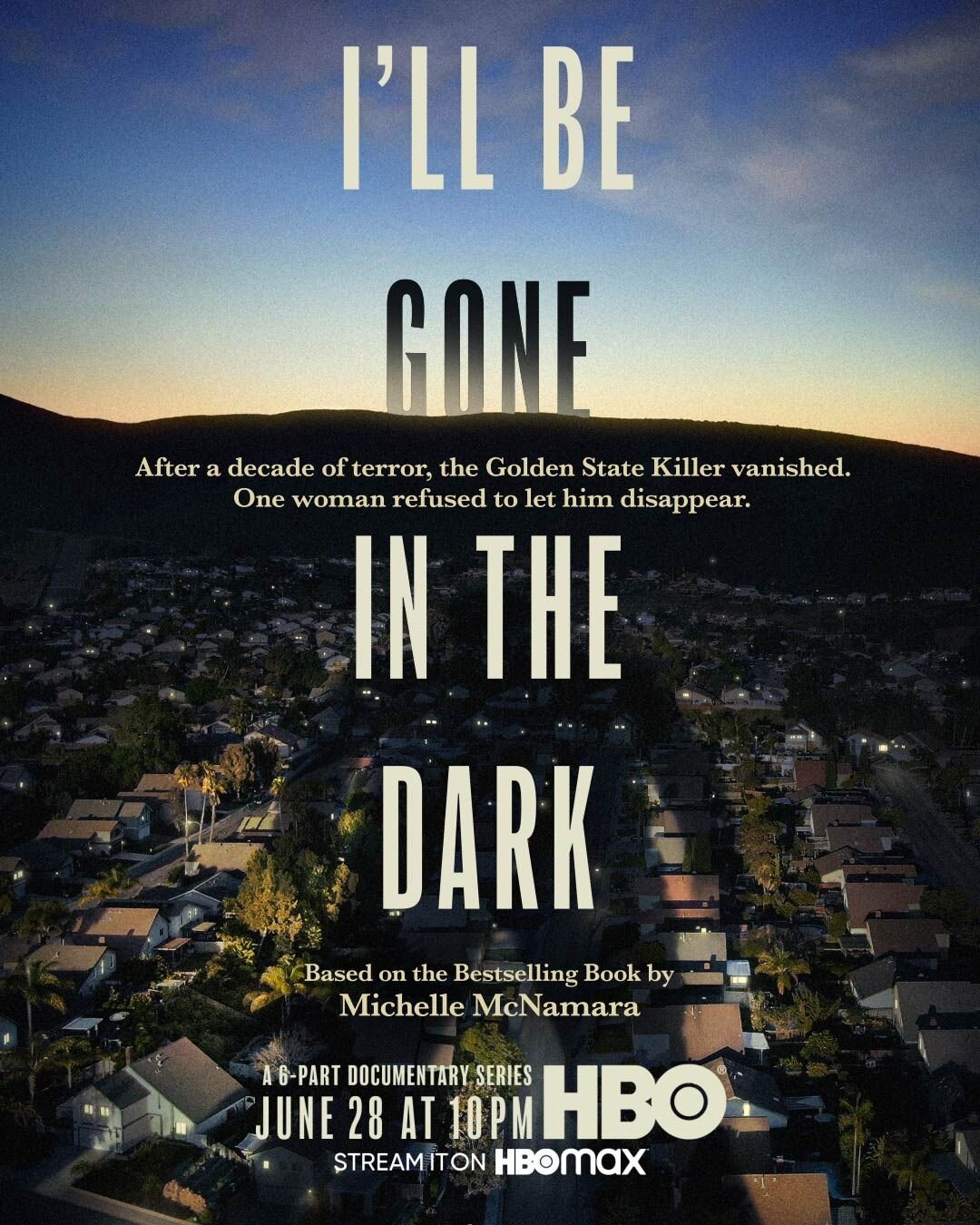
I'll Be Gone in the Dark2020
HBO's six-part series about the hunt for the Golden State Killer combines documentary investigation with narrative depth. It foregrounds the people searching for answers—victims' families, detectives, an obsessed true crime writer—with real humanity.
But The first two episodes move slowly before the case gains momentum. Some find the show's focus on the journalist as character distracting from the core investigation.
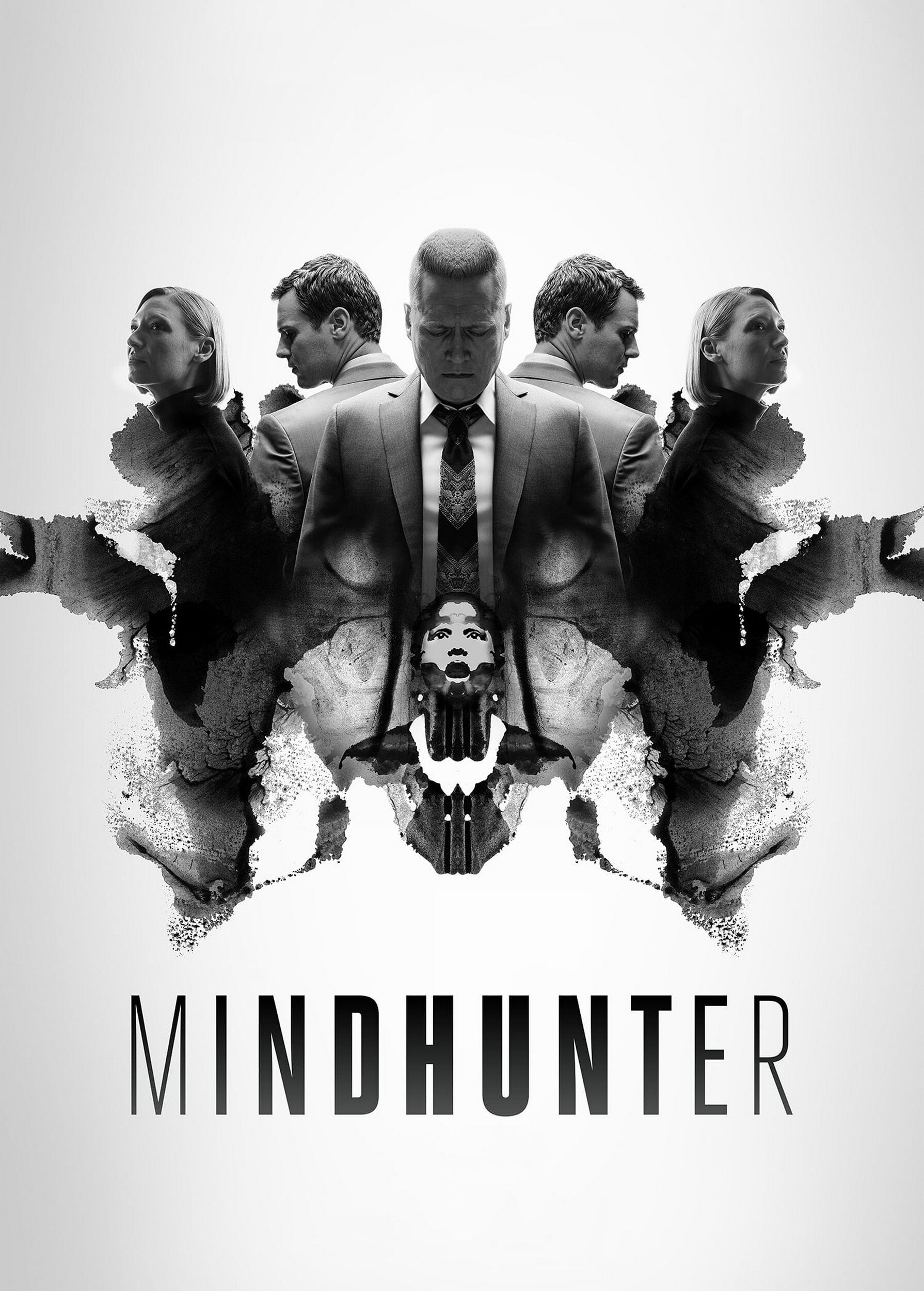
MINDHUNTER2017
Though dramatized, this Netflix series about the FBI's early criminal psychology unit mirrors Cullen's film in exploring how methodical analysis of killers' patterns can reveal what traditional policing missed.
But It's fiction, which means it takes liberties. Some scenes feel more procedural drama than insight, and Season 2's momentum flags noticeably.
Not sure tonight? Get a pick in a minute, starting from Capturing the Killer Nurse
The wildcard
Something you would not have found on your own.
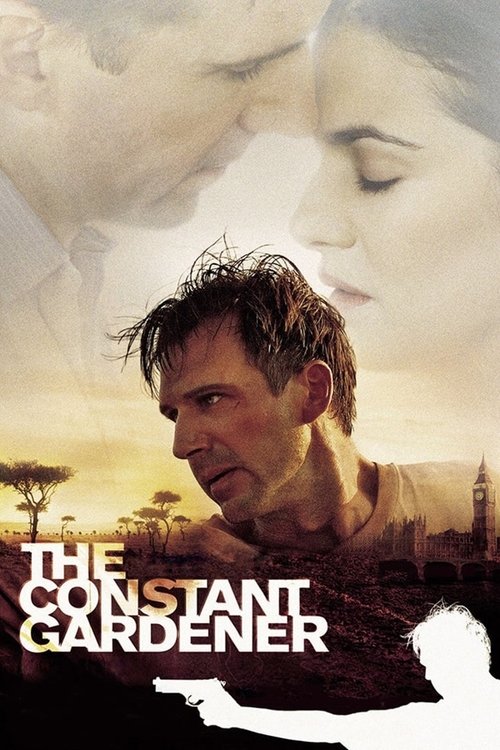
The Constant Gardener2005
Both explore how systems designed to heal become mechanisms of harm, and how whistleblowers—in Cullen's case Amy Loughren—must navigate institutional resistance to expose the truth.
Fernando Meirelles's political thriller depicts institutional corruption in pharmaceutical and medical systems across Africa and Europe. Like Cullen's case, it examines how bureaucratic indifference and profit enable harm in plain sight. A spy thriller that works as dark procedural.
But It's a narrative feature, not documentary, which means tone shifts. The romance subplot can feel tacked on, and the political argument sometimes overwhelms the story.
More like this (4)
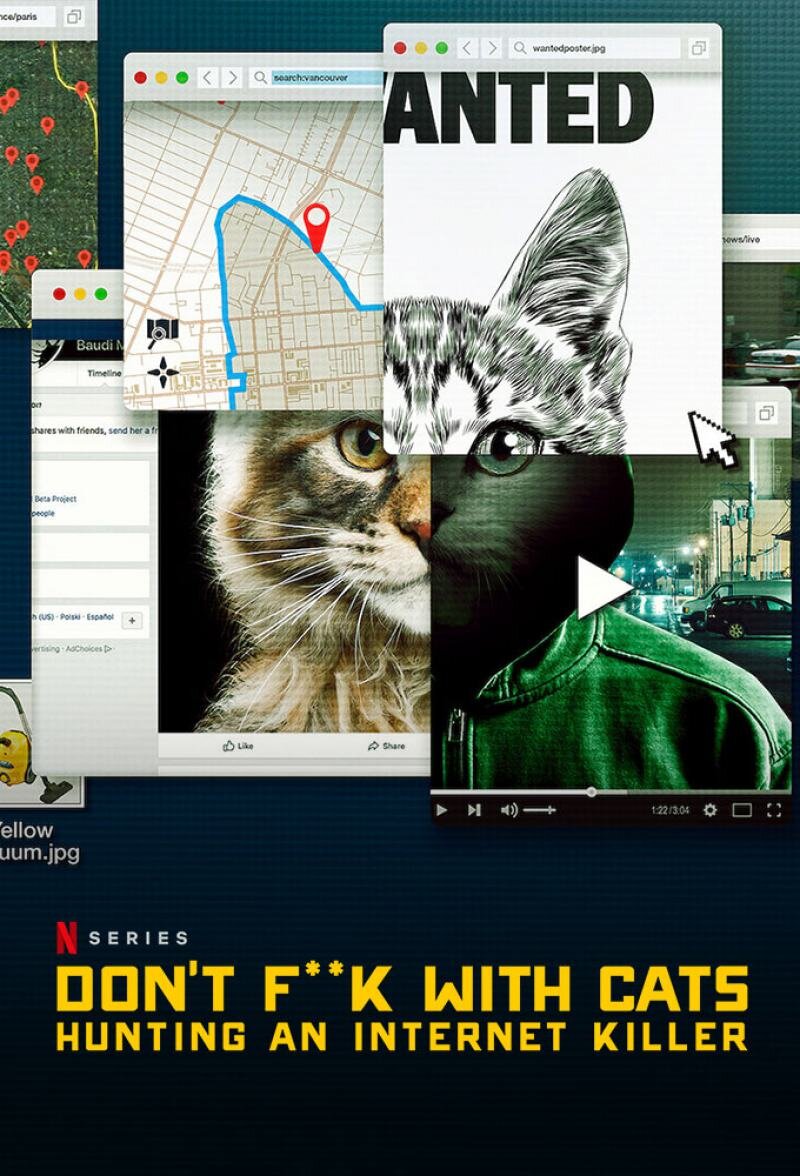
Don't F**k with Cats: Hunting an Internet Killer2019
Netflix's three-part series tracks amateur internet detectives solving a real murder. Like Cullen's case, it's fundamentally about ordinary people recognizing patterns others missed and refusing to stay silent.
But The true villains are sometimes secondary to the drama of the amateur investigators. It can feel exploitative despite good intentions, and social media mob dynamics aren't always handled thoughtfully.
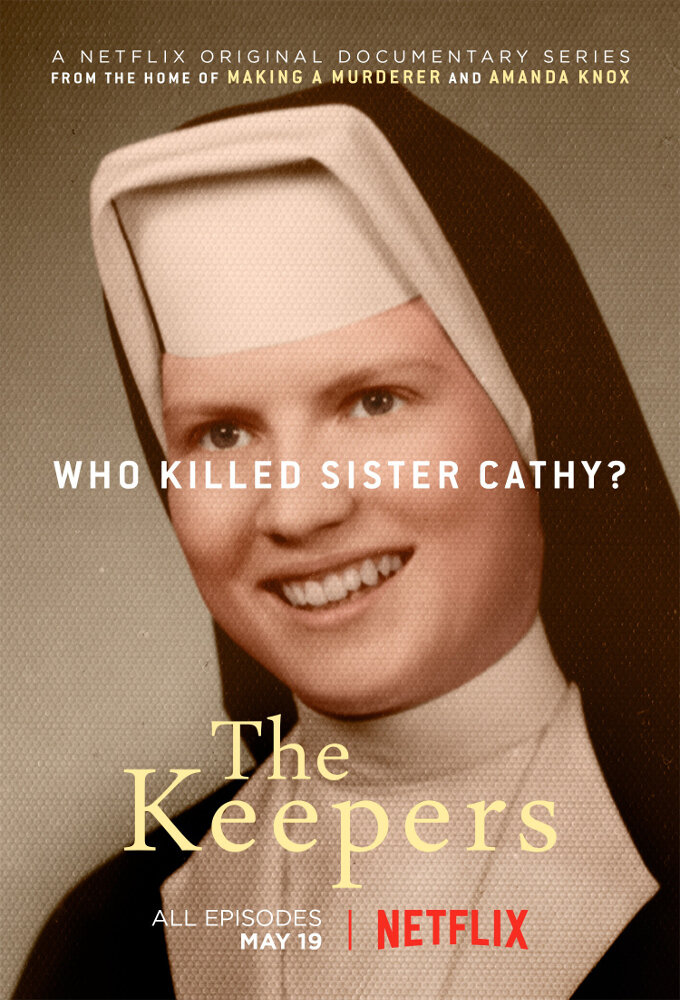
The Keepers2017
Ryan White's HBO four-part documentary investigates a nun's murder in 1960s Baltimore through interviews with survivors and detectives. It shares Cullen's interest in how institutions protect themselves over accountability.
But The case remains officially unsolved, which can feel frustrating. Some viewers want clear resolution rather than ambiguity and institutional critique.
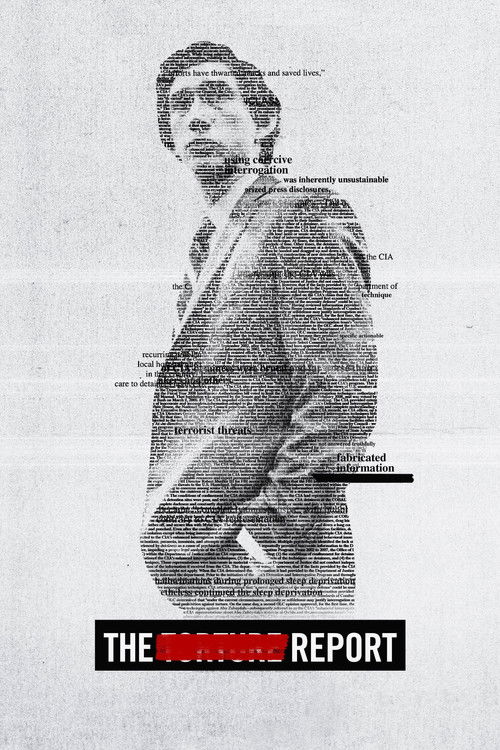
The Report2019
Both films trust viewers to find suspense in patient investigation rather than melodrama. They ask: how do ordinary people inside systems recognize something is catastrophically wrong, and what does it cost to act?
Scott Z. Burns's methodical drama follows Senate staffer Daniel Jones as he investigates CIA torture programs. At 119 minutes, it's a document-heavy thriller built entirely on investigative procedure: interviews, evidence-gathering, institutional obstruction. Meticulous and furious.
But There are no car chases or conventional action beats. Watching bureaucrats argue about classified documents doesn't grip everyone, and the scale is so vast it can feel abstract.
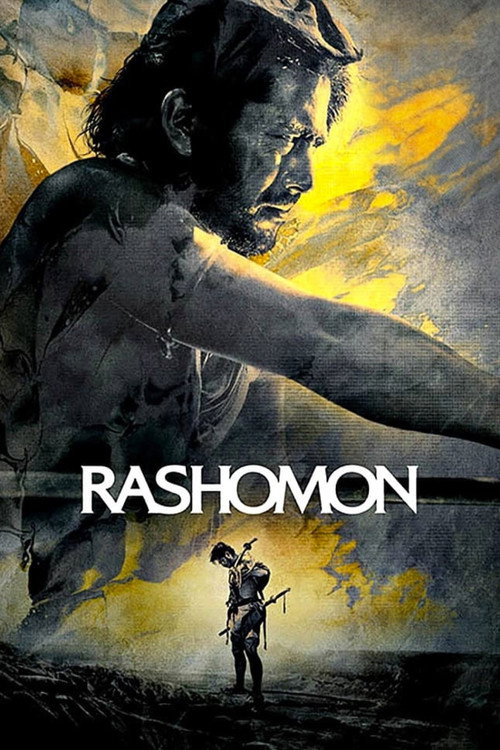
Rashomon1950
Both examine how systems fail when they accept convenient narratives over difficult evidence. Cullen's killings went undetected partly because colleagues' testimonies were trusted over victims' families' concerns—authority shaped belief, not evidence.
Kurosawa's 88-minute masterpiece reconstructs a crime through four contradictory testimonies from those present. Though made in 1950s Japan about an ancient crime, its central insight—that institutional truth-seeking requires interrogating whose version gets believed—is deeply relevant to how Cullen evaded detection for so long.
But It's in Japanese with subtitles, black-and-white, and structurally challenging. The philosophical ambiguity frustrates viewers seeking clear answers about what 'really' happened.
People
Cast
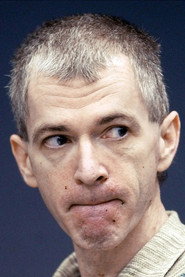 Charles CullenSelf (archive footage)
- Amy LoughrenSelf - Nurse, Somerset Medical Center, 2001-2004
- Donna HargreavesSelf - Nurse, Somerset Medical Center, 2000-2014
- Dr. Bruce RuckSelf - Toxicologist
- Tim BraunSelf - Commander, Somerset Major Crimes Unit, 2002-2005
- Danny BaldwinSelf - Lead Detective, Somerset Major Crimes Unit, 2003-2006
- Charles GraeberSelf - Author, 'The Good Nurse'
- Dr. Steven MarcusSelf - Medical Director, Poison Control Center, 1983-2016
- Pat MedellinSelf - Nurse, St. Luke's Hospital, 2002-2004
Directing
- Tim Travers HawkinsDirector
Writing
- Charles GraeberBook
- Robin OcklefordWriter
- Tim Travers HawkinsWriter
Production
- Charles GraeberExecutive Producer
- Henry SingerExecutive Producer
- Susannah PriceExecutive Producer
- Monica MwangiLine Producer
- Robin OcklefordProducer