
Film
Slavery by Another Name
Based on Douglas Blackmon's Pulitzer-winning book, this PBS documentary traces how the end of the Civil War gave way to convict leasing, debt peonage and sharecropping traps that kept millions of Black Americans in forced labor well into the twentieth century. Narrated by Laurence Fishburne with sober authority, it's dense with archival research rather than spectacle — essential for anyone who assumes slavery ended in 1865.
If you liked this
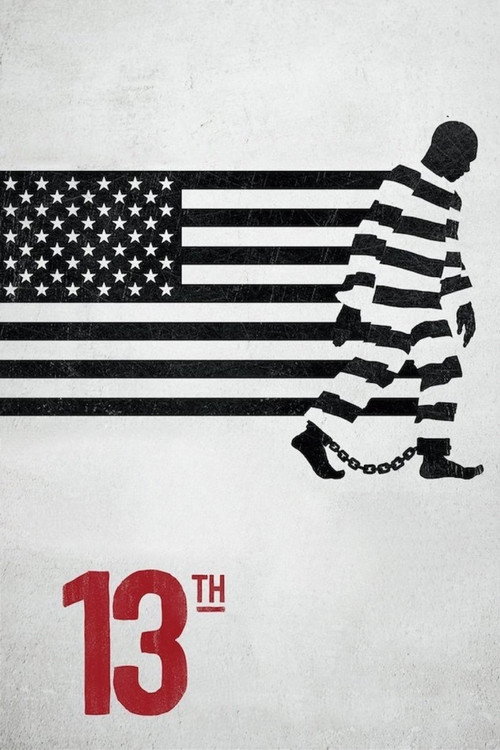
13th2016
Ava DuVernay draws a direct, furious line from the 13th Amendment's loophole to mass incarceration today, arguing the system this documentary describes never actually stopped, just changed its paperwork.
But It's polemical by design — if you want dispassionate history rather than argument, its urgency might feel like it's pushing you.
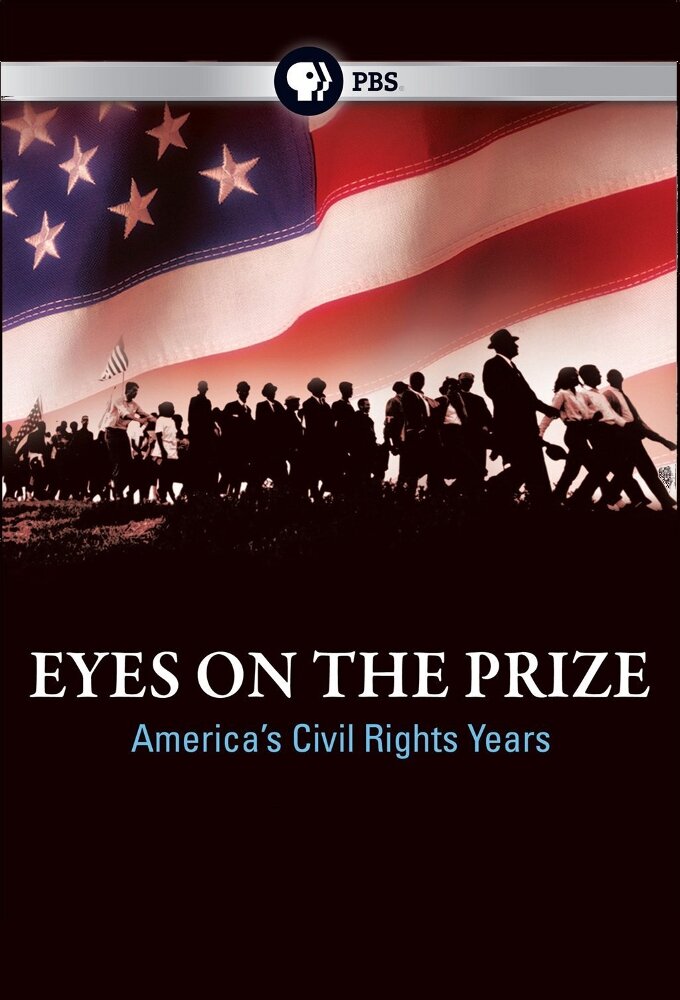
Eyes on the Prize1987
The definitive civil rights documentary series, built from astonishing archival footage and firsthand testimony, covering the decades of struggle that followed the system Slavery by Another Name describes.
But It's long — fourteen episodes across two series — and demands real commitment, not a single evening.
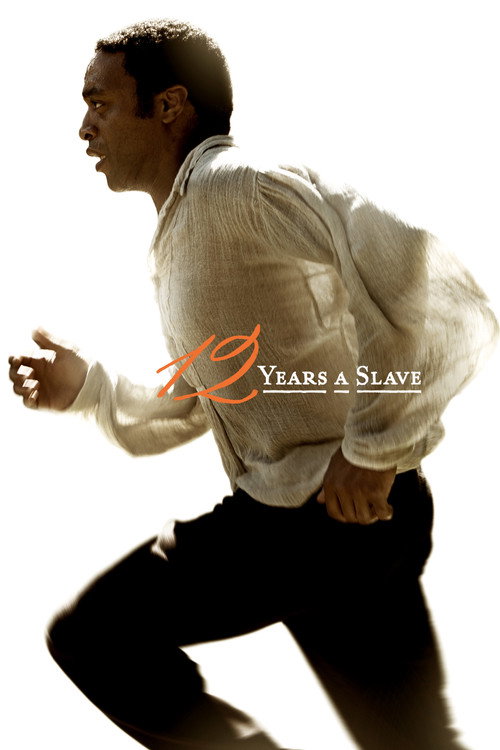
12 Years a Slave2013
Steve McQueen's unflinching adaptation of Solomon Northup's memoir puts a face and a body on the bondage this documentary mostly describes through statistics and legal records.
But It's punishing to watch, deliberately so — there's little relief, and some viewers find its violence too direct to sit with.
The wildcard
Something you would not have found on your own.
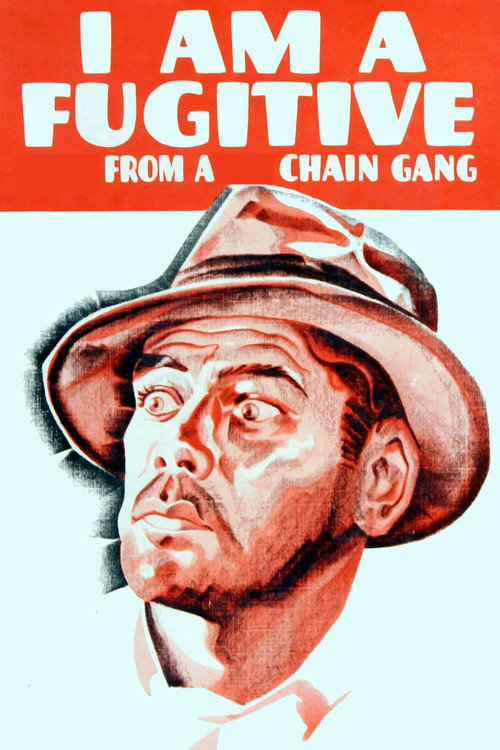
I Am a Fugitive from a Chain Gang1932
A first-hand dramatization, made contemporaneously, of the exact convict-leasing machinery the documentary later excavates from the archives — outrage as it happened, not as history.
A pre-Code Hollywood sensation, based on a real escapee's memoir, depicting chain-gang brutality so vividly it triggered actual prison reform investigations — journalism disguised as melodrama, made while the system was still running.
But It's stagey and moralistic by modern standards, and its lead is white — it can't speak to the racial core of the system the way the documentary does.
More like this (7)
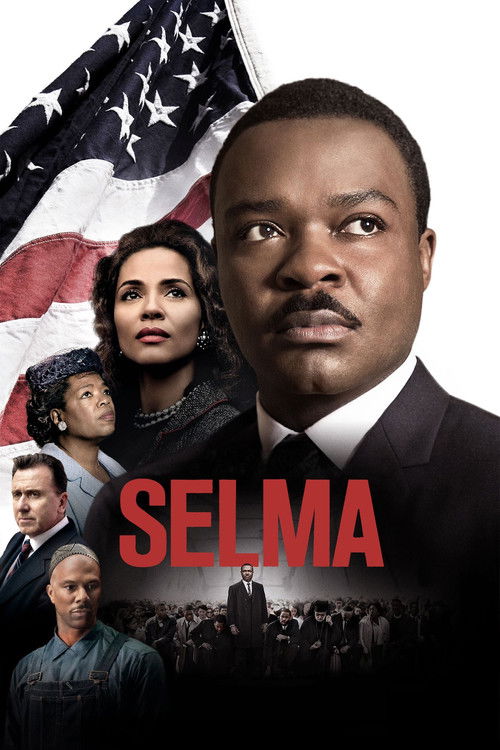
Selma2014
A tightly focused, beautifully acted account of the 1965 voting rights march, showing what it finally took to dismantle the legal architecture that let peonage and Jim Crow persist so long.
But As a conventional biopic-style drama, it plays things straighter and gentler than the documentary's investigative anger.
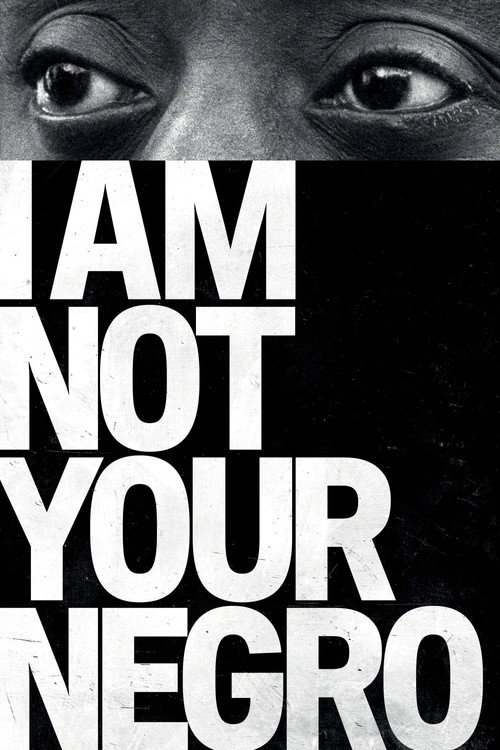
I Am Not Your Negro2017
Built from James Baldwin's unfinished manuscript, this essay film is less a history lesson than a reckoning — furious, elegant, and devastatingly current about race in America.
But Its associative, literary structure asks for patience; it has no interest in a linear historical narrative.
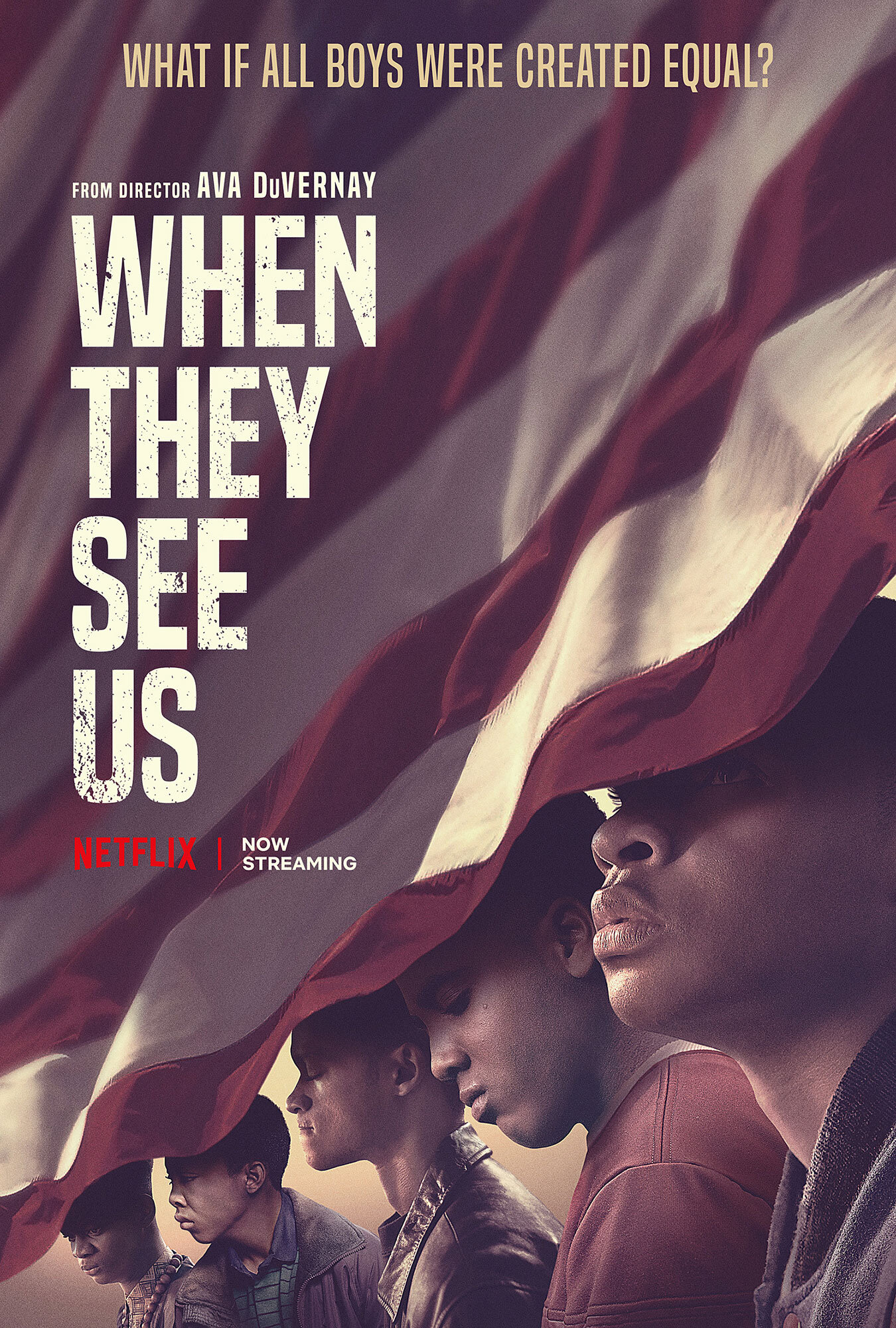
When They See Us2019
Ava DuVernay's miniseries on the Central Park Five shows the same machinery of coerced confession and disposable Black lives operating generations after the era this documentary covers.
But Four hours of dramatized injustice is exhausting by design; it's not something to put on lightly.
Freedom Riders2010no page yet
This American Experience documentary follows the young activists who rode buses into the segregated South, carrying forward the fight the earlier era's compromises had left unfinished.
But Its talking-heads-and-archive PBS style is straightforward rather than cinematic — pure history, no flourishes.
The Central Park Five2012
Ken Burns' documentary on the same case as When They See Us gives you the sober, source-driven version, useful if you want the facts laid out before the drama.
But Covering ground the miniseries already dramatizes more vividly, this one can feel like the homework version.
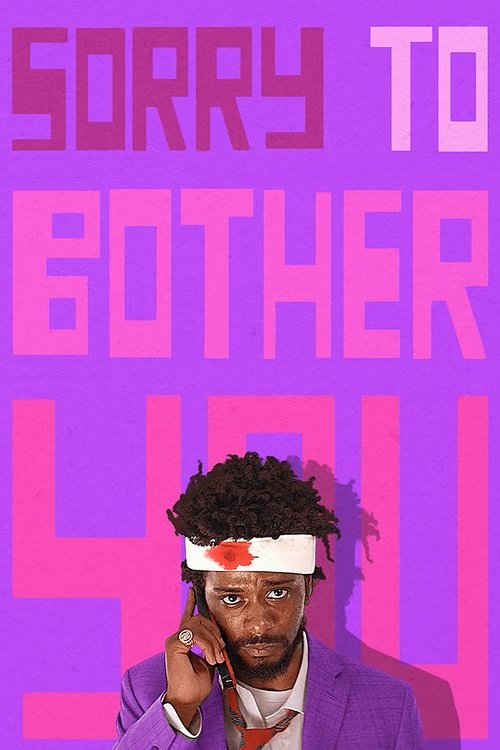
Sorry to Bother You2018
Makes the documentary's argument in genre clothes: that 'free labor' contracts can be slavery with better paperwork, pushed into science fiction to make the point unmissable.
A surreal, screamingly funny satire about a Black telemarketer lured into a company that literally turns workers into indentured labor — absurdist, but aimed at the same target: capital's appetite for coerced Black bodies.
But Its tonal swings — comedy sliding into body horror — aren't for everyone, and its politics are blunt rather than subtle.
Attica2021no page yet
Picks up the thread a century later — the same instinct to criminalize and cage Black men for cheap, disposable labor, still visible in a prison yard in 1971.
Stanley Nelson's documentary reconstructs the 1971 prison uprising almost entirely from archival footage and surviving witnesses, a raw companion piece about what the prison system that grew from convict leasing eventually became.
But It's harrowing and claustrophobic, staying inside a single brutal week rather than the sweeping decades the other film covers.
People
Cast
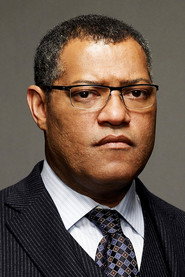 Laurence FishburneNarrator
Directing
- Sam PollardDirector
Writing
- Sheila Curran BernardWriter
Recommended by
13th, Time: The Kalief Browder Story, Eyes on the Prize, 4 Little Girls, Sounder