
Television series
Time: The Kalief Browder Story
A six-part documentary, produced by Jay-Z, that reconstructs how a sixteen-year-old from the Bronx, accused of a robbery he said he didn't commit, spent three years on Rikers Island without ever going to trial, much of it in solitary confinement. Built from surveillance footage, courtroom audio, and testimony from his family, it is exacting, unhurried, and devastating — journalism as much as documentary, and not built for easy viewing.
If you liked this
When They See Us2019
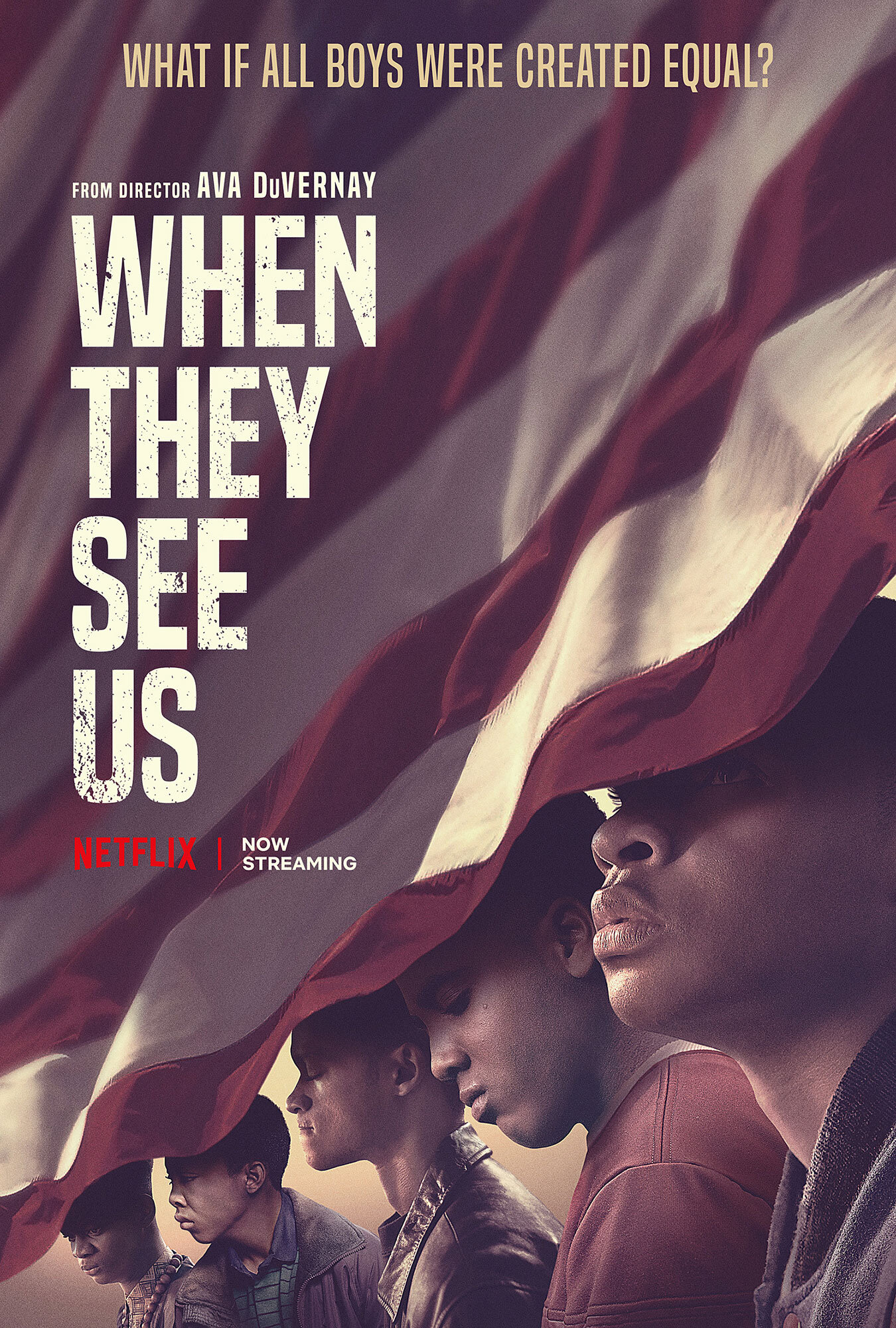
Ava DuVernay's dramatization of the Central Park Five puts you inside the interrogation rooms and courtrooms where five teenagers were coerced into false confessions, showing exactly how the system Browder faced grinds down anyone without power or money.
But Four hours of dramatized reenactment of real trauma, just as unrelenting in its grief as this.
13th2016
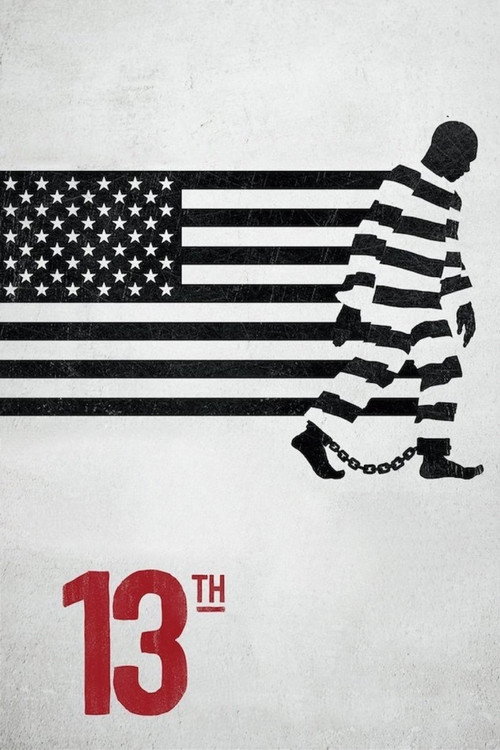
DuVernay again, this time as historian, tracing a direct line from the 13th Amendment to mass incarceration, giving Browder's story the wider context of exactly which bodies the system was built to hold.
But It's essayistic and historical rather than personal, so if you want another individual story, this can feel like homework.
Crime + Punishment2018
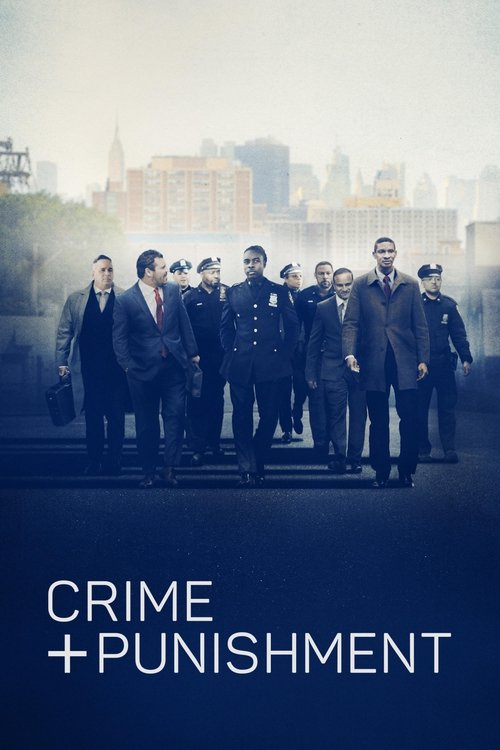
NYPD officers secretly recording their own bosses pressuring them to hit illegal arrest quotas, mostly against young Black and Latino men, shows the machine from the inside — the one that fed Rikers its endless supply.
But Dense with procedure and paperwork; less a gut-punch than a slow-building case file.
The wildcard
Something you would not have found on your own.
I Am a Fugitive from a Chain Gang1932
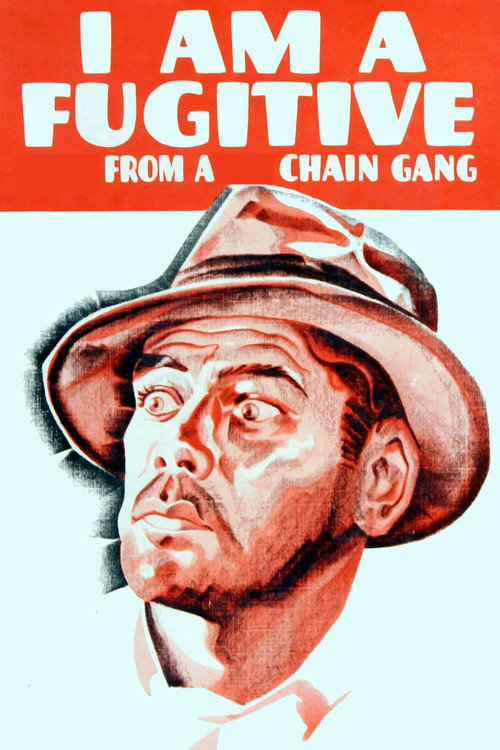
Long before true-crime documentary existed as a form, this Warner Bros. drama — based on an actual escaped convict's memoir — turned outrage over brutal, extralegal prison labor into a national scandal. Same machine, same use of one man's ordeal as an indictment, eighty-five years earlier.
A furious, fast-moving pre-Code drama about a WWI veteran railroaded into a Georgia chain gang, made with the explicit intention of embarrassing the system into changing — and several states did reform their practices after its release.
But It's a Hollywood melodrama from 1932, with all the staginess and moral broadness of the era; nobody would call its craft subtle.
More like this (8)
Making a Murderer2015
The show that made true-crime documentary a genre unto itself, following Steven Avery through a small-town Wisconsin justice system that seems to have decided his guilt before it looked at any evidence.
But Twisty and long, more concerned with courtroom strategy than the emotional toll paid by the people involved.
The Central Park Five2012
Ken Burns and co-directors return to the same five teenagers decades later, letting them tell in their own words what happened when the city, the press, and the police decided they were guilty before any trial.
But Thorough as history, but it lacks the raw, present-tense grief of watching a family live through the loss in real time.
Soupçons2004
A French crew embedded for years inside an American murder trial, one of the originals of the genre, patient and procedural, showing exactly how slowly and unevenly the machinery of justice actually moves.
But About a wealthy, connected defendant, so the stakes and power dynamics are almost the mirror opposite of Browder's.
Slavery by Another Name2012
A documentary about convict leasing, the practice that reinvented slavery through the criminal justice system after Emancipation, and the direct ancestor of everything that later happened to men like Browder.
But Structured like a history lecture, more interested in policy and pattern than any single human story.
Rikers2016no page yet
A Frontline documentary that goes inside Rikers itself, told by the guards and inmates who lived it, giving you the physical geography and daily brutality of the exact place that broke Browder.
But Without one central figure to follow, it can feel diffuse, more mosaic than narrative.
I Am a Killer2018no page yet
Death row inmates talk directly to camera about the crimes that put them there, a colder, starker companion piece about what the system does once it has decided someone's fate for good.
But These are, by their own admission, guilty men — a very different moral register from an innocent boy who never stood trial.
Two Distant Strangers2020no page yet
Same rage, opposite tool: this Oscar-winning short traps a Black man in a Groundhog Day loop where every day ends with a fatal police encounter. It's genre fiction doing the documentary's exact moral work — a system that resets and repeats no matter what the individual does.
Under thirty minutes, sharp and gut-punching, using a familiar sci-fi device to make an argument about repetition and inevitability that a straight drama would need hours to build.
But The genre conceit is blunt by design, and some will find turning this subject into a formal device uncomfortable rather than illuminating.
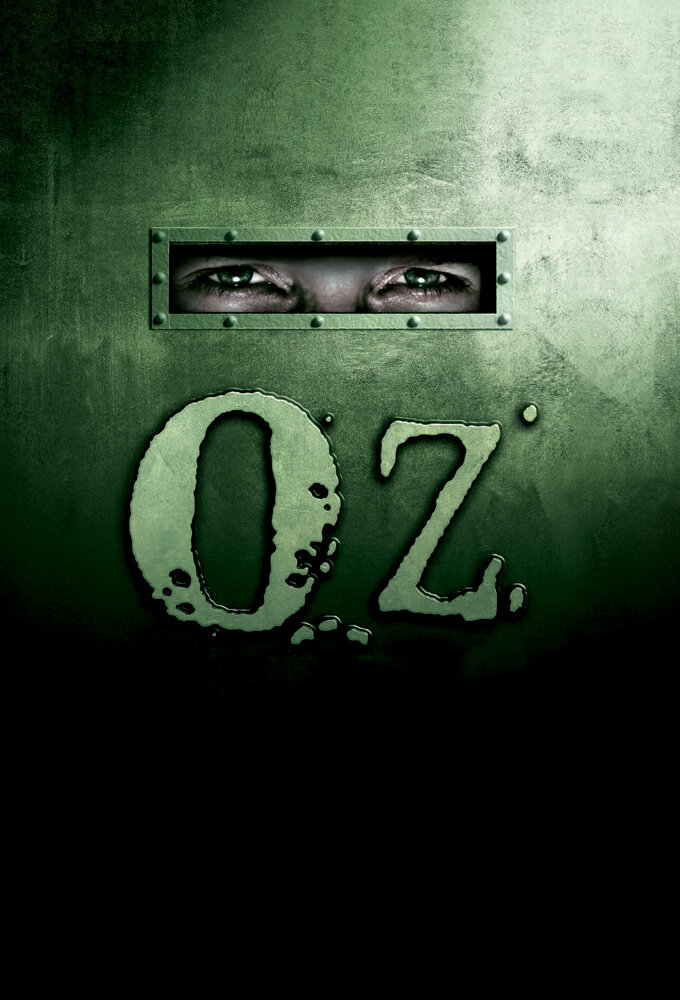
Oz1997
HBO's original prison drama is pulpy, soap-operatic television, about as far from Browder's story in tone as you can travel. But underneath the melodrama sits the same machinery: overcrowding, gang alliances enforced by administrators, solitary as routine — a system manufacturing the violence it claims to contain.
The show that invented prestige TV violence, still shocking, still oddly compulsive, and far more clued-in about the real mechanics of incarceration than its trashy reputation suggests.
But It is, deliberately, entertainment first — lurid, over-the-top, and sometimes exploitative about the very suffering it's depicting.
Recommended by
The Central Park Five, When They See Us, The Confession Tapes, How to Fix a Drug Scandal, The Innocence Files, The House I Live In, The Hurricane, Crime + Punishment, Marvel's Luke Cage, Wentworth