Television series
How to Fix a Drug Scandal
How to Fix a Drug Scandal is a two-part Netflix documentary about two Massachusetts state lab chemists whose private unravelling—one addiction, one ambition—quietly contaminated tens of thousands of drug convictions before anyone official wanted to notice. It's methodical, slow-burn-furious television, less interested in the chemists themselves than in the years of institutional denial that followed. Good for anyone who wants their true crime laced with bureaucratic rage.
If you liked this
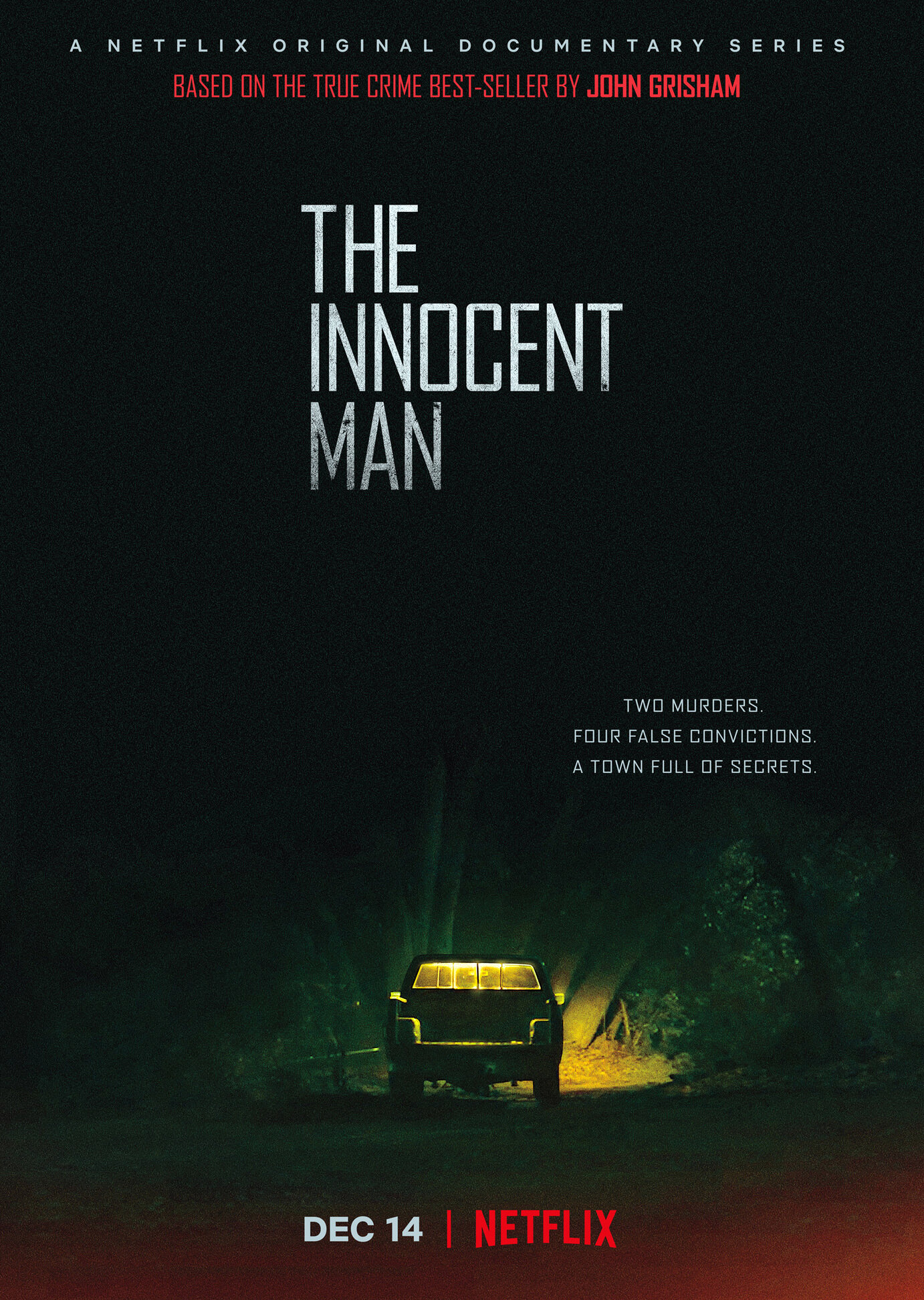
The Innocent Man2018
John Grisham digs into two Oklahoma murder cases built on coerced confessions and junk forensic testimony, with local police and prosecutors protecting their own conclusions long after the evidence turned against them.
But It sprawls across two separate cases and can feel baggy where the drug scandal doc stays tight and focused.
Making a Murderer2015
The genre's flagship for good reason: a small-town evidence room, a police force with something to hide, and years of slow-drip revelations that make you genuinely furious in real time.
But Ten-plus hours is a big ask, and its advocacy-first framing of Steven Avery's innocence has been seriously contested since release.
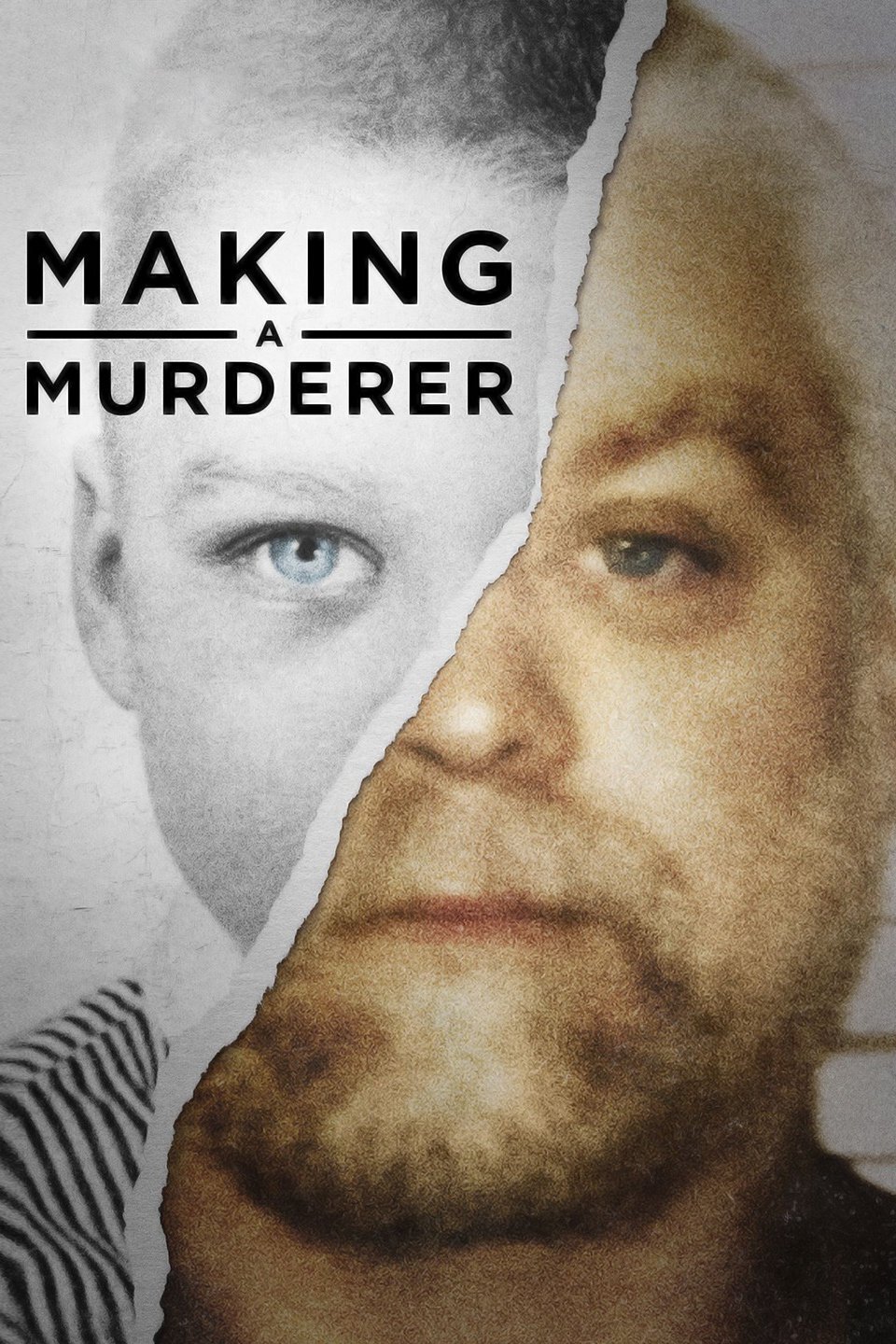
Exhibit A2019no page yet
A Netflix anthology working case by case through junk forensic science — bite marks, arson analysis, dog-scent lineups — showing how often 'scientific' courtroom testimony is closer to theatre. The closest cousin here.
But The anthology structure means no single driving narrative, and some episodes land with far more force than others.
The wildcard
Something you would not have found on your own.
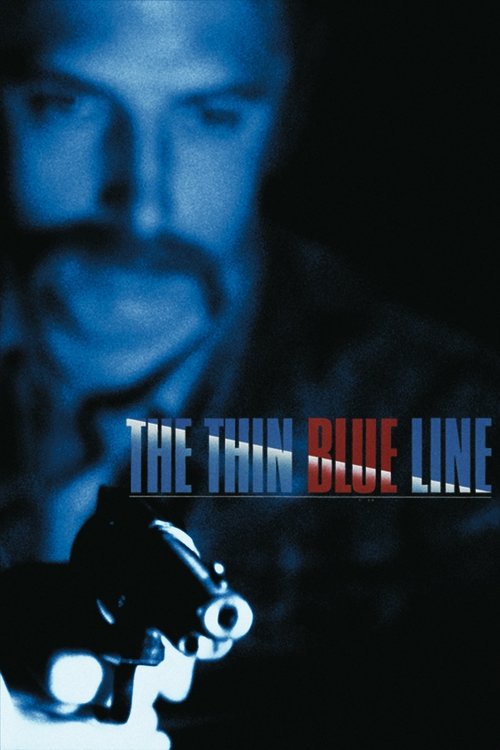
The Thin Blue Line1988
This 1988 Errol Morris film pioneered the exact genre you just watched — forensic doubt, staged reenactments, a wrongful conviction — and its investigation actually got a death sentence overturned. Same machinery, three decades earlier, and far more formally daring.
A stone-cold classic that essentially invented true-crime documentary as art: eerie reenactments, hypnotic interviews, and a slow unraveling of a Texas murder conviction built on lies and bad forensics.
But The style — moody, nonlinear, deliberately artificial — can feel cold if you want plain narration and a clean timeline.
More like this (8)
Icarus2017
Starts as a scrappy indie doping experiment and pivots into an accidental exposé of Russian state-sponsored cheating, with a whistleblower who becomes genuinely afraid for his life. Institutional cover-up with spy-thriller stakes.
But The tonal lurch from personal experiment to geopolitical thriller is jarring, and it swallows its own original premise almost entirely.
Dopesick2021
A meticulously researched dramatisation of how Purdue Pharma and complicit doctors engineered the opioid crisis — addiction and institutional denial at a vastly larger scale, played by real actors with real fury behind it.
But It's scripted drama, not documentary, so you trade the raw talking-heads intimacy of Farak's case for polished performance.
The Confession Tapes2017
Six standalone cases built on confessions that look increasingly coerced the closer you look, carrying the same slow dread of a system protecting its conclusions rather than the truth.
But The pacing is patient to a fault; this is for viewers who like their outrage delivered gradually, not fast.
Soupçons2004
The original courtroom-forensics obsession, following Michael Peterson's murder trial across a full decade as prosecution experts' certainty repeatedly curdles into doubt and revision.
But It runs very long and rewards patience with legal minutiae over any real dramatic momentum.
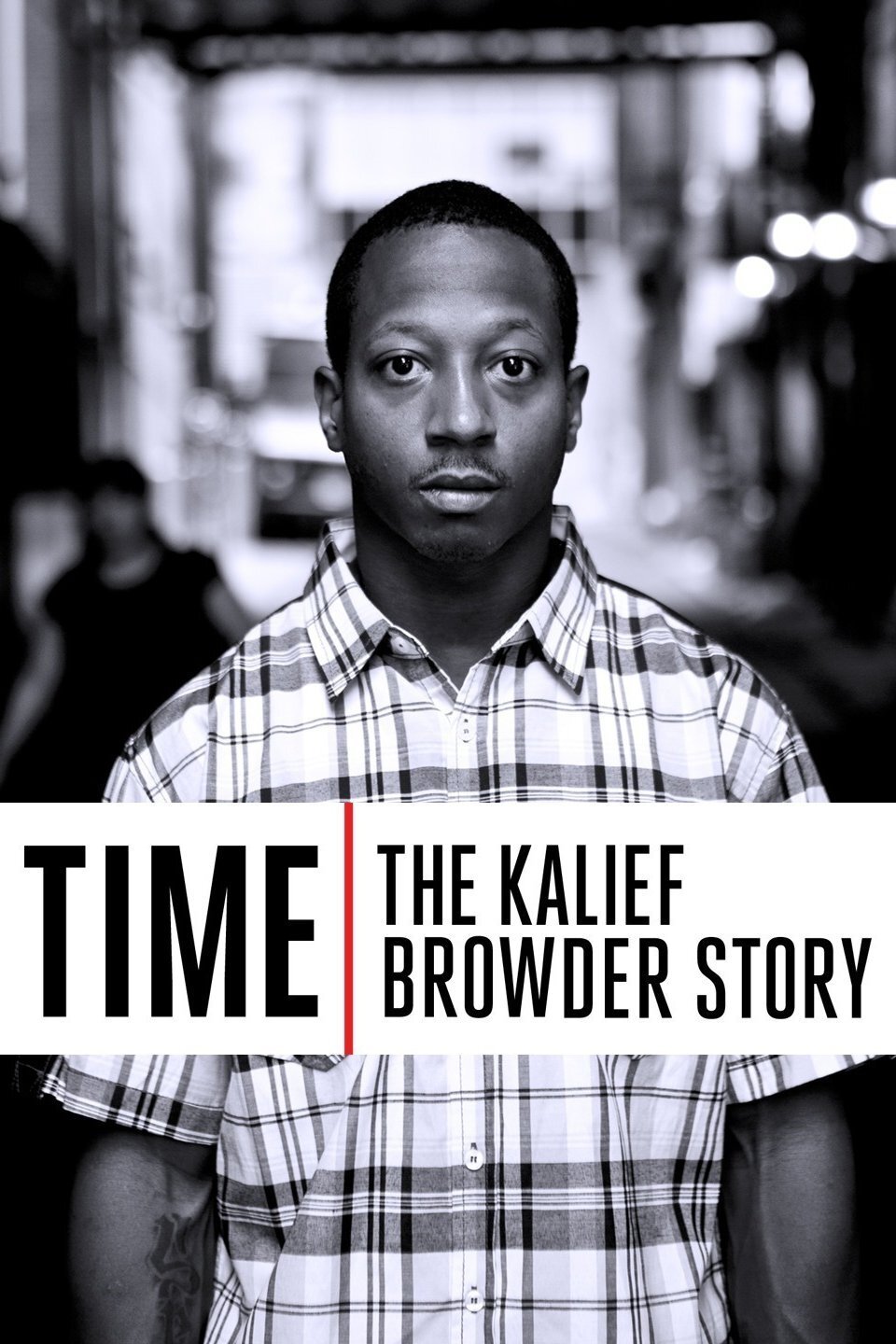
Time: The Kalief Browder Story2017
A devastating six-part account of a teenager destroyed by pretrial detention, carrying the same institutional indifference and human cost, minus any tidy villain to blame.
But This is grief, not intrigue — there's no satisfying reveal, just an honest, unrelenting reckoning with loss.
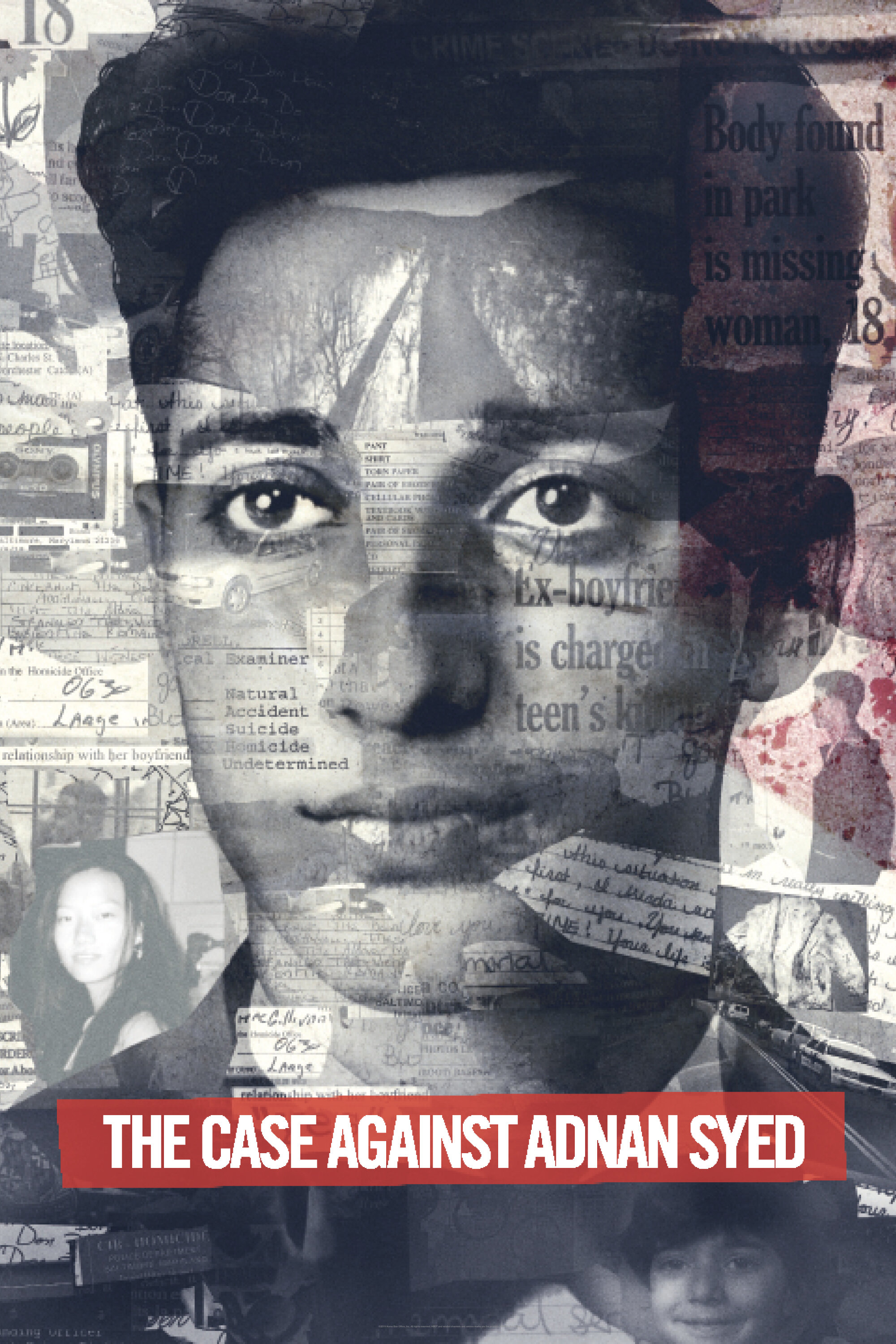
The Case Against Adnan Syed2019
A patient four-part re-examination of a conviction built on shaky science and prosecutorial shortcuts, made by people willing to sit with real uncertainty instead of a neat answer.
But If you've already devoured the Serial podcast this expands on, much of the ground here will feel familiar.
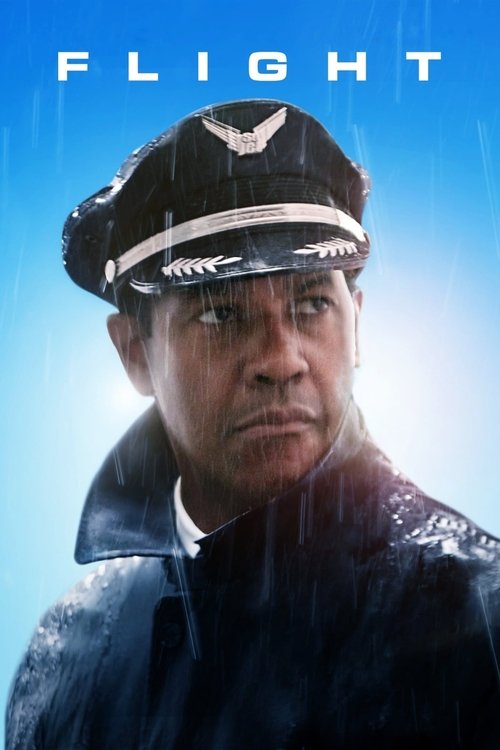
Flight2012
Same nightmare as Farak's story — someone quietly, skillfully hiding an addiction while holding other people's lives in their hands — except it's a pilot instead of a chemist, and fiction instead of documentary.
Denzel Washington plays an airline captain who lands a doomed plane through sheer skill while drunk, then has to survive the investigation into exactly how he pulled it off. Tense, morally slippery, superbly acted.
But It's a glossy Hollywood drama with a fairly tidy redemption arc — nothing like the open-ended institutional mess of the documentary.
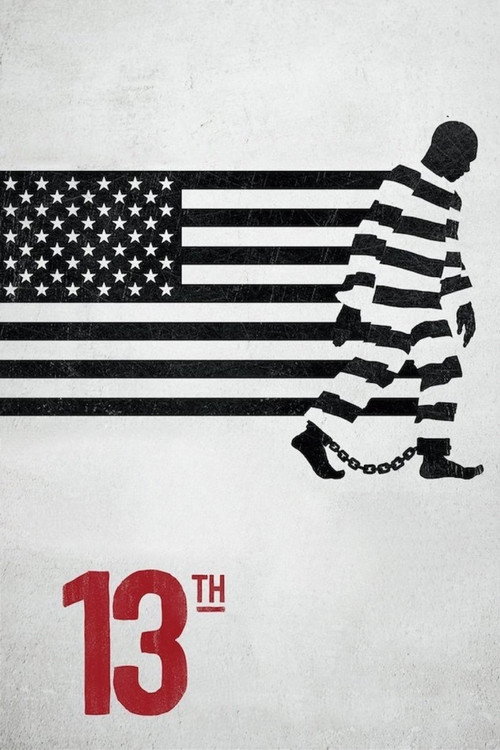
13th2016
Zooms out from one lab's misconduct to the entire system that made thousands of shaky convictions possible in the first place — mass incarceration as the machine Farak's case was only one gear in.
Ava DuVernay's documentary traces a direct line from the 13th Amendment to mass incarceration today, reframing stories like Farak's as symptoms of something far larger and more deliberate than one broken lab.
But It's a serious, essay-driven historical argument rather than a case-by-case mystery — don't expect true-crime momentum or a single villain.