
Film
Two Distant Strangers
A 32-minute short film about a Black man caught in a time loop, forced to relive a fatal encounter with a police officer. It's a tense, formally inventive piece that uses science fiction as a lens for systemic violence. Devastating and urgent, made for viewers ready to sit with anger and grief.
Should you watch it?
Watch it if you want a short, pointed piece of socially charged filmmaking that turns one cruel encounter into a loop you keep replaying, and you can sit with anger afterward.
Skip it if you need a story that moves forward, since this is built on repetition and stays close to one tense street confrontation, which can feel circular and claustrophobic.
What it asks of you: Half an hour of close, unbroken attention; it is spare and deliberate, and it keeps you in one tense, uneasy place rather than opening outward.
Not sure? Find tonight's pick in a minute.
If you liked this
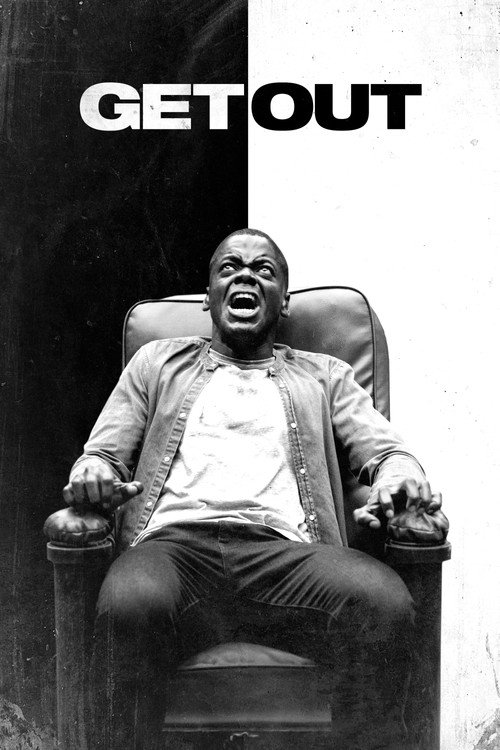
Get Out2017
A horror-thriller that weaponizes genre conventions to explore racial terror. Grips you instantly, keeps you guessing, and lands its social critique with precision. Brilliant filmmaking in service of something that matters.
But If you need comfort or catharsis, this isn't it. The ending won't feel like a win, no matter how it plays out.
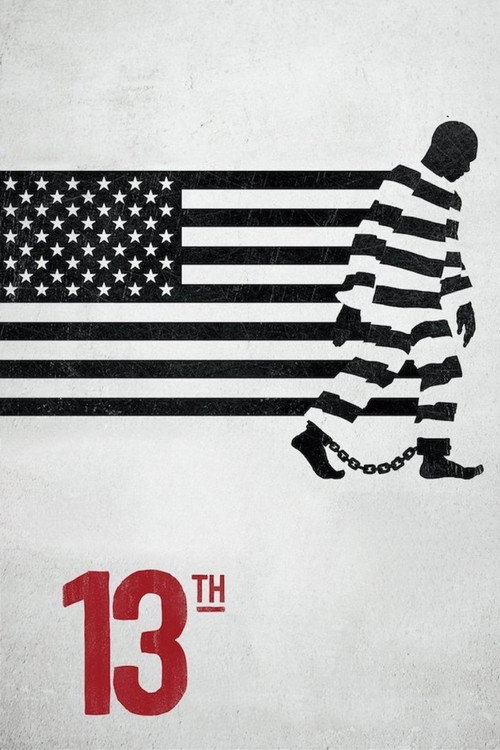
13th2016
A documentary that traces mass incarceration from slavery to the present day. Devastating evidence, expert witnesses, and a narrative that builds unstoppably. You'll understand systems you thought you already grasped.
But It's relentlessly heavy and implicated in truths most of us avoid. Watching means sitting with complicity. Not uplifting.
Moonlight2016
A profound three-act meditation on Black masculinity, vulnerability, and the cost of survival. Shot with lyrical precision, performed with devastating restraint. Beauty and heartbreak in equal measure.
But The pacing is meditative and the violence is mostly psychological. If you need plot momentum, you'll feel it slow.

Not sure tonight? Get a pick in a minute, starting from Two Distant Strangers
The wildcard
Something you would not have found on your own.
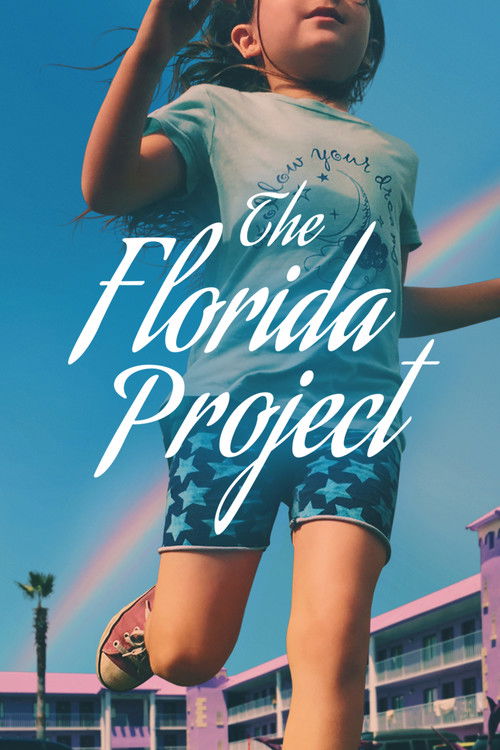
The Florida Project2017
Both use constraint and formal choice to force you into the experience of systems closing in. Neither allows the audience distance or comfort. Both are catastrophes disguised as specificity.
Sean Baker films a poor family living in motels on the edge of Orlando with radiant, unsentimental love. The first two-thirds are almost joyful; the ending is a gut punch. A film about systemic invisibility that sees its characters fully.
But It looks like a light film until it stops. The tonal shift devastates some viewers; others feel the shift is manipulative. Also shot on 35mm in academy ratio, which announces its strangeness before you press play.
More like this (8)
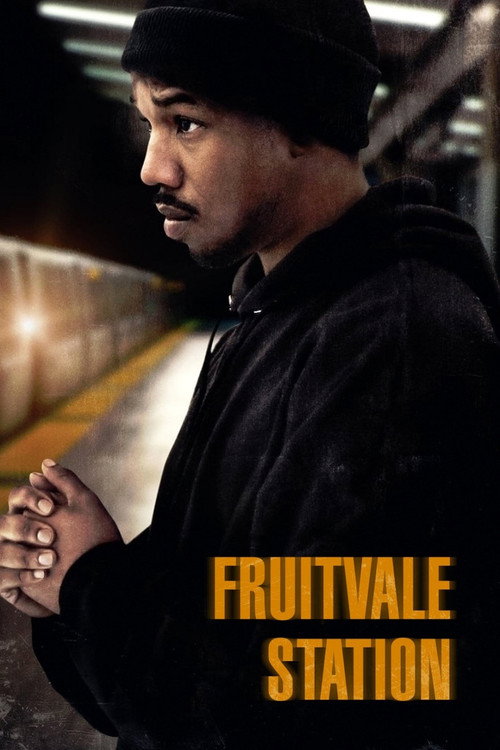
Fruitvale Station2013
Ryan Coogler's debut follows a young man through his final hours before a tragic real event. Intimacy and specificity make the eventual violence unbearable. One of the essential films about race and state violence in America.
But Knowing the ending doesn't diminish the impact, but it means watching toward tragedy. That's the entire point, and it hurts.
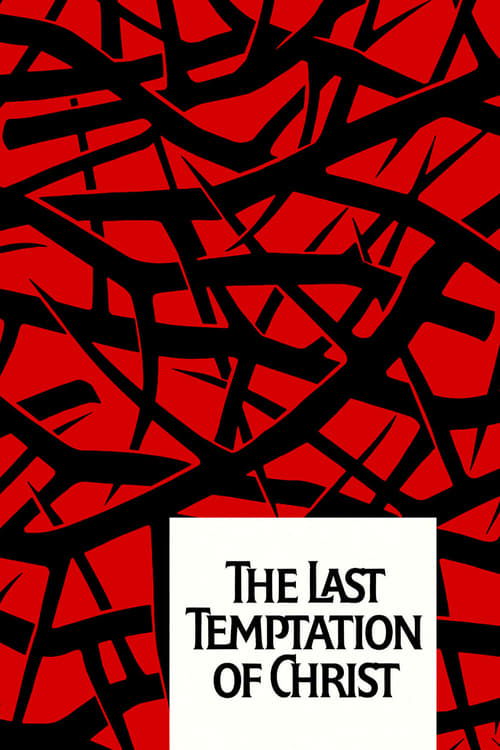
The Last Temptation of Christ1988
Scorsese's formally audacious biblical provocation uses time loops and repetition to explore suffering and choice. Visually restless, theologically dense, utterly unique. A vision of faith that refuses comfort.
But It's deliberately blasphemous and three-and-a-half hours long. Religious viewers may find it infuriating rather than illuminating.
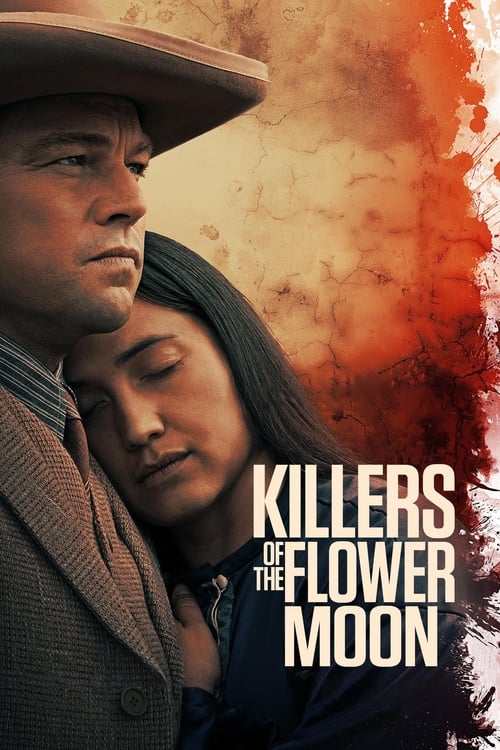
Killers of the Flower Moon2023
Scorsese's long meditation on American greed and Native American genocide. Meticulous, morally unflinching, and formally masterful. A film that forces you to witness rather than escape.
But At nearly 3.5 hours, it's deliberately slow and offers no heroes. The violence is systemic rather than kinetic, which some find less engaging.
Spotlight2015
Methodical journalism thriller about investigating institutional abuse. Ensemble cast, smart writing, and the satisfaction of process. Proof that procedurals can be deeply moving.
But It's cerebral rather than visceral. If you want emotional catharsis, this trades that for intellectual clarity, which isn't for everyone.

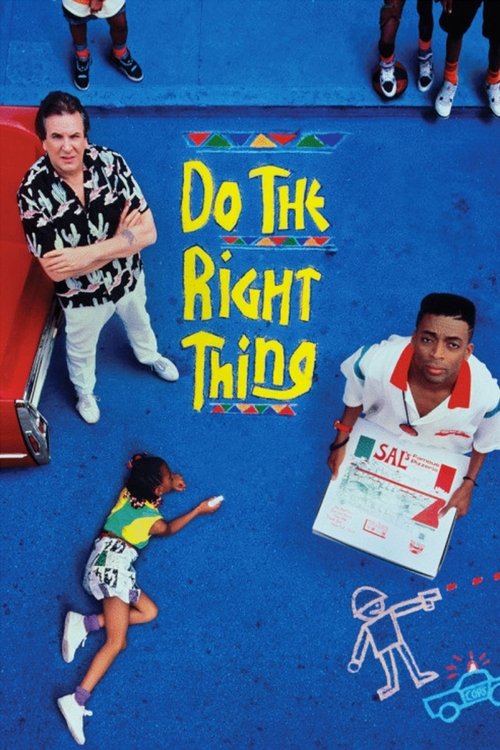
Do the Right Thing1989
Spike Lee's masterpiece about race, community, and violence in Brooklyn on the hottest day of summer. Formally inventive, funny and furious, structured like a pressure cooker. A film that refuses easy answers and becomes more vital every year.
But The ending provokes rather than resolves, which infuriates viewers seeking moral clarity. Some found it incendiary on release; some still do.
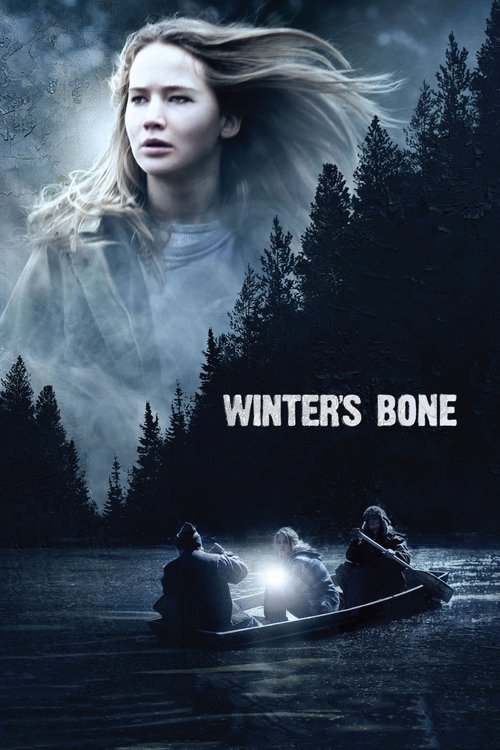
Winter's Bone2010
A sparse, haunting film about a young woman tracking her missing father through rural Ozark poverty and violence. Ree Dolly is unforgettable. Bleak and precisely observed, with real moral gravity.
But The world is ugly and closed off, and the film refuses to soften it. The pacing matches the exhaustion of its protagonist, which means it's deliberately draining.
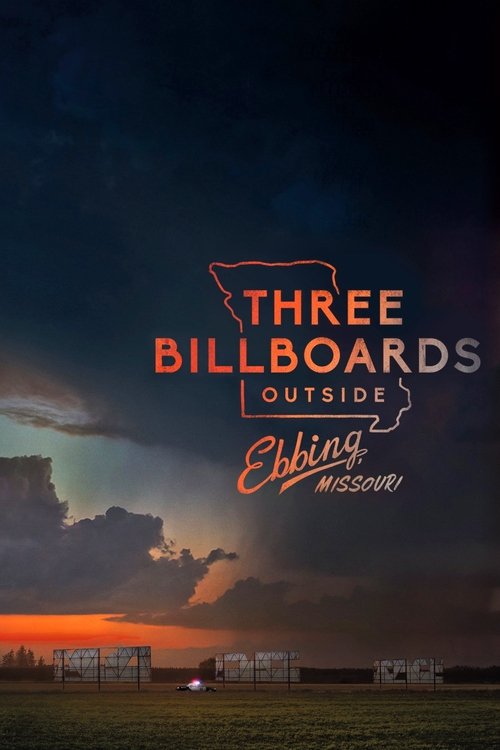
Three Billboards Outside Ebbing, Missouri2017
Both center the impossible choices someone makes when the system that should protect them is the threat. Both use their formal constraints to trap their protagonist and the viewer with them.
A woman's grief and rage at police indifference becomes an act of public defiance. Funny, painful, and formally daring, with Frances McDormand delivering one of her best performances. It's about how you survive when systems fail you.
But It's tonal chaos—dark comedy bleeding into tragedy. Some viewers feel it trivializes grief; others find the tonal whiplash brilliant. No middle ground exists here.
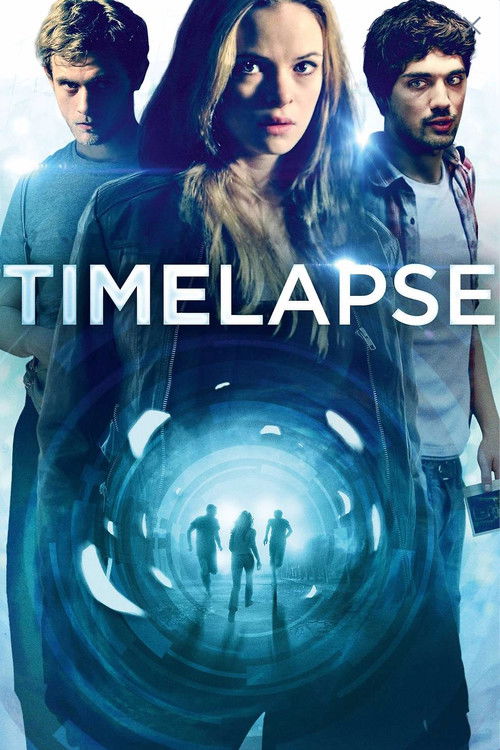
Time Lapse2014
Both weaponize the time-loop mechanic not for wonder but for inevitability. Both ask: what if you could see your future and it didn't matter? What if knowledge changes nothing?
A low-budget sci-fi thriller about three friends who find a camera that photographs the future. Fiendishly clever, visually inventive despite its constraints, and escalates into genuine horror. Proof that ingenuity beats budget.
But The plotting gets convoluted and dialogue can be clunky. It's a time-loop film that's less emotionally devastating than logically satisfying, which some find sterile.
People
Cast
 Joey Bada$$Carter James
 Andrew HowardOfficer Merk
 ZariaPerri
 Mona SishodiaFruit Seller
- Cameron EarlyStreet Cop 1
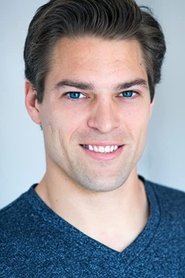 Jeremy RivetteStreet Cop 2
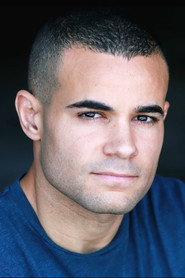 Trevor MorganStreet Cop 3
- Jeff BraggBusinessman
- Ana GonzalezBusinesswoman
- Michael MoravekCoffee Bro
 Annie HsuShort Lover
- Shane KrollTall Lover
Directing
- Martin Desmond RoeDirector
- Travon FreeDirector
Writing
- Travon FreeWriter
Production
- Omri KruviAssociate Producer
- Mike ShafiaCo-Producer
- Nick FrewCo-Producer
- Athan StephanopoulosExecutive Producer
- Kevin DurantExecutive Producer
- Michael NovogratzExecutive Producer
- Mickey MeyerExecutive Producer
- Mike ConleyExecutive Producer
- Nicholas MayeExecutive Producer
- Rich KleimanExecutive Producer
- Samir HernandezExecutive Producer
- Sean CombsExecutive Producer
- Terrence JExecutive Producer
- Tina ExarhosExecutive Producer
- Van LathanExecutive Producer
- Chris UettwillerProducer
- Jesse WilliamsProducer
- Lawrence BenderProducer
- Andrew SachsSupervising Producer