
Film
The Eye of the Storm
Jane Elliott's landmark 1970 documentary follows her groundbreaking classroom experiment on discrimination with Iowa third-graders, dividing them by eye color to demonstrate how quickly prejudice takes root. It's a short, intense, unsettling watch—not comfortable, but essential. For anyone wanting to understand how bias operates at a structural level, this is foundational.
If you liked this
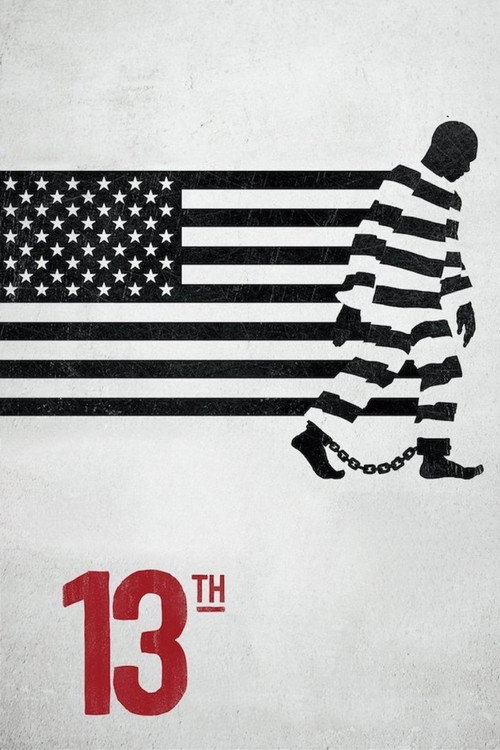
13th2016
Ava DuVernay's documentary traces how systemic racism evolved through American law from slavery to mass incarceration. It connects historical policy to present reality with clarity and moral force, building the bigger picture Elliott's experiment suggests.
But It's dense and sometimes legally technical. The accumulation of injustice can feel overwhelming rather than galvanizing.
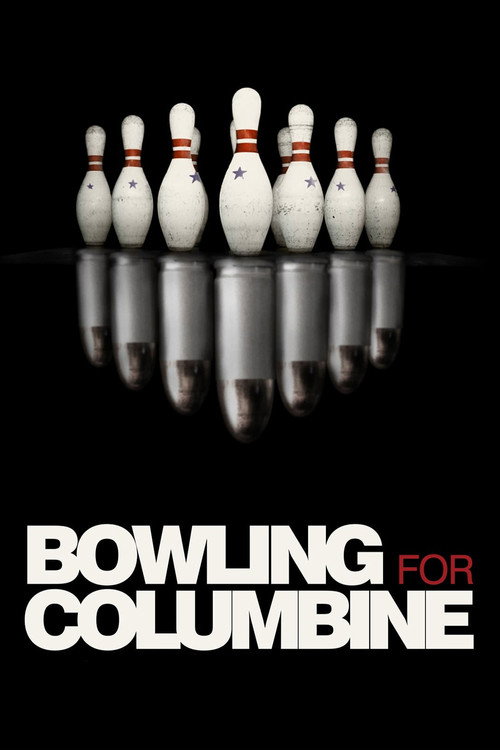
Bowling for Columbine2002
Michael Moore investigates what produces violence in America, interviewing everyone from K-12 educators to politicians. Like Elliott, he shows how systems shape behaviour, though his approach is confrontational rather than pedagogical.
But Moore's style is polemical and sometimes manipulative. If you prefer your documentaries neutral, his presence will annoy you.
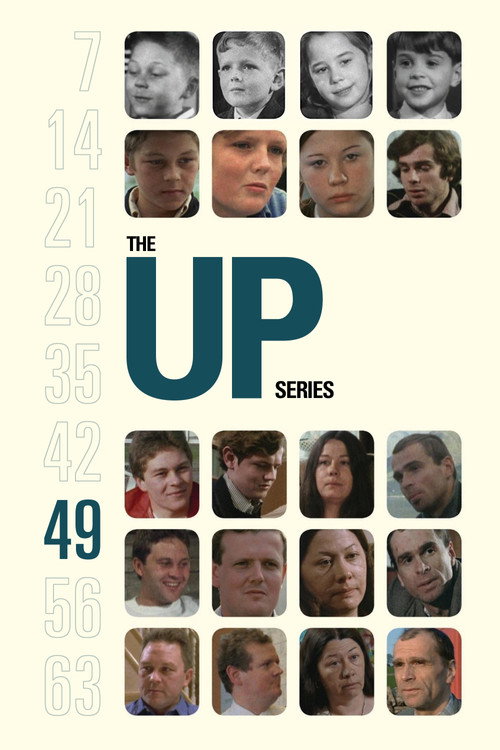
49 Up2006
Michael Apted follows the same group of British children every seven years, observing how class, opportunity, and circumstance shape their lives. It's patient, longitudinal, and deeply human—the opposite of a quick lesson, but the same fundamental question.
But It demands commitment: watching all eight films takes 20+ hours. The payoff is profound, but the time investment is real.
Not sure tonight? Get a pick in a minute, starting from The Eye of the Storm
More like this (5)
Frontline1983
A follow-up to Elliott's experiment, revisiting her former students as adults to see what lasting impact that lesson had. It deepens the original's implications and shows how trauma—even simulated—can echo.
But Knowing the setup, it can feel repetitive if you've already seen The Eye of the Storm. The pacing is slower than the original.

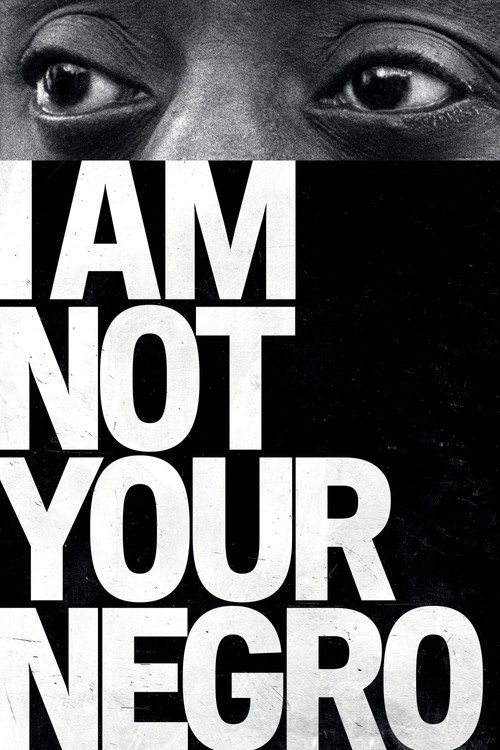
I Am Not Your Negro2017
Raoul Peck constructs a essay-film from James Baldwin's writing, images, and archival footage to examine what America's racial reckoning actually requires. It's lyrical and unflinching, Baldwin's voice guiding you through decades of resistance.
But It's more poetic than expository; some viewers prefer documentaries that argue with evidence rather than feeling. The historical footage includes violence.
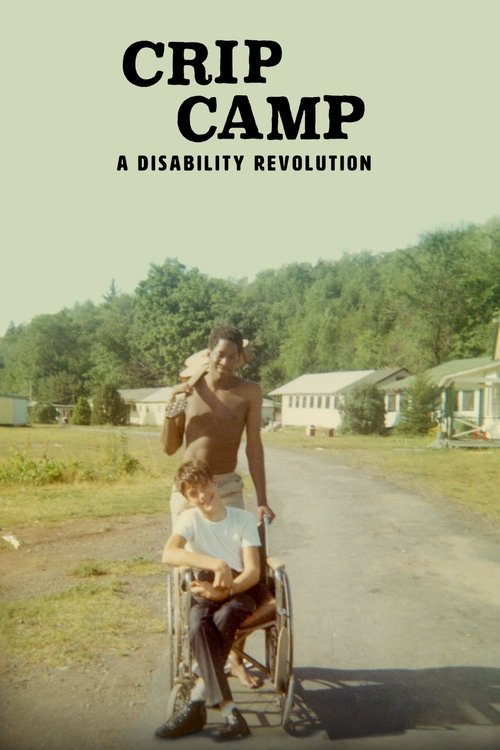
Crip Camp: A Disability Revolution2020
Directors Nicole Newnham and James LeBrecht document a 1970s summer camp for disabled youth that became a crucible for disability rights activism. It's joyful, political, and shows how community builds power—a different lens on structural change.
But It's gentler and more celebratory than Elliott's sober approach. If you're after unflinching discomfort, this offers hope instead.
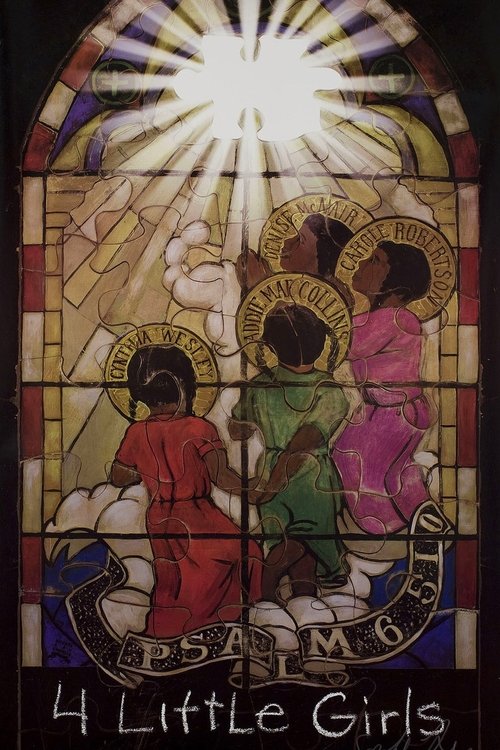
4 Little Girls1997
Spike Lee's documentary about the 1963 Birmingham church bombing that killed four Black children. It's a specific tragedy that reveals a system—how prejudice becomes violence, and why it mattered then and now.
But The subject matter is dark and the film doesn't offer catharsis. It asks you to witness rather than resolve.
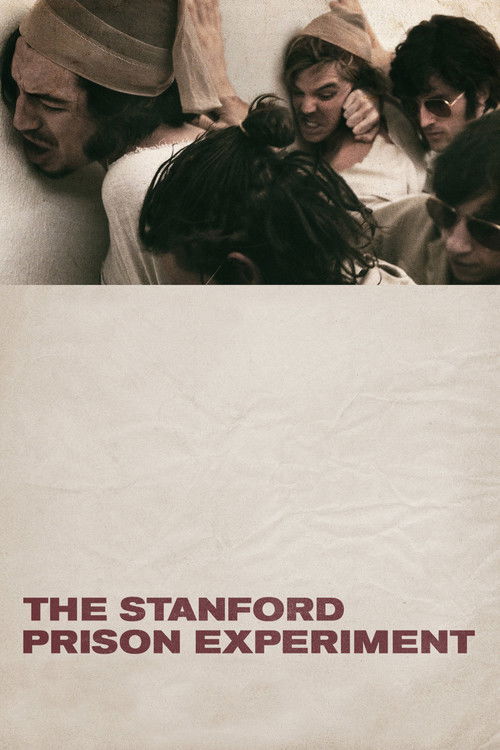
The Stanford Prison Experiment2015
A dramatization of Philip Zimbardo's infamous 1971 psychological study on how roles shape behaviour. It echoes Elliott's insight about systems overriding individual morality, though in a university setting rather than a classroom.
But Recent scholarship has questioned Zimbardo's methodology and conclusions. The dramatization can feel like it's endorsing a study now seen as flawed.
People
Cast
 Jane ElliottSelf
Directing
- William PetersDirector
Writing
- William PetersWriter
Production
- Muriel PetersAssociate Producer
- Arthur HolchExecutive Producer
- William PetersProducer