
Film
Dream a Little Dream
- Fantasy
- Science fiction
- Light-hearted
A 1989 body-swap fantasy where a dying old man's consciousness lands in a teenage dreamer's body, granting him a second shot at youth while the kid watches from dreamland. It's earnest, goofy, and aggressively eighties—part romance, part magical realism, entirely sincere about the power of dreams and second chances. Built for viewers who want their fantasy with a side of sincerity.
Should you watch it?
Watch it if you love body-swap comedies where a wild premise is played straight with a sweet, slightly goofy teenage heart, and you don't mind 1980s rough edges.
Skip it if you want a tight, fast comedy, since this meanders through its dream logic and runs nearly two hours, and its romance feels sweet rather than sparkling.
What it asks of you: Settle in for nearly two hours of loose, looping scenes; it rewards you for drifting along with its dream logic rather than trying to pin it down.
Not sure? Find tonight's pick in a minute.
If you liked this
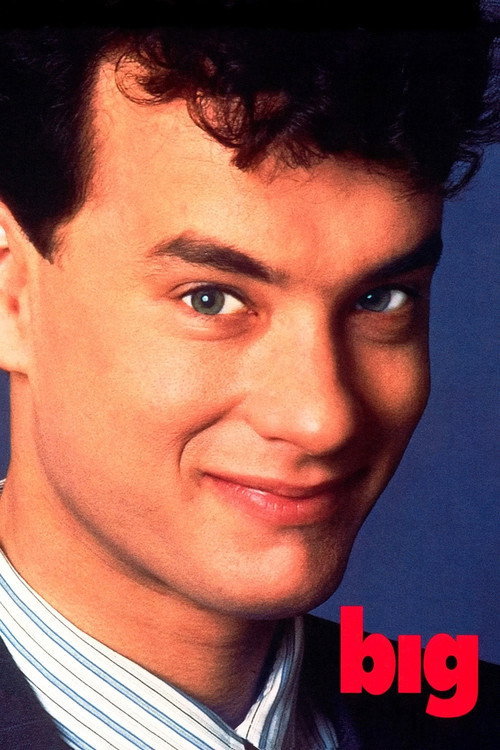
Big1988
Tom Hanks stuck in an adult body learning to be a kid again. It nails the same wistful tone about identity and time, with genuine warmth underneath the fish-out-of-water comedy.
But It's almost too perfect and well-crafted—lacks the eccentric, homemade charm that makes Dream a Little Dream oddly endearing.
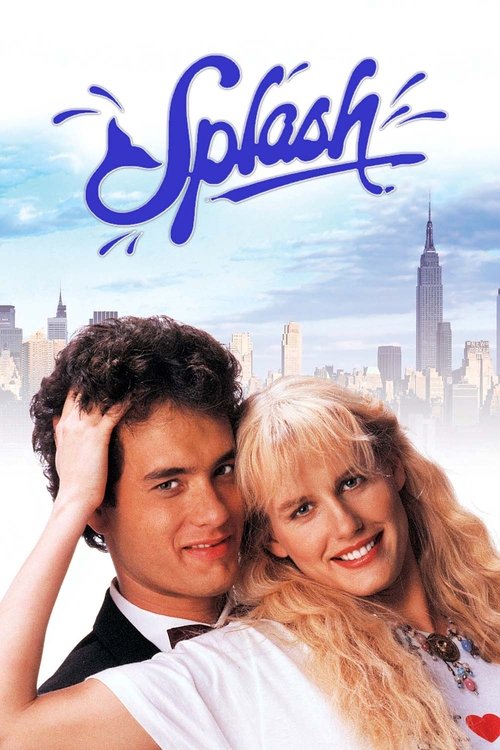
Splash1984
Tom Hanks again, this time opposite a mermaid who doesn't fit the world she's entered. Same blend of romance, comedy, and magical realism working against real emotion.
But Smoother and more Hollywood-polished; the magic feels safer, less dreamlike and disorienting.
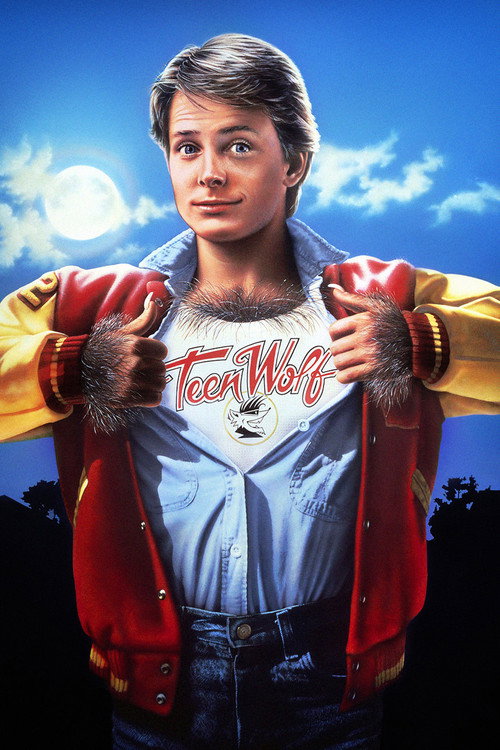
Teen Wolf1985
Michael J. Fox as a high schooler whose identity crisis becomes literal. Taps that same vein of supernatural intervention solving social problems, with genuine heart buried under the comedy.
But More straightforward and less philosophically ambitious—it's comfort food, not the strange meditation Dream a Little Dream reaches for.
Not sure tonight? Get a pick in a minute, starting from Dream a Little Dream
The wildcard
Something you would not have found on your own.
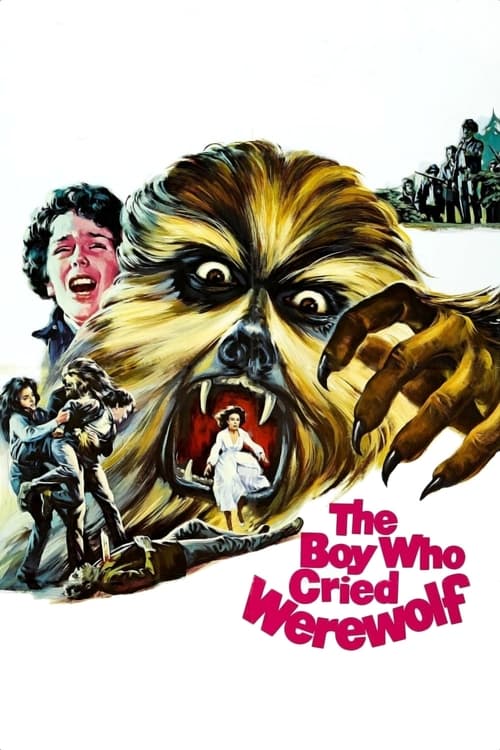
The Boy Who Cried Werewolf1973
Both films trust their magical premise completely and use it to explore real emotional stakes rather than irony.
Kerwin Mathews as a man who may or may not be transforming; low-budget 70s horror that plays it completely straight. The connection: both films believe absolutely in their impossible premises and ask you to feel what the protagonist feels rather than wink at the audience.
But Genuinely slow; television-level production values. Patience required, but the sincerity is disarming if you meet it halfway.
More like this (8)
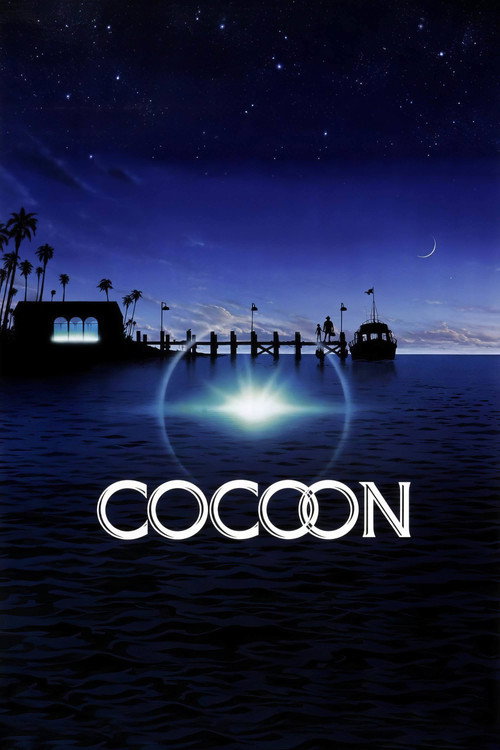
Cocoon1985
Elderly people offered a chance at youth and vitality. Explores the same themes about time, regret, and whether you'd actually want a second act if you got one.
But It's serious and sentimental where Dream a Little Dream is playful; slower, more deliberate, less interested in teenage romance.
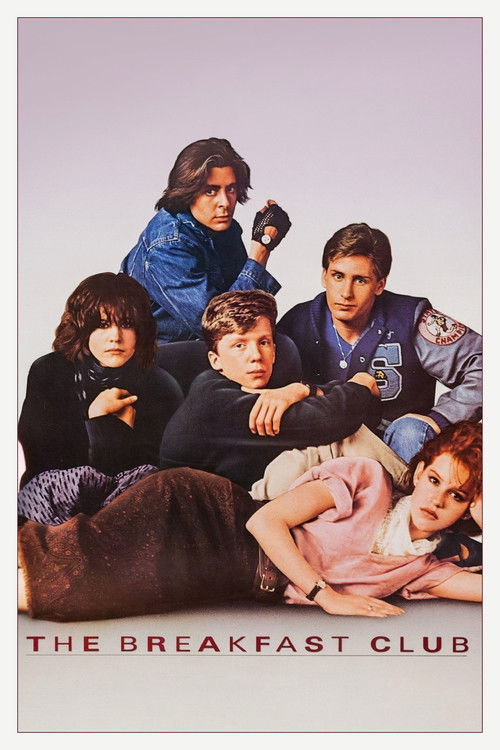
The Breakfast Club1985
Five teenagers stuck together discover they're more than their stereotypes. Same era, same sincere investment in teenage interior lives, same belief that connection matters.
But Grounded in reality; lacks the magical-realism framework that makes Dream a Little Dream's teen angst feel weightless and lyrical.
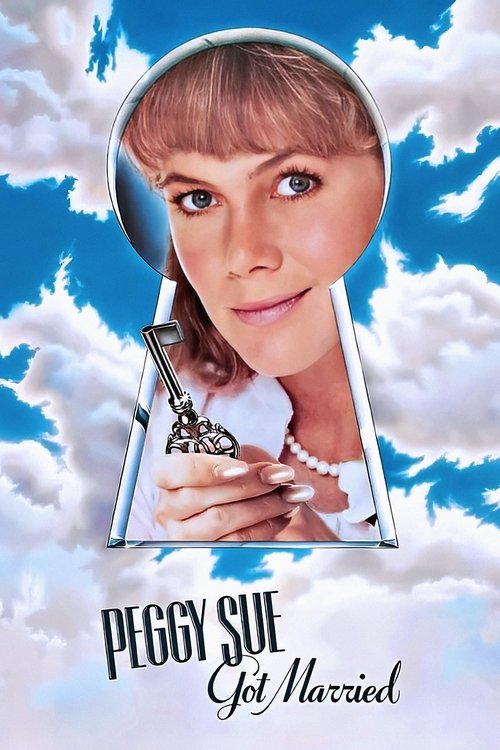
Peggy Sue Got Married1986
Kathleen Turner gets to revisit her youth and ask if she'd do it all again. Direct thematic ancestor—body swap, time, regret, the chance to change your life—but aimed at adults.
But Heavier, more melancholic; trades the dreamy fantasy tone for real consequences and middle-aged disillusionment.
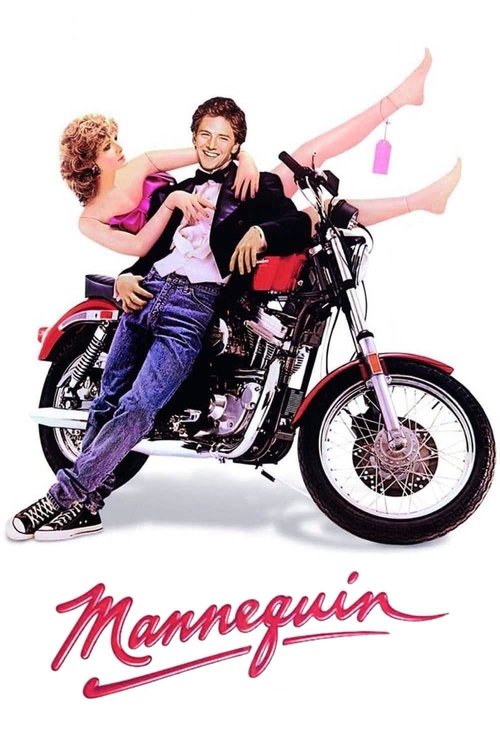
Mannequin1987
Andrew McCarthy and a magical object that shouldn't exist but does, granting impossible romance. Same 80s earnestness about wish fulfillment and whether dreams should become real.
But Strictly a comedy; has no interest in the philosophical undercurrent that gives Dream a Little Dream its strange depth.
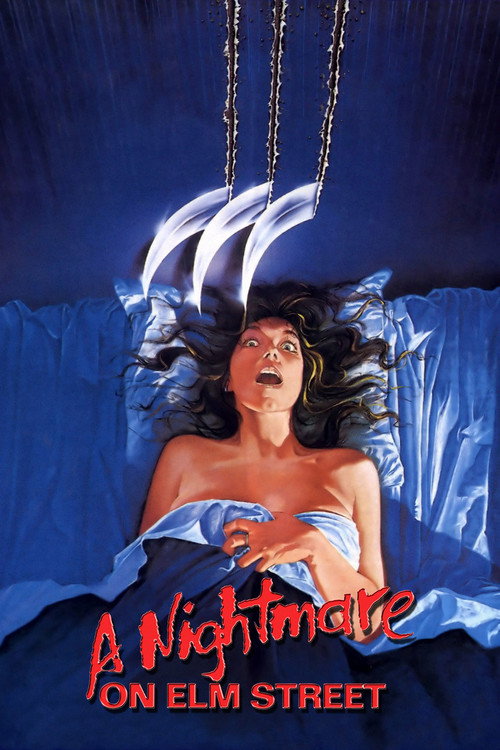
A Nightmare on Elm Street1984
Dreams as invasion and violation. Shows the inverse side of Dream a Little Dream's fantasy—what if your subconscious wasn't a gift but a threat?
But It's horror, not romance. Entirely different mood; you're watching to be unsettled, not comforted.
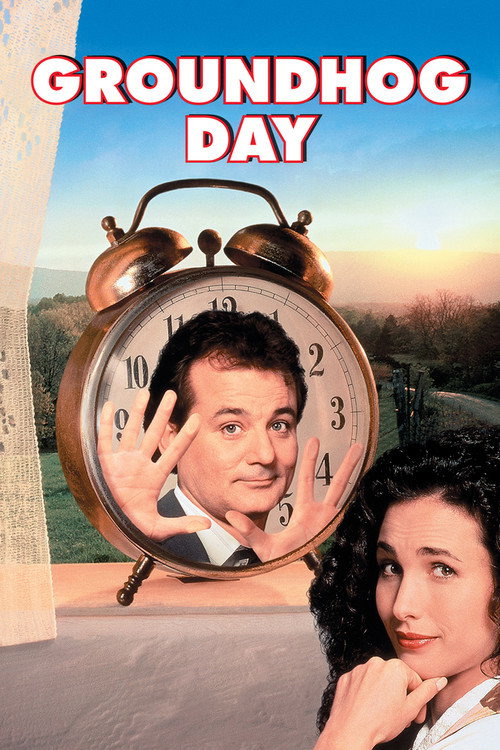
Groundhog Day1993
Bill Murray trapped in repetition learning to live better. Same skeleton—magical intervention forcing self-examination—though it uses time instead of bodies as its lever.
But Darker and more philosophical; less interested in teenage love, more interested in despair and redemption.
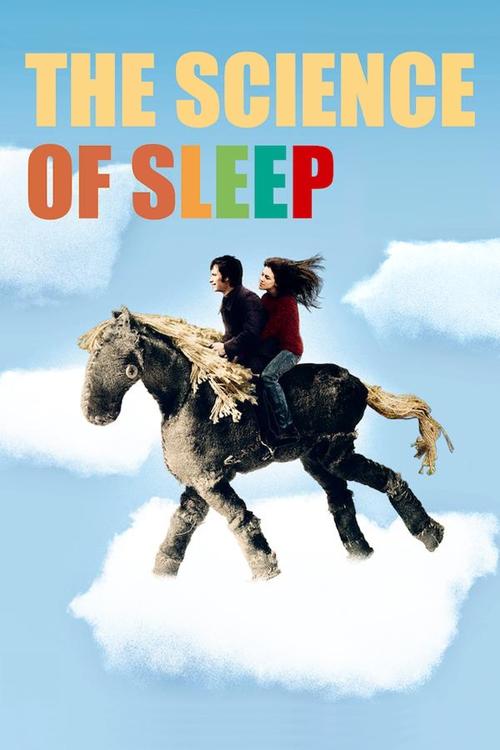
The Science of Sleep2006
Both center on dreams as literal spaces where identity and connection happen, and both insist on the emotional truth of what happens there.
Michel Gondry's visually handmade film about a man who can't distinguish dreams from waking. Surreal, tender, about the power of imagination to reshape reality. Dream a Little Dream's spiritual successor, made with stop-motion and cardboard instead of 80s synth.
But Deliberately slow and precious; some will find it insufferably twee. The craft can feel more important than the story.
Paprika2006
Both treat dreams not as escape but as the truest version of reality, where real emotional work happens.
Satoshi Kon's Japanese animated film where a dream-sharing device breaks down and fantasy invades reality. Visually wild, philosophically playful, completely sincere about how dreams shape who we are. The connection: both films treat the dream world as more real and important than waking life.
But Animated and heavily stylized; the visual density can be overwhelming. Requires engagement with 'arthouse anime' if that's not your language.

People
Cast
 Jason RobardsColeman Ettinger
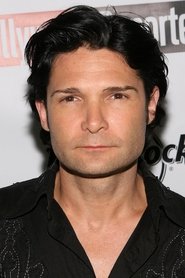 Corey FeldmanBobby Keller
 Piper LaurieGena Ettinger
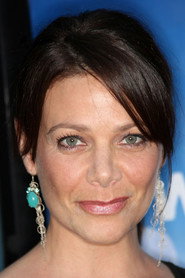 Meredith SalengerLainie Diamond
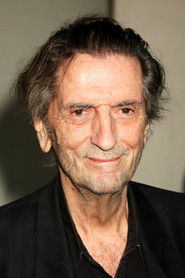 Harry Dean StantonIke Baker
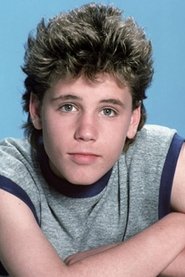 Corey HaimDinger
 Susan BlakelyCherry Diamond
 William McNamaraJoel
 Matt AdlerDumas
 Victoria JacksonKit Keller
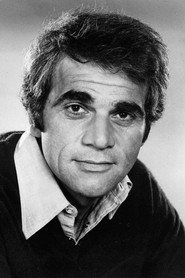 Alex RoccoGus Keller
 Ria PaviaMaureen
Directing
- Marc RoccoDirector
- Patrick LeybaFirst Assistant Director
- Merry Lowry-DonnerScript Supervisor
- James P. LiacourasSecond Assistant Director
- Russell LivingstoneSecond Unit Director
Writing
- Daniel Jay FranklinOriginal Story
- D.E. EisenbergScreenplay
- Daniel Jay FranklinScreenplay
- Marc RoccoScreenplay
Production
- Russell LivingstoneAssociate Producer
- Steven I. CelnikerAssociate Producer
- Jane FeinbergCasting Director
- Mike FentonCasting Director
- Ellen SteloffExecutive Producer
- Lawrence KasanoffExecutive Producer
- Robert G. MagauddaLine Producer
- Sheila AllenLocation Manager
- D.E. EisenbergProducer
- Marc RoccoProducer
- Robert G. MagauddaProduction Accountant
- Adam Lee FreemanProduction Assistant
- Kathryn ColbertProduction Coordinator
- Vincent AgostinoUnit Manager