
Film
Peggy Sue Got Married
A little dose of magic dropped into pure American nostalgia: Kathleen Turner faints at her 25th reunion and wakes up back in 1960, seventeen again, marriage undone. Coppola directs it warm rather than operatic — more wistful comedy than time-travel puzzle, more about mourning who you were than fixing what went wrong. Funny, aching, a touch slight, and perfect for anyone nursing their own what-ifs.
If you liked this
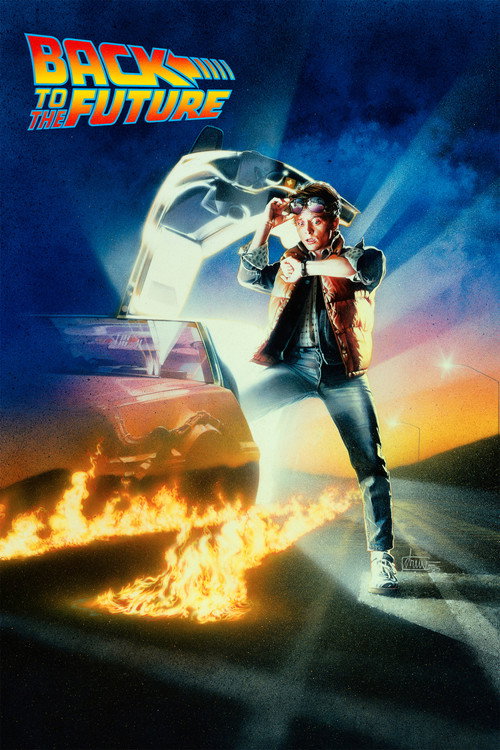
Back to the Future1985
The obvious cousin — same decade, same premise of getting thrown backward into your parents' youth — but played as breathless adventure rather than melancholy. Fox's panic replaces Turner's wistfulness, and the thrill of walking around inside the past is identical.
But If you want quiet regret rather than plot mechanics and a souped-up DeLorean, its manic energy might feel like the wrong mood entirely.
Big1988
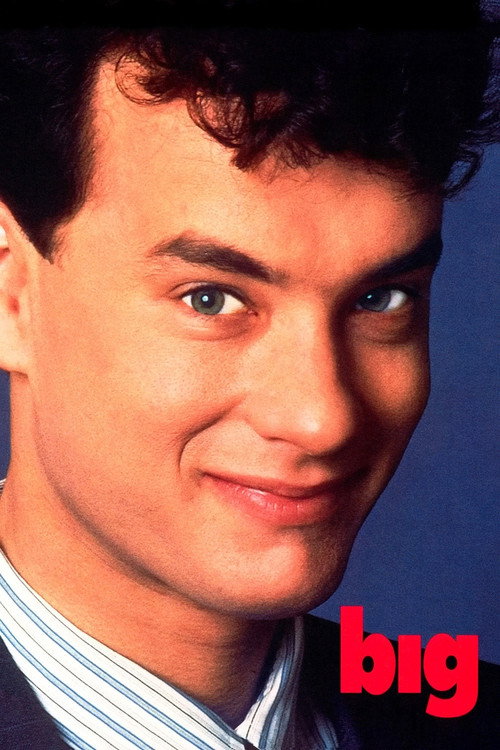
A body-swap wish granted forward instead of back — a kid becomes an adult overnight, and the film mines that same gap between who you are and who you're expected to be, with Tom Hanks at his most disarming.
But The wheeee-I'm-grown-up joy is sunnier and simpler than Peggy Sue's ambivalence; it never really doubts the wish it grants.
Groundhog Day1993
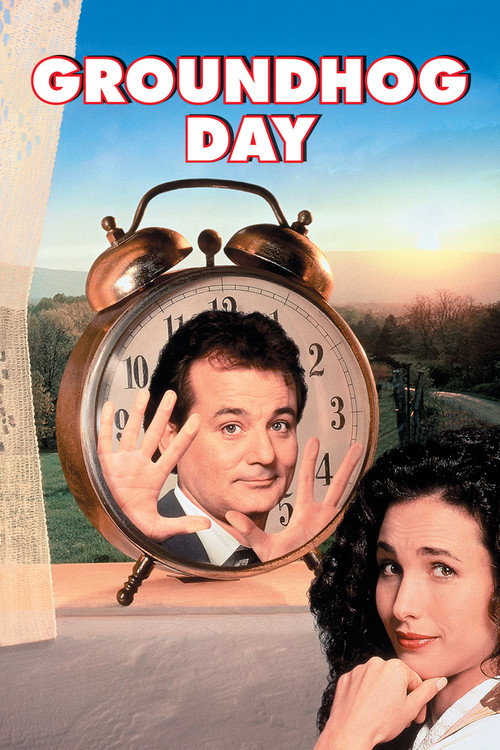
Trades one seismic leap back for infinite repetition, forcing its hero to relive a single day until he actually learns something. Same bones — a second, or thousandth, chance to become better — filtered through pure comic invention.
But The structure is a loop, not a linear return, so if you want the specific nostalgia of revisiting an actual past, this swaps wistfulness for philosophy.
The wildcard
Something you would not have found on your own.
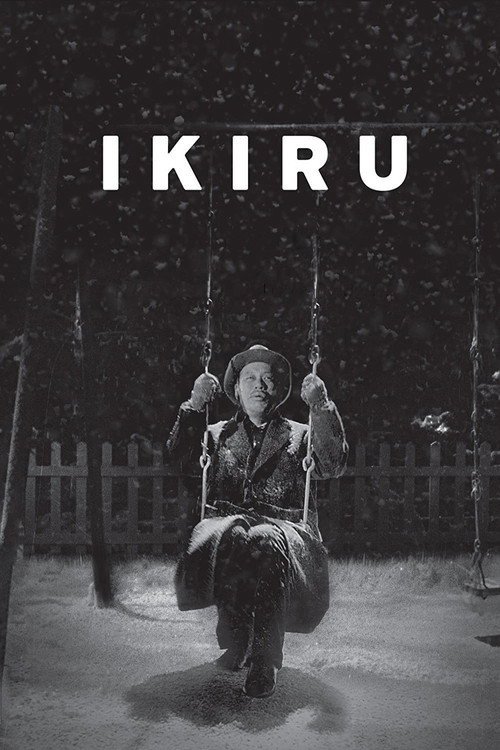
Ikiru1952
Both films put someone outside their own life and ask what they'd do differently — Peggy Sue gets a literal do-over, Kanji Watanabe only gets clarity, and watching them together sharpens what a "second chance" is actually worth.
Kurosawa's quietly devastating study of a bureaucrat who learns he's dying and finally starts living — the reverse mirror of Peggy Sue's fantasy, since he gets no chance to go back, only the sudden, terrible urgency of going forward.
But It's a slow, black-and-white Japanese drama with no fantasy device and almost no humour — a completely different register if you came for the comedy.
More like this (8)
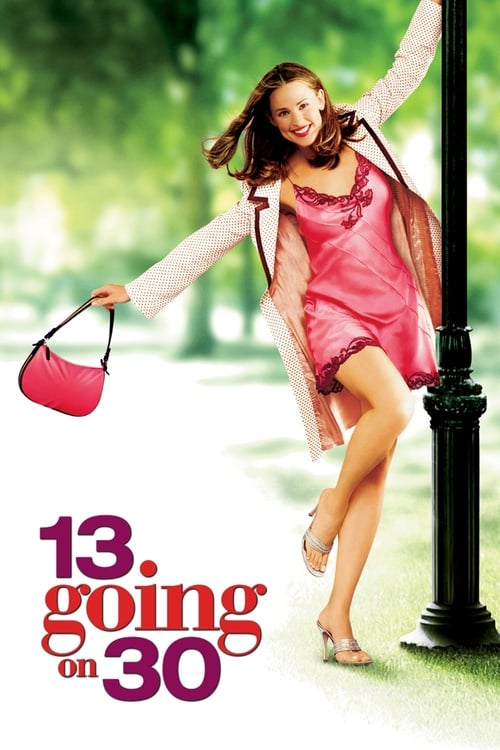
13 Going on 302004
A mirror image of the premise — a girl wishes herself into adulthood and wakes up thirty, disoriented by a life she doesn't recognize. Jennifer Garner plays the same collision of who-you-were and who-you-became, just louder and blonder.
But It's glossier and gentler, built for a rom-com crowd rather than anyone hoping for genuine ache about time slipping away.
Romy and Michele's High School Reunion1997no page yet
No time travel here, just the reunion itself — the same specific dread of walking into a gymnasium full of people who remember exactly who you used to be, played for glorious, dumb comedy.
But It's a flat-out comedy with none of the fantasy device or melancholy; if you wanted the magic, this only offers the mortification.
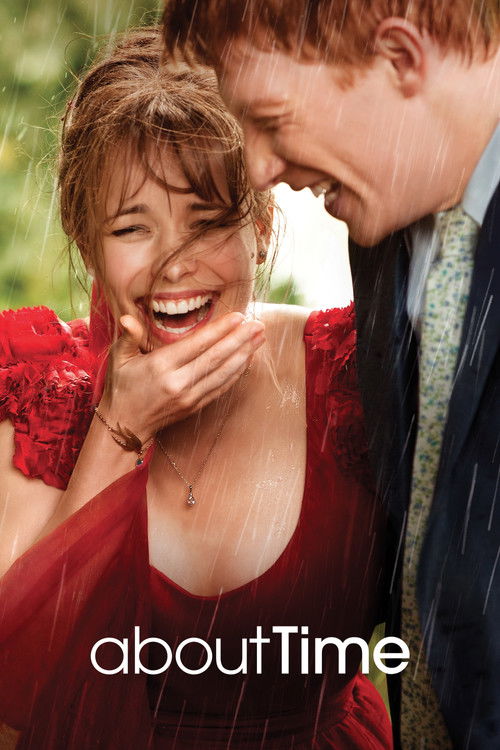
About Time2013
A gentler cousin: a young man discovers he can travel back within his own life and, like Peggy Sue, slowly learns the point isn't rewriting events but appreciating the ones he already had.
But It's romantic rather than reflective on a whole marriage's worth of regret, and its whimsy is thicker, sweeter, and far less hard-won.
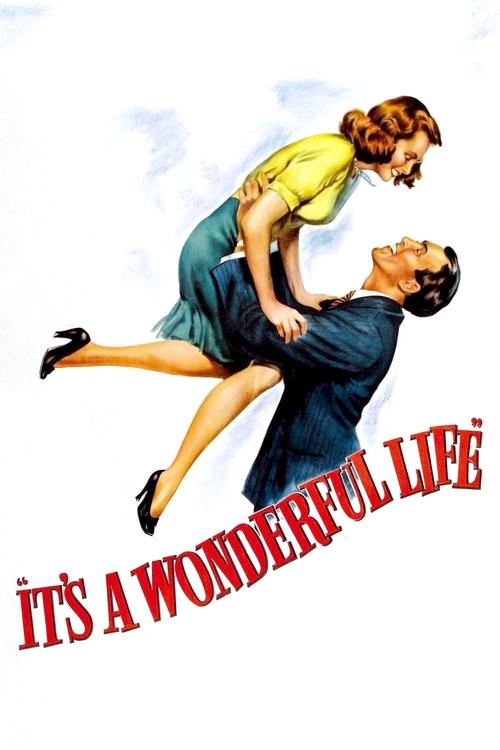
It's a Wonderful Life1946
The ur-text of "what if I saw my life differently" — no literal trip to the past, but the same interrogation of marriage, ambition, and the road not taken, played with total sincerity instead of irony.
But It's black-and-white, Christmas-soaked, and far more openly sentimental — a different vintage of heart-tugging than Peggy Sue's shrugging comedy.
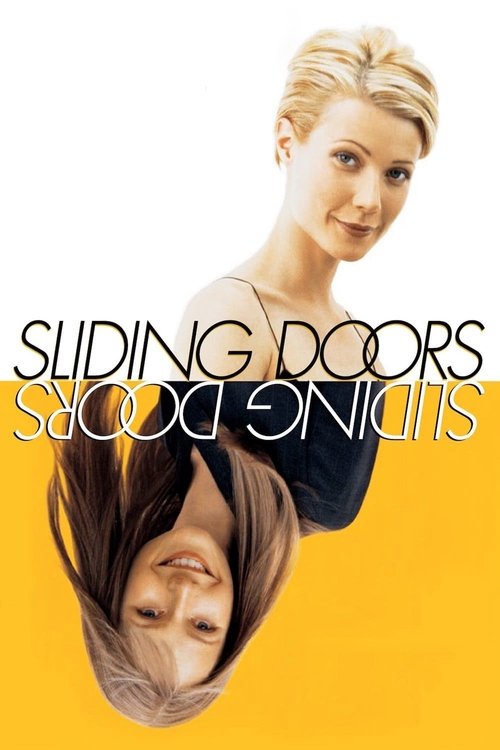
Sliding Doors1998
Splits one life into two parallel versions instead of one revisited past, but asks the same question Peggy Sue does: how much of who you are was decided by one small moment, and would another have made you happier?
But The two timelines run side by side rather than looping backward, and the tone — brisker, more straightforward rom-com — feels quite different.
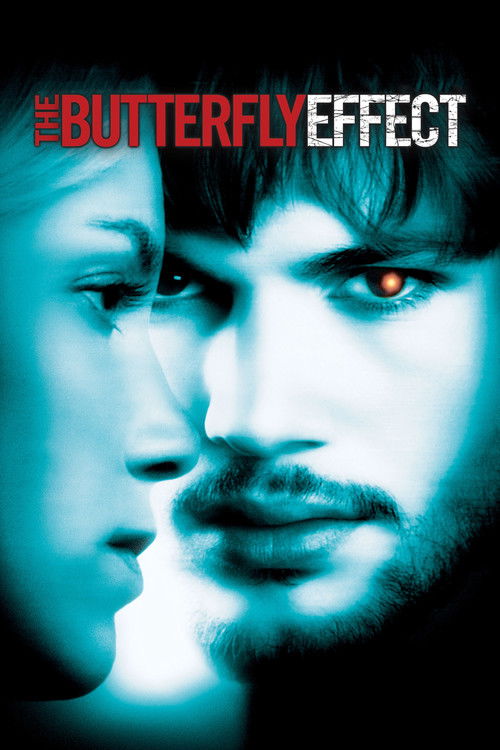
The Butterfly Effect2004
Takes the "go back and fix it" fantasy and drags it somewhere much darker, showing what happens when altering the past keeps making everything worse. A good reminder of how gentle Peggy Sue actually is with its own premise.
But It's a grim, twisty thriller with none of the comic warmth — only watch this if you want the idea turned genuinely bleak.
The Girl Who Leapt Through Time2006
Both hinge on a young woman discovering she can revisit her own timeline and slowly realizing that even small choices ripple outward — one told as wistful adult comedy, the other as bittersweet coming-of-age animation.
A Japanese animated teen romance in which a girl discovers she can leap backward in time and, at first, wastes it on trivial redos before the stakes quietly catch up with her — the same shape as Peggy Sue's premise, aimed at seventeen-year-olds rather than nostalgic adults.
But It's anime built for a much younger audience, gentle and sentimental rather than wry, so the adult ambivalence at the heart of Peggy Sue is entirely absent.

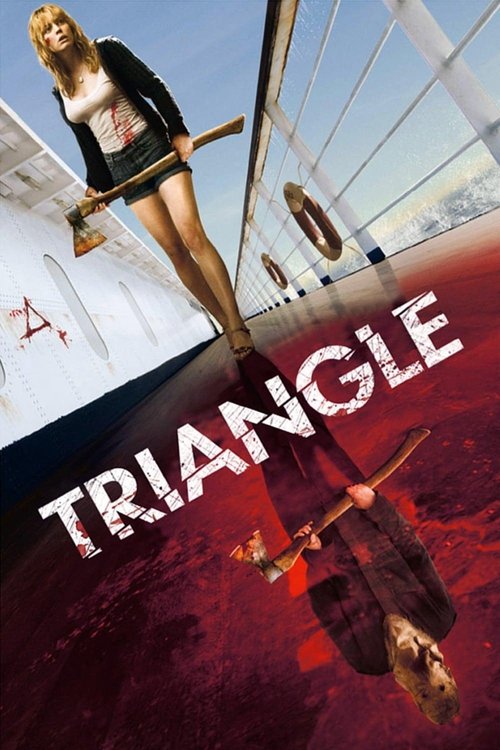
Triangle2009
Both use a loop back through time to force the protagonist toward guilt and choice, but where Peggy Sue's revisit is bittersweet and funny, Triangle's is a psychological trap with teeth.
A single mother boards a boat and ends up trapped repeating the same violent day over and over, forced to confront exactly what she's running from — the time-loop-as-reckoning idea, stripped of nostalgia and turned into nightmare.
But This is a genuinely unsettling horror-thriller with real violence and dread; if you wanted Peggy Sue's warm melancholy, this will feel like a cold shower.
People
Cast
 Kathleen TurnerPeggy Sue
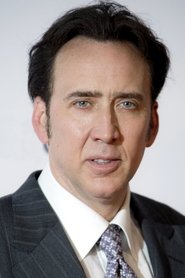 Nicolas CageCharlie Bodell
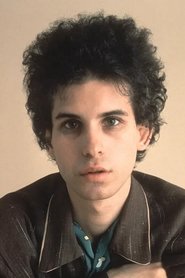 Barry MillerRichard Norvik
 Catherine HicksCarol Heath
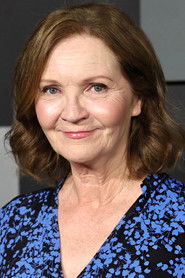 Joan AllenMaddy Nagle
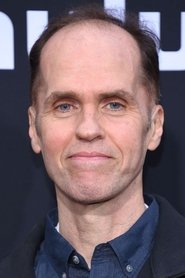 Kevin J. O'ConnorMichael Fitzsimmons
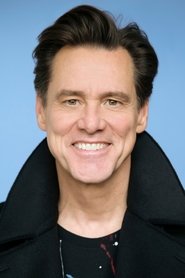 Jim CarreyWalter Getz
 Lisa Jane PerskyDelores Dodge
 Lucinda JenneyRosalie Testa
 Wil ShrinerArthur Nagle
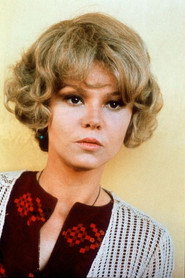 Barbara HarrisEvelyn Kelcher
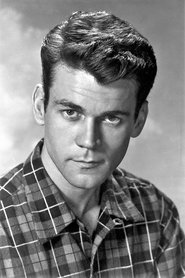 Don MurrayJack Kelcher
Directing
- Francis Ford CoppolaDirector
- Doug ClaybourneFirst Assistant Director
- Wilma Garscadden-GahretScript Supervisor
- Mark RadcliffeSecond Assistant Director
- Carey DietrichSecond Second Assistant Director
Writing
- Arlene SarnerWriter
- Jerry LeichtlingWriter
Production
- Eileen McGuireAssistant Accountant
- Pennie DuPontCasting
- Barrie M. OsborneExecutive Producer
- Sam MercerLocation Manager
- Francis Ford CoppolaProducer
- Paul R. GurianProducer
- Elizabeth YanoskaProduction Accountant
- George ParraProduction Assistant
- Lisbeth Wynn-OwenProduction Coordinator
- Barrie M. OsborneUnit Production Manager
Recommended by
Back to the Future, Only Yesterday, Mrs. Dalloway, 13 Going on 30, Never Been Kissed, Somewhere in Time