
Film
Poltergeist II: The Other Side
A family pursued by a relentless supernatural force discovers that moving house doesn't break the haunting—it just changes the game. Poltergeist II leans harder into cosmic horror and possession mythology than its predecessor, trading intimate domestic terror for epic, grotesque spectacle. It's visually audacious and genuinely unsettling, though it moves away from the tight scares that made the original work. Best for those who love their horror weird and committed to its own logic.
If you liked this
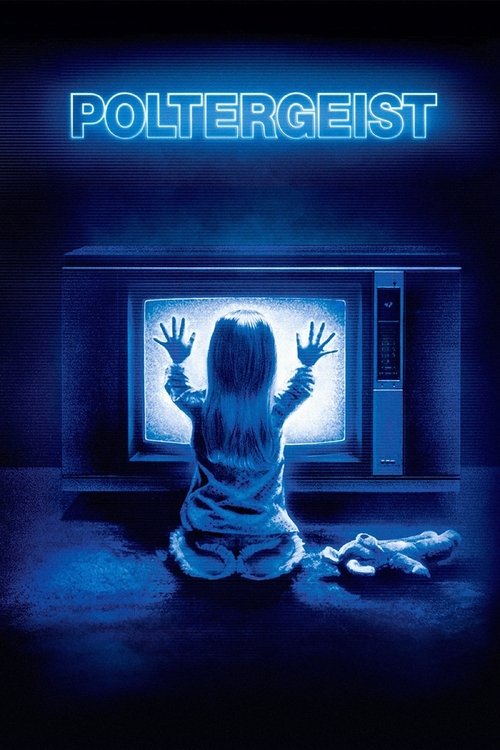
Poltergeist1982
The original film that invented this story. Tighter, scarier, more ingenious with its effects and concept. Essential viewing to understand what Poltergeist II is trying to build on and where it diverges most wildly.
But It's a 1982 film with the pacing of a 1982 film. If you watch this first, the sequel's escalation hits better—but on its own it may feel slow to modern viewers accustomed to jump-scares.
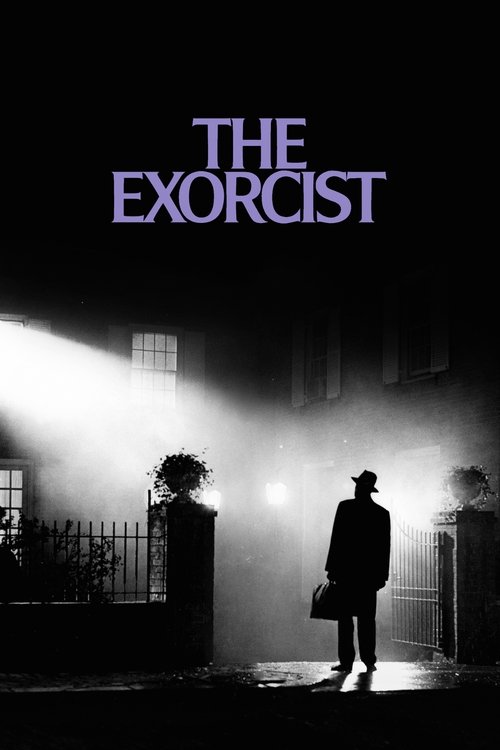
The Exorcist1973
The DNA is here: a child targeted by an ancient supernatural force, a family desperate to save her, religious mythology as the lens for cosmic evil. It's the template Poltergeist II is riffing on, and it remains the gold standard for possession horror.
But Nearly three hours long and deliberately paced. The terror operates through dread and suggestion rather than spectacle, which means if you want visual thrills, you'll wait a long time for them.
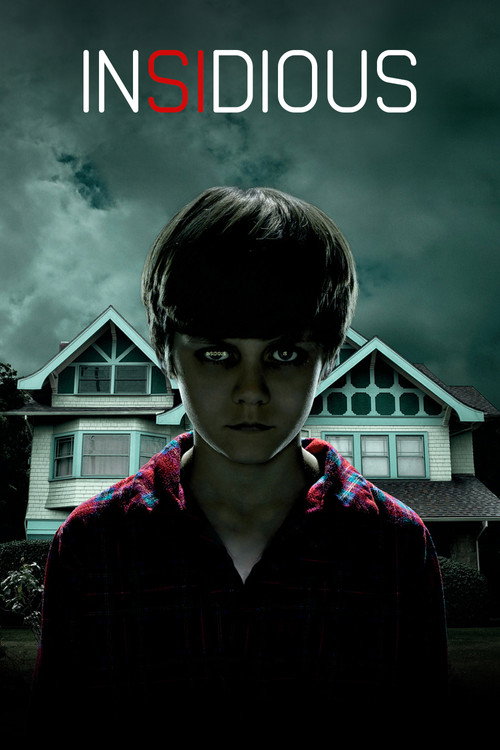
Insidious2011
Modern supernatural horror that owes a real debt to Poltergeist's family-under-siege structure. Sharp scares, a genuinely inventive cosmology, and Patrick Wilson and Rose Byrne as parents fighting through hell to save their son. No wasted moments.
But The twist and final act divide audiences sharply. Some find it transcendent; others feel it tips toward absurdity. You'll know within the first ten minutes if the tone works for you.
Not sure tonight? Get a pick in a minute, starting from Poltergeist II: The Other Side
The wildcard
Something you would not have found on your own.
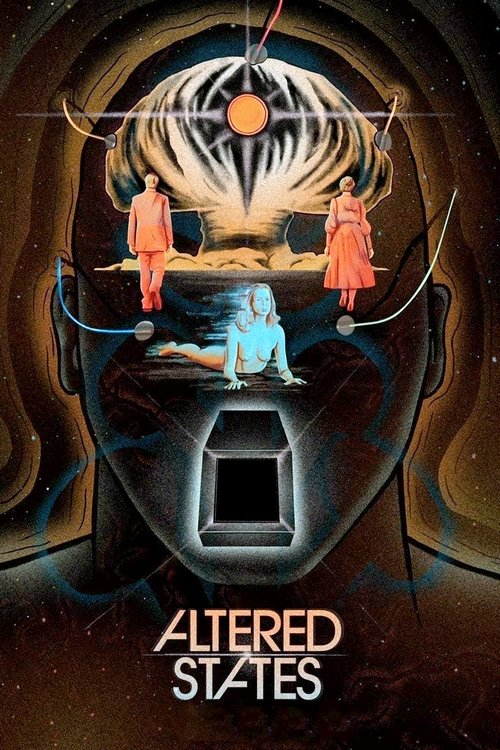
Altered States1980
Both films blur the line between psychological breakdown and genuine supernatural incursion. Reality becomes unreliable in similar ways, and both treat the human body as a site where cosmic forces can literally manifest.
A scientist uses sensory deprivation and hallucinogens to explore consciousness itself and accidentally opens a door to something primal and inhuman. It's visually trippy, philosophically strange, and operates on pure cosmic-horror logic—no explanations, only escalation and terror.
But The special effects are deliberately surreal and unsettling in a way that can feel dated or even unintentionally funny. It's also deeply weird in its emotional register, treating the supernatural as existential threat rather than narrative problem to solve.
More like this (8)
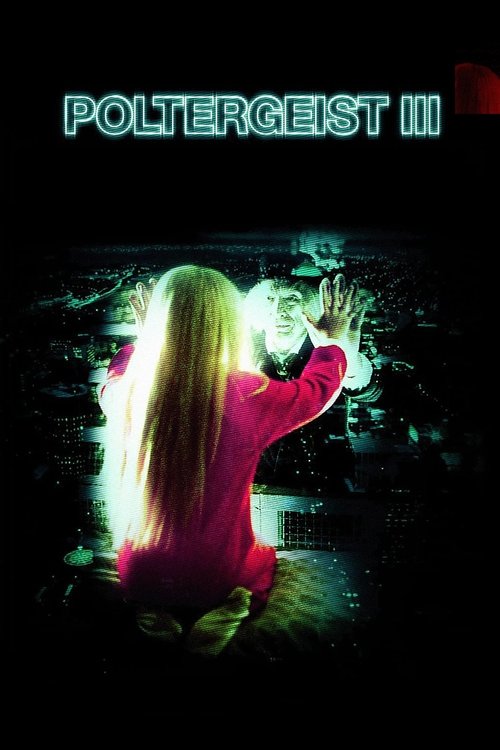
Poltergeist III1988
Completes the Freeling saga with Carol Anne in a new setting—a high-rise apartment becomes a maze of mirrors and supernatural traps. It's visually inventive and leans into the weirdness rather than pulling back.
But Without the original cast's chemistry and Tobe Hooper's direction, it feels like a lower-budget echo. If you loved the first two, this one might feel like diminishing returns.
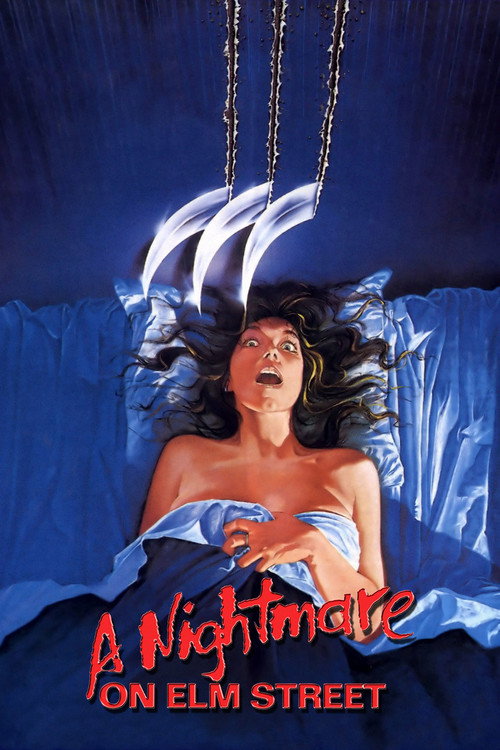
A Nightmare on Elm Street1984
A villain as singular and obsessed as Reverend Kane, hunting the same victims across a series of films. Freddy Krueger has a mythology, dark charisma, and a logic all his own. This film launched a franchise precisely because it earned it.
But Johnny Depp's death scene is graphic and infamous. The film also has the casual misogyny of mid-80s slasher films, which some viewers find tiresome or worse.
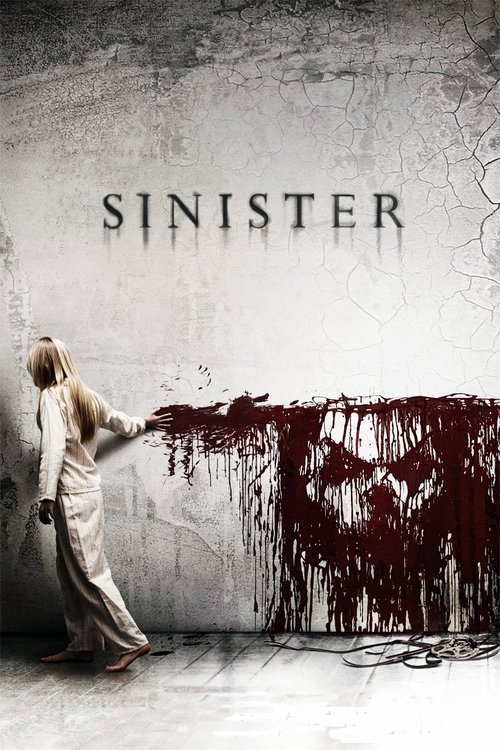
Sinister2012
A family moves into a house with a dark history and finds something genuinely apocalyptic waiting. Smart, dread-soaked, and visually grotesque without relying on jump-scares. Ethan Hawke anchors it brilliantly.
But The found-footage sequences are deliberately grainy and hard to watch. The ending divides viewers—some find it philosophically bold, others find it nihilistic in a way that sours the experience.
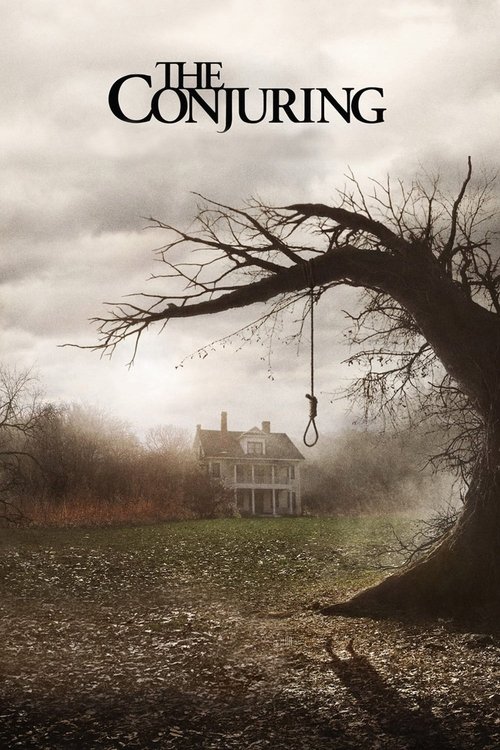
The Conjuring2013
James Wan directing a haunted-house film with real craft and restraint. A family tormented by a supernatural presence, paranormal investigators trying to help, and genuine scares built on strong filmmaking rather than cheap tricks.
But It's a crowd-pleaser that leans toward the conventional. If you've seen enough haunted-house films, you'll spot every beat coming.
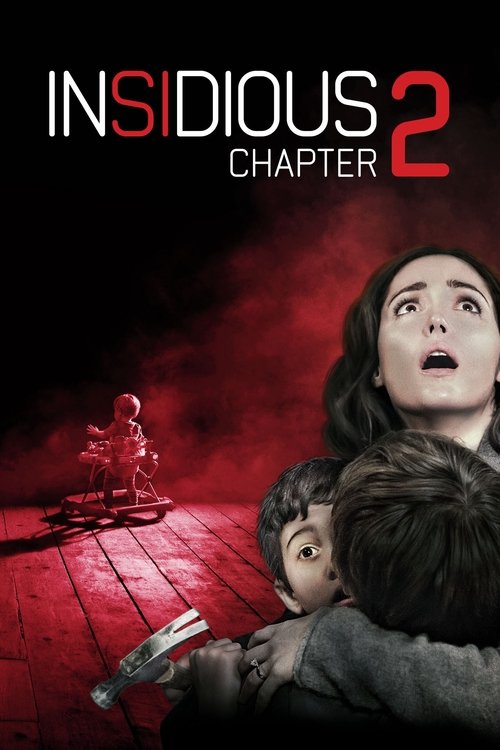
Insidious: Chapter 22013
A sequel that understands the original's logic and expands it intelligently. More elaborate set pieces, deeper lore, and genuine emotional stakes. Rarely do horror sequels earn their existence this thoroughly.
But You must see the first film. Jumping in here means you'll miss crucial setup and emotional resonance.
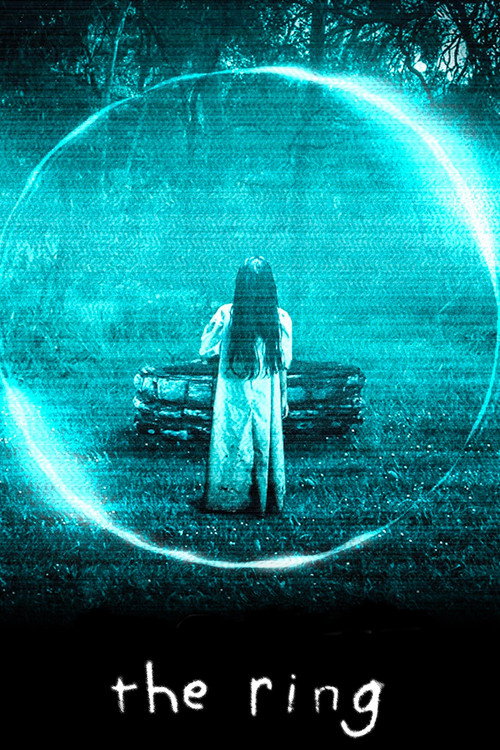
The Ring2002
An American remake that respects its source material while creating something entirely its own. A curse that hunts you systematically, a mother desperate to break it, and a finale that plays with audience expectations in clever ways.
But The middle hour drags as exposition accumulates. Some viewers find the twist more silly than scary, depending on how much you've already heard about the film.
The Twilight Zone1959
Both center on a child as the supernatural threat rather than the victim. The inversion is total—Carol Anne is hunted; Serling's child hunts everyone around him. Both explore the impossibility of stopping someone with power you can't comprehend.
A child with godlike powers rules a small town through terror, and nobody dares defy him. It's a tight, devastating half-hour that uses horror and dark comedy in perfect balance. Rod Serling wrote it, and it's weaponized psychology and fear.
But It's from 1961, which means black-and-white, deliberate pacing, and a reliance on mood over visual effect. If you need contemporary production values, this will feel like work.

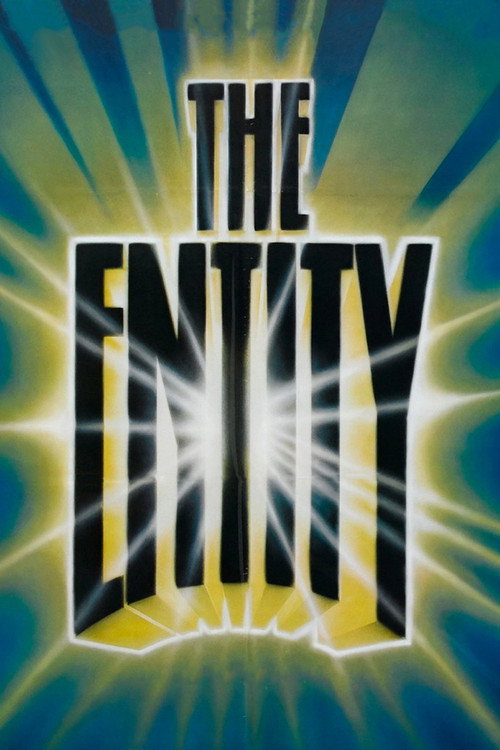
The Entity1982
Both feature an invisible, unstoppable force that invades domestic space and targets a family member specifically. The tone is different—The Entity is bleak and systemic where Poltergeist II is operatic—but the core violation is identical.
A woman is repeatedly assaulted by an invisible supernatural force. It's relentless, violating, and takes its premise with complete seriousness. The film doesn't flinch, doesn't offer easy comfort, and treats the paranormal as a genuine violation of bodily autonomy.
But It's genuinely disturbing in ways that go beyond conventional horror—the sexual violence is explicit and inescapable. Many viewers will find it exploitative or simply too much. It's not escapist entertainment; it's an ordeal.
People
Cast
 Craig T. NelsonSteve Freeling
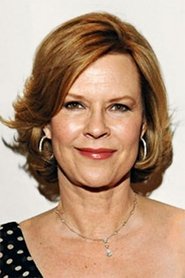 JoBeth WilliamsDiane Freeling
 Heather O'RourkeCarol Anne Freeling
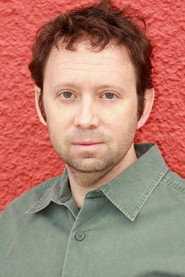 Oliver RobinsRobbie Freeling
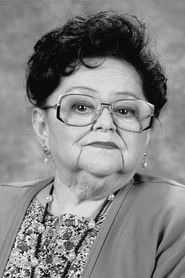 Zelda RubinsteinTangina Barrons
 Will SampsonTaylor
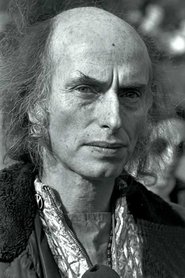 Julian BeckKane
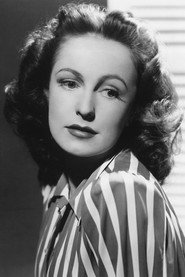 Geraldine FitzgeraldGramma-Jess
- John P. WhitecloudOld Indian
- Noble CraigVomit Creature
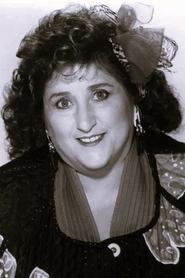 Susan PeretzDaughter
- Helen BollMother
Directing
- Brian GibsonDirector
- William S. BeasleyFirst Assistant Director
- Marcia 'Mavis' GirardScript Supervisor
- Regina GordonSecond Assistant Director
Writing
- Mark VictorScreenplay
- Michael GraisScreenplay
Production
- Judy CourtneyAdditional Casting
- Lynn ArostAssociate Producer
- Joseph D'AgostaCasting
- Monica SwannCasting
- Freddie FieldsExecutive Producer
- Mark VictorProducer
- Michael GraisProducer
- Tom JoynerUnit Production Manager