
Film
Sorceress
Other titles called Sorceress: the 1982 film.
A 1995 supernatural thriller where two lawyers married to witches find themselves trapped in increasingly nightmarish visions of sex, violence, and murder. It's a fever dream of occult revenge—part erotic thriller, part horror—that blurs dream and reality. For viewers willing to embrace late-90s direct-to-video audacity and metaphysical relationship drama filtered through pure genre excess.
Should you watch it?
Watch it if you enjoy low-budget 1990s erotic horror where a domestic jealousy plot slides into a feverish dream, and you don't mind a film that cares more about atmosphere and mood than logic.
Skip it if you want a tight, sharp thriller, since this one is loose and sprawling, leaning on lurid sensation and a dreamlike logic that won't always hold together.
What it asks of you: Under ninety-five minutes, it settles into a hazy, sensual rhythm slowly, so you must surrender to its murky mood rather than track a tidy plot.
Not sure? Find tonight's pick in a minute.
If you liked this
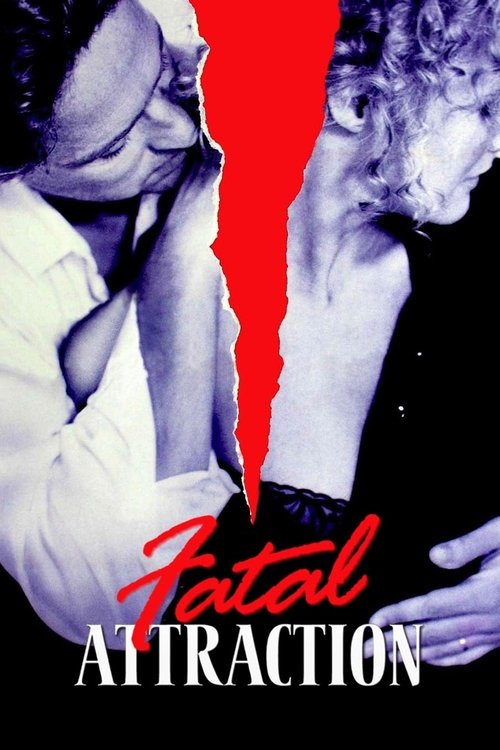
Fatal Attraction1987
A man's affair threatens his marriage when the woman involved becomes dangerously obsessed, escalating into violence and psychological warfare. Essential viewing for understanding the jealousy-and-consequence blueprint that drives Sorceress.
But The central female character became a cultural shorthand for villainy, and the film hasn't aged gracefully in how it frames desire and mental illness.
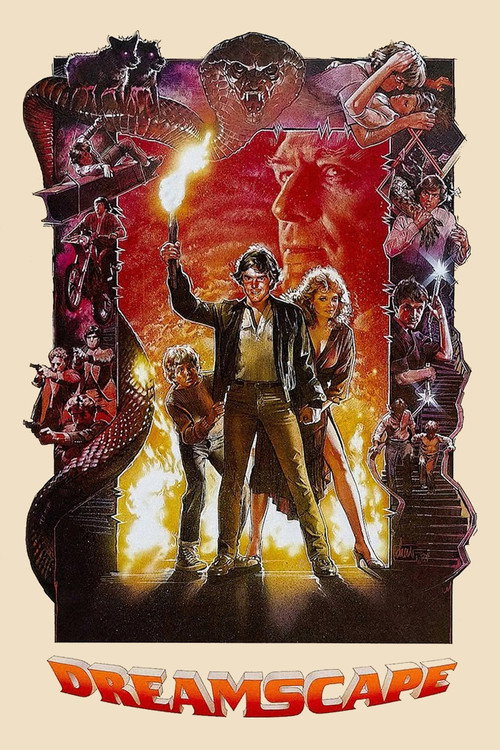
Dreamscape1984
A scientist discovers he can enter and manipulate people's dreams, leading to conspiracy, betrayal, and nightmarish sequences that feel genuinely unsettling. Shares Sorceress's fascination with dreams as a place where normal rules collapse into horror.
But Its 1984 sci-fi aesthetic and dated special effects may feel quaint, and the plot sprawls across multiple tangents before finding focus.
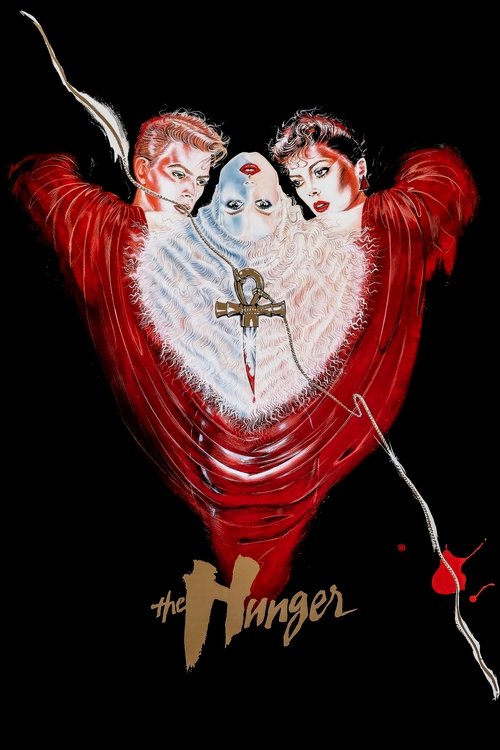
The Hunger1983
Two centuries of forbidden desire, bloodlust, and sensuality wrapped in atmospheric excess. A masterclass in using genre to explore jealousy and possession between lovers with style and genuine strangeness.
But It's glacially paced and heavily stylized—if you want narrative clarity, you're in the wrong place. Some viewers find it more conceptual than satisfying.
Not sure tonight? Get a pick in a minute, starting from Sorceress
The wildcard
Something you would not have found on your own.
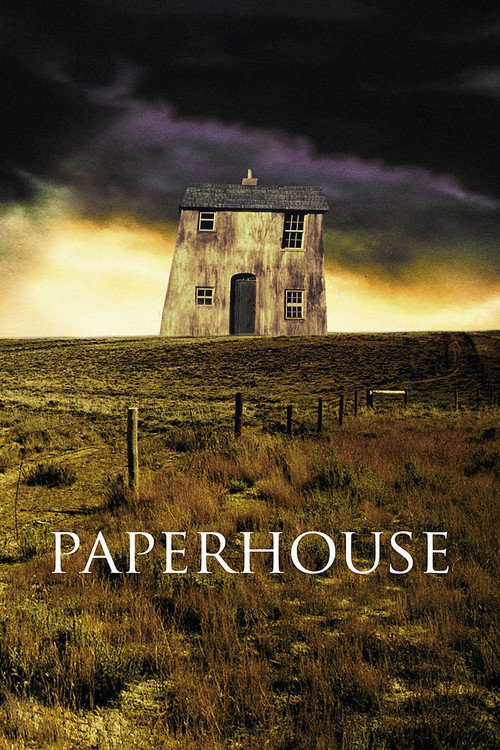
Paperhouse1988
Both use dreams as a literal space where suppressed desires and rage take physical form; both suggest that nightmares emerge from within the dreamer rather than from external evil.
A girl's drawings become a physical place she can enter in her dreams, but the landscape warps into horror as darker impulses seep in. Uses dream logic with the intensity of Sorceress, but focuses on adolescent psychology and self-creation rather than adult betrayal.
But It's a British children's film that slowly reveals its darkness—if you're expecting immediate supernatural pyrotechnics, the first half feels mundane and slow.
More like this (8)
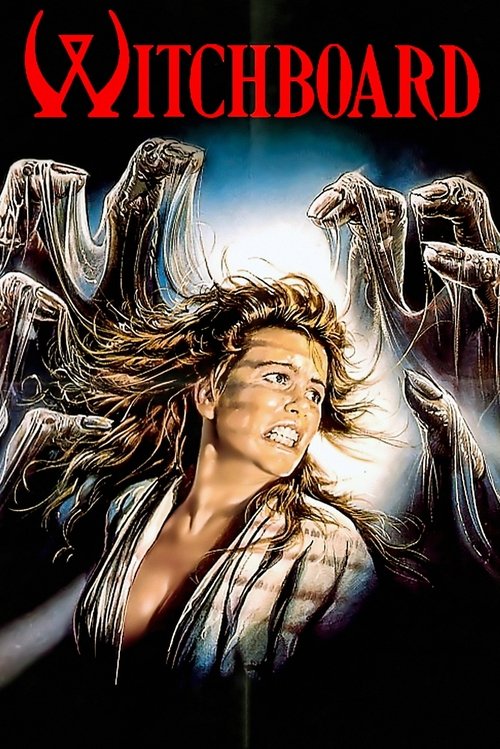
Witchboard1986
A Ouija board opens a door to the supernatural, and the consequences ripple through a group of friends in ways both sensual and terrifying. Shares Sorceress's blend of eroticism and dread, and delivers genuine scares.
But The dialogue and acting are delightfully earnest in a way that can pull you out of the horror. Low budget shows in production value.
A Nightmare on Elm Street1984
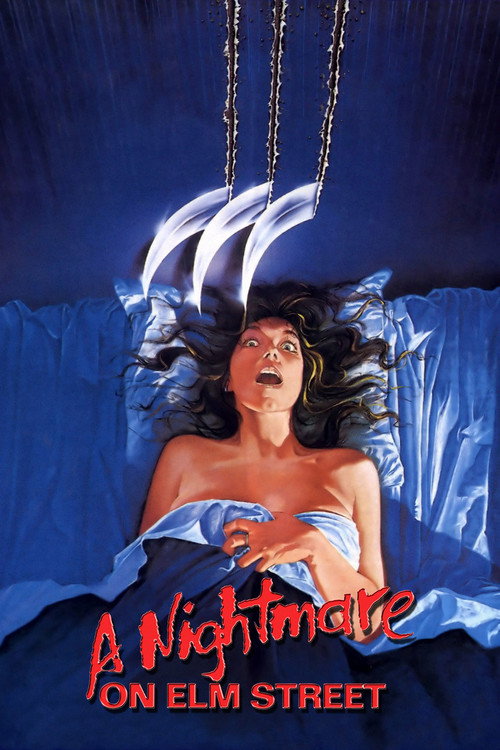
The foundational dream-horror film: a killer operates within sleep itself, making the space where you should be safe absolutely lethal. The DNA for every nightmare-thriller that followed, including Sorceress's structure.
But It's been referenced and remade so often that seeing the original can feel familiar rather than fresh. Later sequels dilute its impact.
Eyes Wide Shut1999
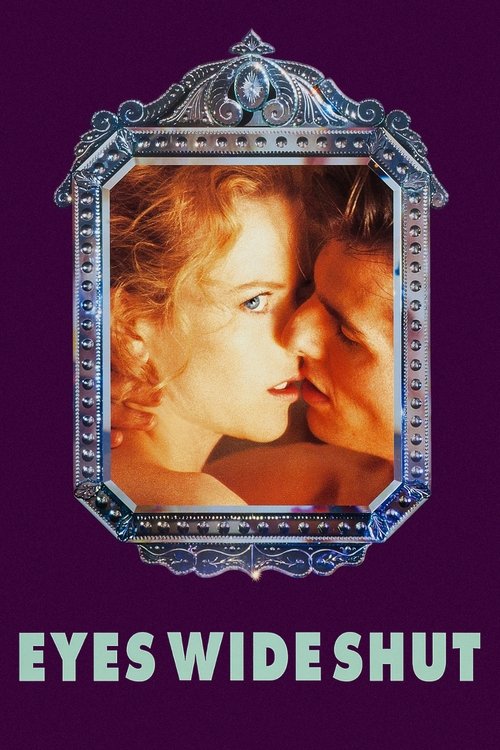
Kubrick's paranoid descent into desire, jealousy, and hidden worlds within a marriage. Like Sorceress, it uses sexuality and dream logic to explore what happens when you suspect your partner of infidelity and betrayal.
But Nearly three hours, intentionally obscure, and deeply divided audiences on whether it's profound or tedious. Requires patience and tolerance for ambiguity.
The Seventh Seal1957
Bergman's meditation on mortality, temptation, and the supernatural, where a knight plays chess with Death itself. The ancestor of all films using magic and horror to explore deeper truths about desire and consequence.
But Black-and-white Swedish cinema from 1957 demands serious commitment. If you want entertainment over art, this will test your patience.

Suspiria1977
A woman enrolls in a prestigious ballet academy and discovers it harbors a coven of witches. Pure sensory nightmare—neon colors, pulsing soundtrack, and escalating dread that prioritizes mood over logic.
But The plot is thin and the dialogue occasionally stilted. It's a haunted-house movie where atmosphere matters infinitely more than story.

The Invisible Man1933
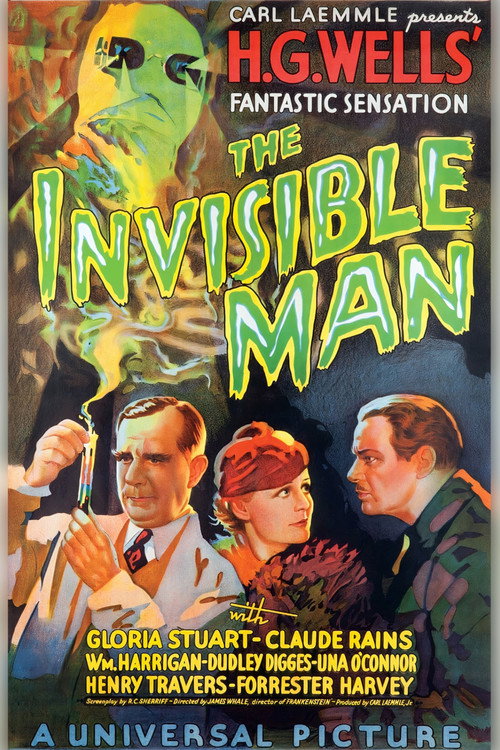
Power, invisibility, and unchecked desire turn a man into a monster. Classic Universal horror that shows how fantasy premises can become vehicles for exploring control, obsession, and the terrors of being unseen.
But It's nearly a century old and moves at a deliberate pace. If you need contemporary pacing and effects, you'll feel the age deeply.
Mulholland Drive2001
Both films present their horror as emerging from jealousy and desire within relationships, then pit dream-logic against waking consequence until the distinction collapses entirely.
Lynch's three-hour descent into Los Angeles ambition, desire, and fractured identity, where dream and reality become indistinguishable. Jealousy, sexuality, and betrayal twist into nightmare; you'll never be sure which timeline is real.
But It's deliberately fragmented and non-linear. If you watch Lynch expecting conventional narrative, you'll walk away frustrated rather than enlightened.

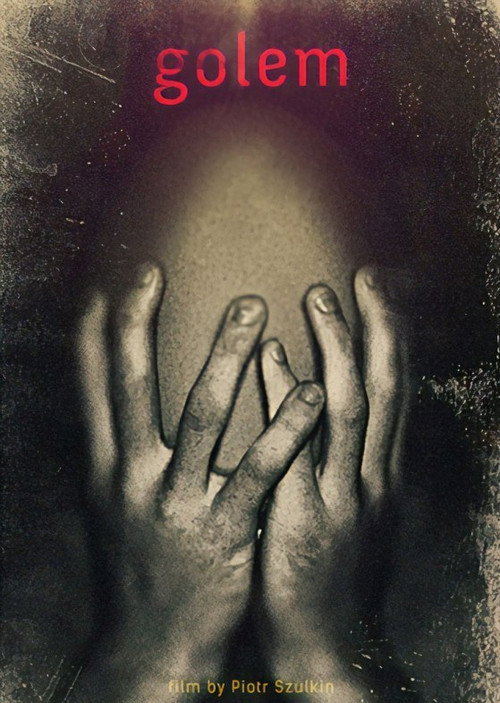
Golem1980
Both feature magic (witchcraft or animism) as a literalization of desire gone wrong; both suggest that trying to control or reshape another person through supernatural means creates nightmarish consequences instead.
A sculptor's creation of a clay man unleashes chaos as the statue becomes animate and violent—a meditation on creation, control, and the darkness that emerges when you try to reshape another person. A Polish-language gem of philosophical horror.
But Slow, symbolic, and oblique—it treats metaphor as more important than plot or character. Requires viewers comfortable with art cinema that prioritizes mood and meaning over clarity.
People
Cast
 Larry PoindexterLarry Barnes
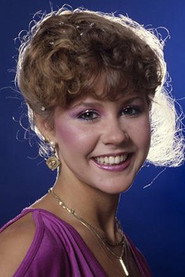 Linda BlairAmelia Reynolds
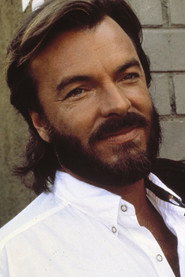 Edward AlbertHoward Reynolds
 Julie StrainErica Barnes
 Rochelle SwansonCarol
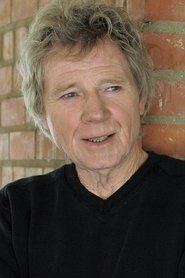 Michael ParksStan Latarga

 Toni NaplesMaria
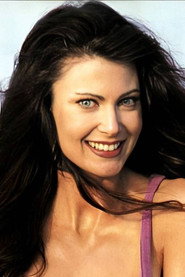 Kristi DucatiKathy
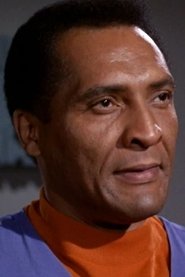 William MarshallJohn Geiger
 Antonia DorianTrisha
 Melissa BrasselleAnnie Latarga
Directing
- Jim WynorskiDirector
- Dan KatzmanFirst Assistant Director
- Fred Olen RaySecond Unit Director
Writing
- Mark Thomas McGeeWriter
Production
- Ellen LangCasting
- Toni NaplesExecutive Producer
- William B. SteakleyLine Producer
- Fred Olen RayProducer