
Film
Golem
- Mystery
- Very dark
- Strange
A Polish fever dream of sci-fi and horror set in a decaying city where memory collapses and reality warps. Pernat wakes from interrogation unable to recall his crime, his past, or who he is, stumbling through a landscape of mad doctors, obsessed scientists, and occult dread. It's dreamlike, unsettling, visually strange—for viewers who want cinema to feel rather than explain.
If you liked this
Stalker1979
Tarkovsky's hypnotic Soviet sci-fi about a guide leading pilgrims through a mysterious zone. Like Golem, it prioritizes atmosphere and existential mystery over plot, building dread through languorous pacing and philosophical uncertainty.
But Nearly three hours long with minimal dialogue and deliberately slow. If you want answers or forward momentum, you'll feel like you're moving through mud.

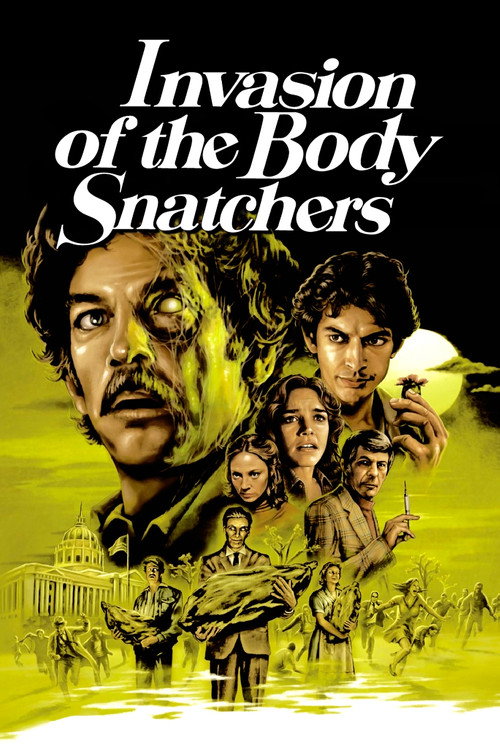
Invasion of the Body Snatchers1978
Paranoid, visceral sci-fi about identity dissolution and losing yourself. Shares Golem's interest in the self as unstable, the city as a maze, and the creeping sense that something fundamental is being replaced or erased.
But The horror grows from bureaucratic dread rather than action. Some find it slow and repetitive; others call that the point.
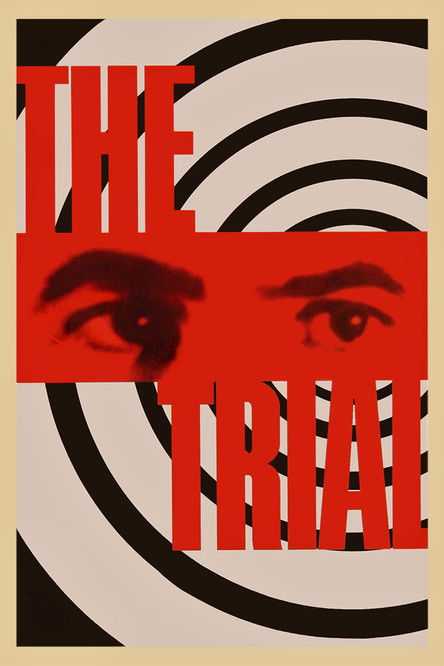
The Trial1962
Orson Welles adapts Kafka—a man arrested, interrogated, accused of crimes he doesn't understand in a labyrinthine bureaucracy. The DNA of Golem's premise: guilt without memory, systems that don't explain themselves, guilt as a state rather than a fact.
But Deliberately disorienting and deliberately unresolved. Black-and-white, theatrical, sometimes feels more like a stage production than a film.
Not sure tonight? Get a pick in a minute, starting from Golem
The wildcard
Something you would not have found on your own.
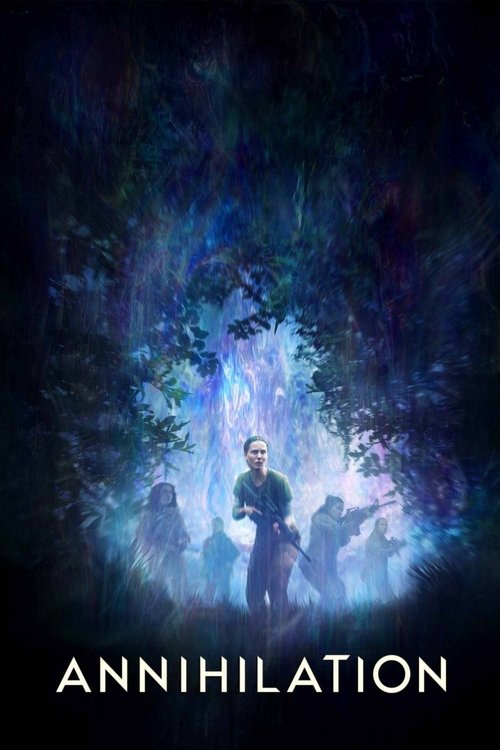
Annihilation2018
Both use a mysterious space—Golem's city, Annihilation's zone—as a place where the self dissolves and no one can trust their own memory.
Alex Garland's adaptation of a sci-fi novel: a team of women enters a shimmering, expanding zone where the rules of biology break down and identity becomes fluid. It captures Golem's unsettling sense that the self is unstable and that science can lead to horror rather than answers.
But The third act grows increasingly abstract and philosophical. Some find this brilliant; others feel abandoned by plot.
More like this (8)
Possession1981
Andrzej Żuławski's hallucinatory breakdown of a marriage in Berlin, shot with feverish intensity. Like Golem, it's a European art-horror film that values psychological chaos and visual grotesquerie over coherence or comfort.
But Extremely bleak and sexually explicit. The marriage is ugly and the film wants to make you feel that ugliness in your stomach.

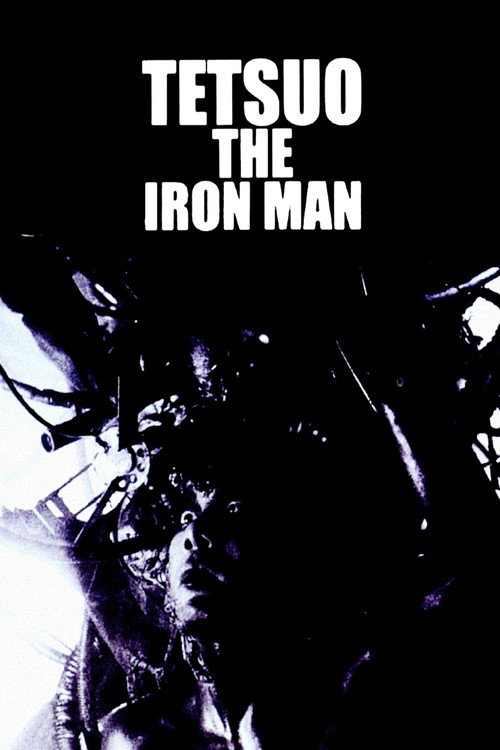
Tetsuo: The Iron Man1989
A black-and-white Japanese fever dream where a man's body mutates into metal. Shares Golem's commitment to body horror, dreamlike logic, and the idea that the self is not stable or safe. Anarchic and visually stunning.
But Narratively incomprehensible and deliberately so. It's texture and sensation rather than story; if you need to follow what's happening, you'll hate it.
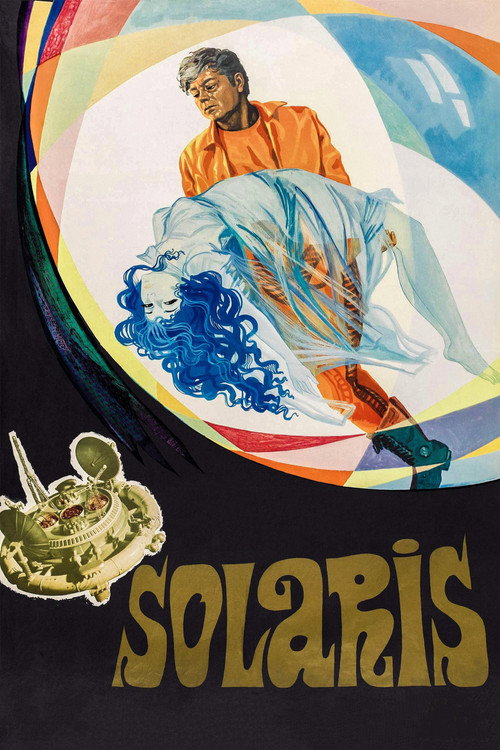
Solaris1972
Tarkovsky's meditation on memory, identity, and the unknowable, set on a space station near an alien ocean. Slow, hypnotic, concerned with inner space rather than outer space. Both films use sci-fi as a language for psychological collapse.
But Three hours of people talking in rooms. The payoff is philosophical rather than visceral or plot-driven.
The Wailing2016
A Korean mystery-horror where a man is accused, evidence contradicts itself, and truth becomes impossible to locate. Like Golem, it's interested in how narratives fall apart and how guilt exists independent of evidence.
But Deliberately convoluted and demands active interpretation. The ending provokes argument, not satisfaction.

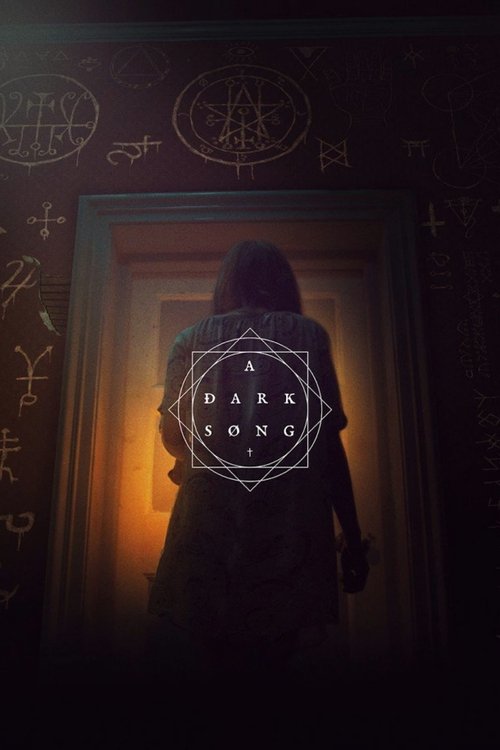
A Dark Song2016
An occult drama where a woman hires an occultist to perform rituals in an isolated house. Slow-burn, atmospheric, interested in grief and the desire to remake reality through hidden knowledge. Similar register of mounting dread and alienation.
But Quiet and patient. The horror is subdued and internal; if you're waiting for scares, you'll be disappointed.
Under the Skin2014
Jonathan Glazer's hypnotic sci-fi about an alien woman in Scotland. Wordless, abstracted, interested in the body as strange and unknowable. Both films treat genre as an excuse to explore the unsettling.
But Nearly plot-free and deeply strange. Long sequences of atmosphere with minimal explanation will feel like pretension if you're not in the mood.

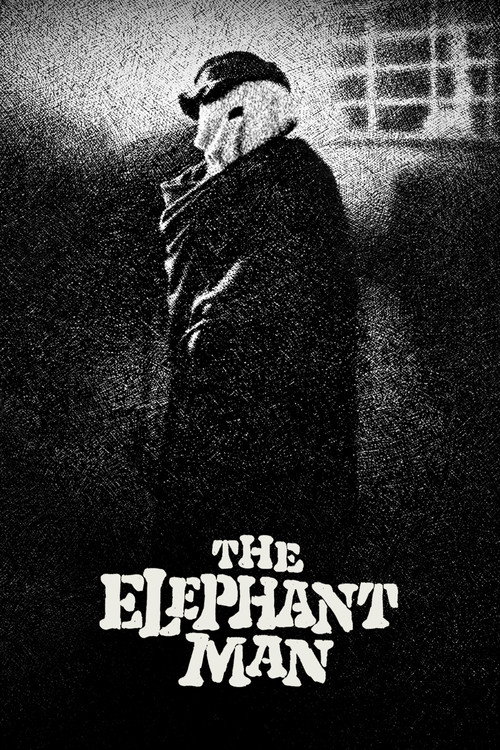
The Elephant Man1980
Both Polish-influenced works (Lynch was influenced by European art cinema) that use the body and urban decay as primary images of existential dread.
David Lynch's 1980 masterpiece about a severely deformed man navigating a cruel, mad world. Black-and-white, visually grotesque, deeply humane. Like Golem, it's fascinated by the body as uncanny and by how systems (medicine, society) can be sources of horror.
But Defiantly bleak, sometimes slow-moving, and centered on body deformity. Not all viewers can sit with that discomfort.
Come and See1985
Both Eastern European films about how horror—whether existential or literal—can erase identity and leave the viewer transformed rather than entertained.
Elem Klimov's brutal Soviet war film following a boy through the Nazi occupation of Belarus. Nightmarish, hallucinatory, and completely devastating. Like Golem, it's a journey through a hellscape where the protagonist loses his sense of self.
But One of the most grueling films ever made. Not art-film slow; war-crime slow. This is a warning, not a spoiler.

People
Cast
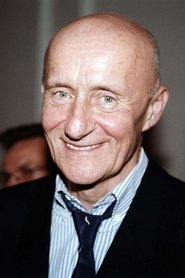 Marek WalczewskiPernat
 Krystyna JandaRozyna
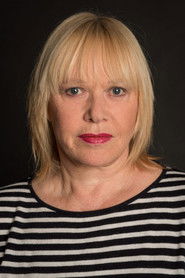 Joanna ŻółkowskaMiriam
 Anna JaraczównaOld Woman
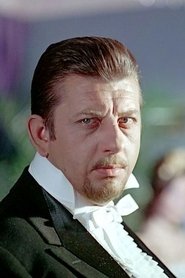 Mariusz DmochowskiHoltrum
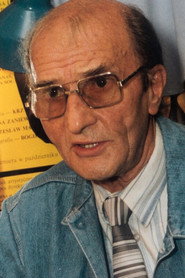 Wiesław DrzewiczMiriam's Father
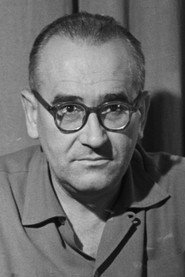 Henryk BąkWarehouseman in Detention Center
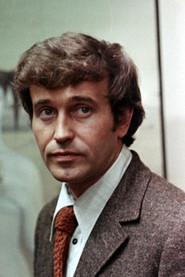 Jan NowickiChampion of Sleep
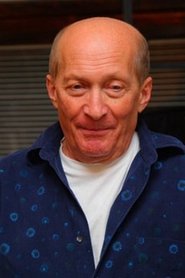 Wojciech PszoniakPrisoner
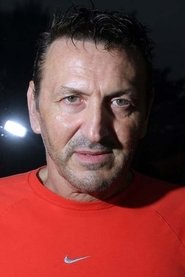 Krzysztof MajchrzakRozyna's Brother
- Grazyna BernackaDentist's Assistant
 Zofia CzerwińskaJanitor
Directing
- Andrzej SwatAssistant Director
- Jacek DzikAssistant Director
- Jadwiga ZurakowskaAssistant Director
- Katarzyna MałyszkoAssistant Director
- Małgorzata KierskaAssistant Director
- Piotr SzulkinDirector
Writing
- Gustav MeyrinkNovel
- Piotr SzulkinScreenplay
- Tadeusz SobolewskiScreenplay
Production
- Halina CichomskaProduction Coordinator
- Jerzy Kajetan FrykowskiProduction Coordinator
- Tomasz OrlikowskiProduction Coordinator
- Józef Leszek SobczykProduction Manager