
Film
Wes Craven's New Nightmare
Wes Craven's 1994 meta-horror film collapses the boundary between Freddy Krueger actor Robert Englund and the character himself, pulling Heather Langenkamp back into the nightmare as a version of herself. It's a brainy, ambitious film that weaponizes sequelitis and franchise exhaustion as genuine horror. For viewers who love ideas baked into scares.
Should you watch it?
Watch it if you enjoy horror that is clever about its own mythology, playing with the idea of a film being a ritual that can bleed into the real world, with a meta wink at the people who made the original.
Skip it if you want a straightforward slasher with a steady supply of kills; this one is talky, slow to build, and spends long stretches on its characters arguing about what is real.
What it asks of you: Expect a patient runtime of about two hours, with a slow-burning dread that rewards attention more than it rewards quick cuts or gags.
Not sure? Find tonight's pick in a minute.
If you liked this
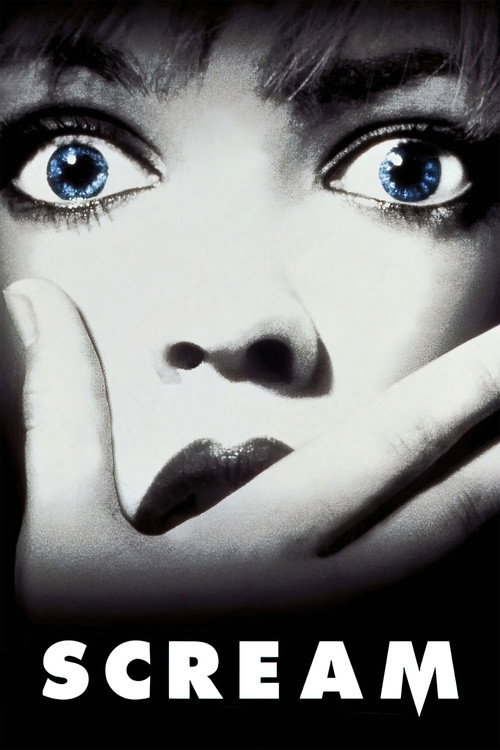
Scream1996
Craven refined everything he learned from New Nightmare into a leaner, meaner package. Scream deconstructs slashers with wit and genuine terror, and launched a franchise that understood its own DNA from day one.
But It's been parodied to death. The twists feel obvious now, and if you've seen the endless references and knockoffs, the original can feel like it's just stating the obvious.
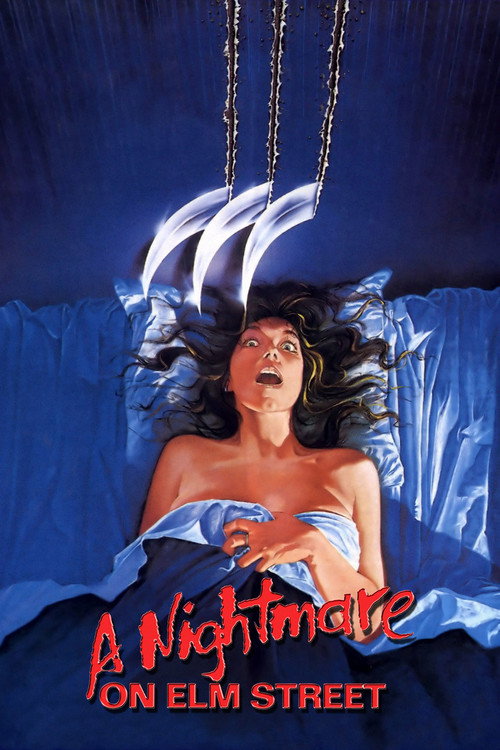
A Nightmare on Elm Street1984
The film that started it all. Craven's original is lean, genuinely unsettling, and Englund's performance cuts deep before the franchise turned Freddy into a wise guy. It's the pure dream-logic terror that New Nightmare deconstructs.
But The sequels parodied it so thoroughly that watching the sincere original can feel odd. Also: the production values are dated, and if you need sleek horror, this will test your patience.
Mulholland Drive2001
Lynch does what New Nightmare attempts—collapses Hollywood artifice and real life into a fever dream where actors blur with roles. It's mesmerizing, genuinely unsettling, and operates on pure cinema-as-nightmare logic.
But It's a David Lynch film. If you need plot clarity or conventional narrative, you will have a bad time. It's three hours and demands your full attention.

Not sure tonight? Get a pick in a minute, starting from Wes Craven's New Nightmare
The wildcard
Something you would not have found on your own.
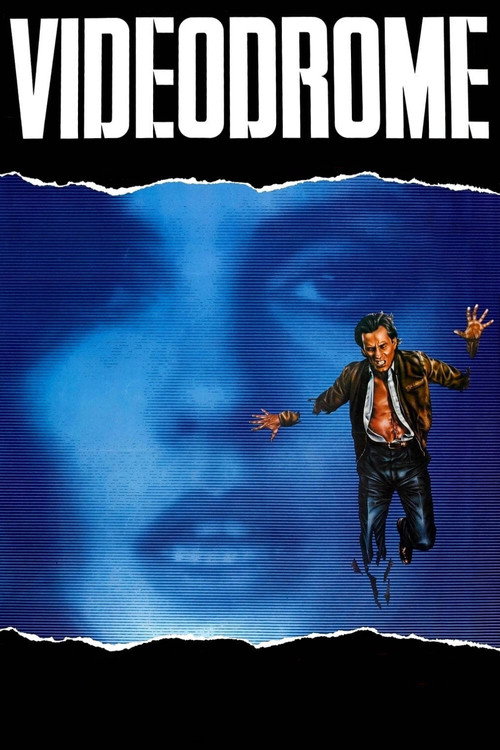
Videodrome1983
Both films see media as a portal through which something real and dangerous enters the world. Not metaphorically—literally. Both treat the boundary between screen and reality as dangerously permeable.
Cronenberg's masterpiece predates New Nightmare but shares its obsession: how does media burrow into flesh? A hallucinatory, visceral film about reality corrupted by images. Bleak, sexual, and absolutely hypnotic.
But It's deliberately grotesque and body-horror focused. Cronenberg is not interested in beauty or comfort. Some find it unwatchable; others find it essential. Prepare accordingly.
More like this (8)
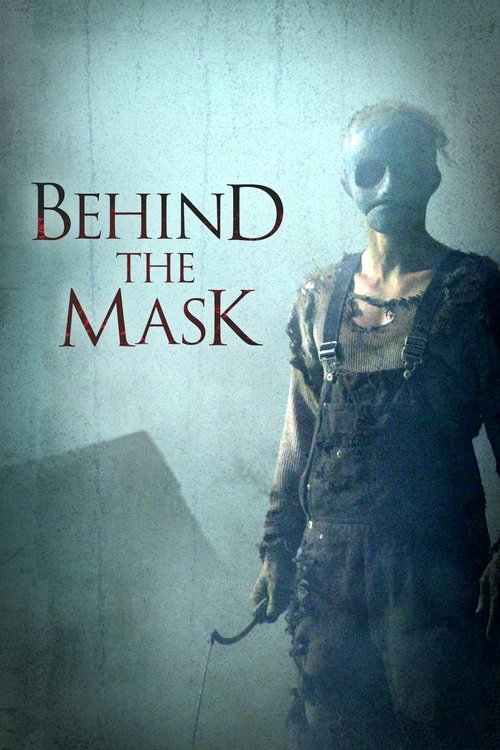
Behind the Mask: The Rise of Leslie Vernon2006
A mockumentary about a killer studying slasher movie conventions. It's clever without being smug, gory without being mean, and understands franchise mythology the way New Nightmare does—as something real that shapes the world.
But The tone is hard to pin down; it lurches between comedy and genuine creepiness, which can feel uneven if you want either pure horror or pure satire.
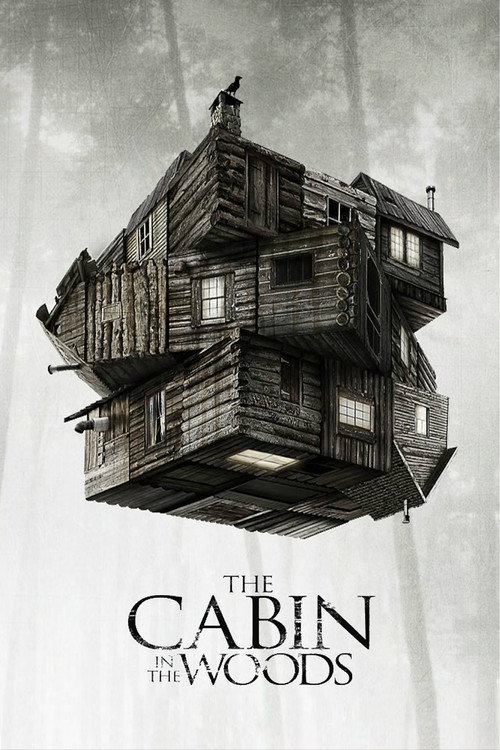
The Cabin in the Woods2012
Shares New Nightmare's project: taking apart horror tropes while still functioning as genuine horror. It's a film that loves the genre enough to cut it open and show you its guts while you're still screaming.
But The third act gets very meta and very silly. If you came for an efficient horror film, the elaborate machinery will feel like a distraction.
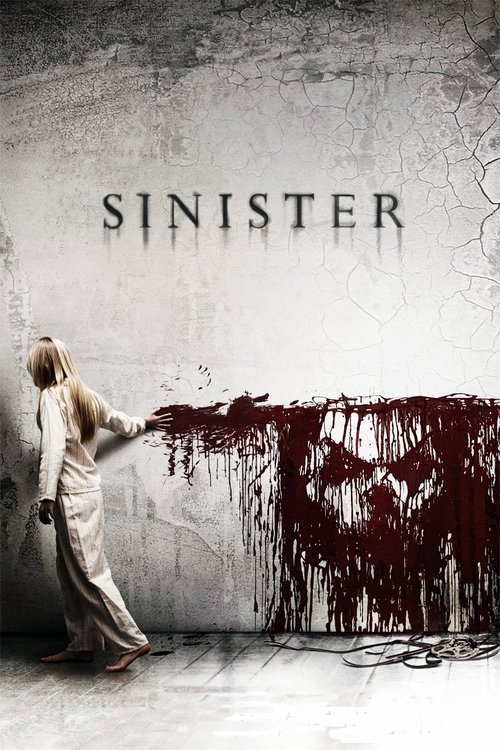
Sinister2012
Scott Derrickson crafts pure dread from the found-footage sub-genre. It's got the same DNA as New Nightmare—a thing that bleeds into reality through media—but played entirely straight, with no irony or meta-commentary.
But It's nihilistic and bleak in a way that some find punishing. There's no warmth here, and the ending offers no comfort. It's a film about evil winning.
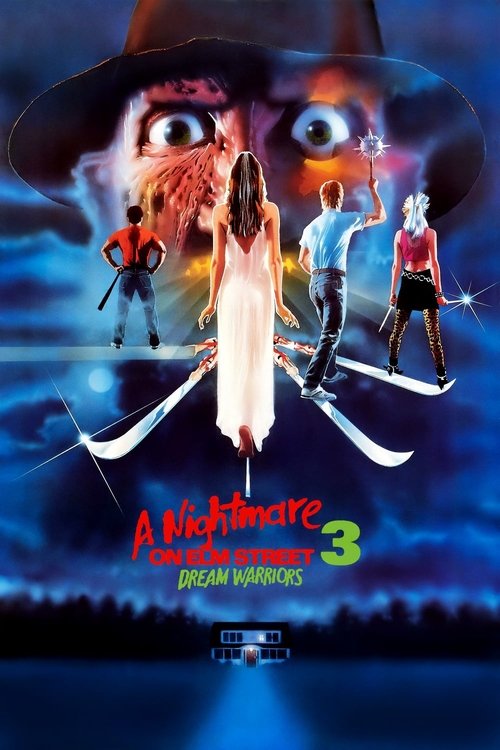
A Nightmare on Elm Street 3: Dream Warriors1987
Before New Nightmare, this was the franchise at its most inventive. Chuck Russell gives it genuine style, the teen cast is likable, and it balances horror with spectacle. It's the moment Freddy was scary *and* entertaining.
But It's a franchise film through and through. If you want ambition and formal innovation, this prioritizes fun and effects. It's not trying to deconstruct anything.
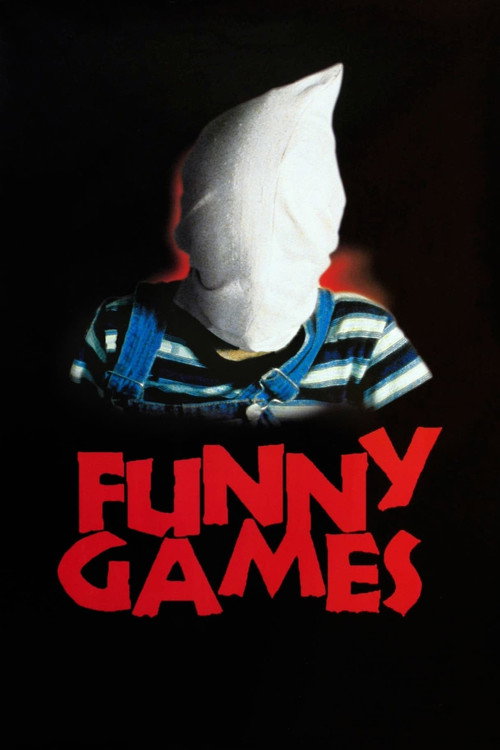
Funny Games1997
Michael Haneke's Austrian original performs a similar trick to New Nightmare: it weaponizes the audience's expectations of genre and uses them against them. Brutal, clever, and deeply uncomfortable.
But It's punishing by design. Haneke doesn't want you to have fun. If you watch horror for catharsis or release, this will feel like a scolding.
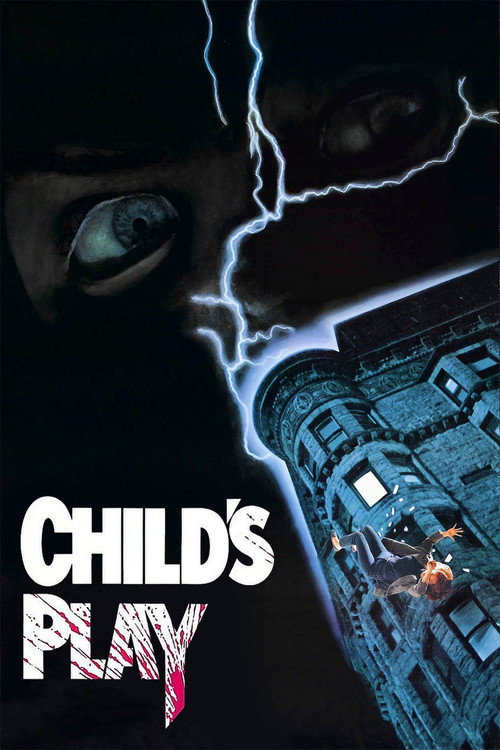
Child's Play1988
Tom Holland's original Chucky is a lean, nasty little film about an object that becomes uncannily alive. It's got the same creeping sense of unease that makes New Nightmare's premise work, just in miniature.
But The premise—a killer doll—can feel silly. If you can't buy into that basic conceit, the film's atmosphere won't save you.
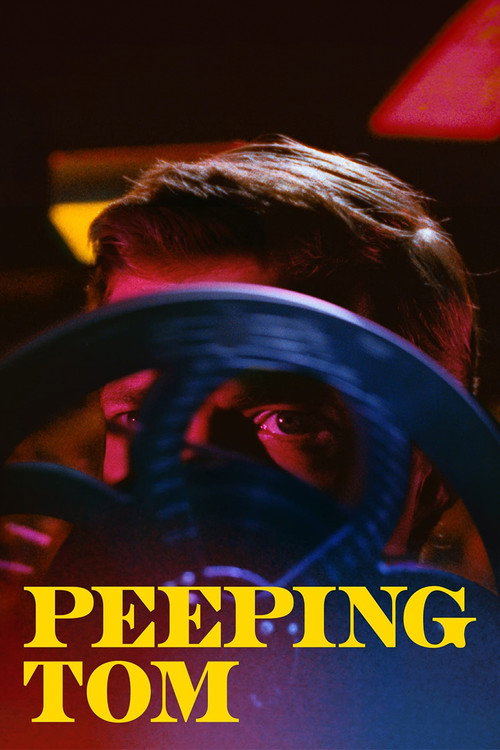
Peeping Tom1960
Like New Nightmare, it sees the act of filming or performing as corrupting, as a vehicle for something darker. Both ask: what price do creators pay when they become conduits for darker forces?
Michael Powell's 1960 film about a cameraman who kills while filming. It's the ancestor of every film about cinema-as-weapon. Visually sumptuous, deeply disturbing, and absolutely prescient about the relationship between watching and harming.
But It's a British art film from 1960 that moves slowly and demands interpretation. If you need plot momentum, this will test you. Also, it's genuinely bleak about artistic creation.
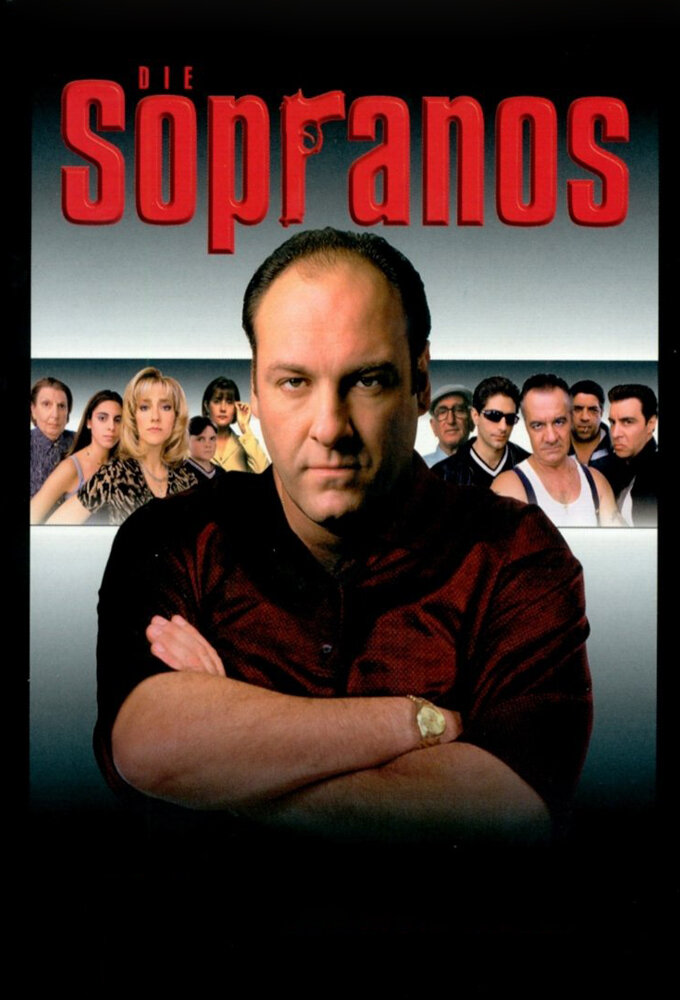
The Sopranos1999
Both grapple with the distance between performance and authenticity, between what the audience wants from a character and what the character actually is. New Nightmare asks: what if the monster breaks character? The Sopranos asks: what if the man refuses to be a character at all?
Not for plot—for how it works as a corrective to Hollywood mythology. Tony sits on his therapist's couch and becomes real while Freddy performed. It's the anti-New Nightmare: ordinary life, refusing to be cinematically shaped, resisting interpretation.
But The pacing is glacial by modern standards. Early Sopranos wants you to sit in discomfort. Also: tremendous violence and darkness, some of it gratuitous. It's a slog if you want efficient storytelling.
People
Cast
 Heather LangenkampHeather Langenkamp / Nancy Thompson
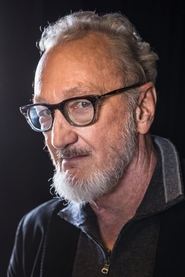 Robert EnglundRobert Englund / Freddy Krueger
 Miko HughesDylan Porter
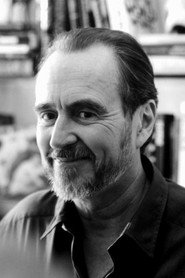 Wes CravenWes Craven
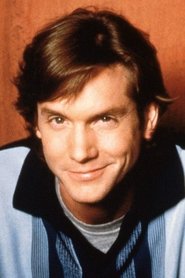 David NewsomChase Porter
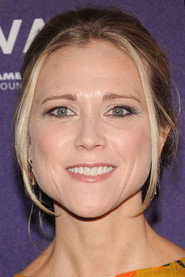 Tracy MiddendorfJulie
 Fran BennettDr. Christine Heffner
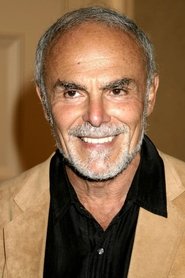 John SaxonJohn Saxon / Lt. Donald Thompson
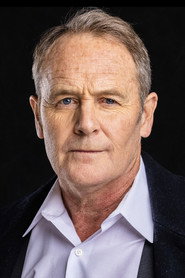 JF DavisFreddy's Hand Double
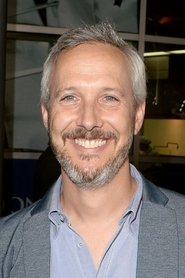 Matt WinstonChuck Wilson
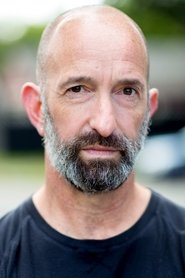 Rob LaBelleTerry Feinstein
 Marianne MaddalenaMarianne Maddalena
Directing
- Wes CravenDirector
- Gary MarcusFirst Assistant Director
- Gretchen OehlerScript Supervisor
Writing
- Wes CravenCharacters
- Wes CravenWriter
Production
- Jeffrey FennerAssociate Producer
- Gary M. ZuckerbrodCasting
- Sara RisherCo-Executive Producer
- Jay RoeweCo-Producer
- Robert ShayeExecutive Producer
- Wes CravenExecutive Producer
- Marianne MaddalenaProducer
- Barry H. WaldmanUnit Production Manager
Recommended by
Behind the Mask: The Rise of Leslie Vernon, A Nightmare on Elm Street 3: Dream Warriors, Scream 3, Arcade, Freddy vs. Jason, Henry Fool, Child's Play 2, A Nightmare on Elm Street 4: The Dream Master