
Film
Tales from the Gimli Hospital
A 1988 fever dream from Canadian auteur Guy Maddin: medieval Iceland collides with rural Manitoba as a grandmother tells her sick grandchildren a story of plague, loneliness, and impossible love. Shot in gauzy black-and-white, it feels like watching a silent film dissolve in your hands. Strange, tender, and genuinely unlike anything else.
Should you watch it?
Watch it if you like folk tales told with a straight face and a wobbling, homemade nerve, where a bedtime story turns strange and stubbornly funny.
Skip it if you need polished production values and steady pacing, since the rough, deliberately primitive look and abrupt lurches in tone can feel more like an endurance test than a pleasure.
What it asks of you: Sixty-four minutes long, it moves in slow, drifting loops, shifting between a sickroom and a half-remembered past, and it wants you to keep up with its odd logic rather than be carried along.
Not sure? Find tonight's pick in a minute.
If you liked this
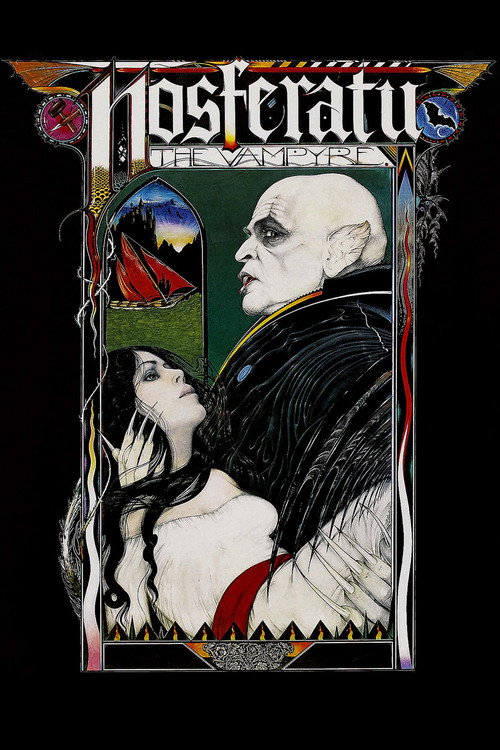
Nosferatu the Vampyre1979
Werner Herzog's 1979 remake is similarly hypnotic and painterly, using monochrome cinematography to create a dreamlike atmosphere of dread and longing. Another meditation on isolation and desire wrapped in gothic beauty.
But It moves slowly and deliberately; if you want plot momentum or scares, you'll be frustrated. The pacing is meditative to the point of deliberate stasis.
The Cabinet of Dr. Caligari1920
The grandfather text for twisted European fever-dream cinema. Distorted sets and shadow-play create nightmare logic that feels somehow more true than reality. A direct spiritual ancestor to Maddin's approach.
But It's a silent film from 1920 with intertitles and theatrical acting. If you need dialogue and naturalism, the artifice will feel alienating rather than enchanting.

In the Mood for Love2000
Wong Kar-wai captures longing and missed connection through pure visual poetry—color, composition, and silence doing the emotional work. Like Maddin, he trusts images over explanation.
But There's almost no plot. If you watch for what happens rather than how it feels, you'll find yourself restless and bored.

Not sure tonight? Get a pick in a minute, starting from Tales from the Gimli Hospital
The wildcard
Something you would not have found on your own.
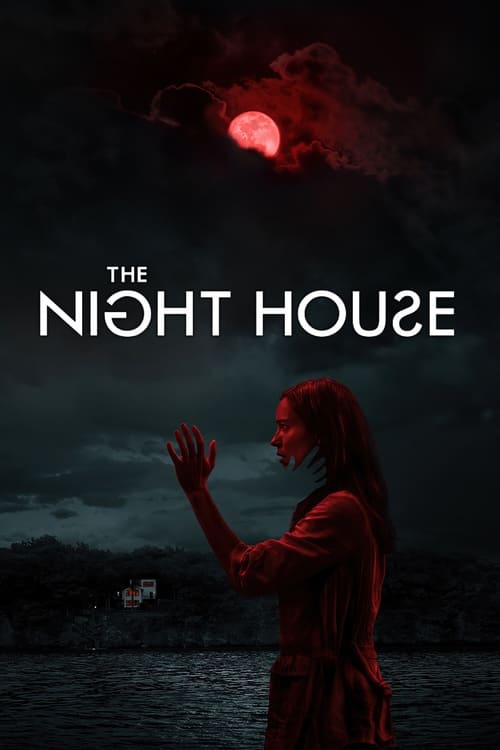
The Night House2021
Both use formal strangeness—Maddin's gauzy black-and-white, Night House's unsettling framing—to make grief and loneliness visible rather than merely stated. They're both about what haunts us when someone dies.
Rebecca Hall in a grief film that becomes genuinely haunted—not by ghosts but by the weight of loss. Like Maddin's work, it uses visual strangeness (warped perspective, inexplicable details) to express emotional truths that language can't touch.
But The horror emerges slowly from character and setting rather than plot. If you want conventional scares or a tidy resolution, you'll find it mannered and slow.
More like this (8)
The Seventh Seal1957
Bergman's medieval morality play has the same mix of the grotesque and transcendent, death and desire. Both films treat old stories as containers for very modern anxiety about meaning.
But It's dense with philosophy and symbolism. Some find it pretentious; others find it requires too much patience for a game of chess with Death.

A Separation2011
Asghar Farhadi's Icelandic tale of breakdown—wait, Iranian—uses spare, precise storytelling to explore how people hurt each other despite good intentions. The emotional clarity is devastating.
But It's relentlessly bleak. There's no catharsis, no redemption, just the slow recognition of how much damage two people can do.

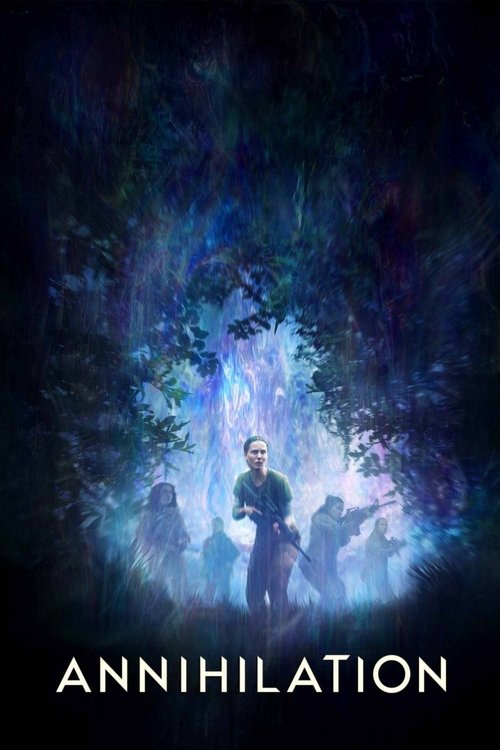
Annihilation2018
Alex Garland creates a zone where reality bends, where the familiar becomes alien and beautiful and wrong. Like Gimli Hospital, it trusts strangeness over explanation.
But Viewers either find the ambiguity fascinating or infuriating. There are no clean answers, and the tone is austere rather than comforting.
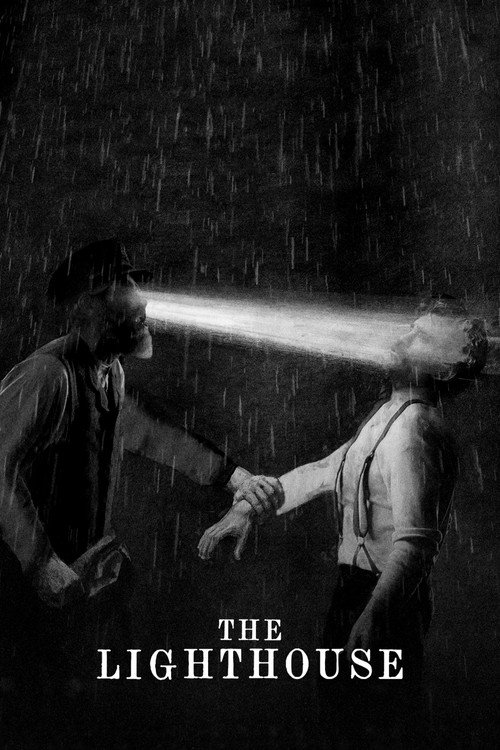
The Lighthouse2019
Another black-and-white fever dream about isolation, male longing, and the dissolution of sanity. Shot in a weird aspect ratio, deliberately artificial, hypnotic and darkly funny.
But It's claustrophobic and repetitive by design, with dialogue that slides toward incomprehensibility. If you need air and clarity, this will feel suffocating.
Synecdoche, New York2008
Charlie Kaufman's baroque nightmare about art, identity, and the impossibility of capturing life. Like Maddin, he collapses time and dream-logic into emotional truth.
But It's deliberately confusing and asks you to surrender to confusion rather than solve it. Many find it exhausting rather than rewarding.

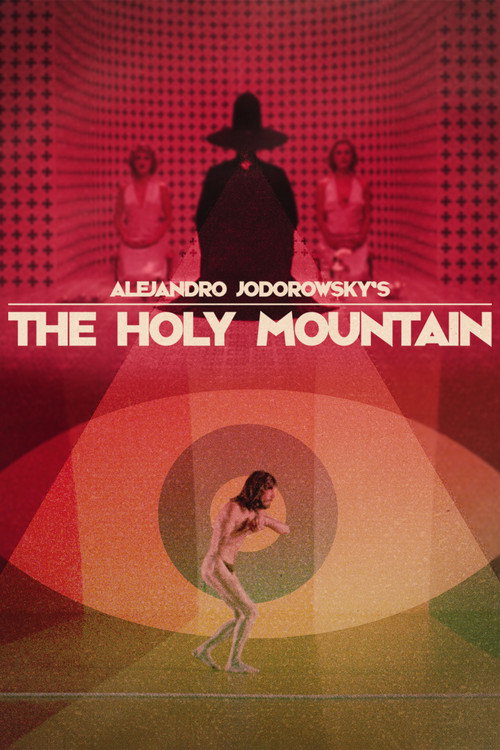
The Holy Mountain1973
Jodorowsky's surrealist odyssey shares Gimli Hospital's willingness to be grotesque, poetic, and utterly unconcerned with whether you understand it. Pure cinema as fever dream.
But It's graphic, transgressive, and frequently incomprehensible. Some images will disturb you. If you need your cinema to make rational sense, this will feel like punishment.
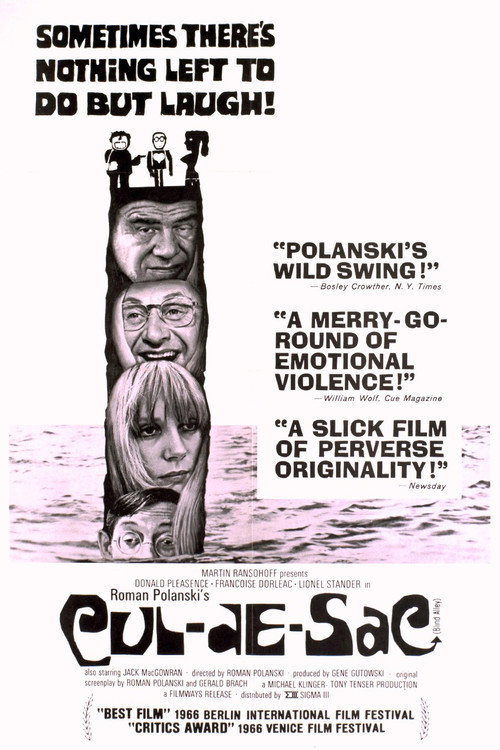
Cul-de-sac1966
Both are stories about isolation that get weirder and darker as you watch. Both mix horror and comedy without resolving the tension between them. Both suggest that loneliness and desire can make people do terrible things.
Polanski's tragicomedy of a couple marooned on a tidal island with two criminals. It has Gimli Hospital's dark humor, its sense of people trapped by circumstance and desire, and its grainy, unsettling beauty.
But It's deeply uncomfortable—sexually, psychologically—and plays cruelty for both laughs and pathos. The tone is deliberately uneven, which many find jarring.
Mulholland Drive2001
Both films use the ghost of a love story to explore how reality dissolves under emotional pressure. Both treat narrative as something fluid, where timelines and identities blur. Both are about what we cannot have and cannot let go of.
David Lynch's Los Angeles nightmare has the same recursive, dreamlike structure as Gimli Hospital—a story within a story, reality collapsing into desire and loss. Hypnotic, genuinely unsettling, and achingly strange.
But It's nearly three hours and refuses to explain itself. The narrative folds back on itself in ways that frustrate people who want clarity. Many find it indulgent.

People
Cast
 Kyle McCullochEinar the Lonely / Minstrel
- Michael GottliGunnar
- Angela HeckSnjófridur
- Heather NealeGranddaughter
- David NealeGrandson
- Don HewakJohn Ramsay
- Ron EyolfsonPastor Osbaldison / Patient
- Chris JohnsonLord Dufferin
- Donna SzökeFish Princess
- Tiffany TaylorGunnar's Strolling Companion / Gimli Maiden
- Linda SchinkelDying Mother
Directing
- Kyle McCullochAssistant Director
- Guy MaddinDirector
Writing
- George TolesStory Consultant
- Guy MaddinWriter
Production
- Greg KlymkiwProducer
- Stephen SnyderProducer
Recommended by
Masters of Sex, Macario, Tales from the Darkside: The Movie, One Touch of Venus, House of Voices, Catching Feelings