
Film
Macario
A Mexican masterpiece about a starving peasant who encounters Death itself on the Day of the Dead, gains miraculous healing powers, and finds that salvation brings its own price. Visually stunning and deeply spiritual without being pious, it moves between magical realism and moral fable with the ease of a fever dream. Essential watching.
If you liked this
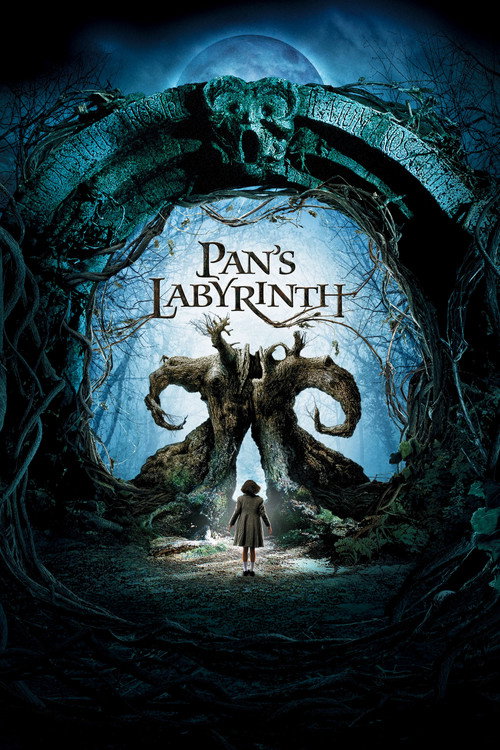
Pan's Labyrinth2006
A Spanish-language fantasy where the magical and the brutal coexist. Like Macario, it uses fairy-tale logic to explore hunger, mortality, and the cost of defying fate in a world that doesn't care about fairness.
But Distinctly darker and more violent than Macario, with imagery that lingers unpleasantly. The fantasy elements serve horror more than wonder.
The Seventh Seal1957
Bergman's chess game with Death is the other great meditation on mortality in cinema. Both films use encounters with the supernatural to ask what life means and who we become when we know our time is limited.
But Slower, more austere, and philosophically dense. It sits with questions rather than resolving them, which can feel bleak if you're looking for comfort.

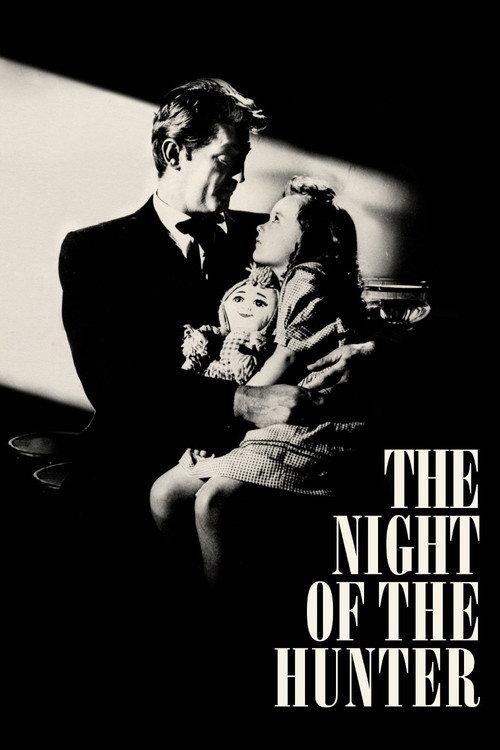
The Night of the Hunter1955
A fable about hunger, desperation, and the supernatural menace lurking beneath American life. Both films use dreamlike cinematography and folkloric power to make the spiritual feel physically present and terrifying.
But Shot in high-contrast black and white that's occasionally hard to parse. The pacing is deliberate, almost glacial by modern standards.
Not sure tonight? Get a pick in a minute, starting from Macario
The wildcard
Something you would not have found on your own.
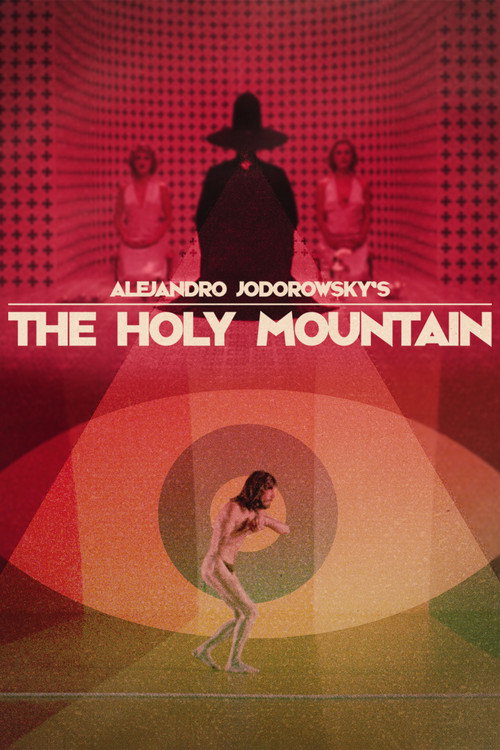
The Holy Mountain1973
Both films use encounters with the supernatural (Death, demons, angels) as spiritual tests. Both ask: what would you trade for salvation, and would you recognize enlightenment if it appeared to you hungry and naked?
Jodorowsky's surrealist odyssey is about a seeker climbing toward enlightenment, encountering death, sacrifice, and the cost of transcendence. Like Macario, it uses surreal, sometimes grotesque imagery to explore spiritual transformation—but here the journey is internal and hallucinatory rather than a simple transaction.
But Deeply strange, deliberately provocative, and often disgusting. It's art cinema that wants to unsettle you. A conventional narrative it is not, and some viewers feel manipulated by its discomfort rather than moved by it.
More like this (7)
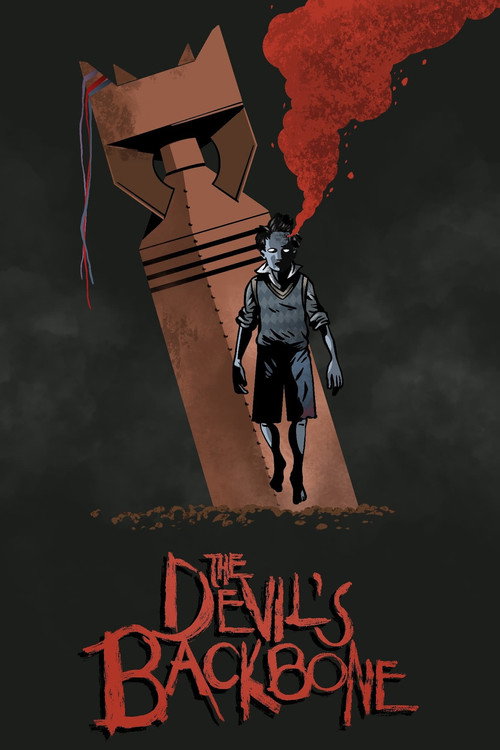
The Devil's Backbone2001
Another del Toro film (same sensibility as Pan's Labyrinth) where a ghost story becomes a meditation on Mexican history, sacrifice, and the dead demanding justice. Macario and this share a tone—folkloric but unsentimental.
But The ghost is genuinely disturbing and the violence isn't softened. Some viewers find the pacing too slow for what is, essentially, a haunted house story.
The Ballad of Little Jo1993
A Western that, like Macario, is interested in how power and survival warp a person's soul. Both examine what we'll do for security and whether gaining the world means losing yourself.
But Considerably quieter and sadder than its premise suggests. It's a character study masquerading as an adventure, which disappoints viewers expecting narrative momentum.

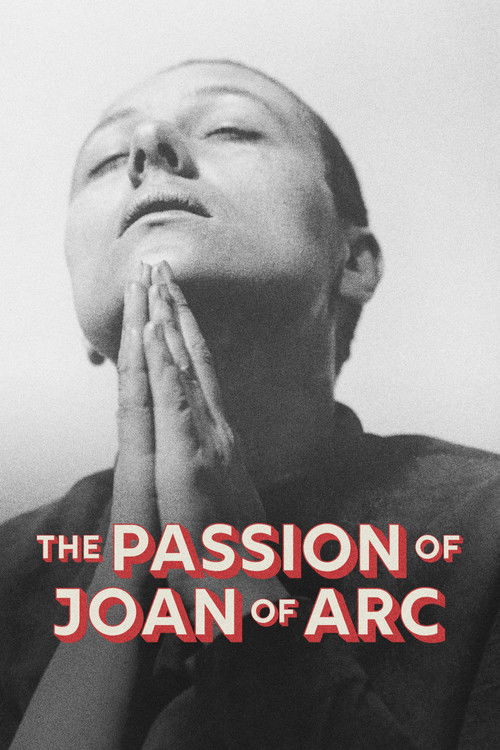
The Passion of Joan of Arc1928
Dreyer's silent masterpiece shares Macario's interest in faith, death, and the gap between institutional power and spiritual truth. Both films move with the inevitability of ritual or fate.
But It's 1928. Silent, black and white, minimal plot. If you're not prepared for the medium, it can feel like watching a museum piece rather than a living film.
A Ghost Story2017
A modern meditation on grief, time, and what lingers after death. Like Macario, it asks what the dead owe the living and whether immortality is a gift or a curse—all in a deceptively simple premise.
But Repetitive and deliberately slow. The central image (a figure in a white sheet) is intentionally awkward. It requires patience and a willingness to sit with sadness.

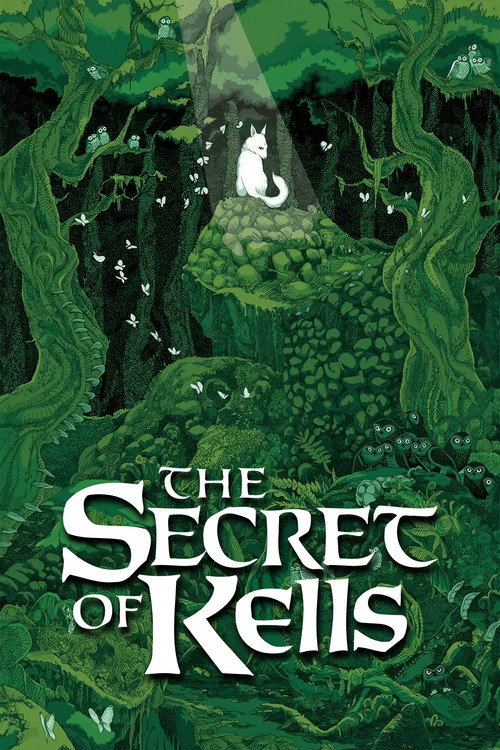
The Secret of Kells2009
An Irish animated film that captures the same folkloric magic as Macario—the intersection of myth, history, and the supernatural. Visually stunning and genuinely moved by the power of stories to outlast death.
But The plot is thin and the pacing meandering. Animation can undercut the themes for viewers who expect realism to anchor spiritual weight.
Come and See1985
Both films locate the sacred in extremity—where a peasant meets Death, or a boy meets absolute evil. Both refuse to sentimentalize suffering and both end with a kind of transcendence that feels earned rather than consoling.
A Belarusian film about a boy during WWII that transforms from war story into an apocalyptic vision of what hunger, death, and moral collapse actually feel like. Like Macario, it uses a realistic setting to reach toward something mythic and terrible—the moment a person's soul breaks.
But Genuinely harrowing. Not recommended if you're depleted. It's bleak, violent, and offers no comfort. Many viewers report it as one of the most difficult films they've finished.

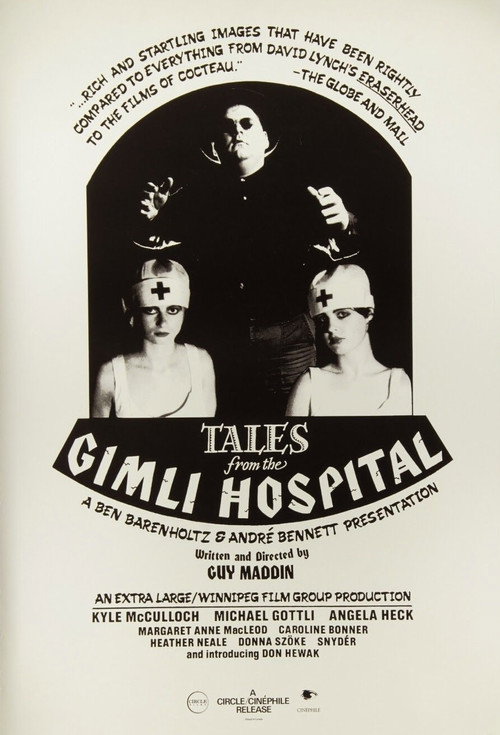
Tales from the Gimli Hospital1988
Both use the language of folk cinema and silent film to explore bodily suffering and mortality. Both are willing to be strange and ugly rather than conventionally beautiful. Both trust the audience to find meaning in images rather than explanation.
Guy Maddin's black-and-white Canadian fever dream about two bearded men in a hospital during a plague. Visually, it approximates how Macario might look if shot through memory or delirium—grainy, jerky, and strangely hypnotic. A meditation on mortality, transformation, and the strangeness of bodies.
But Deliberately archaic and difficult to parse. The narrative is opaque and the images are often grotesque. It feels like watching someone else's nightmare. Most people find it either revelatory or unwatchable.
People
Cast
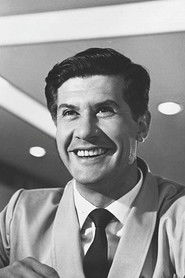 Ignacio López TarsoMacario
 Pina PellicerEsposa de Macario
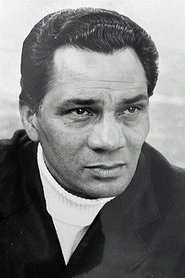 Enrique LuceroLa muerte
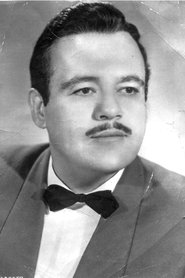 Mario Alberto RodríguezDon Ramiro
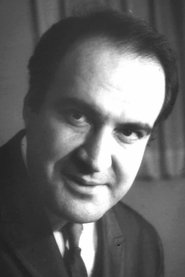 José GálvezEl Demonio
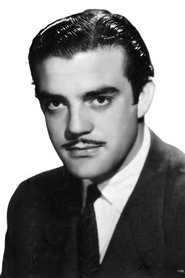 Eduardo FajardoVirrey
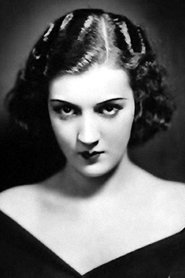 Consuelo FrankVirreina
- Celia TejedaChona
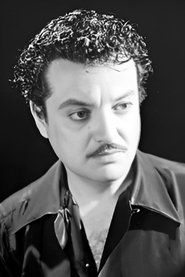 Luis Aceves CastañedaVerdugo infartado (uncredited)
 Miguel ArenasInquisidor (uncredited)
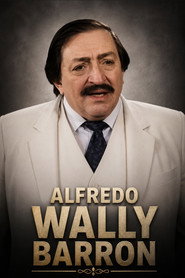 Alfredo Wally BarrónDon Alfredo, panadero (uncredited)
Directing
- Ignacio VillarealAssistant Director
- Roberto GavaldónDirector
- Manuel AlcaydeScript Supervisor
Writing
- B. TravenOriginal Story
- Emilio CarballidoWriter
- Roberto GavaldónWriter
Production
- José Luis de CelisExecutive Producer
- Armando Orive AlbaProducer
- Alberto A. FerrerProduction Manager