
Television series
Masters of Sex
Masters of Sex follows the real-life sex researchers William Masters and Virginia Johnson as they pioneer the science of human sexuality in 1950s St. Louis. It's a smart, frank period drama about ambition, desire, and the cost of breaking taboos—intellectually rigorous but deeply human, with genuine chemistry between its leads and a keen eye for the era's hypocrisy.
Should you watch it?
Watch it if you enjoy period dramas where the pleasure lies in watching two stubborn, brilliant people argue their way toward a discovery, with the romance and the science tangled together.
Skip it if you want a show that moves briskly toward answers, since its scenes linger over hospital politics, personal compromises and the slow grind of getting a study approved.
What it asks of you: It runs about an hour an episode across four seasons, so it wants a long commitment, and it rewards patience with quiet, character-driven scenes rather than rushing you along.
Not sure? Find tonight's pick in a minute.
If you liked this
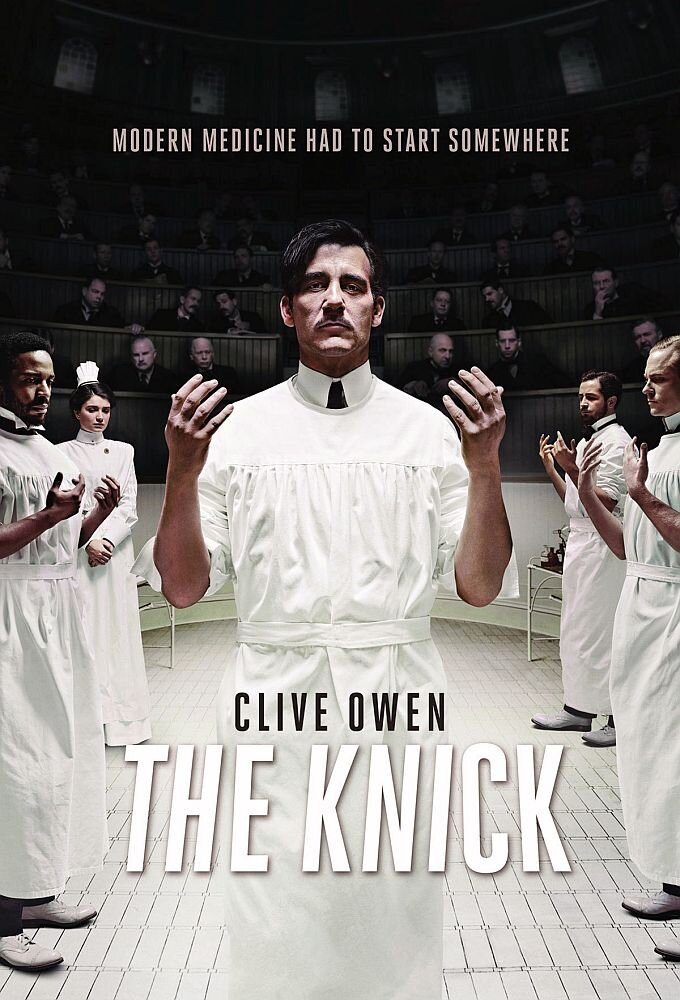
The Knick2014
Another period medical drama with the same restless intelligence and visual flair. Steven Soderbergh directs; it's about pioneering surgery in 1900s New York, staffed with brilliant, flawed people doing impossible work.
But Grislier and less interested in personal relationships. The tone is austere where Masters of Sex is warm, and it only ran two seasons before ending on an incomplete note.
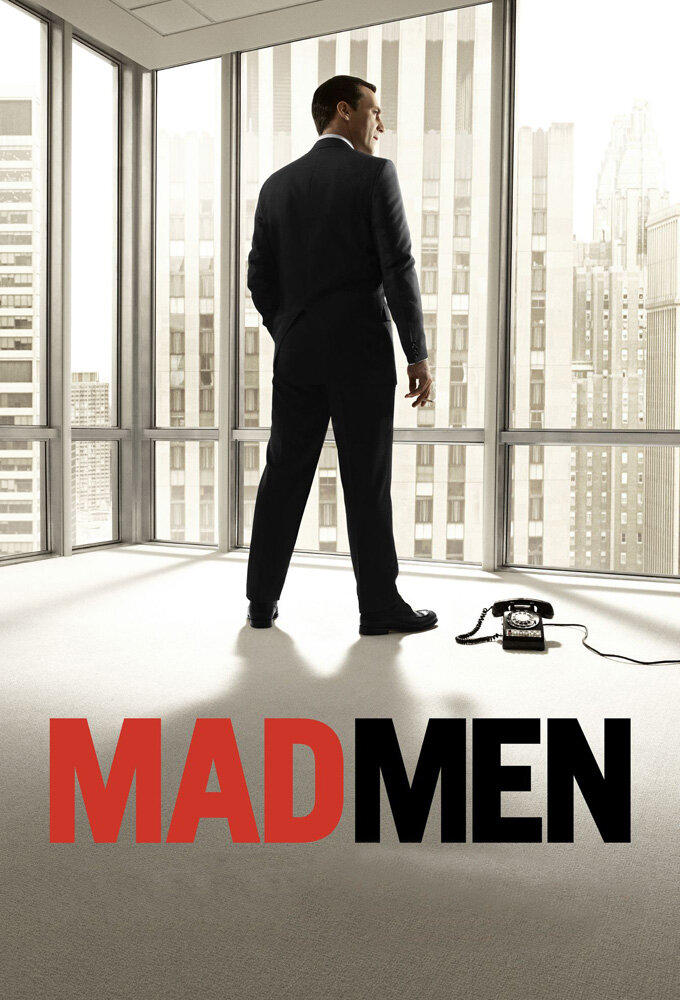
Mad Men2007
Shares Masters of Sex's gift for capturing a specific era—the 1960s advertising world instead of sexology—with the same ensemble cast depth and attention to how ambition and desire collide in professional spaces.
But Slower burn and longer commitment; seven seasons demands real patience. Also less explicitly about sex, which is the point if you're after something different.
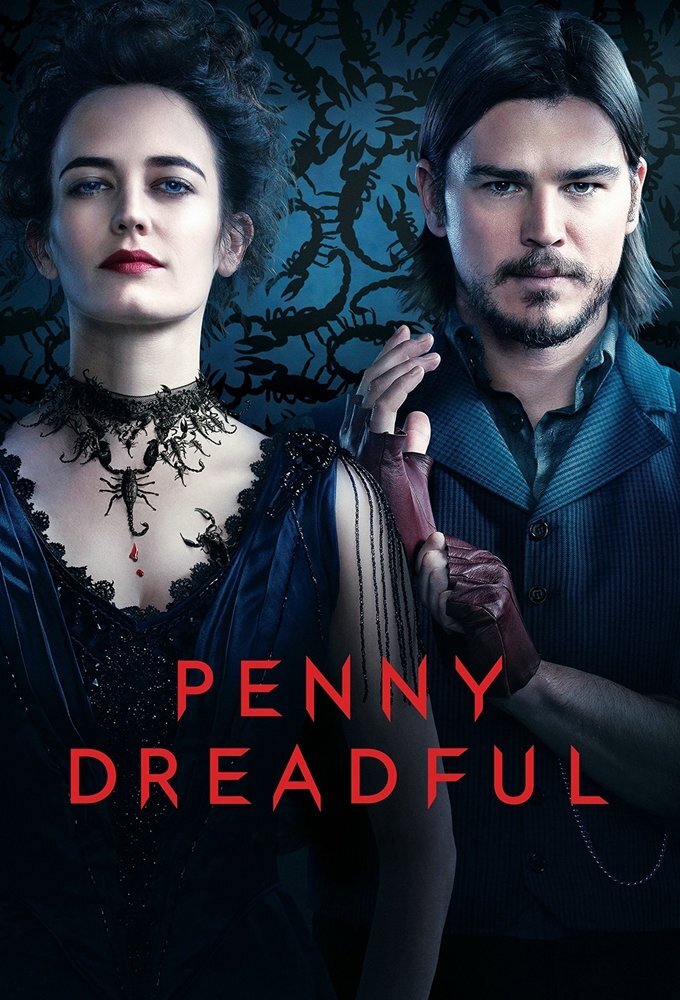
Penny Dreadful2014
Like Masters of Sex, it's a richly detailed period piece with a brilliant ensemble cast and an unflinching willingness to explore dark, transgressive material. Sam Spruell and Eva Green are hypnotic.
But It's gothic horror rather than historical drama, which is either the appeal or a total dealbreaker. Tonally quite different—more baroque and mysterious.
Not sure tonight? Get a pick in a minute, starting from Masters of Sex
The wildcard
Something you would not have found on your own.
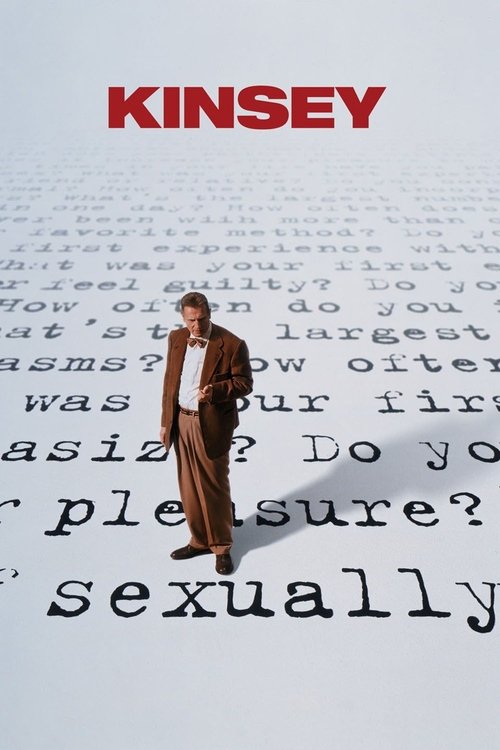
Kinsey2004
Direct historical lineage: Kinsey's work made Masters and Johnson's research possible. This is the origin story of the sexual revolution that Masters of Sex chronicles.
The actual precursor to Masters and Johnson's work: a film about Alfred Kinsey, whose sexual research in the 1940s-50s opened the door for everything that came after. Liam Neeson and Laura Linney are both superb, and it's a genuine intellectual thriller about taboo-breaking.
But It's a conventional biopic with a slight PBS quality, which some will find stodgy. The film is nearly two hours of people talking about data and consequences rather than the sexiness you might expect.
More like this (8)
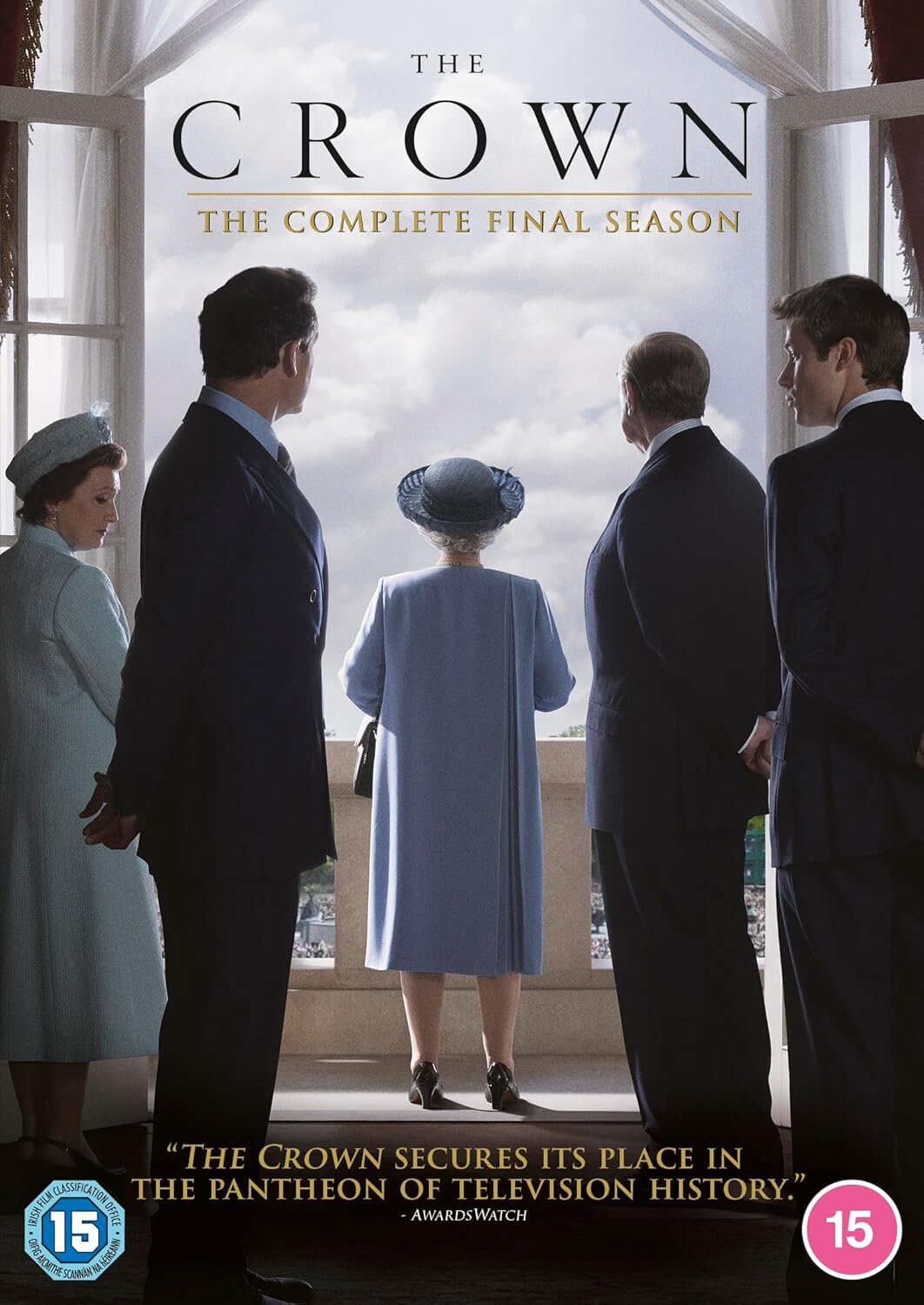
The Crown2016
Shares the psychological depth and period-setting mastery. It's about power, duty, and the gap between public image and private life—themes that resonate throughout Masters of Sex, just applied to royalty instead of scientists.
But It's a much larger production with a wider scope. If you loved the intimacy of Masters of Sex, this can feel distant and stately by comparison.
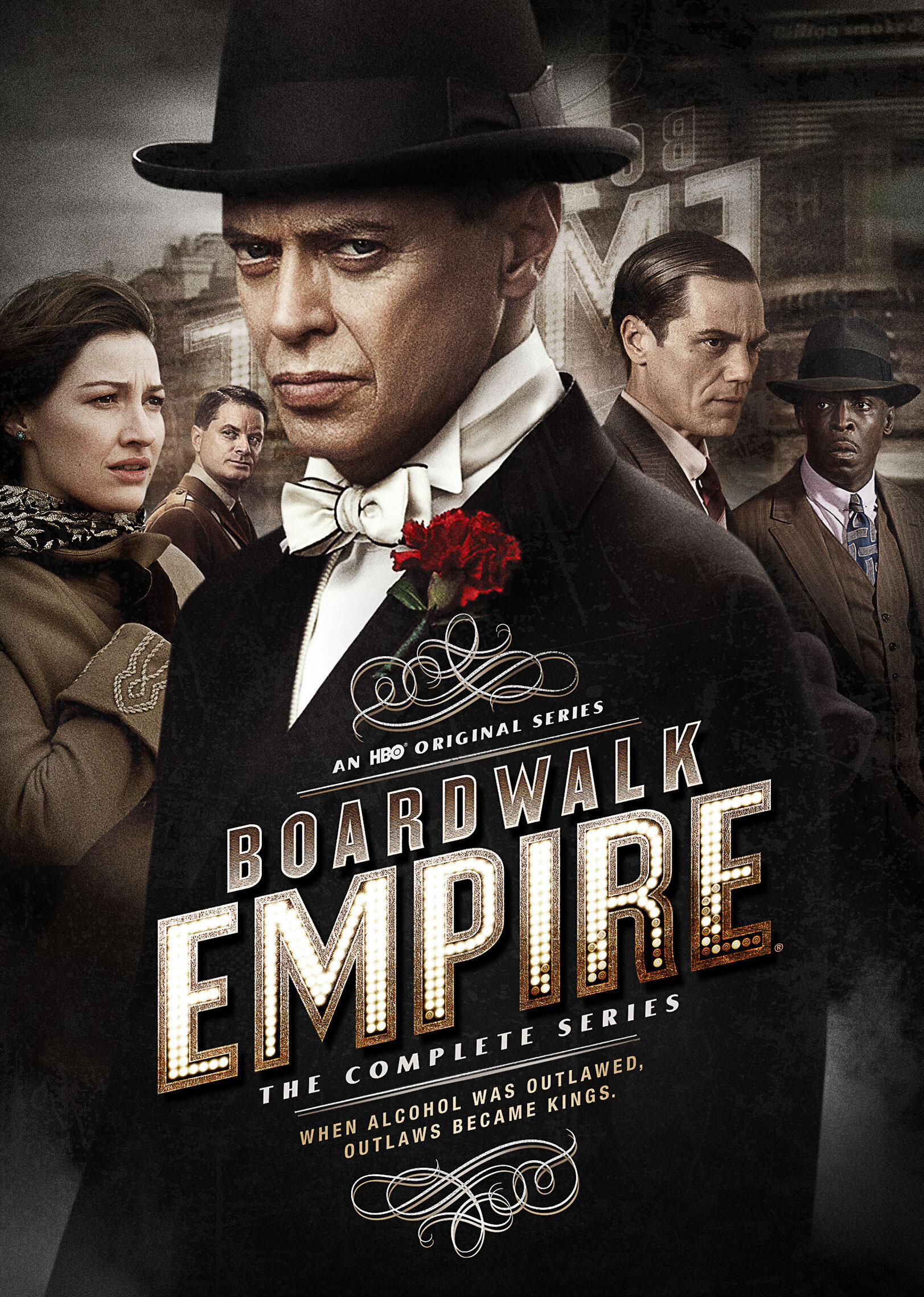
Boardwalk Empire2010
Another ambitious period drama with ensemble depth and real stakes. It captures the specificity of an era and the moral compromises people make in pursuit of something they believe in.
But Significantly darker and more violent. The pacing can be uneven across its five seasons, and it doesn't have the same romantic core.
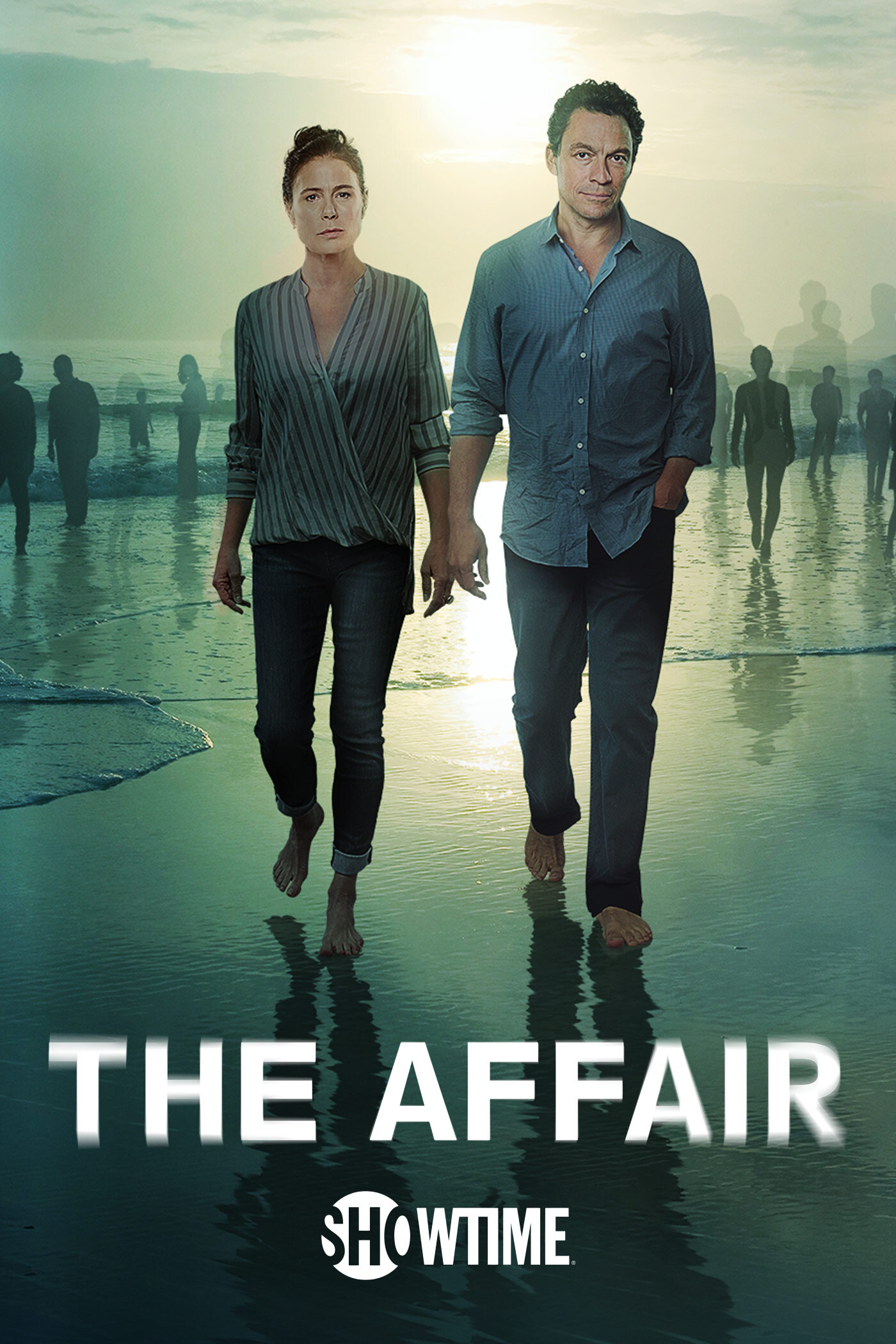
The Affair2014
Explores desire, infidelity, and the gap between how people perceive the same events. It shares Masters of Sex's frank approach to sex and its interest in how desire reshapes lives.
But Deliberately fragmented narrative; the same scene replayed from different perspectives can feel repetitive. Also considerably more cynical about human connection.
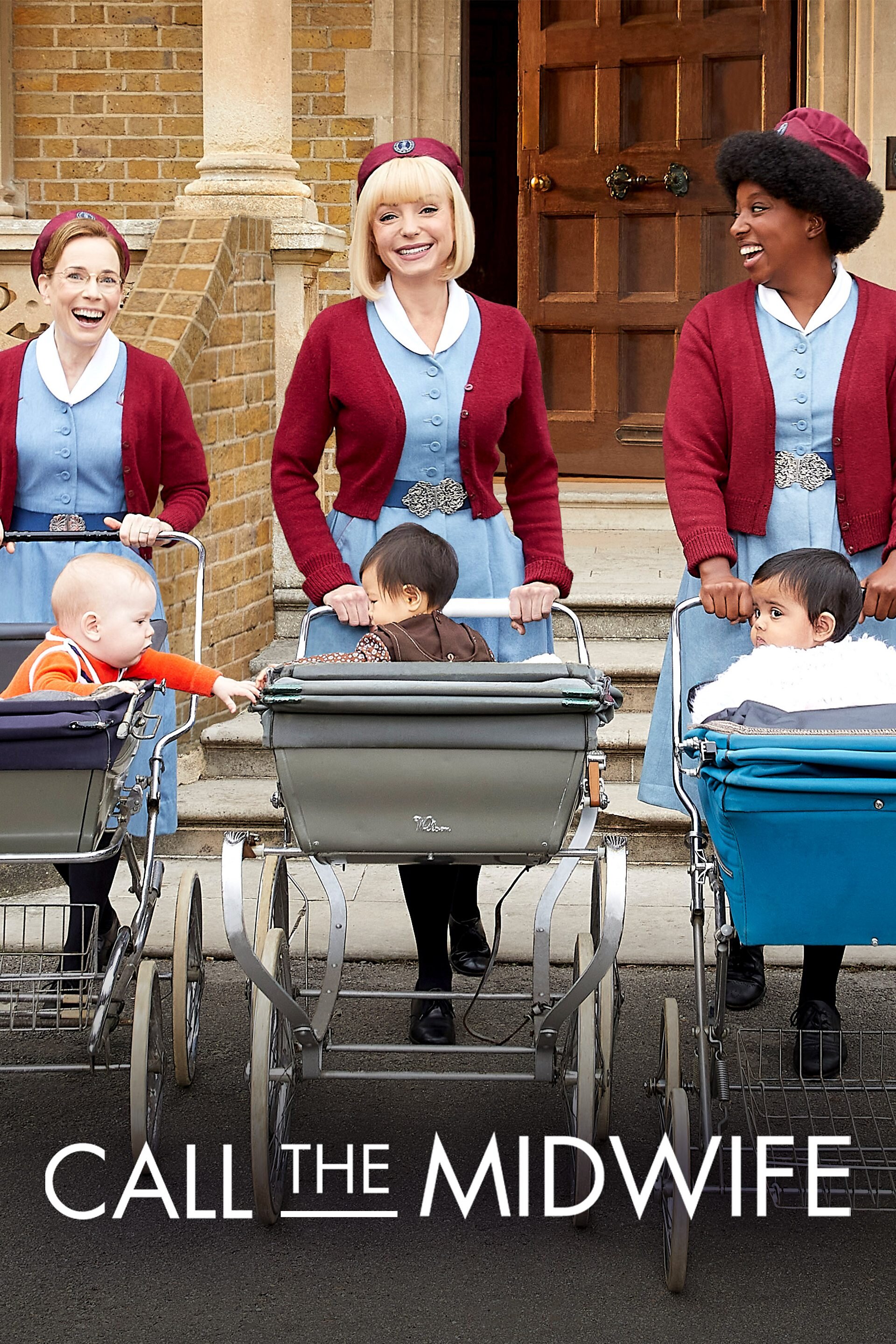
Call the Midwife2012
A period medical drama with warmth and humor about people doing necessary, intimate work. Set in 1950s-60s East London, it captures the same era from a different angle with genuine affection for its characters.
But Considerably gentler and less interested in institutional conflict. If you came for the sexual frankness, this takes a softer approach.
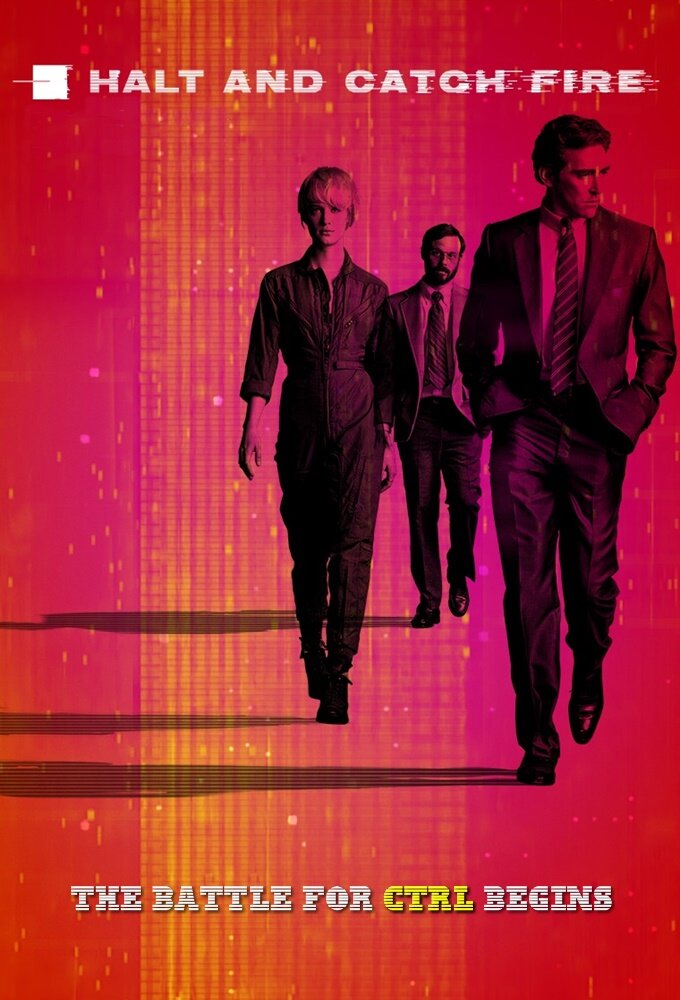
Halt and Catch Fire2014
About ambition and innovation in a specific era—1980s computing rather than 1950s sexology. The character work is exceptional, and it captures that specific fever dream of people trying to change the world.
But Deeply male-centered despite strong female characters. The pacing in early episodes can feel scattered, and it takes time to find its rhythm.
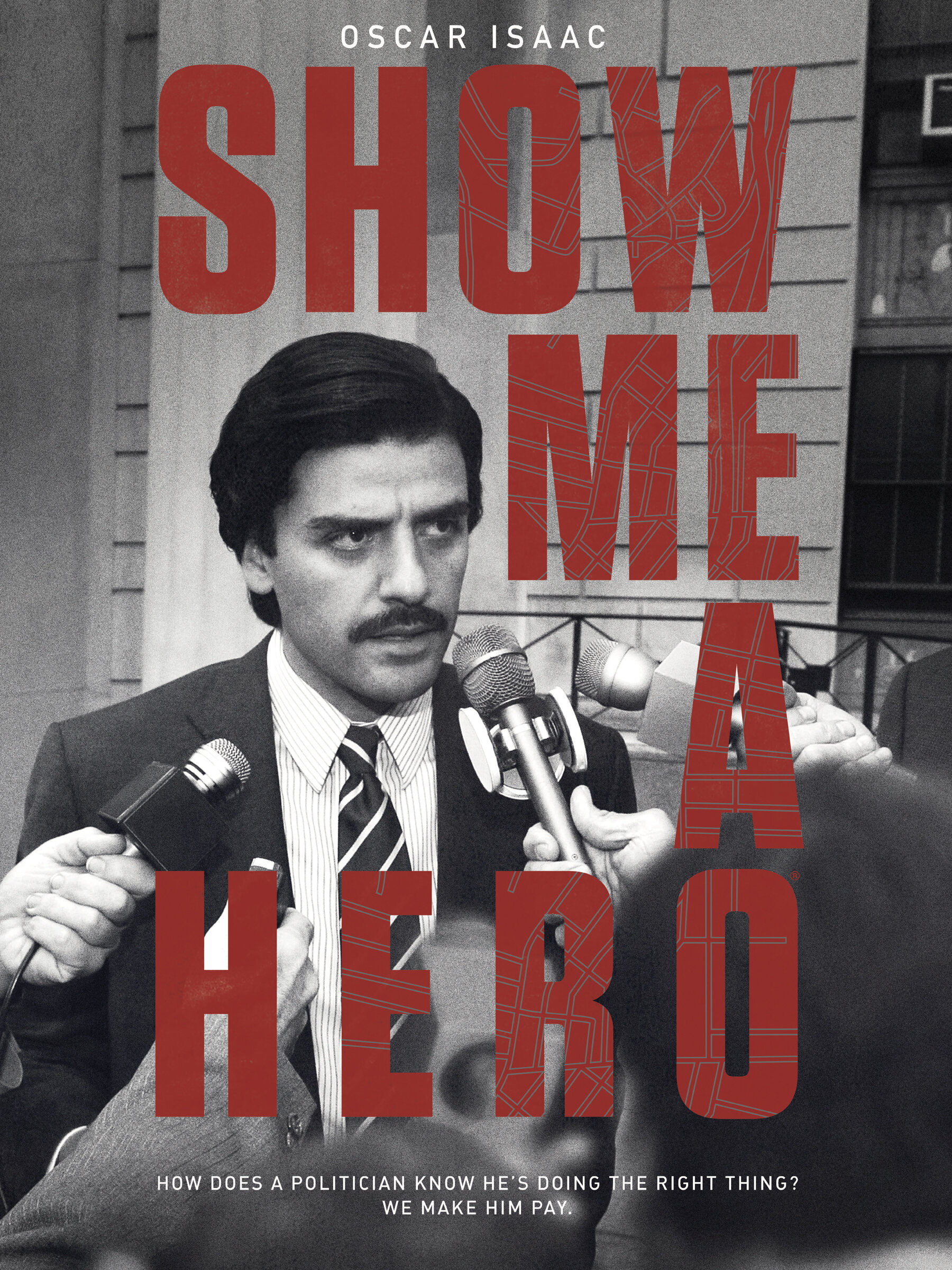
Show Me a Hero2015
A six-hour miniseries about public housing integration in 1980s Yonkers. It has the same commitment to historical specificity and character nuance, with Oscar Isaac delivering a career-best performance.
But Very slow, very interior, not conventionally dramatic. It requires patience and rewards it, but that's not everyone's television diet.
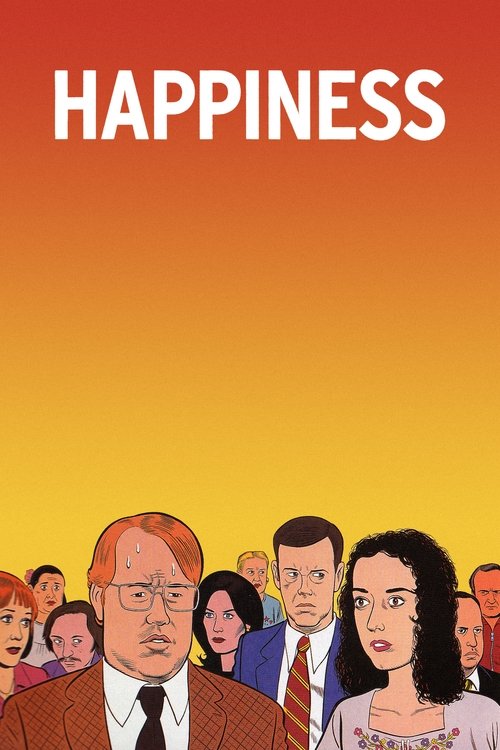
Happiness1998
Both are interested in the gap between sexual science/philosophy and lived experience. Where Masters of Sex is optimistic about understanding, Happiness suggests understanding might be its own kind of horror.
A Todd Solondz film about desire, hypocrisy, and the gap between what people want and what they actually do. Unflinching, uncomfortable, darkly funny—it takes the sexual frankness of Masters of Sex and applies it to suburban middle-class life with surgical precision.
But It's genuinely distressing in places. Solondz doesn't offer comfort or redemption; he offers recognition. Not everyone wants that from entertainment, and this film respects nothing.
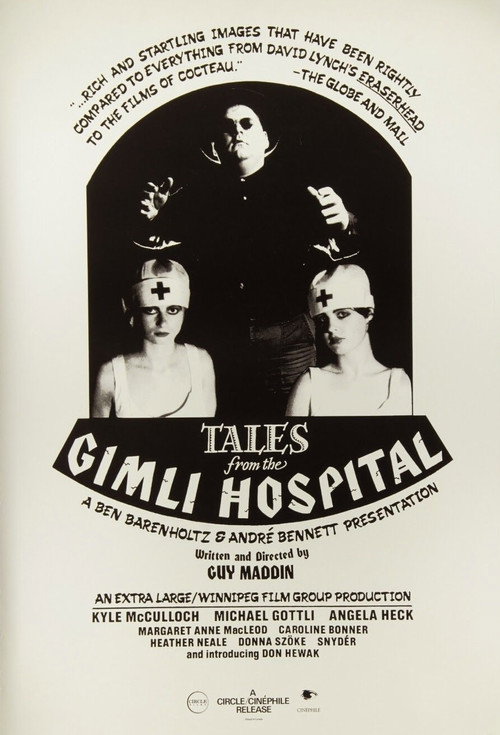
Tales from the Gimli Hospital1988
Both use institutional medical settings to explore desire and connection outside conventional social frameworks. Where Masters of Sex is rational and systematic, this is dreamlike and impressionistic—the emotional truth beneath the clinical observation.
A wildly experimental but deeply felt black-and-white film by Guy Maddin about love, illness, and desire in a small hospital. It's not naturalistic—it moves like a fever dream—but it has the same serious commitment to exploring the irrational, physical reality of human connection.
But It's formally experimental in ways that will alienate a lot of viewers. If you need conventional narrative and naturalistic acting, this will feel like punishment rather than cinema. It's genuinely odd.
People
Cast





Writing
- Michelle AshfordCreator
Production
- Aaron KlemanskiAssociate Producer
- Chris LeanzaAssociate Producer
- Mara LopezAssociate Producer
- Colin BuckseyCo-Executive Producer
- Ellen FaireyCo-Executive Producer
- Esta SpaldingCo-Executive Producer
- Tyler BensingerCo-Executive Producer
- Steven LevensonCo-Producer
- Valerie JosephCo-Producer
- Lynnie GreeneConsulting Producer
- Richard LevineConsulting Producer
- Amy LippmanExecutive Producer
- Carl BeverlyExecutive Producer
- Judith VernoExecutive Producer
- Michelle AshfordExecutive Producer
- Sarah TimbermanExecutive Producer
- John VohlersProducer
- Lizzy CaplanProducer
- Michael SheenProducer
- Tammy RosenProducer
- Thomas MaierProducer