
Film
Two Evil Eyes
- Horror
- Dip in and out
Two Italian masters of horror—Dario Argento and George A. Romero—each direct a Poe adaptation in this 1990 anthology. Argento's segment is sleek, grotesque obsession; Romero's is grimy, paranoid decay. It's uneven but never boring, best for viewers who want their Poe weird and their horror tactile.
If you liked this
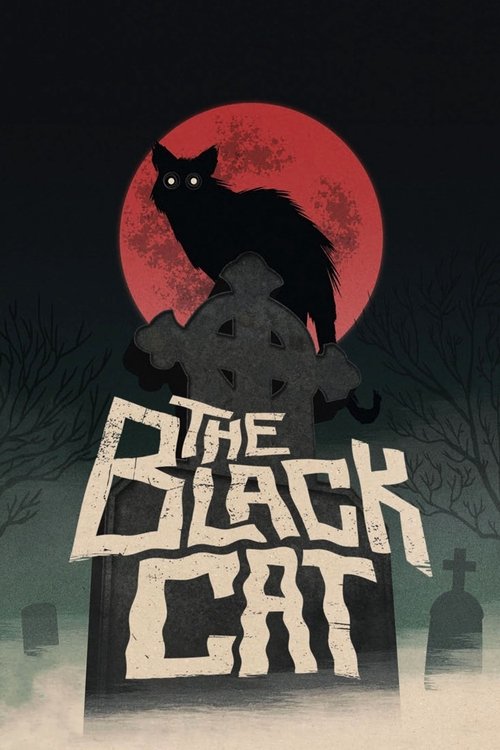
The Black Cat1981
Lucio Fulci's stunning giallo uses a Poe story as framework for gorgeous, cruel cinematography and a genuinely unsettling exploration of cruelty and voyeurism that builds to real dread.
But It's more interested in mood and image than plot momentum. If you need clarity and forward motion, you'll find it frustratingly slow.
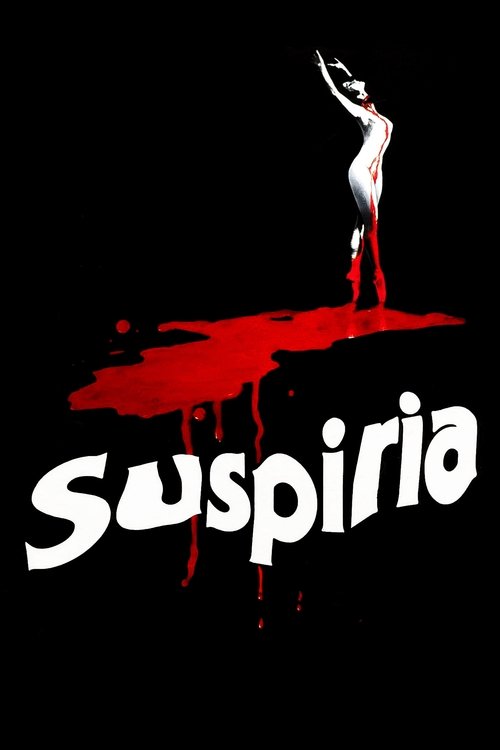
Suspiria1977
Argento at his most visually audacious: a ballet school hiding supernatural evil. The production design is fever-dream baroque, the murders are balletic, the score is unforgettable. Pure cinema.
But The plot is deliberately thin and logic doesn't hold up. The dialogue is clunky. It's all style—but for some people that's not enough.
The Cabinet of Dr. Caligari1920
Silent German expressionism that invented cinematic horror's visual language. Warped sets and shadows create unease that still works. It's the template everything else follows.
But It's ninety years old and moves at silent film pace. If you need dialogue and momentum, the artificiality will feel dated rather than eerie.

Not sure tonight? Get a pick in a minute, starting from Two Evil Eyes
The wildcard
Something you would not have found on your own.
Mulholland Drive2001
Like Two Evil Eyes, it's two narratives in one film exploring different registers of the same psychological horror—one seems like one story, then the frame shifts and you're seeing something else entirely.
Lynch's Los Angeles nightmare is a palindrome: a car crash, an actress, Hollywood obsession, reality collapsing. Shot in his hypnotic style, it's devastatingly beautiful and genuinely horrifying about ambition and identity.
But The structure is deliberately confusing and narrative clarity is impossible. Some sequences are tedious. It demands multiple viewings and rewards patience unevenly.

More like this (7)
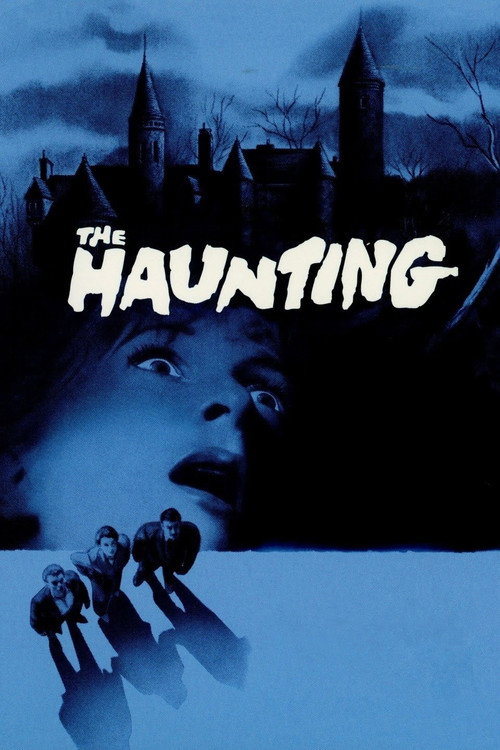
The Haunting1963
Robert Wise's adaptation is psychological horror at its most intelligent: a house that may or may not be haunted, a woman coming apart. Black-and-white cinematography that uses negative space to terrify.
But Almost no gore or jump scares. If you're looking for visceral horror, this is cerebral and quiet—which some find boring.
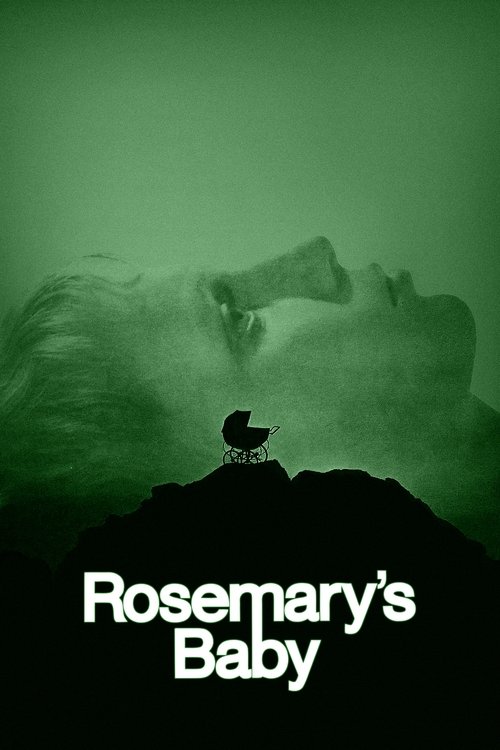
Rosemary's Baby1968
Paranoia as slow poison. A pregnant woman isolated in a Manhattan apartment, increasingly certain everyone around her is lying. Polanski's direction is meticulous and the dread accumulates relentlessly.
But Nothing graphic happens for long stretches. The horror is entirely internal and psychological—some people find that frustrating or pretentious.
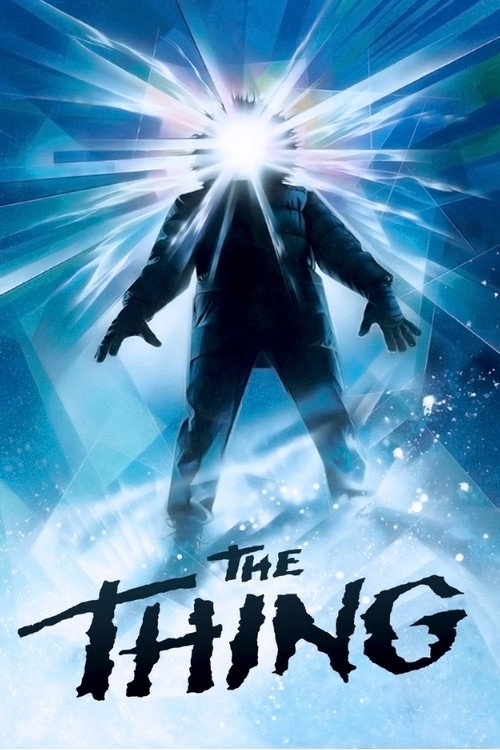
The Thing1982
John Carpenter's paranoia masterpiece: a shapeshifter in an Antarctic research station, isolation, betrayal. Grotesque practical effects, tight pacing, a cast that actually feels terrified.
But It's relentlessly bleak and cynical. No one is safe and nobody wins. If you need hope or a satisfying resolution, you won't find it.
The Wailing2016
Korean horror that plays with genre expectations: a village plagued by murder and illness, three men each convinced they've found the cause. Architecturally complex, genuinely unsettling, absolutely committed.
But It's 156 minutes and deliberately obscure about its meaning. Ambiguity is the point, which infuriates people who want answers.

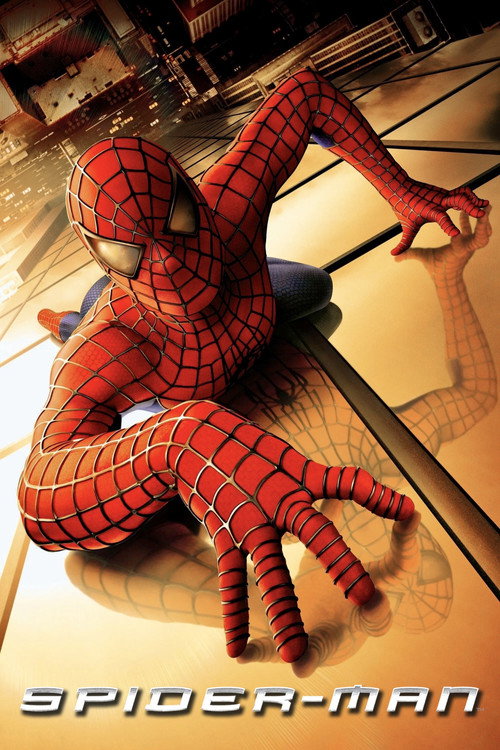
Spider-Man2002
Cronenberg's study of a man reconstructing his past from fragments of memory. Shot through rain and fog, it's eerie and intimate, more about psychology than plot. Haunting and strange.
But Almost nothing happens. It's a mood piece about a man's interior breakdown. If you need incident or conflict, you'll be watching someone shuffle through a neighbourhood.
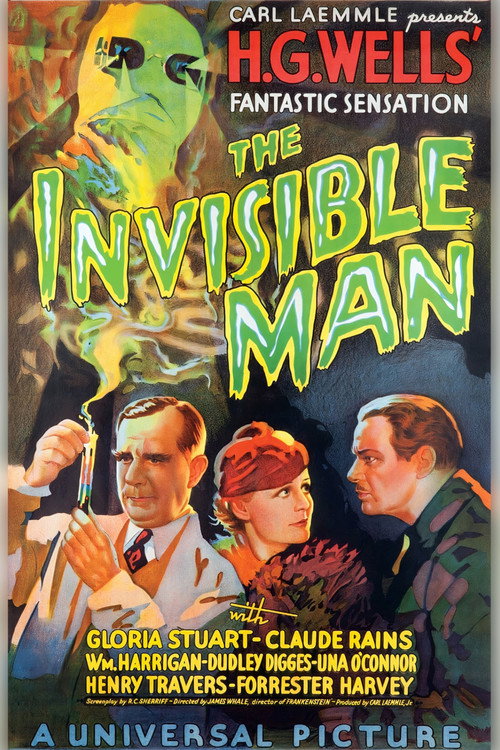
The Invisible Man1933
Universal's original is still clever: a scientist driven mad by invisibility serum, gradually unraveling. Special effects that are genuinely inventive for 1933, dark humour, real menace.
But It's ninety years old and the pacing is slow. The invisibility effects are clever but obviously mechanical by modern standards.
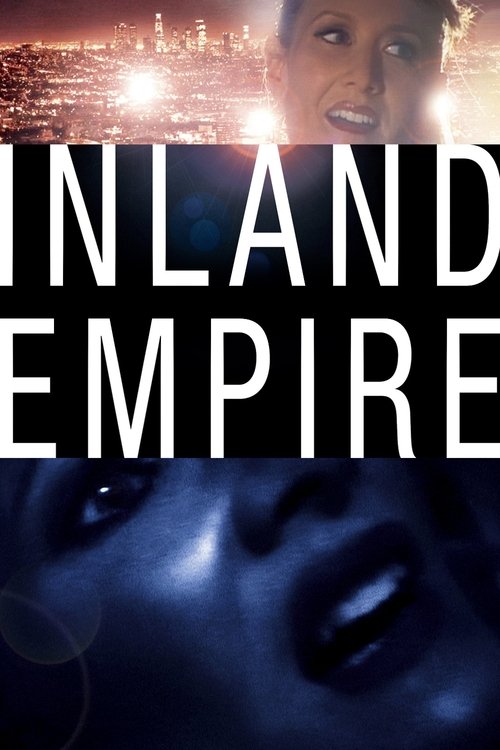
Inland Empire2006
Both are horror films built on literary or mythic frameworks that Poe and folk tales provide, where the real terror is in the style and texture rather than anything that happens—meaning is made from sound and image, not narrative.
Lynch's wildest work: a three-hour Polish folk curse, Hollywood soundstages, and a woman losing her mind through a film-within-a-film. Shot on digital video, it's grainy, repetitive, hypnotic, and absolutely uncompromising.
But It's deliberately incoherent and punishing. Three hours with almost no dialogue and minimal plot. Sitting through it feels like an endurance test that doesn't care whether you enjoy it.
People
Cast
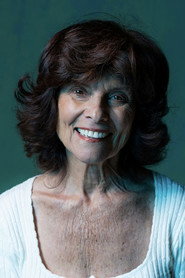 Adrienne BarbeauJessica Valdemar
 Harvey KeitelRoderick Usher
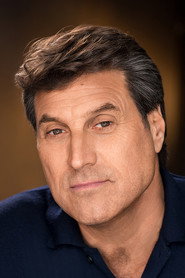 Ramy ZadaDr. Robert Hoffman
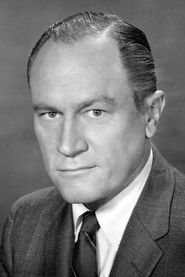 E.G. MarshallSteven Pike
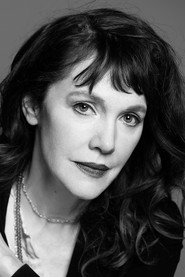 Madeleine PotterAnnabel
 Bingo O'MalleyErnest Valdemar
 John AmosDet. Legrand
 Kim HunterGloria Pym
 Martin BalsamMr. Pym
 Sally KirklandEleonora
 Holter GrahamChristian
- Chuck AberMr. Pratt
Directing
- Dario ArgentoDirector
- George A. RomeroDirector
- Nick MastandreaFirst Assistant Director
- J.S. ShoeScript Supervisor
- Fred 'Fredo' DonatelliSecond Assistant Director
- Maria MelograneSecond Assistant Director
- Luigi CozziSecond Unit Director
- Nicola PecoriniSecond Unit Director
Writing
- Dario ArgentoScreenplay
- Franco FerriniScreenplay
- George A. RomeroScreenplay
- Edgar Allan PoeShort Story
Production
- Elissa MyersCasting
- Paul FouquetCasting
- Claudio ArgentoExecutive Producer
- Dario ArgentoExecutive Producer
- Staci A. BlagovichExtras Casting
- Christina RomeroLocal Casting
- Donna BelajacLocal Casting
- Achille ManzottiProducer
- Carol CuddyProduction Manager
- Fernando FranchiProduction Manager