
Film
The Black Cat
Other titles called The Black Cat: the 1934 film, the 1941 film.
A 1981 English horror film where accidental deaths plague a village and a Scotland Yard inspector investigates a mysterious medium who claims to commune with the dead. It's atmospheric and deliberately paced, built on creeping dread rather than jump scares. For fans of '70s and '80s occult cinema who prize mood over gore.
Should you watch it?
Watch it if you love horror that trades logic for mood, where a village under strange threat and a cold procedural investigation give way to set pieces built around sudden, grisly invention.
Skip it if you want a tidy, tightly plotted mystery, because this one drifts, its dialogue creaks, and its violence can feel more like the point than the story.
What it asks of you: Ninety-two compact minutes with long, unhurried stretches of atmosphere, the dread arriving in bursts rather than building steadily.
Not sure? Find tonight's pick in a minute.
If you liked this
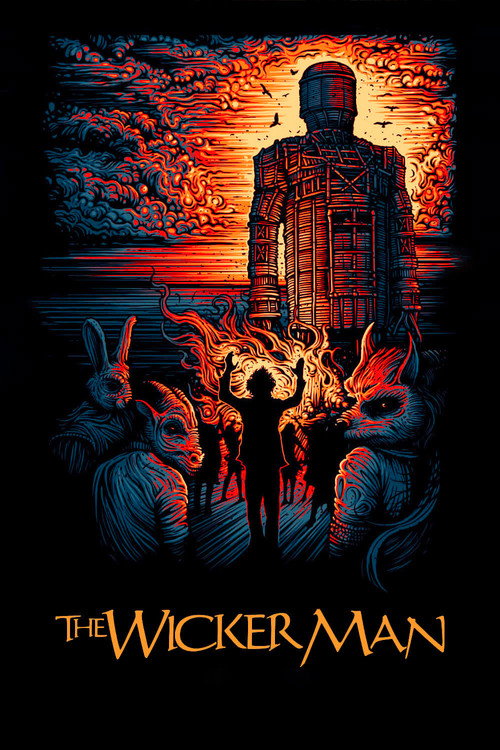
The Wicker Man1973
Combines folk horror with institutional mystery in a remote British setting. A detective arrives to investigate disappearances, only to find himself caught in something far stranger and more ritualistic than expected.
But The pacing is deliberate and cryptic; it refuses to spoon-feed answers, which frustrates viewers wanting clarity.
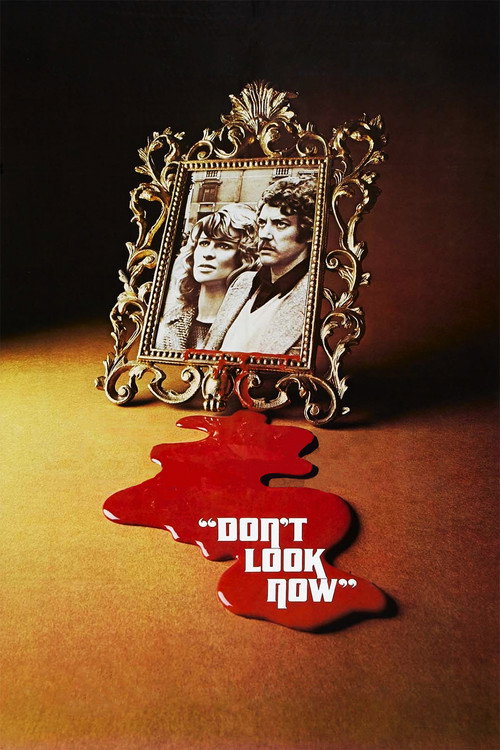
Don't Look Now1973
Venice setting, paranoia, and a medium who claims psychic knowledge all spiral into genuine dread. Nicolas Roeg's direction creates unease from atmosphere rather than explicit horror, mirroring the quiet terror of The Black Cat.
But It's more psychological than visceral, and the ending may feel ambiguous or bleak to those wanting catharsis.
Suspiria1977
A young dancer discovers her ballet school is run by a coven. Like The Black Cat, it prioritizes unsettling mood and visual strangeness over plot clarity, with a killer synth score that burrows into your brain.
But It's deliberately artificial and dreamlike, which some find pretentious or frustratingly vague about its own narrative logic.

Not sure tonight? Get a pick in a minute, starting from The Black Cat
The wildcard
Something you would not have found on your own.
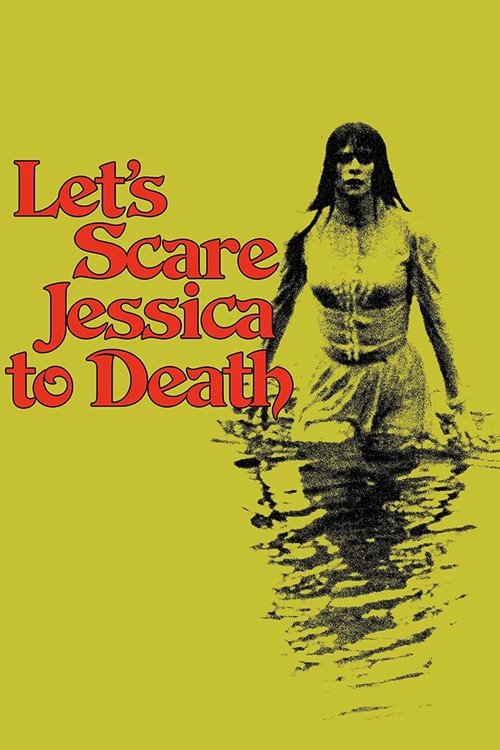
Let's Scare Jessica to Death1971
Both build horror through institutional mistrust and the question of whether supernatural forces or human psychology is the real threat. Both make the observer's sanity part of the mystery.
A woman recently released from psychiatric care returns to her hometown where reality begins to fracture. Like The Black Cat, it uses folk horror and small-town suspicion brilliantly, but told from the inside of a fractured mind rather than a detective's investigation.
But The ambiguity about what's real—and whether the protagonist can be trusted—will infuriate viewers wanting clear genre mechanics.
More like this (8)
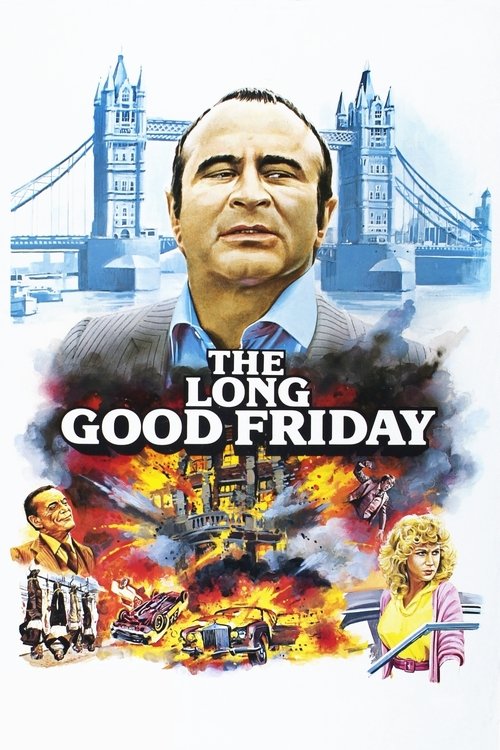
The Long Good Friday1980
Bob Hoskins as a London crime boss whose empire unravels over Easter weekend when mysterious forces begin eliminating his associates. Taut, brutal, and deeply paranoid—the mystery at its heart has real weight.
But It's a crime thriller rather than horror, and its ending is deliberately open-ended, leaving viewers to draw their own conclusions.
Possession1981
Released the same year as The Black Cat, this Andrzej Żuławski film is a fever dream of marital breakdown, occult horror, and body horror. Unhinged and operatic, it captures similar '80s European horror sensibility.
But It's genuinely bizarre and difficult; some find it messy and self-indulgent rather than effective.

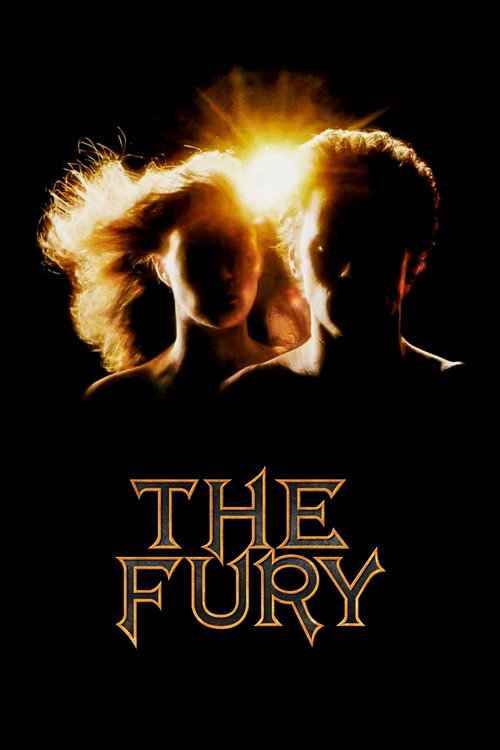
The Fury1978
Brian De Palma's thriller about psychic abilities and institutional conspiracy. It shares The Black Cat's interest in the supernatural as a tool for investigating hidden power structures and corruption.
But The pacing can feel digressive, and the climax divides audiences on whether it's brilliantly operatic or narratively incoherent.
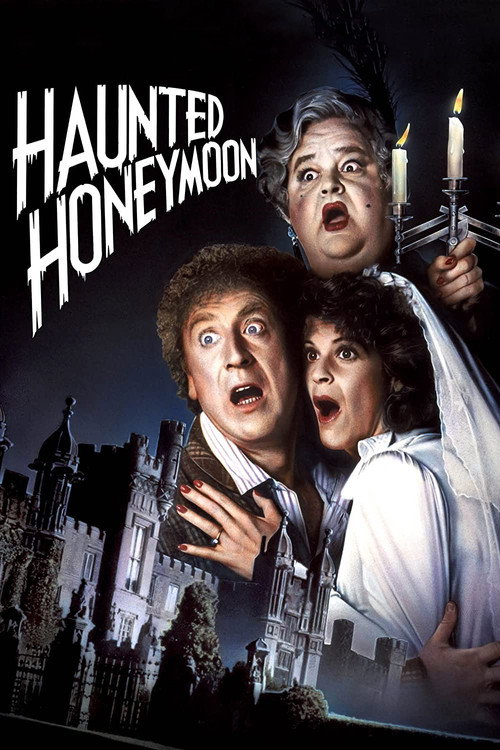
Haunted Honeymoon1986
Gene Wilder in a Gothic horror-comedy set in a creepy mansion where a medium and séances play a central role. It proves the same milieu can support both eerie atmosphere and absurdist humor.
But The comedy may feel dated or uneven; tonal whiplash between horror and slapstick doesn't work for everyone.
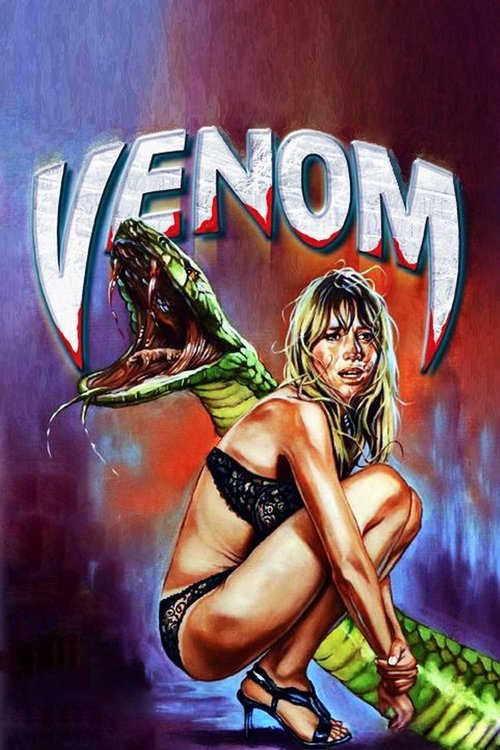
Venom1981
Klaus Kinski, Sterling Hayden, and Sterling Hayden trapped in a house with a cobra and each other. Like The Black Cat, it's a confined-space thriller where paranoia and danger accumulate steadily.
But The snake scenes are genuinely poorly constructed; much of the tension comes from plot rather than direction.
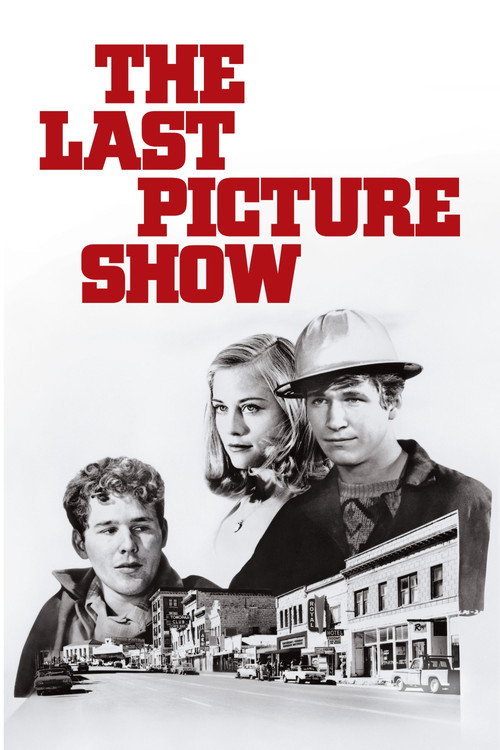
The Last Picture Show1971
An early '70s supernatural thriller centered on mediums, séances, and murder. It has genuine creepiness and shares The Black Cat's fascination with spiritualism as both con and real threat.
But It's obscure for good reason—the pacing is slack and the plot mechanics creak in ways even fans of the era will notice.
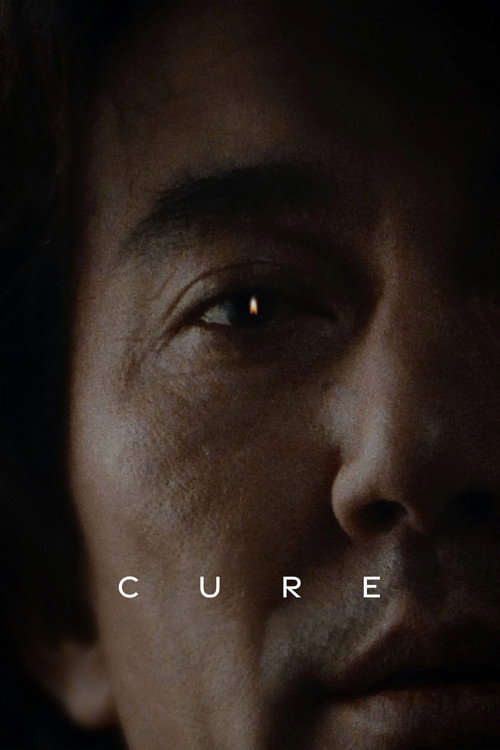
Cure1997
Both are detective procedurals that deconstruct the genre by making the investigation itself unreliable. Both question whether rationality can ever truly comprehend what's happening.
Kiyoshi Kurosawa's Japanese masterpiece about a detective investigating impossible murders connected to a mysterious hypnotist. It mirrors The Black Cat's structure—a rational investigator pursuing an occult conspiracy—but filters it through late-'90s existential dread and Japanese horror sensibility.
But It's slow, deliberately enigmatic, and refuses conventional narrative resolution. The bleakness is relentless.
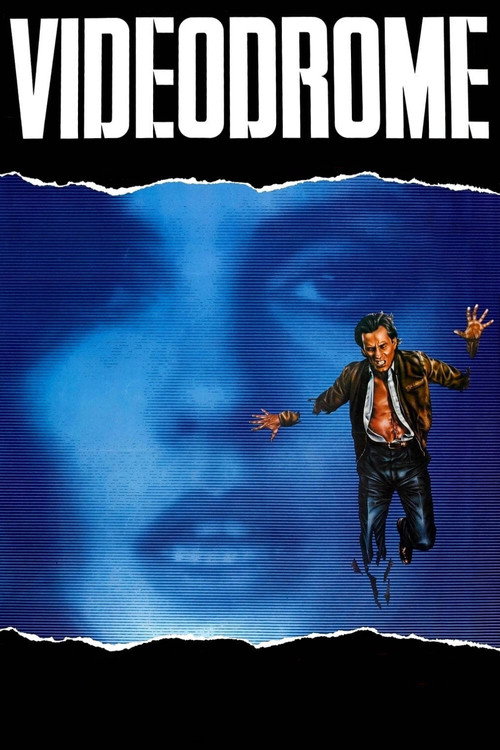
Videodrome1983
Both treat their central technology (spirit communication, broadcast media) as gateways that corrupt reality itself, not merely deliver it.
A late-night TV executive descends into a reality where video, sexuality, and horror merge into something hallucinogenic and body-horror twisted. It's wildly different in tone and genre from The Black Cat, but shares its fascination with media (séance recordings, video broadcasts) as portals to something dangerous and reality-bending.
But It's deliberately grotesque, deliberately visceral, and deliberately incoherent. Those wanting gothic atmosphere will find only technologically-inflected body horror instead.
People
Cast
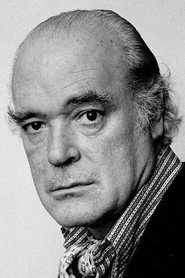 Patrick MageeProf. Robert Miles
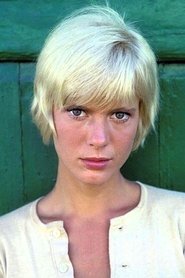 Mimsy FarmerJill Trevers
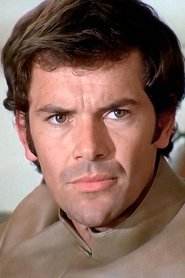 David WarbeckInspector Gorley
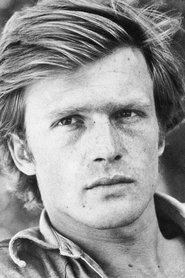 Al CliverSgt. Wilson
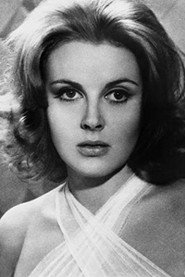 Dagmar LassanderLillian Grayson
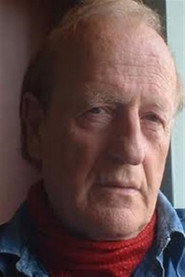 Bruno CorazzariFerguson
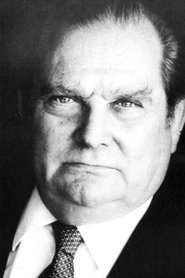 Geoffrey CoplestonInspector Flynn
 Daniela DoriaMaureen Grayson
Directing
- David Del BufaloAssistant Director
- Victor TourjanskyAssistant Director
- Daniela TontiContinuity
- Lucio FulciDirector
- Roberto GiandaliaSecond Unit Director
Writing
- Biagio ProiettiScreenplay
- Lucio FulciScreenplay
- Edgar Allan PoeShort Story
- Biagio ProiettiStory
Production
- Adalberto SpadoniAdministration
- Harry Alan TowersAssociate Producer
- Giulio SbarigiaProducer
- David BallProduction Assistant
- Renato AngioliniProduction Executive
- Ennio OnoratiProduction Manager
- Antonio Da PadovaUnit Manager
- Tommaso PantanoUnit Manager