
Film
Haunted Honeymoon
Gene Wilder and Gilda Radner star in this 1986 comedy-horror hybrid about a radio personality returning to his spooky family mansion for an unconventional cure. It's a theatrical, deliberately campy romp that wears its B-movie inspirations proudly—more *Young Frankenstein* energy than genuine scares. For fans of horror-comedy that prioritizes laughs and absurdist charm over coherence.
If you liked this
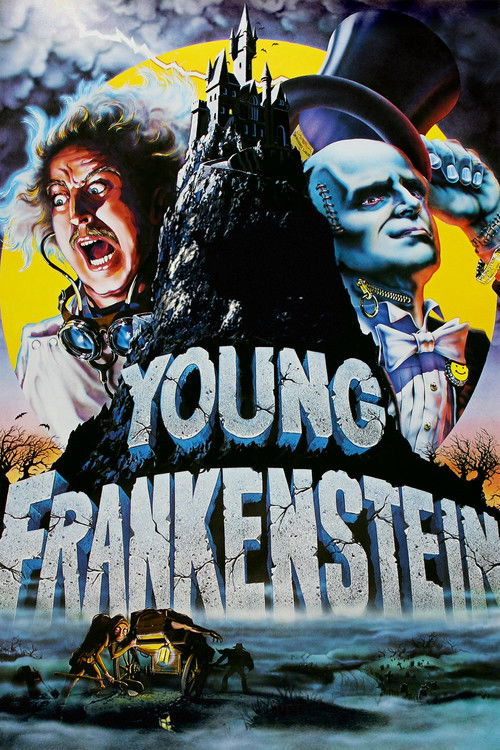
Young Frankenstein1974
Gene Wilder's masterclass in comedic timing and physical humor, set in the same Gothic-mansion-full-of-weirdos universe. If you like Wilder's energy here, this is where he peaked.
But It's been quoted to death and feels like comfort food now rather than fresh. The pacing occasionally drags in the middle act.
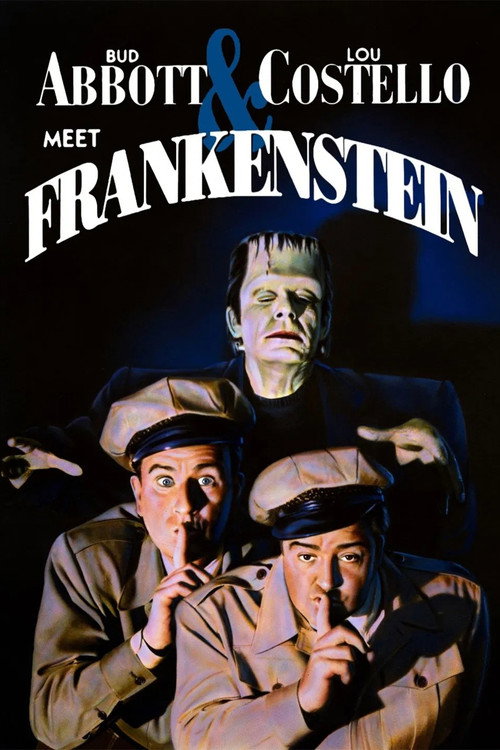
Bud Abbott and Lou Costello Meet Frankenstein1948
The spiritual ancestor of this film—two comedians bumbling through classic monster mayhem with genuine charm. It understands that horror and comedy share the same toolbox.
But The pace is very 1940s, and the monster-movie setup doesn't offer much narrative surprise if you know the formula.
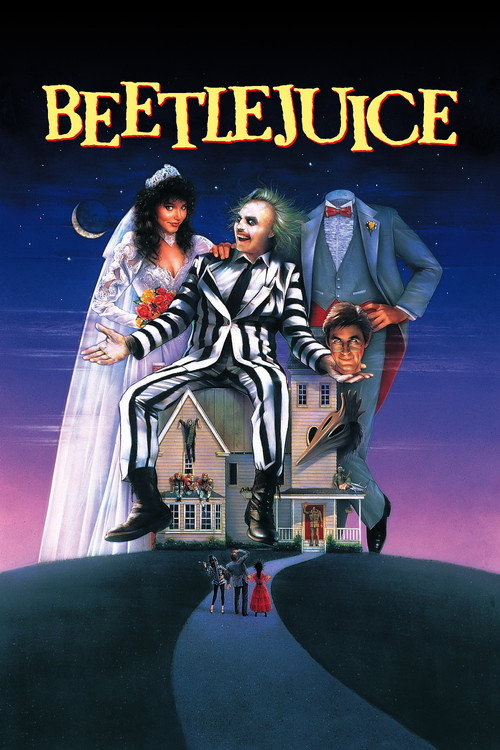
Beetlejuice1988
Tim Burton's theatrical, candy-colored approach to haunted-house comedy. Same commitment to camp and production design, same willingness to let weird comedy beats breathe.
But It's become so iconic that it sometimes feels more celebrated than actually funny. The second half loses focus.
Not sure tonight? Get a pick in a minute, starting from Haunted Honeymoon
The wildcard
Something you would not have found on your own.
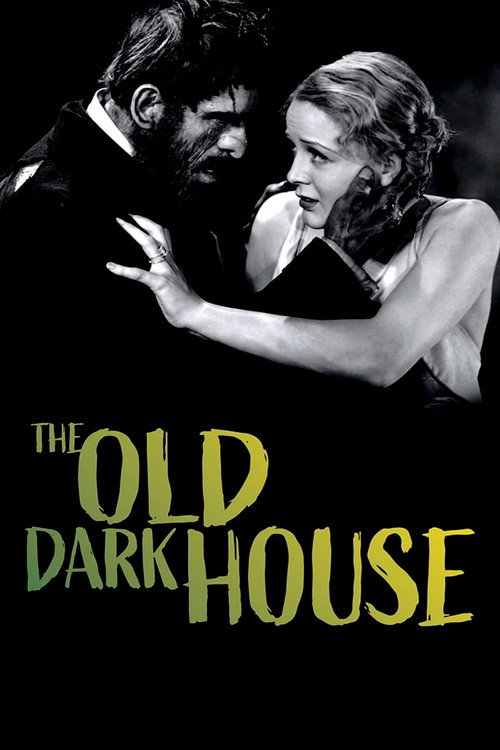
The Old Dark House1932
Direct genealogy: *Honeymoon* is a descendant that knows where it came from. Whale's film proved you could serve atmosphere and humor in the same Gothic space, and Wilder understood that inheritance.
James Whale (who made *Frankenstein*) directs this atmospheric haunted-house mystery that influenced every Gothic-comedy to follow, including this one. It's the source code: how to make genuine atmosphere funny without winking.
But It's serious in a way *Honeymoon* isn't—less a comedy than a drama with comic relief. The pacing and style demand acceptance of 1932's rhythms.
More like this (8)
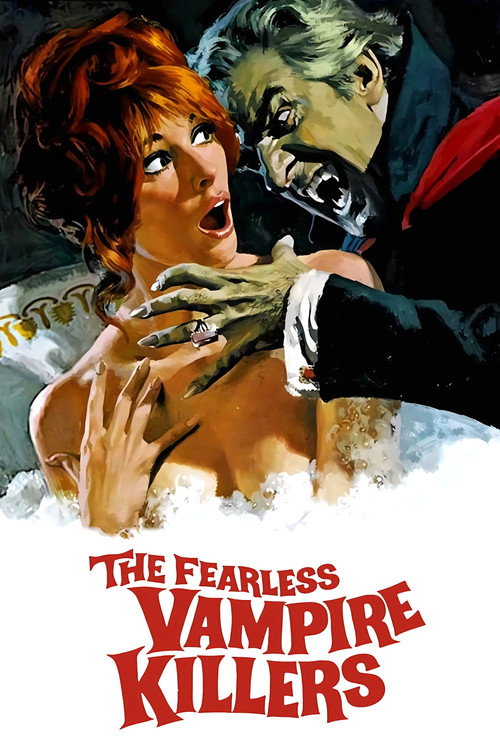
The Fearless Vampire Killers1967
Polanski's playful vampire spoof with eccentric performances and gorgeous, intentional silliness. Shares *Honeymoon's* theatrical DNA and commitment to aesthetic absurdity.
But The pacing is glacial by modern standards. The tonal shifts between slapstick and Gothic atmosphere can feel jarring.
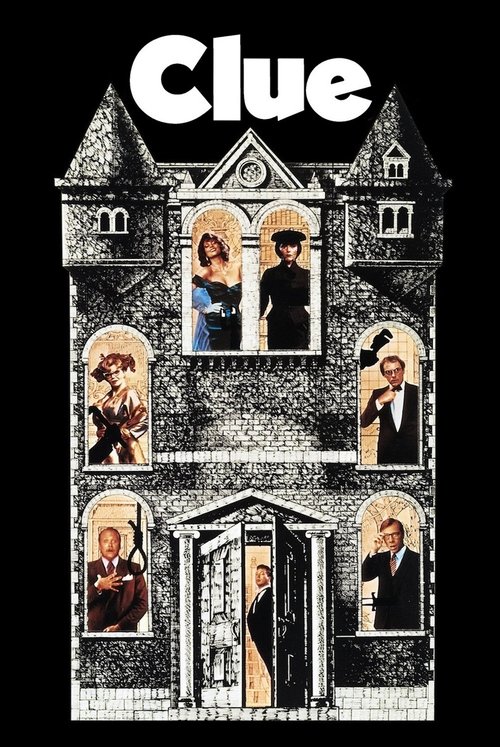
Clue1985
A mansion, eccentric relatives, unsolved mysteries, and comedians building jokes on top of each other. The ensemble energy and multiple-ending structure feel kindred.
But It's almost too clever and fast-paced—sometimes the plot mechanics overshadow the character comedy. Multiple versions feel gimmicky.
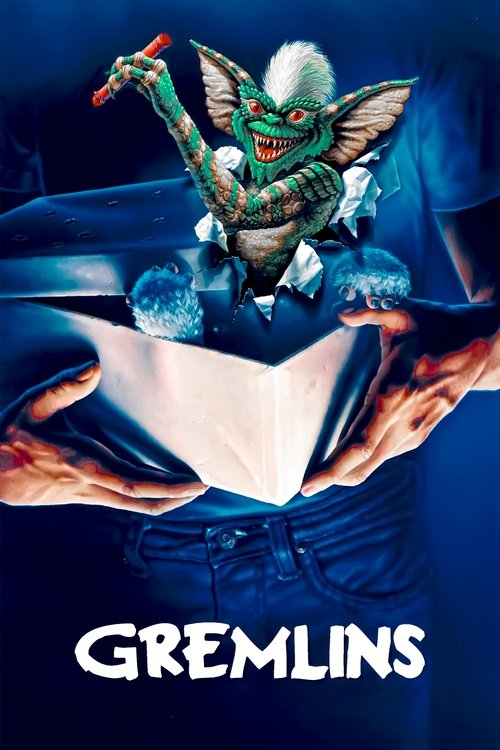
Gremlins1984
Spielberg-produced horror-comedy that balances genuine creepiness with slapstick mayhem and B-movie reverence. Proves the formula works when both tones are earned.
But The tonal whiplash is deliberate, which means it doesn't work for everyone. The Gremlin sequences wear their effects age heavily.
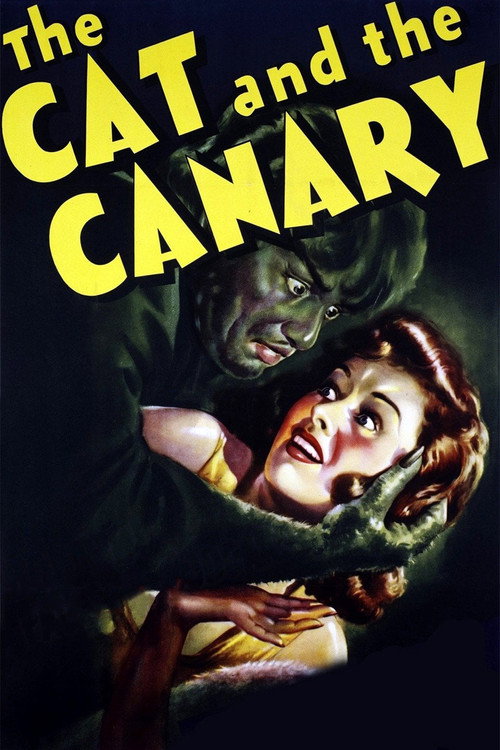
The Cat and the Canary1939
An earlier blueprint: haunted-mansion comedy with Bob Hope, genuine mystery structure, and knowingly theatrical performances. This is the template *Honeymoon* is riffing on.
But It's in black and white and moves at a pace that requires patience. The mystery plot is genuinely thin.
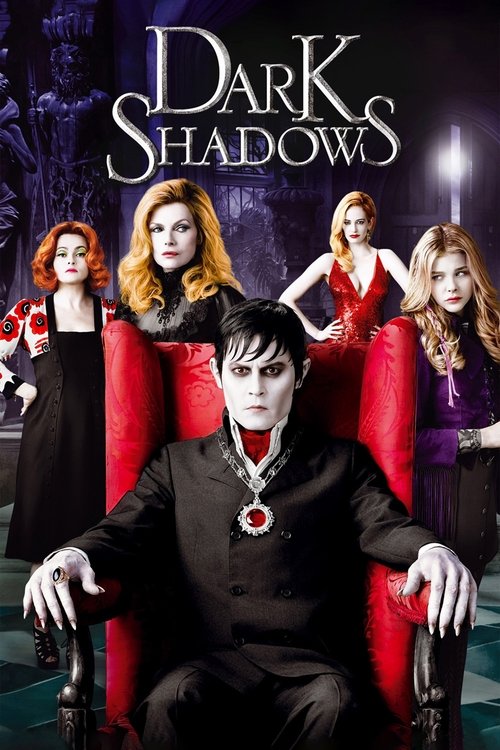
Dark Shadows2012
Tim Burton's campy-Gothic take on mansion horror-comedy, with Johnny Depp embracing theatrical performance. Similar aesthetic sensibility and commitment to weird family dynamics.
But It's overstuffed, poorly structured, and drags considerably. The 70s-set comedy sometimes undermines the actual plot.
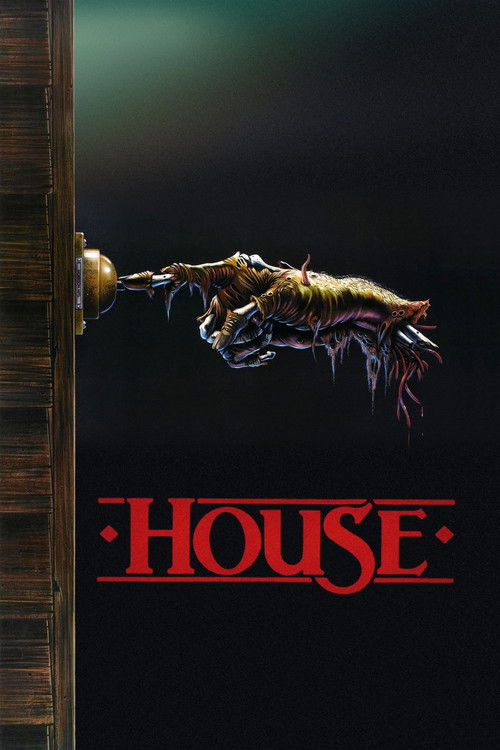
House1985
Released the same year, this is a haunted-house comedy that actually commits to scares alongside laughs. Proves 1986 understood this hybrid better than most decades.
But The horror elements feel genuinely unsettling in ways that break the comedy rhythm. It's messier than *Honeymoon* wants to be.
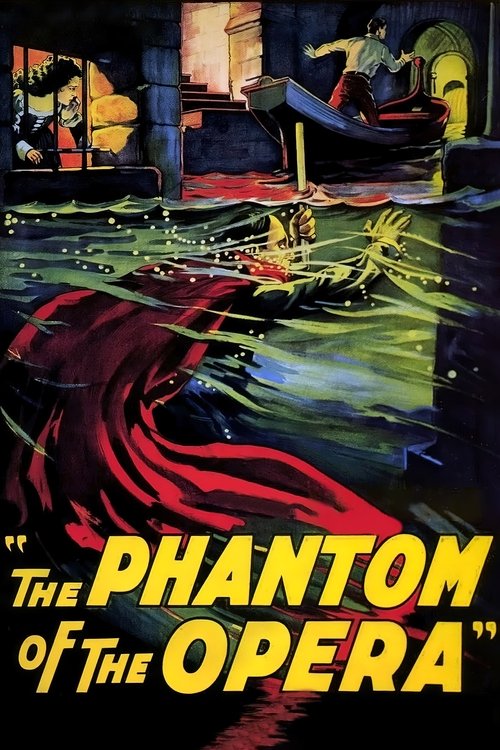
The Phantom of the Opera1925
Both films understand that horror and comedy live in exaggeration and performance. *Phantom* does it with tragic intensity; *Honeymoon* does it with slapstick. Same theatrical DNA, opposite temperatures.
Lon Chaney's silent masterpiece—this is pure theatrical performance, practical horror effects, and Gothic architecture as character. It's what Wilder and the production designers were channeling: real artistry wearing genre clothes.
But It's silent and genuinely quite moving, which means watching it requires a different mode of attention than a gag-filled comedy. No irony shield here.
The Wailing2016
Both films trust the audience to keep up with tonal shifts and mystery-logic that doesn't obey realistic rules. *Honeymoon* makes you laugh at the instability; *The Wailing* makes you question everything, but they're cousins structurally.
A South Korean horror-mystery that's genuinely unsettling but also structurally playful—it toys with genre expectations the way *Honeymoon* does, but in deadly earnest. Proof that mystery-comedy hybrids can be made with real stakes and still work.
But It's two and a half hours, in Korean with subtitles, and morphs between horror, mystery, and social commentary. The tone is deliberately unstable in ways that exhaust rather than delight.

People
Cast
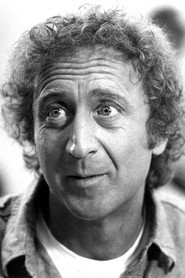 Gene WilderLarry Abbot
 Gilda RadnerVickie Pearl
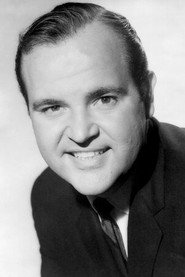 Dom DeLuiseAunt Kate Abbot
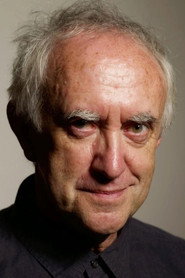 Jonathan PryceCharles Abbot
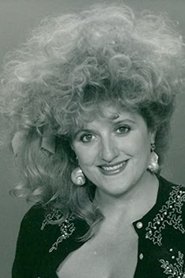 Eve FerretSylvia
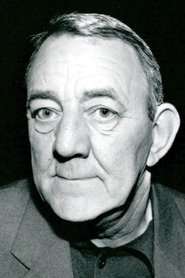 Bryan PringlePfister
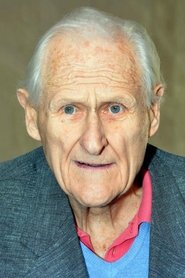 Peter VaughanUncle Francis Abbot Sr.
 Paul L. SmithDr. Paul Abbot
 Jim CarterMontego
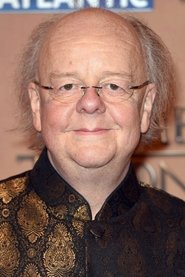 Roger Ashton-GriffithsCousin Francis Jr.
- Ann WayRachel
- Sally OsborneMrs. Abbot
Directing
- Gene WilderDirector
- Nikki ClappScript Supervisor
Writing
- Gene WilderWriter
- Terence MarshWriter
Production
- Basil RayburnAssociate Producer
- Emile BuyseAssociate Producer
- Irene LambCasting
- Susan RuskinProducer
- Basil RayburnProduction Supervisor