
Film
Nightmare Cinema
An anthology horror film where strangers trapped in a decrepit theater watch their personal nightmares literally projected before them by a supernatural projectionist. Five separate stories, each tapping into different fears—disease, guilt, loss, obsession, faith. It's visually inventive but uneven, held together by the framing device and Mickey Rourke's otherworldly presence. For horror fans who love ambitious concepts over perfect execution.
If you liked this
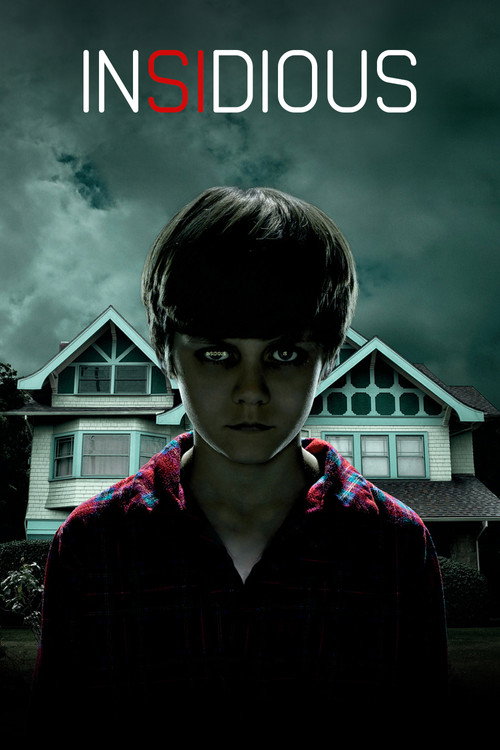
Insidious2011
Another haunted-space horror that trusts atmosphere and strange imagery over jump scares. It builds dread methodically and has that same sense of wrongness lurking beneath surfaces, with supernatural rules that feel genuinely unsettling.
But The sequels got progressively sillier, so you might approach anything in this franchise with skepticism. Fair, but the first film holds up better than you'd expect.
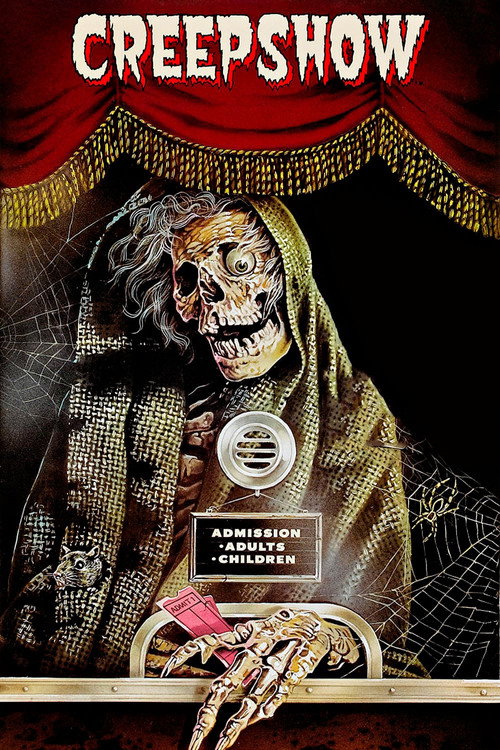
Creepshow1982
A horror anthology that celebrates pulp storytelling without apology. Five stories, each with a different tone and visual style, all framed by a comic-book wrapper. The variety keeps you off-balance; you never know what kind of scare comes next.
But Made in 1982, so it looks 1982—practical effects, synth score, very of-its-time. If you need modern polish, this won't provide it.
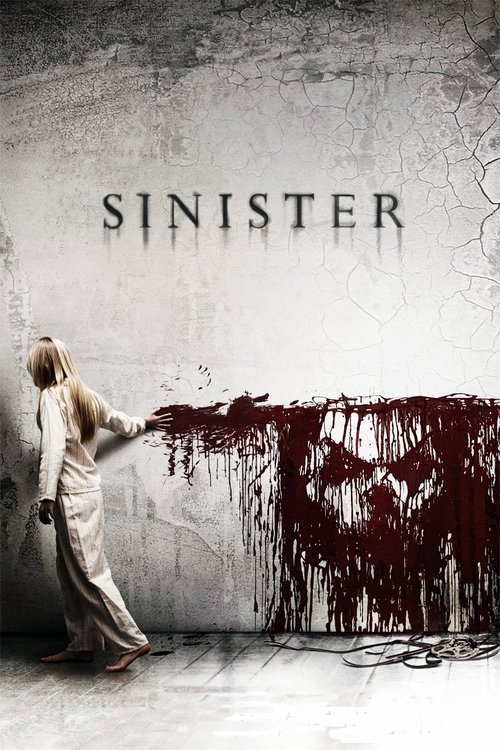
Sinister2012
Builds existential dread around found footage and the idea that evil can be almost academic. Like Nightmare Cinema, it plays with media as the actual threat—the act of watching something dangerous. Genuinely unsettling without relying on gore.
But Takes itself very seriously and moves slowly. If you want constant scares, this is meditative and tense in ways that might feel like nothing's happening.
Not sure tonight? Get a pick in a minute, starting from Nightmare Cinema
The wildcard
Something you would not have found on your own.
Chungking Express1994
Both use visually stylized storytelling to trap characters in surreal experiences that reveal psychological truths; both prioritize mood and image over conventional narrative.
Wong Kar-wai's film has nothing to do with horror, but it shares Nightmare Cinema's structure—two strangers, two stories, both touching loneliness and obsession through dreamlike visuals. It's neon-lit, melancholic, and builds emotional weight through style and mood rather than plot. A meditation on watching and being watched, on the gap between what we want and what we get.
But It's romantic, poetic, and slow. If you want genre clarity—this is definitely not horror—you'll feel misled. It's also deliberately oblique about emotion.

More like this (8)
Mulholland Drive2001
A film that spirals into nightmare logic without ever breaking character. Stranger things happen and you accept them; the rules shift mid-story. It's dreamlike in the way Nightmare Cinema aspires to be, and Naomi Watts is unforgettable.
But Lynch doesn't explain himself. Some people find that liberating; others find it frustrating. At 147 minutes, it also demands patience and a second viewing.

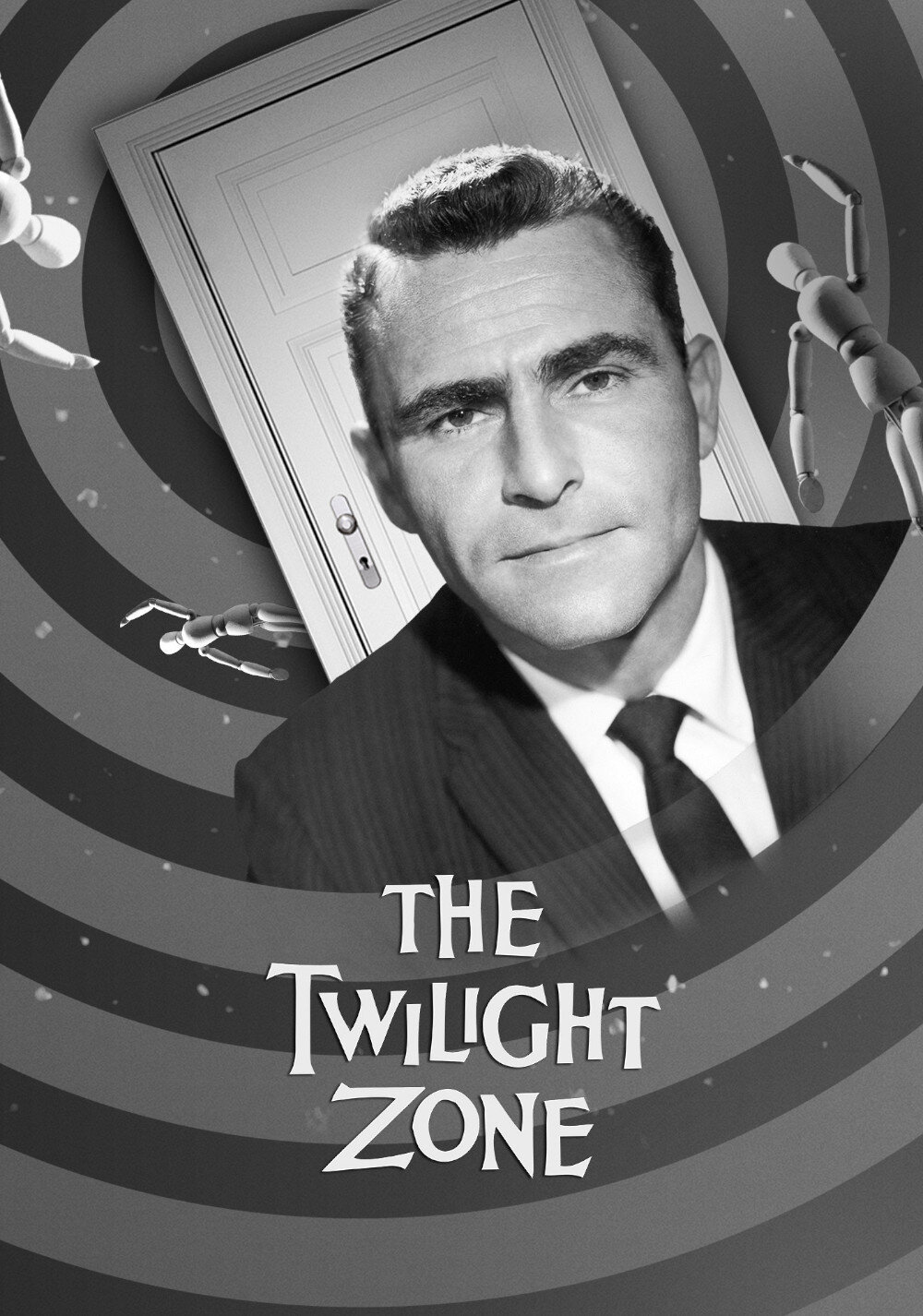
The Twilight Zone1959
The spiritual ancestor of everything that plays with reality and morality in short form. Each episode has its own logic, twist, and philosophical barb. If you love anthology horror, you need to know where it comes from.
But Black and white, 1959 pacing, and some episodes haven't aged perfectly. But the good ones are genuinely brilliant, and you can taste its DNA in every horror anthology made since.
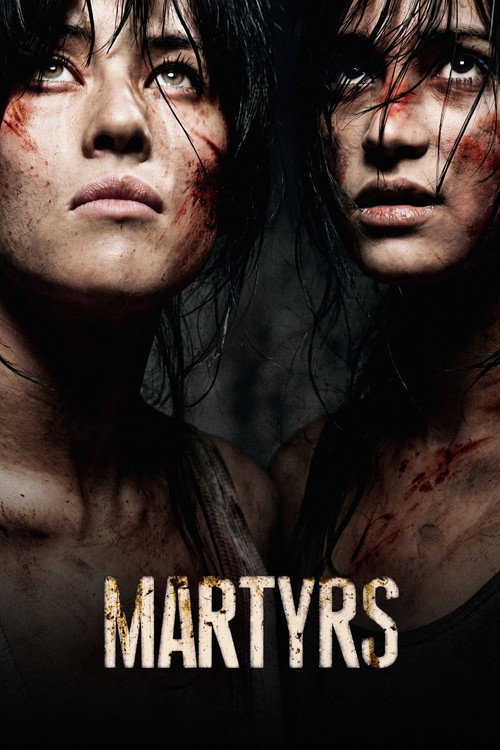
Martyrs2008
A French horror film that commits fully to its nightmarish premise. It refuses to look away from suffering and uses that commitment to say something about faith and transcendence. Visually brutal but emotionally coherent.
But This is extreme and graphic. Not for casual horror viewing. It's genuinely hard to watch, and some people will feel exploited rather than moved by it.
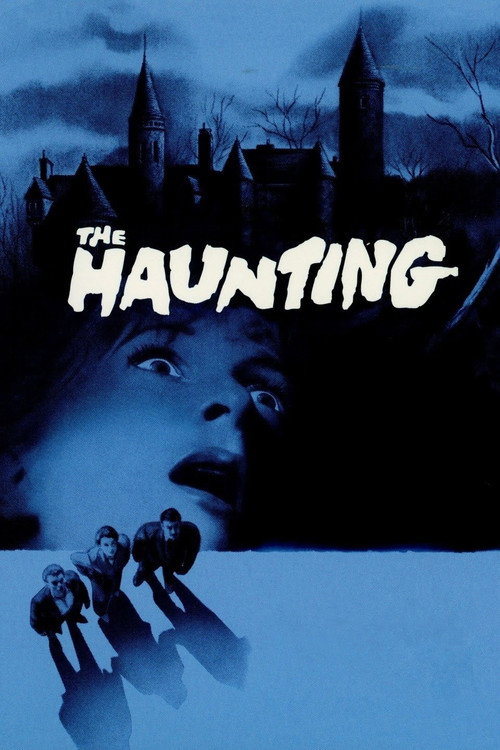
The Haunting1963
A psychological haunted-house film where you never know if the horror is real or in Eleanor's mind. The ambiguity is the point. Gorgeous black-and-white cinematography and a script that trusts your intelligence.
But Almost no scares in the traditional sense. It's atmospheric and cerebral—if you want genuine frights, this trades them for unease and it's only unsettling if you let it be.
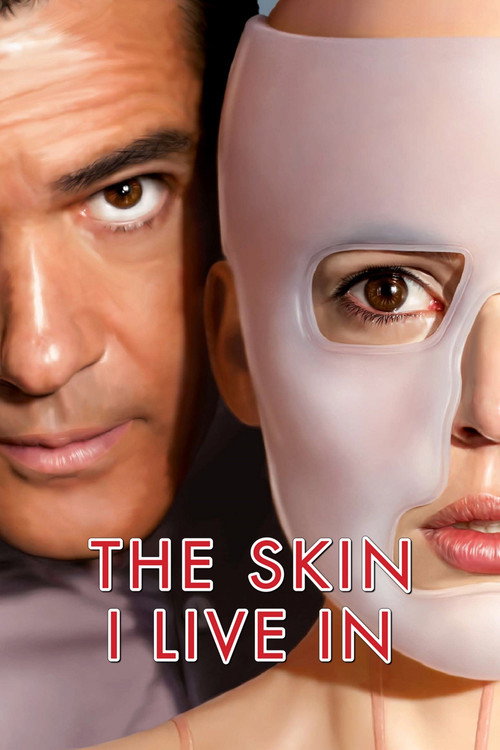
The Skin I Live In2011
A Spanish psychological thriller that twists into horror territory. The obsession, the transformation, the moral questions—it all accelerates brilliantly. Visually striking and morally queasy in ways that stick with you.
But Methodical pacing in the first half might feel slow. And the reveals, while earned, are disturbing in ways some viewers find distasteful rather than purposeful.
The Cabinet of Dr. Caligari1920
Silent expressionist horror that invented visual nightmare logic. Distorted sets, symbolic imagery, a story about control and madness. It's only 71 minutes and it's the foundation every anthology horror still builds on.
But It's 104 years old and silent. If you need dialogue and modern pacing, this will feel like studying a museum piece rather than being entertained.

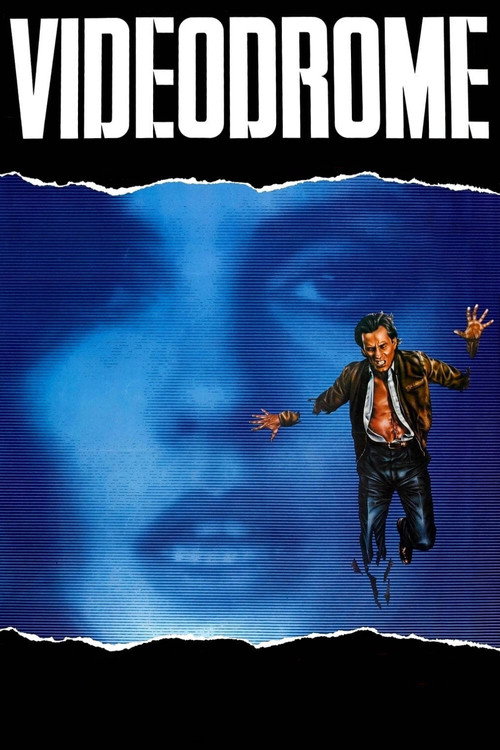
Videodrome1983
Both explore media itself—film, television—as the mechanism of fear; both suggest the act of watching corrupts or reveals something dark in the viewer.
Cronenberg's masterpiece about a man losing grip on reality through mysterious television signals. It's genuinely disturbing, deliberately confusing, and visually grotesque in ways that feel like watching nightmares—body horror, media corruption, the line between real and recorded. Only 87 minutes and it burrows into your head.
But It's deeply weird and visceral. The special effects are practical and grotesque; if you need your horror to feel 'clean,' this is the opposite. Also deliberately ambiguous about what's real.
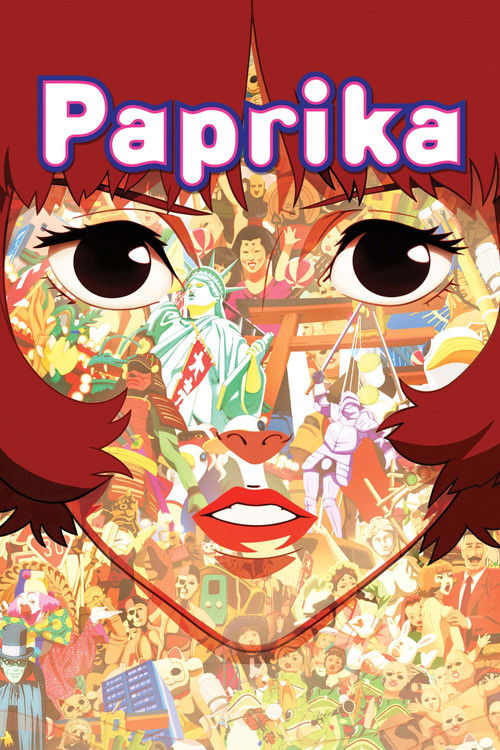
Paprika2006
Both stage nightmares as narrative events; both use visual excess and genre-bending to represent psychological states that resist rational explanation; both suggest dreams and fears are more real than consensus reality.
Satoshi Kon's anime about dreams bleeding into reality. It's wildly inventive, surreal, and visually stunning in ways that feel closer to fever dreams than stories. Colors shift, logic bends, characters multiply—it captures the texture of nightmares better than most live-action horror. A parade sequence that will stay with you.
But It's animated and Japanese, which means some viewers dismiss it before watching. Also conceptually dense and the plot gets weirder as it goes; some find that exhilarating, others exhausting.
People
Cast
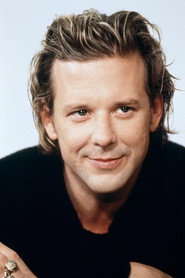 Mickey RourkeThe Projectionist
 Sarah Elizabeth WithersSamantha
 Elizabeth ReaserHelen
 Zarah MahlerAnna
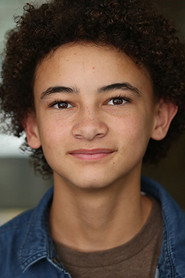 Faly RakotohavanaRiley
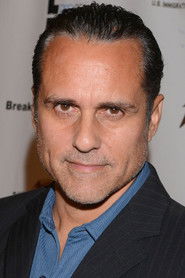 Maurice BenardFather Benedict
 Mariela GarrigaSister Patricia
 Mark GrossmanDavid
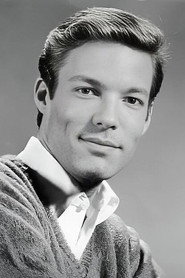 Richard ChamberlainDr. Mirari
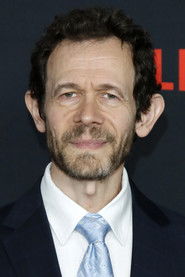 Adam GodleyDr. Salvadore
 Annabeth GishCharity
 Eric NelsenFred / The Welder
Directing
- Alejandro BruguésDirector
- David SladeDirector
- Joe DanteDirector
- Mick GarrisDirector
- Ryuhei KitamuraDirector
Writing
- Alejandro BruguésScreenplay
- David SladeScreenplay
- Lawrence C. ConnollyScreenplay
- Mick GarrisScreenplay
- Richard Christian MathesonScreenplay
- Sandra BecerrilScreenplay
Production
- Babak EftekhariAssociate Producer
- Brigitte WiseAssociate Producer
- Franchesca LantzAssociate Producer
- Michael K. DwyerAssociate Producer
- Fern ChampionCasting Director
- Sharon Chazin LiebleinCasting Director
- Mickey RourkeCo-Executive Producer
- Brandon HillCo-Producer
- Nikki Stier JusticeCo-Producer
- Stephanie CalebCo-Producer
- Scott DonleyExecutive Producer
- Scott KarolExecutive Producer
- Nancy LeopardiLine Producer
- Joe RussoProducer
- Leonard ShapiroProducer
- Mark CantonProducer
- Mick GarrisProducer