
Television series
Hammer House of Horror
- Supernatural horror
- Very dark
- Dip in and out
Hammer Films' 1980 anthology series brings gothic horror into the living room with thirteen standalone episodes of varying quality. Each delivers a different nightmare—witches, werewolves, possession, serial killers—crafted in that distinctive British manner: period detail, restraint, and the creeping sense that something's very wrong. It's theatrical, occasionally campy, always watchable. For anyone who loves horror that feels like theatre.
If you liked this
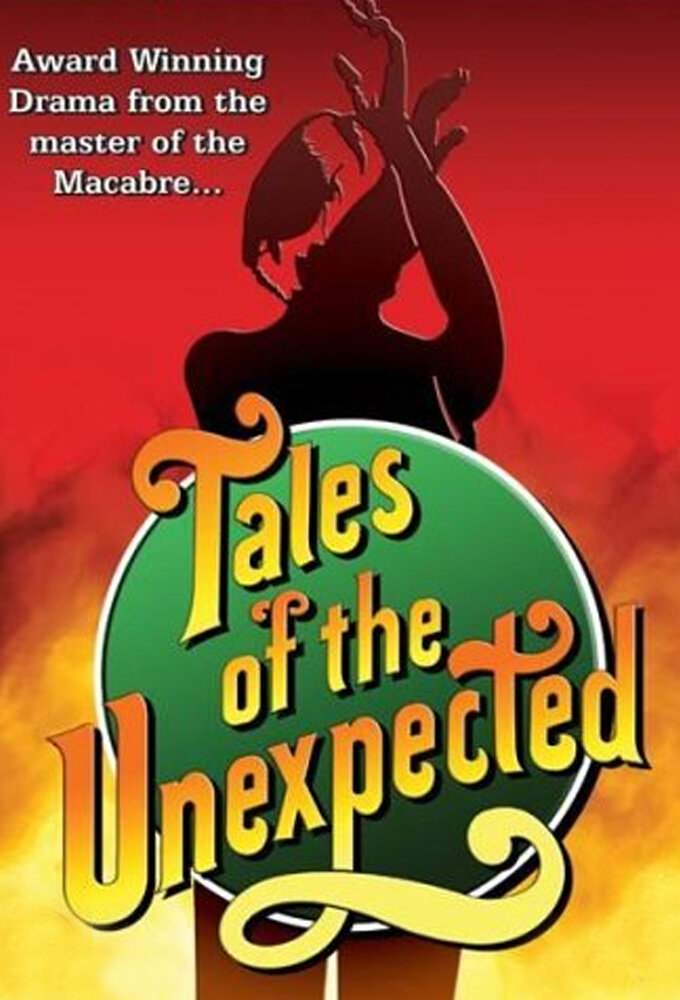
Tales of the Unexpected1979
Roald Dahl-hosted anthology with the same episodic structure but sharper writing. Each twist lands harder, the tone darker, the blend of horror and black comedy more assured. Genuinely unsettling in ways that linger.
But Some episodes are more whimsical than scary, and the 1970s-80s pacing means the slow-burn approach won't suit anyone after immediate gratification.
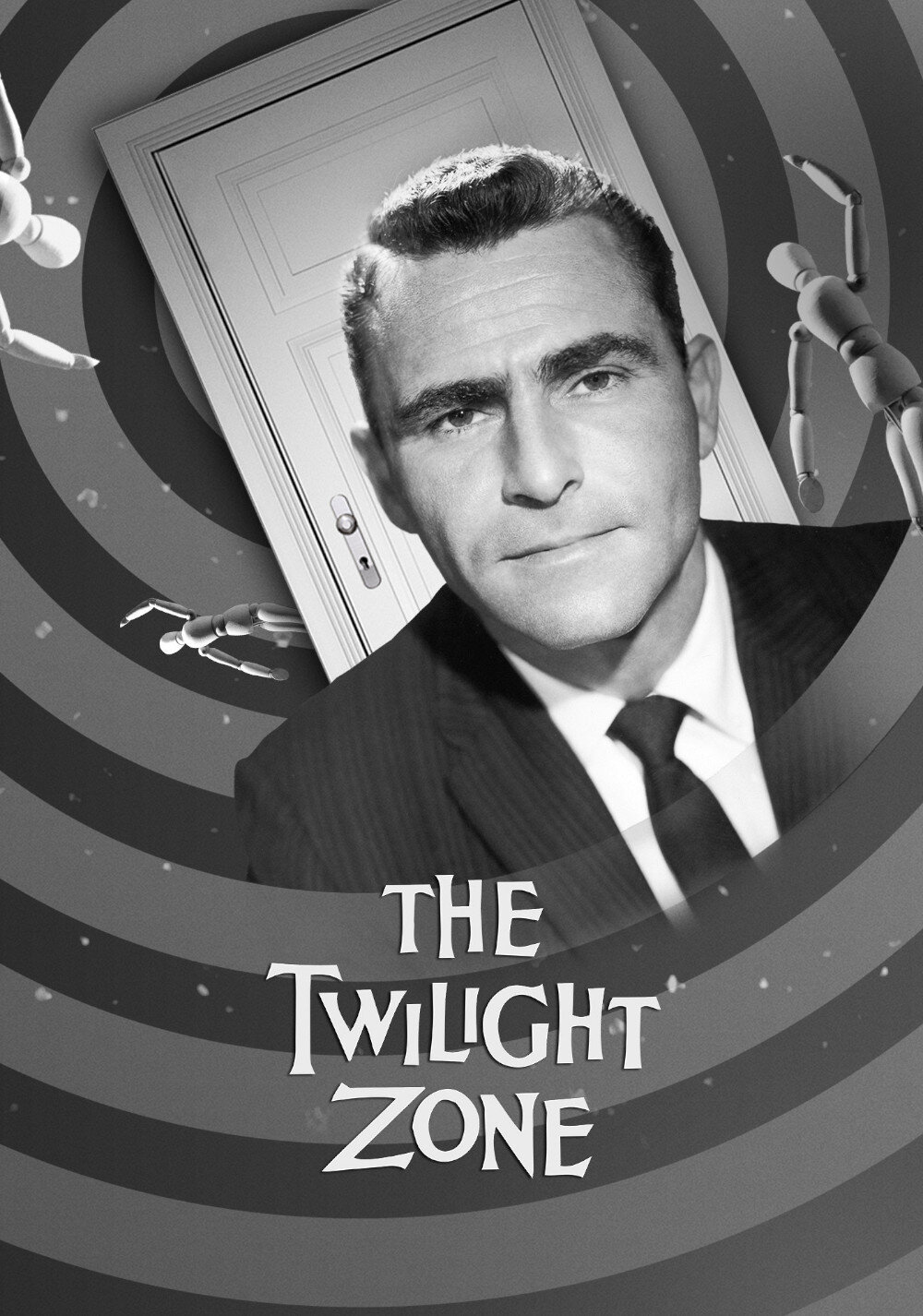
The Twilight Zone1959
The ancestor of everything here: self-contained stories that weaponize ordinary life against you. American, yes, but equally obsessed with the idea that horror lives in the details. The writing is tighter than anything you'll find in Hammer House.
But Some episodes are philosophically dense in ways that prize concept over atmosphere. Black-and-white and a very different pace will feel remote if you're after pure dread.
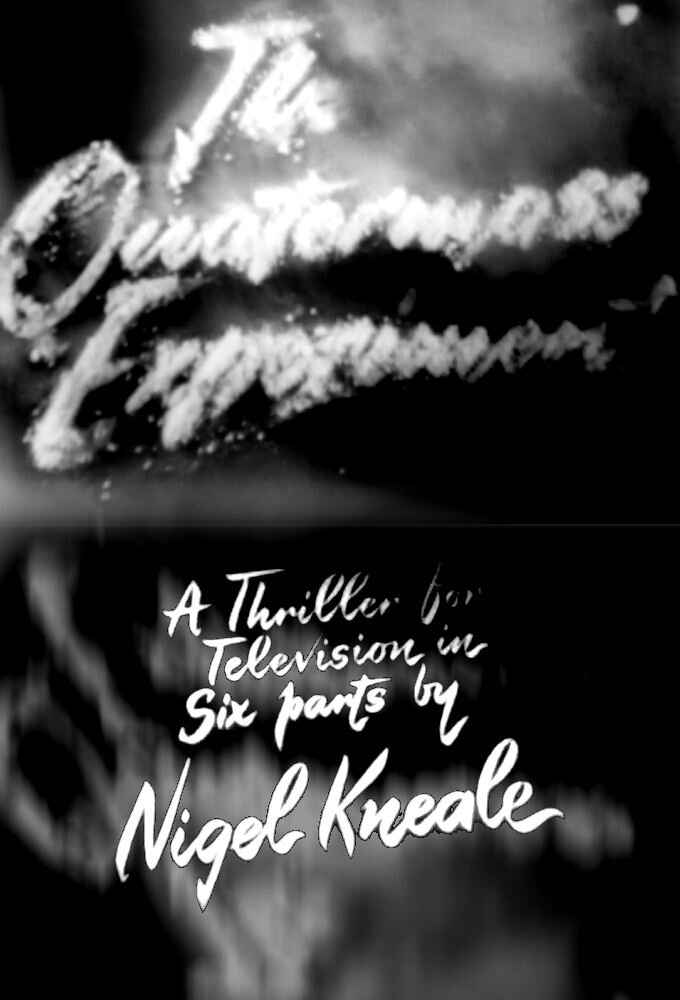
The Quatermass Experiment1953
Early BBC sci-fi horror with the same DNA as Hammer House—British, theatrical, built on mounting dread rather than jump scares. Proof that television horror worked before slasher films existed. Genuinely eerie.
But It's a serial, not an anthology, so you need to commit to the whole thing. The special effects are deliberately understated, which some will find quaint rather than frightening.
Not sure tonight? Get a pick in a minute, starting from Hammer House of Horror
The wildcard
Something you would not have found on your own.
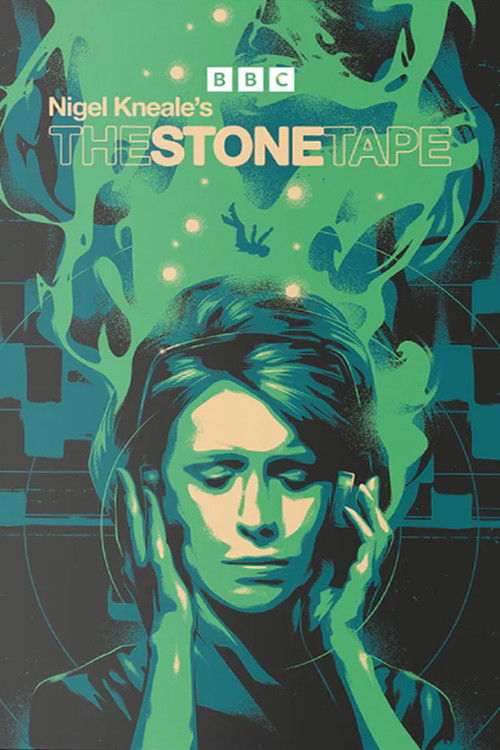
The Stone Tape1972
Both are British television horror from the same era, but where Hammer House plays it straight, The Stone Tape treats its supernatural premise as something to be explained. It's horror for the thinking viewer.
A BBC supernatural drama about a haunting that's not what it seems—a theory of ghosts as recordings rather than spirits. Science-fiction thinking applied to horror in a way Hammer House never quite attempts. Genuinely original and deeply unsettling.
But It's a single 90-minute drama, not an anthology, so the premise carries the entire weight. The resolution is deliberately ambiguous in ways some will find frustrating rather than thoughtful.
More like this (8)
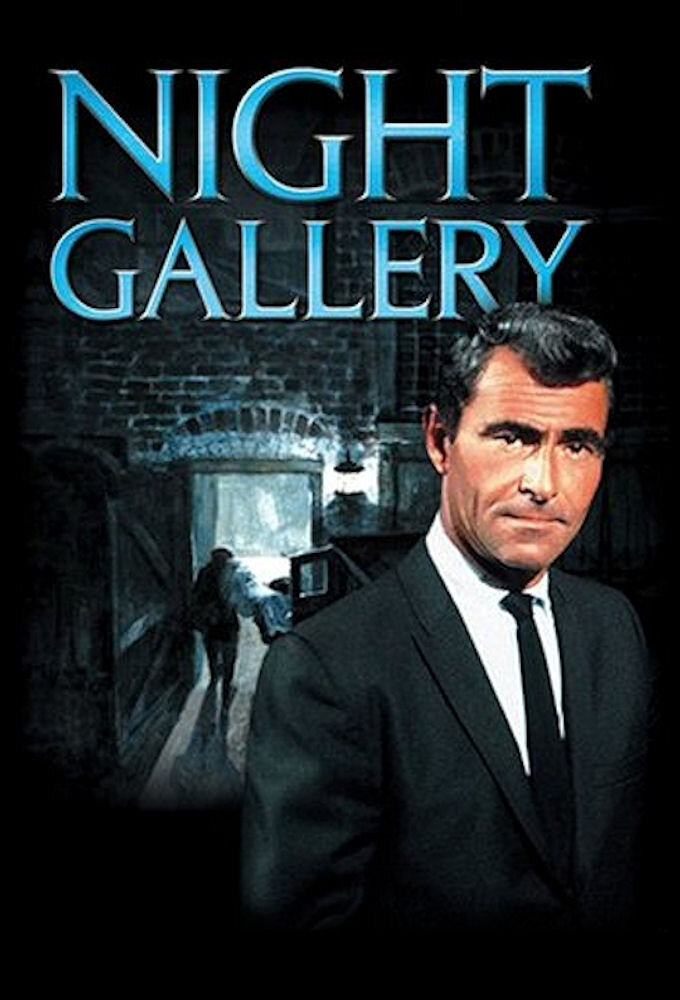
Night Gallery1969
Rod Serling's follow-up to Twilight Zone, hosted from a gallery of horrors. More explicitly macabre than its predecessor, with a visual flair that matches Hammer's theatrical instincts. Some episodes are genuinely grotesque.
But Unevenly written; the framing device can feel self-important. Serling's narration won't appeal to anyone allergic to portentousness.
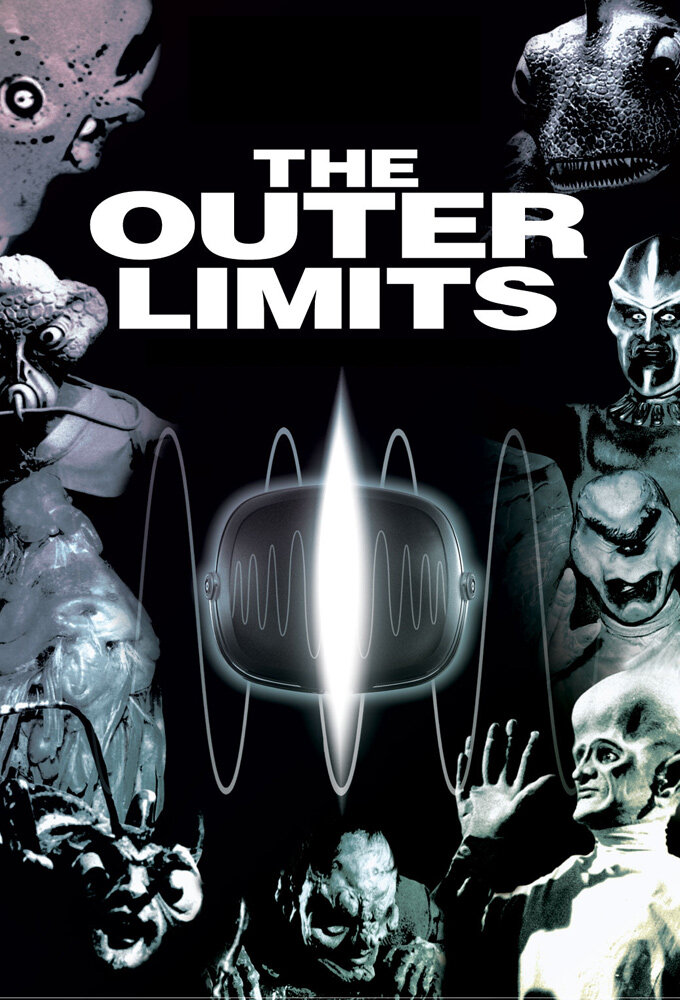
The Outer Limits1963
Science-fiction horror anthology that shares Hammer's love of practical effects and monster design. Each episode builds atmosphere methodically. The creature work is often genuinely impressive for the era.
But Sci-fi premises sometimes overwhelm the horror elements. Several episodes rely on camp in ways that undercut tension rather than enhance it.
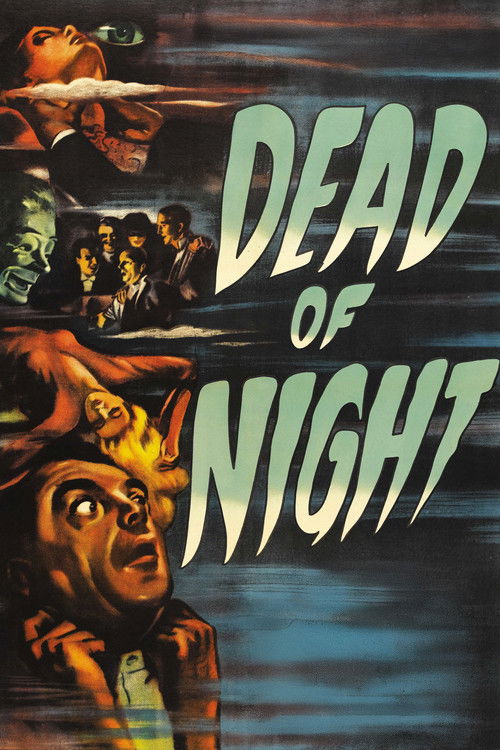
Dead of Night1945
An anthology film that helped define the form: five nested stories that build to a devastating final twist. British, intimate, and proof that horror doesn't need gore. The ventriloquist's dummy sequence is still unsettling.
But The wraparound structure means you need to sit through a shorter version of what Hammer House attempts over thirteen hours. The pacing is glacial by modern standards.
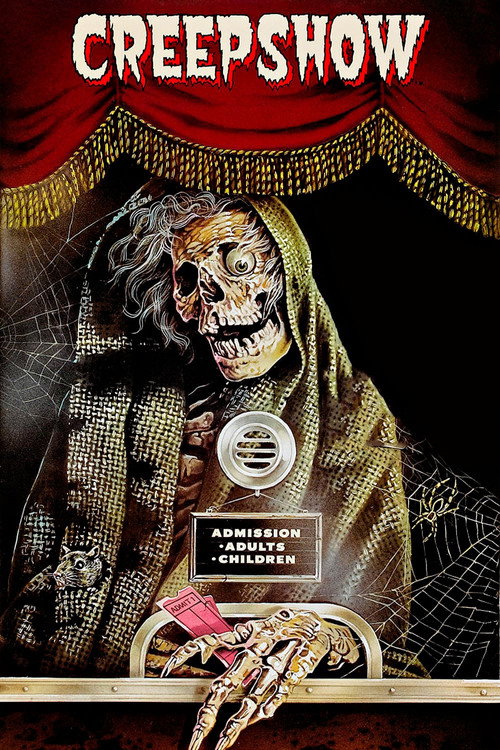
Creepshow1982
American cousin: five stories in a comic-book wrapper, deliberately pulpy and fun. It knows exactly what Hammer House is reaching for and delivers the same blend of horror, dark comedy, and theatrical presentation with more confidence.
But Much gorier and more American in tone. If you're watching Hammer House for British restraint and atmosphere, this swings hard in the opposite direction.
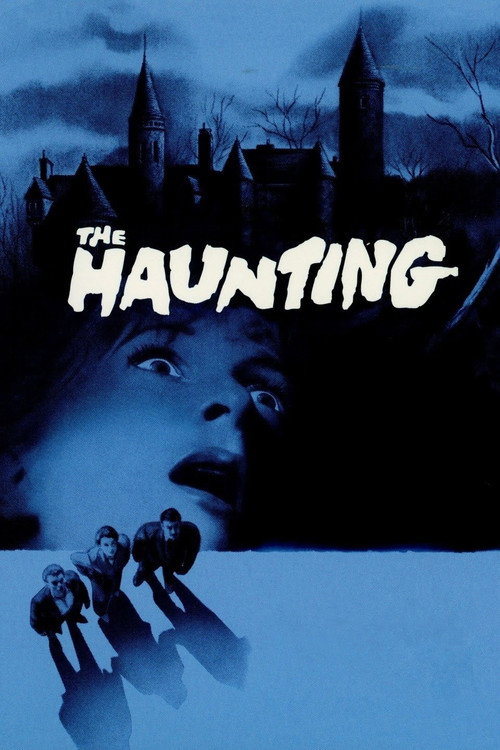
The Haunting1963
Robert Wise's masterclass in suggestion and atmosphere. No gore, no explicit horror—just the slow certainty that a house is alive and wrong. It's what Hammer House episodes aspire to: proof that less is more.
But Glacial by any standard. The psychological approach means nothing 'happens' in the conventional sense. Not for impatient viewers.
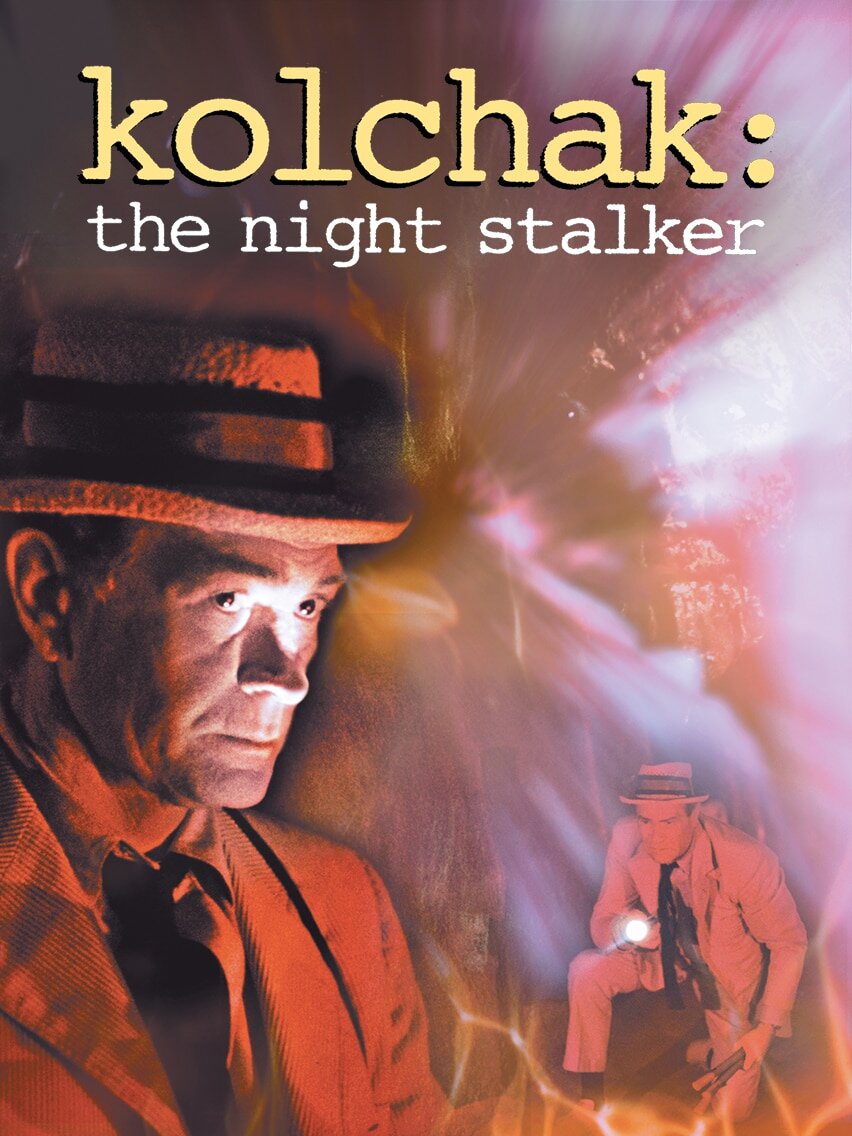
Kolchak: The Night Stalker1972
Episodic monster-hunting series with genuine charm and craft. Each week brings a different creature or phenomenon; Darren McGavin's rumpled determination makes it feel grounded. More fun than scary, but earnest about both.
But Designed as straightforward entertainment rather than art. If you're after something weightier or more consistently atmospheric, this leans too far toward pulp adventure.
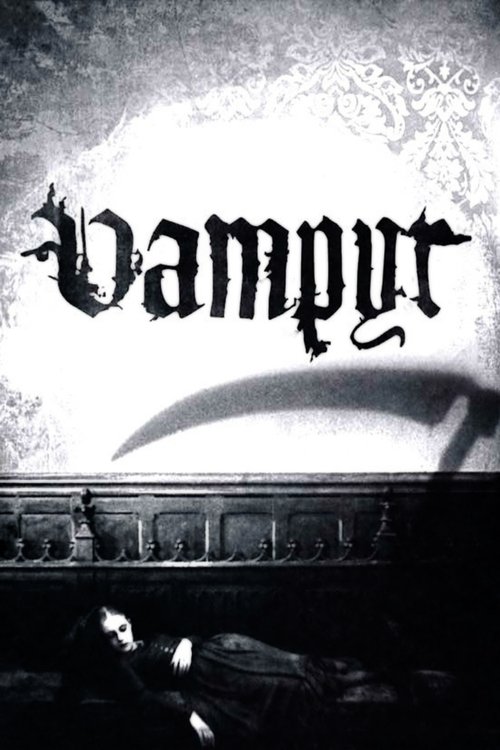
Vampyr1932
Both are built on atmosphere over action, and both draw from the same wellspring of gothic horror. But Vampyr is what happens when that approach is pushed to its absolute limit—pure cinema rather than filmed theatre.
Carl Theodor Dreyer's silent vampire film: hypnotic, hallucinatory, shot through with dread. It proves that Hammer's theatrical approach has ancient roots. Every frame is composed like a painting. A masterpiece.
But Silent, black-and-white, 1932 cinema: it requires active engagement and patience. The pacing is dreamlike, which translates to 'very slow' for most viewers. Not a casual watch.
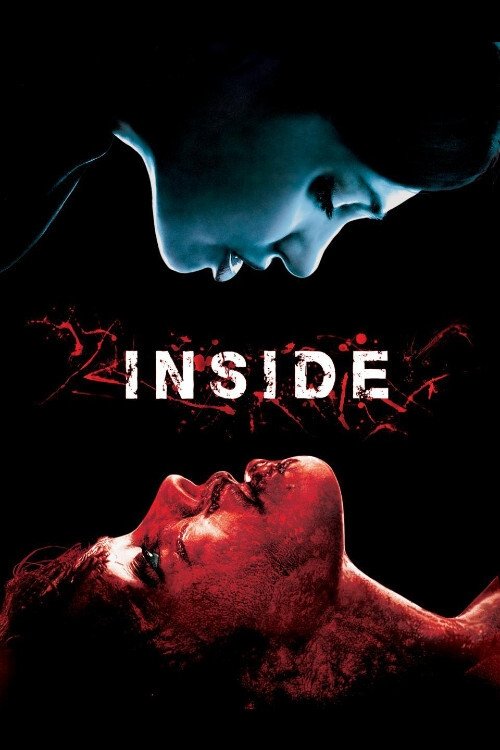
Inside2007
Both understand that horror works through violation of safe spaces—Hammer House through gothic estates and cursed objects, Inside through the most intimate space imaginable. Different eras, completely different approaches to making you feel unsafe.
A French horror film about pregnancy, motherhood and violation that operates in a completely different register from Hammer House's gothic restlessness. Brutally direct where Hammer is suggestive. A masterwork of body horror and psychological dread.
But Extremely graphic and deeply uncomfortable. It's not entertainment in the way Hammer House is; it's an ordeal. Many viewers will find it unwatchable, and that's the correct response.
People
Directing
- Ken BakerAssistant Director
Writing
- Anthony ReadStory Editor
Production
- Brian LawrenceExecutive Producer
- David ReidExecutive Producer
- Roy SkeggsProducer