
Film
The Satanic Rites of Dracula
Dracula wakes up in 1973 London, tired of immortality, and decides the only escape is genocide. Lee and Cushing's final duel is a Seventies spy thriller wrapped around Gothic horror—part Hammer camp, part paranoid political thriller, wholly committed to its preposterous premise. For fans of horror that doesn't take itself too seriously, and those who want to see Lee and Cushing one last time together.
If you liked this
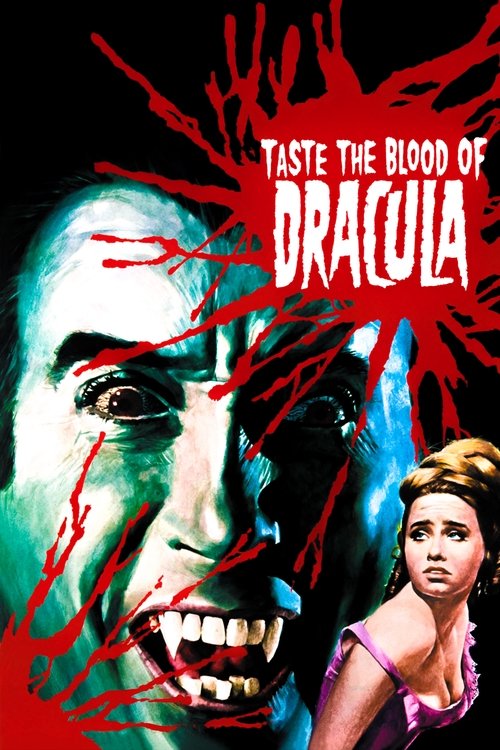
Taste the Blood of Dracula1970
The film immediately before this one, showing how Hammer was already pushing the concept toward thriller territory. It's where Dracula started becoming a creature of plotting rather than pure gothic menace, setting up the 1973 film's DNA.
But It's messier than Dracula (1958), and some of the ritual sequences feel dated in a way that hasn't aged into charm yet.
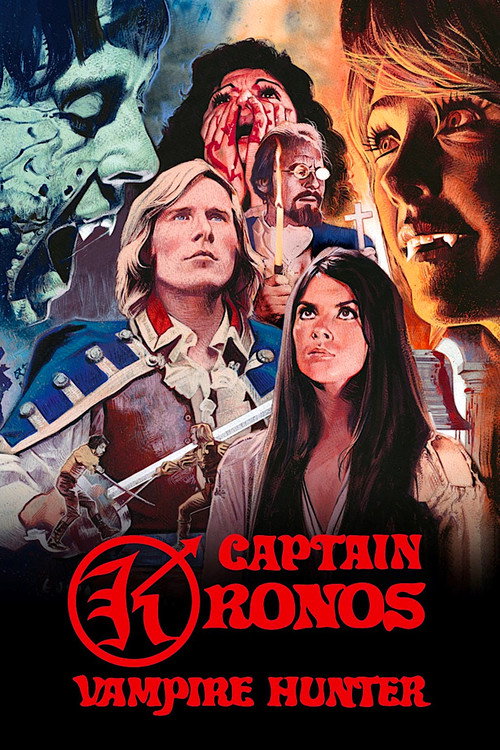
Captain Kronos: Vampire Hunter1973
Hammer's last real gamble before the studio imploded. A stylish, playful vampire film that shares Satanic Rites' willingness to chuck convention out the window. Genuinely fun in ways Hammer rarely permitted themselves.
But It's almost a parody, and if you wanted gothic solemnity from your Hammer horror, this will frustrate you.
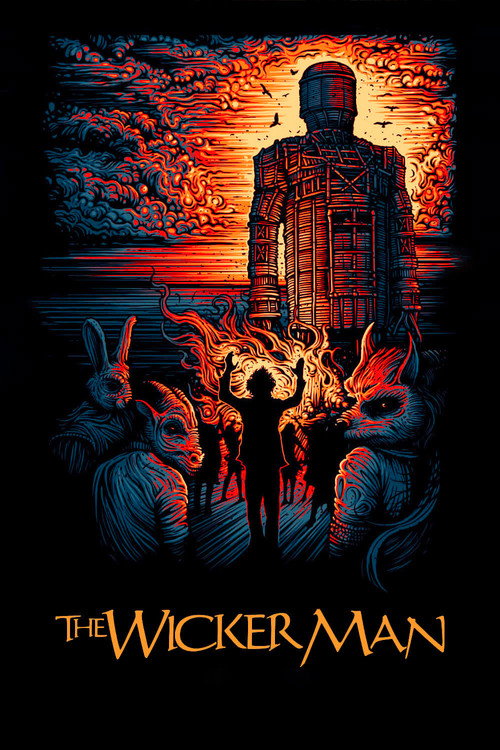
The Wicker Man1973
Released the same year, it's the British folk-horror masterpiece that shows what 1973 British horror could do when it trusted its own mythology. Shares Satanic Rites' paranoia and occult plotting, but with genuine dread underneath.
But It's slow-burn and deliberately ambiguous in ways that make it feel distant. Requires patience and rewarding on repeat viewing, not instant gratification.
Not sure tonight? Get a pick in a minute, starting from The Satanic Rites of Dracula
The wildcard
Something you would not have found on your own.
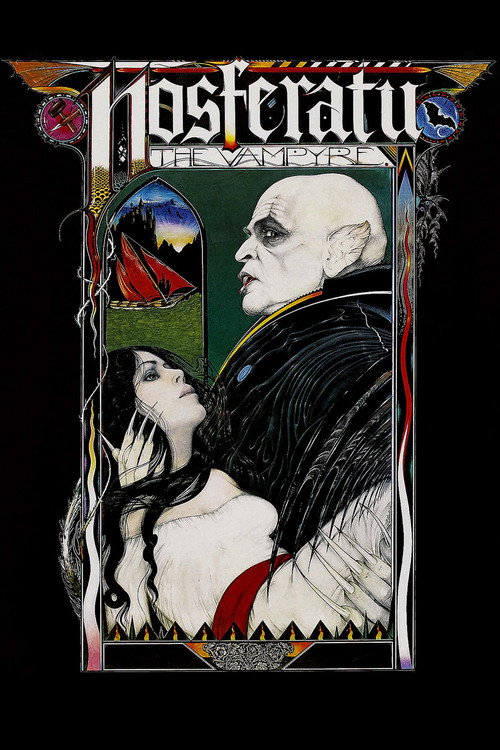
Nosferatu the Vampyre1979
Both films centre on a Dracula tired of existence; Herzog treats it as profound metaphor while Satanic Rites treats it as spy-fiction premise. Same seed, opposite registers.
Herzog's remake is a hymn to loneliness and the curse of existence. Klaus Kinski's Count Orlok is less a villain than a tragic figure worn down by centuries. It shares Satanic Rites' fascination with exhaustion and oblivion, but approaches it with total seriousness and visual poetry.
But It's glacially paced, monochromatic, and interested in mood over plot. If you came for Lee and Cushing's thriller dynamic, this will feel like watching paint dry in black and white.
More like this (7)
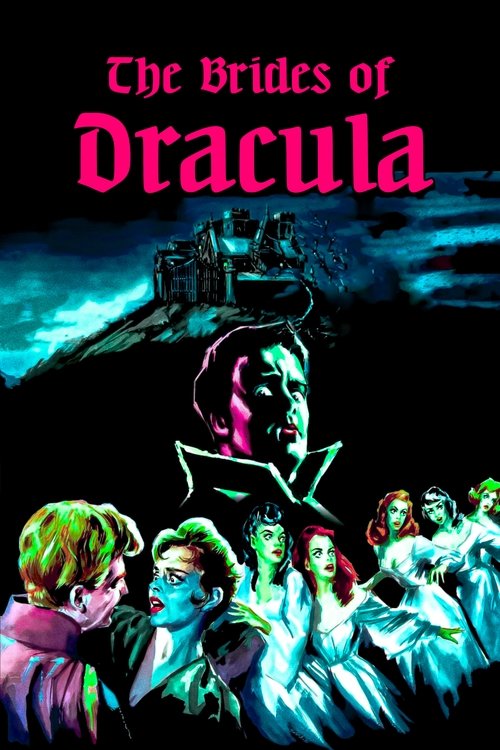
The Brides of Dracula1960
The Cushing solo outing that proved Van Helsing could carry a film without Lee. Shows the range of Hammer's Dracula universe and gives you more of what you came for—the scientist versus the supernatural, played by one of cinema's great good-guy actors.
But Cushing's charm can tip into scenery-chewing, and the film's pace sags in the middle act despite its short runtime.
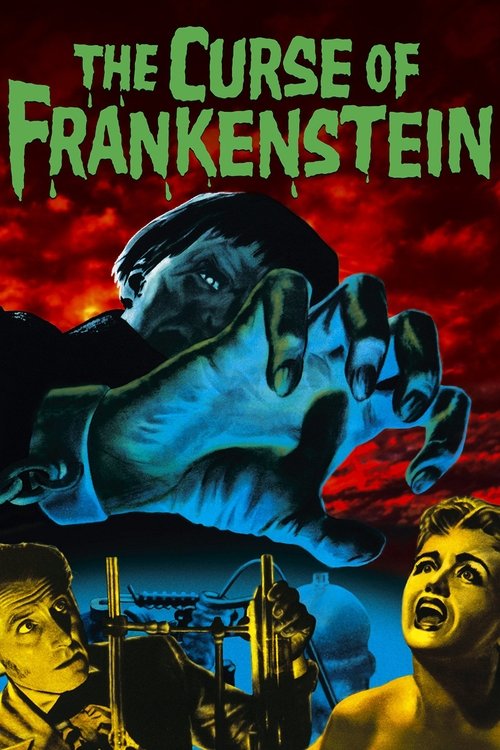
The Curse of Frankenstein1957
The first Hammer colour horror, and it established their house style. Cushing and Lee together for the first time, setting a template they'd perfect with Dracula. Essential viewing if you want to understand what they built together.
But It's genuinely garish by modern standards, and the science is nonsense played deadly straight. Some find it unintentionally funny in the wrong ways.
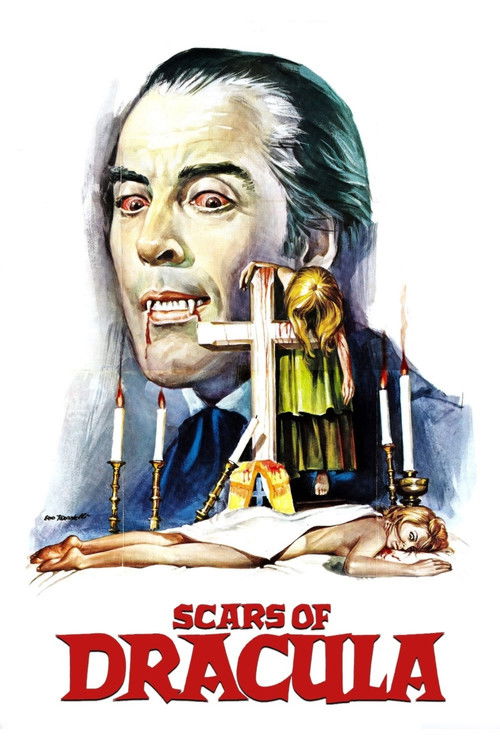
Scars of Dracula1970
Lee's Dracula returns without Cushing, and Hammer leans into Gothic excess and gore. It's trashy and committed to that trashiness, with practical horror that still impresses. Fun in a way that doesn't apologize.
But The plot barely exists, and the replacement Van Helsing character is weak. It's style over substance, and if you need story, you'll feel that emptiness.
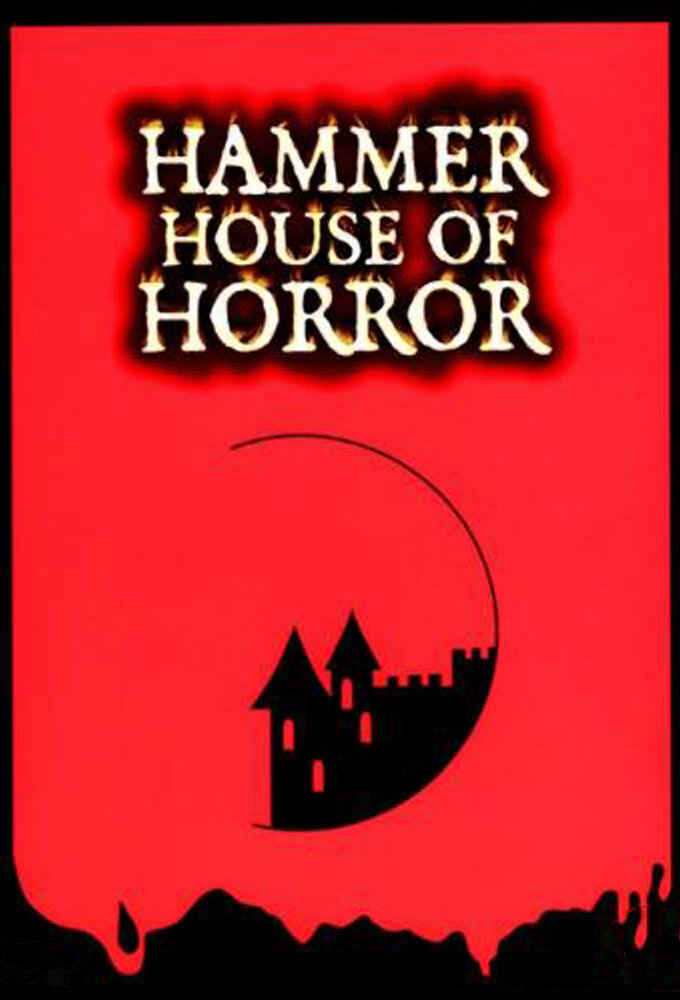
Hammer House of Horror1980
A TV anthology series that shows Hammer trying to survive into the 1980s with horror on a budget. Uneven but fascinating—it captures the studio's final gasps and occasional flashes of genuine creepiness. A coda to everything they built.
But It's wildly inconsistent. Some episodes are dull in ways that make you wonder why they bothered; others are good enough to make that worse.
Doctor Who2005
A two-part Doctor Who story that understands British gothic horror and plays it straight. Understated, creepy, and interested in moral complexity rather than monsters. Shows how those sensibilities evolved beyond Hammer.
But It's slow and assumes you care about continuity. The special effects are rubber and string, which either charms you or actively repels you.

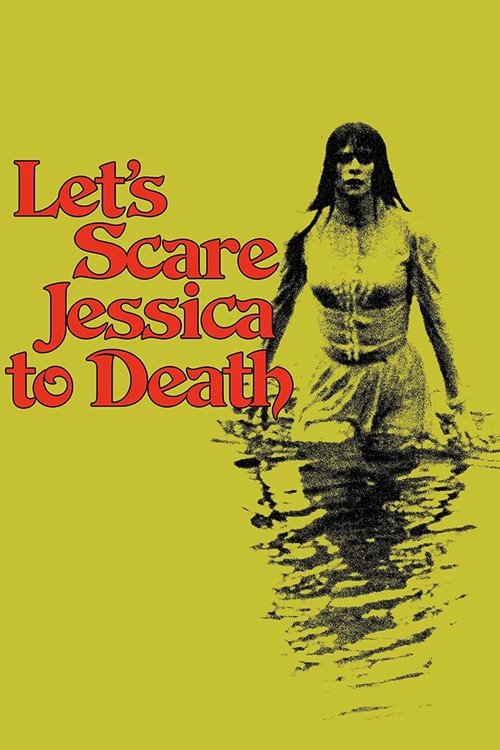
Let's Scare Jessica to Death1971
Both are 1970s horror films that treat occult plots as backdrops for paranoia about power and control. One is a thriller, one is a breakdown—same anxiety in different shapes.
A paranoid fever dream about a woman in crisis, unsure what's real and what's in her mind. It has Satanic Rites' interest in Seventies conspiracy and occult plotting, but filters it through psychological unreliability and female terror. Deeply unsettling.
But It has almost no plot in the conventional sense. It's an atmosphere and a feeling, and if you need clarity or resolution, you'll leave frustrated.
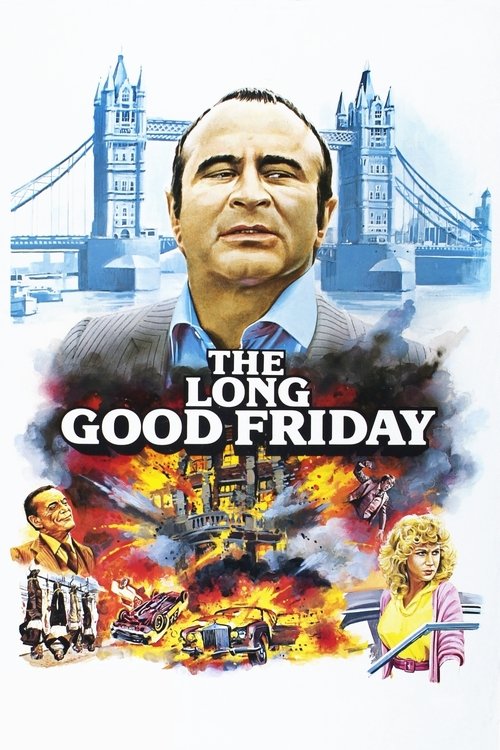
The Long Good Friday1980
Both are British films that use occult/criminal plotting as a framework for showing how corruption infects institutions. Satanic Rites asks 'what if Dracula was a businessman?'; Long Good Friday shows the equivalent threat without the supernatural element.
Bob Hoskins in a gangster thriller set in London on Easter weekend. It shares Satanic Rites' fascination with power structures, corruption in high places, and the machinery of conspiracy. A masterclass in tension that makes horror unnecessary—the real threat is human.
But It's violent and deliberately nihilistic. Also fundamentally a crime film, not horror—if you came for supernatural menace, you won't find it.
People
Cast
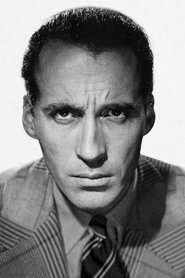 Christopher LeeCount Dracula
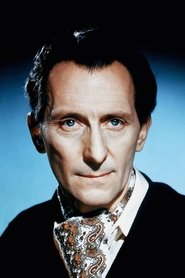 Peter CushingProf. Lorrimer Van Helsing
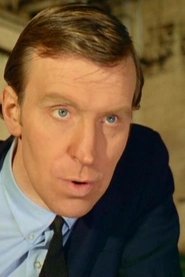 Michael ColesInsp. Murray
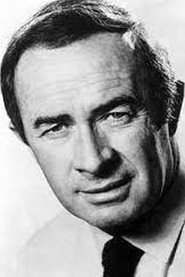 William FranklynPeter Torrence
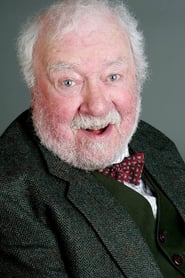 Freddie JonesProf. Julian Keeley
 Joanna LumleyJessica Van Helsing
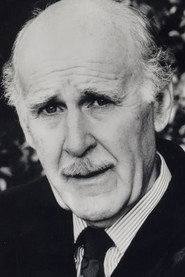 Richard VernonCol. Mathews
 Barbara Yu LingChin Yang
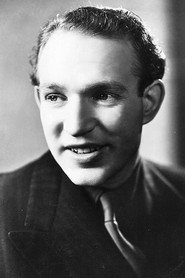 Patrick BarrLord Carradine
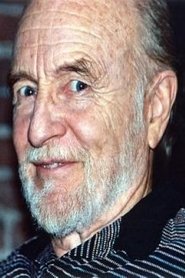 Richard MathewsJohn Porter
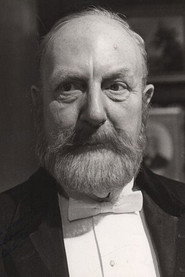 Lockwood WestGeneral Sir Arthur Freeborne
 Valerie Van OstJane
Directing
- Derek WhitehurstAssistant Director
- Elizabeth WilcoxContinuity
- Alan GibsonDirector
Writing
- Don HoughtonWriter
Production
- Don HoughtonAssociate Producer
- James LiggatCasting
- Roy SkeggsProducer
- Ron JacksonProduction Manager