
Film
Inside
A French horror film of almost unbearable intensity. A pregnant woman alone on Christmas Eve faces an intruder with inexplicable determination and cruelty. It's visceral, claustrophobic, and designed to upset you—not through jump scares but through sustained dread and what it asks you to witness. For those who want horror that actually horrifies.
Should you watch it?
Watch it if you want lean, relentless horror where the gore hits hard and the dread is built from one locked house and one very determined stranger.
Skip it if you find sustained, graphic brutality more punishing than unsettling, since it leans hard on gore and offers little breathing room.
What it asks of you: Barely ninety minutes of tightly wound, single-location pressure with almost no slack; it keeps you close to one house and rarely lets the tension drop.
Not sure? Find tonight's pick in a minute.
If you liked this
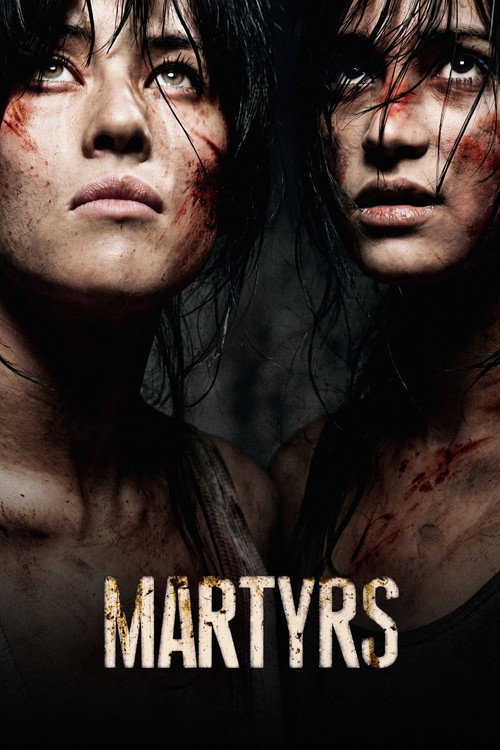
Martyrs2008
Equally uncompromising French extremism, built on philosophical questions beneath the gore. If Inside got under your skin, this will burrow deeper and ask harder questions about suffering and faith.
But Graphic violence against women is central to the film's purpose. It's punishing to watch by design, not cathartic.
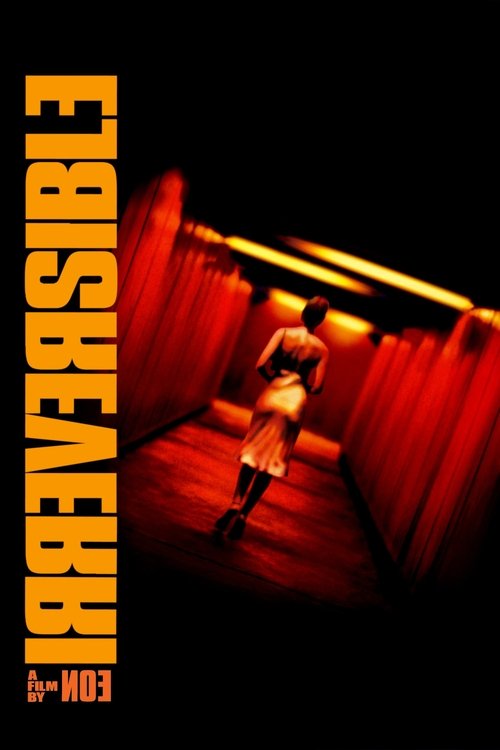
Irreversible2002
Gaspar Noé's reverse-chronology nightmare is another ordeal disguised as cinema. It shares Inside's commitment to making viewers feel genuinely unsafe, refusing to look away from what happens to its characters.
But The infamous nine-minute static rape scene remains one of cinema's cruelest passages. Not something to overcome; something to choose.
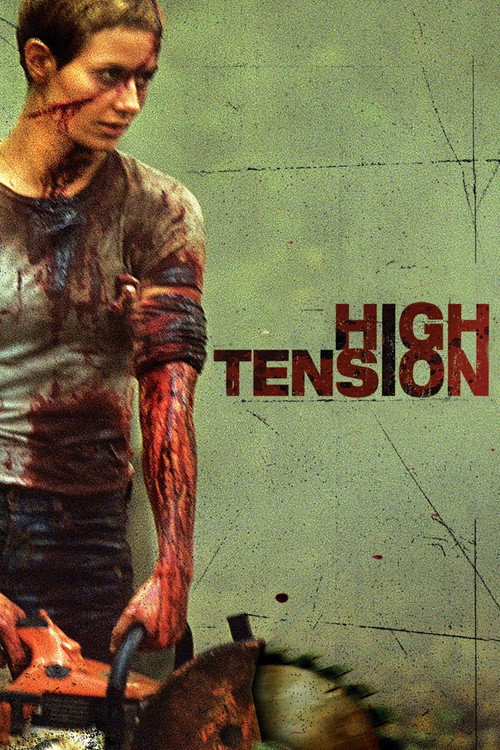
High Tension2003
Frenchman Alexandre Aja's siege horror with genuine invention: a woman alone against an intruder, but with technical brilliance and narrative invention that Inside achieves through pure nerve.
But The third act twist divides people sharply. Some find it brilliant recontextualization; others feel cheated by what it retroactively demands of the viewer.
Not sure tonight? Get a pick in a minute, starting from Inside
The wildcard
Something you would not have found on your own.
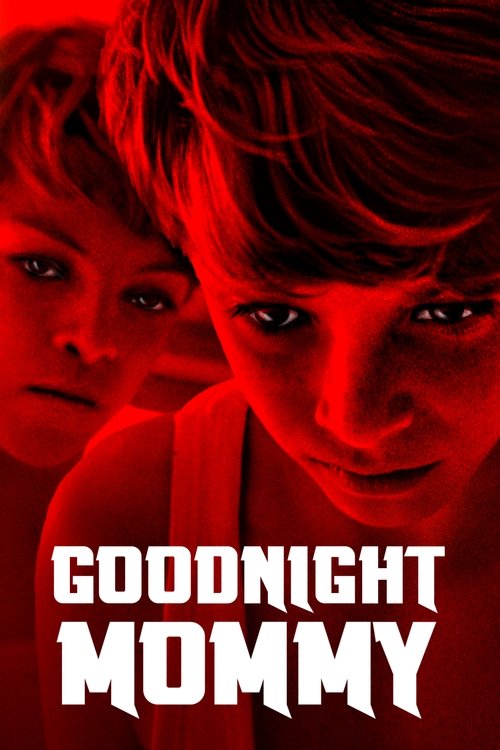
Goodnight Mommy2015
Both trap you in a home with someone whose motivations are obscure, and both use proximity and claustrophobia to make every moment feel saturated with threat. Each asks: what is the worst thing that can happen in the place you should feel safest?
An Austrian film that reverses Inside's premise: children alone with a figure they should trust. It achieves comparable dread through a very different siege, and asks what terror looks like when trust itself becomes the weapon.
But The twist is divisive—some find it predictable, others feel it undermines the film's psychological depth by pivoting toward narrative gimmick rather than genuine unease.
More like this (8)
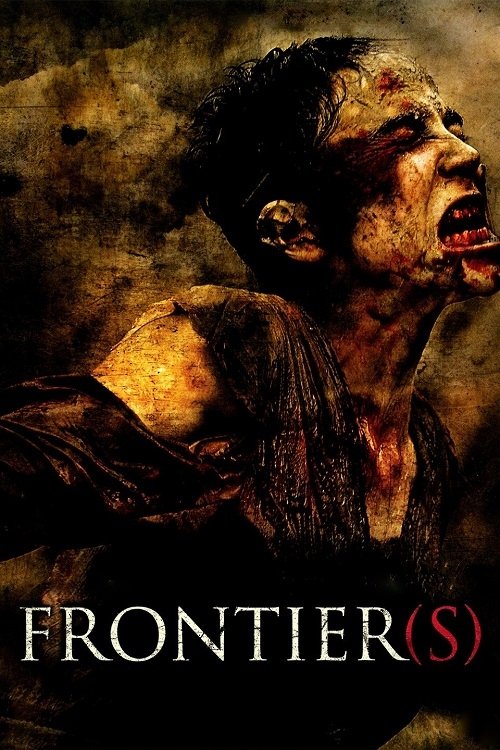
Frontier(s)2007
Another 2007 French extremity film that pins horror to a real historical wound. Political rage channeled into visceral cinema that refuses to comfort you or make violence palatable.
But The violence is racial as well as physical. It's deliberately designed to provoke discomfort beyond simple terror, which some viewers will find exploitative.
The Wailing2016
A Korean nightmare of paranoia and dread where you're never sure who the threat is. Like Inside, it trusts you to sit with unbearable uncertainty rather than resolving into catharsis.
But Two hours forty-five minutes of escalating uncertainty. It withholds answers, some viewers feel, to the point of frustration rather than meaningful ambiguity.

Raw2017
A Belgian film about awakening hunger—cannibal body horror as coming-of-age story. Beautifully shot and genuinely disturbing, it uses viscerality to ask serious questions about desire and identity.
But Vegetarian and vegan viewers may find the premise genuinely difficult. It's also deliberately slow, with long stretches of atmospheric unease before eruptions of shock.

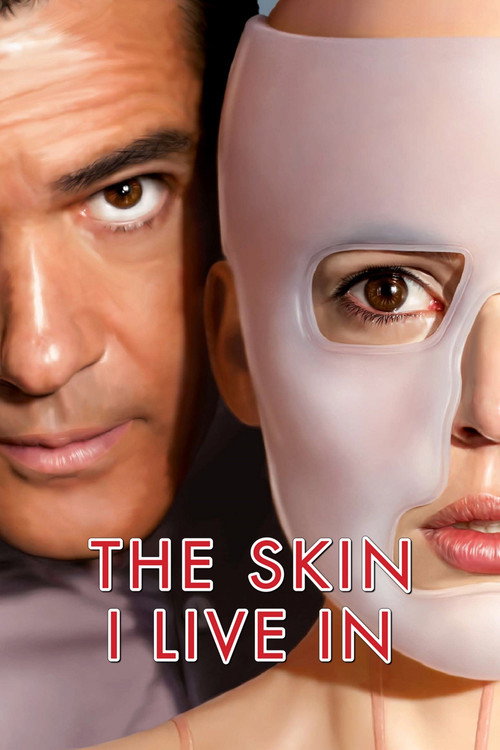
The Skin I Live In2011
A Spanish thriller built on obsession and transformation. Where Inside weaponizes the home itself, this weaponizes the body, creating a very different species of sustained, intimate horror.
But Tone shifts from psychological thriller to exploitation territory. The surgery sequences aren't graphic but the implications are severe and morally compromising.
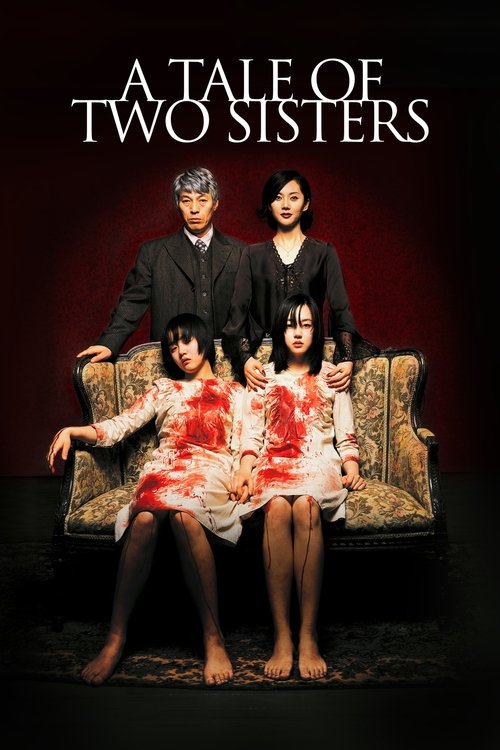
A Tale of Two Sisters2003
A South Korean nightmare about illness and family fracture. Gorgeous and deeply unsettling, it achieves Inside's sense of inescapable dread through atmosphere and implication rather than assault.
But The plot is deliberately fractured and symbolic. If you need genre clarity and linear narrative, you'll read it as confusing rather than deliberately abstracted.
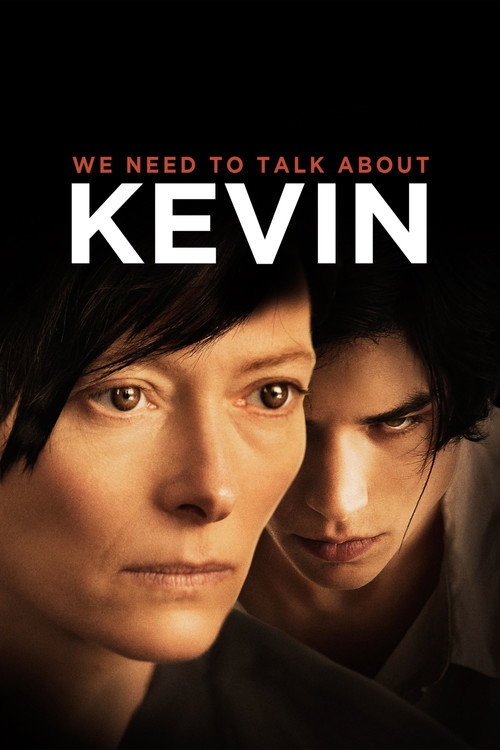
We Need to Talk About Kevin2011
Lynne Ramsay's psychological ordeal about motherhood and monstrosity. It's not a siege film, but it shares Inside's conviction that the worst violence can be intimate and familial.
But It's a slow, aesthetic trauma. Viewers wanting clear plot or narrative momentum will find it glacial and more interested in sensation than story.
Under the Skin2014
Both films make their horror register as violation of the body and what bodies mean. Both refuse easy explanation or moral comfort. Both trust the viewer to sit in genuine unease rather than resolving into climax and catharsis.
Jonathan Glazel's science-fiction nightmare: Scarlett Johansson as an inhuman thing wearing human shape. It shares Inside's commitment to making you experience alienation and dread, but through strangest-future sci-fi rather than home invasion.
But It's nearly dialogue-free and almost entirely atmospheric. If you need plot clarity or character motivation spelled out, the abstract structural minimalism will infuriate rather than enchant.

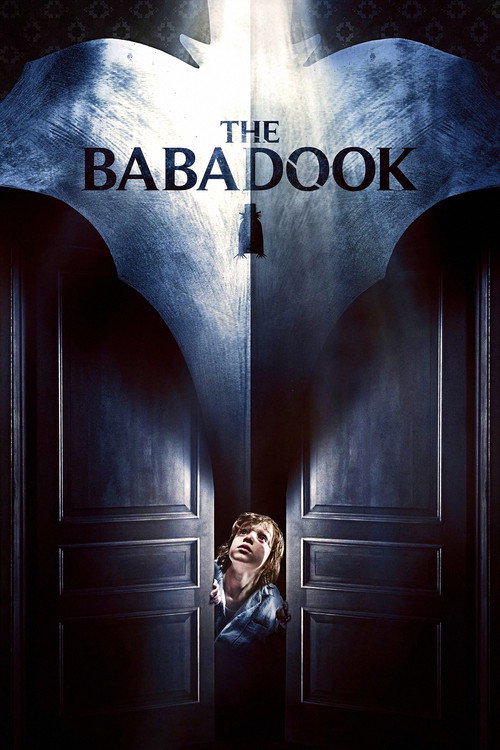
The Babadook2014
Both use enclosed spaces and intimate relationships to make horror of everyday vulnerability. Both ask: what if the thing you fear most is something you cannot expel because it's part of you, or part of love itself?
An Australian gem that channels Inside's intensity into something almost abstract: grief and parental dread visualized as creature, siege, and psychological fracture. Technically immaculate and genuinely haunting.
But It's a metaphorical film about mental illness. If you're looking for literal threat and direct narrative, you may experience it as frustratingly oblique or overstated.
People
Cast
 Alysson ParadisSarah Scarangelo
 Béatrice DalleThe Woman
 Nathalie RousselLouise Scarangelo
- François-Régis MarchassonJean-Pierre Montalban
- Jean-Baptiste TabourinMatthieu
 Dominique FrotThe Nurse
- Claude LuléThe Doctor
 Hyam ZaytounPolice Officer
 Tahar RahimPolice Officer
- Emmanuel GuezPolice Officer
 Ludovic BerthillotPolice Officer
 Emmanuel LanziPolice Officer
Directing
- Alexandre BustilloDirector
- Julien MauryDirector
- Léonard GuillainFirst Assistant Director
- Alexandre BillonSecond Assistant Director
- Brigitte JacquetSecond Assistant Director
- Brice CoustilletThird Assistant Director
Writing
- Alexandre BustilloWriter
- Julien MauryWriter
Production
- Pascale PaddyCasting
- Fryderyk OvcaricCo-Producer
- Rodolphe GuglielmiCo-Producer
- Teddy PercherancierCo-Producer
- Jean-François ChaintronLine Producer
- Franck RibièreProducer
- Vérane FrédianiProducer
- Philippe DelauzunProduction Assistant
- Priscilla BertinSupervising Producer
Recommended by
The Loved Ones, Hostel, 1000 Ways to Die, The League of Gentlemen's Apocalypse, Frontier(s), High Tension, Black Christmas, Satan, When a Stranger Calls, Visiting Hours, Hammer House of Horror, Knock Knock, Them, Medcezir, Leke, Laid to Rest