
Film
Holidays
- Dark fantasy
- Dip in and out
A horror anthology that deconstructs familiar holidays with surreal, unsettling creativity. Each segment reimagines a different celebration—Valentine's Day, Easter, Christmas—as something darker and stranger. It's weird, occasionally brilliant, sometimes uneven, and never safe. Perfect for viewers who love horror that refuses to play it straight.
If you liked this
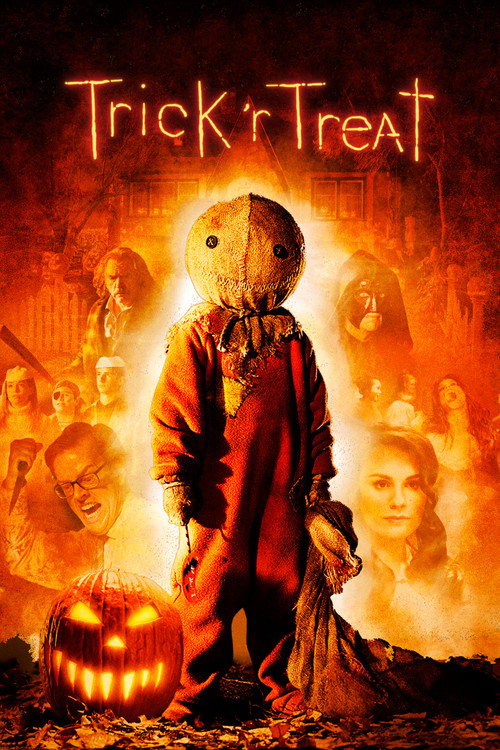
Trick 'r Treat2007
A masterclass in anthology horror that weaves multiple Halloween stories into an intricate, satisfying whole. Genuinely clever plotting elevates it beyond the usual segment format. The tonal balance between scares and dark humour is nearly perfect.
But Some segments land better than others, and the final reveal, while clever, doesn't quite justify the elaborate setup. Pacing can feel uneven.
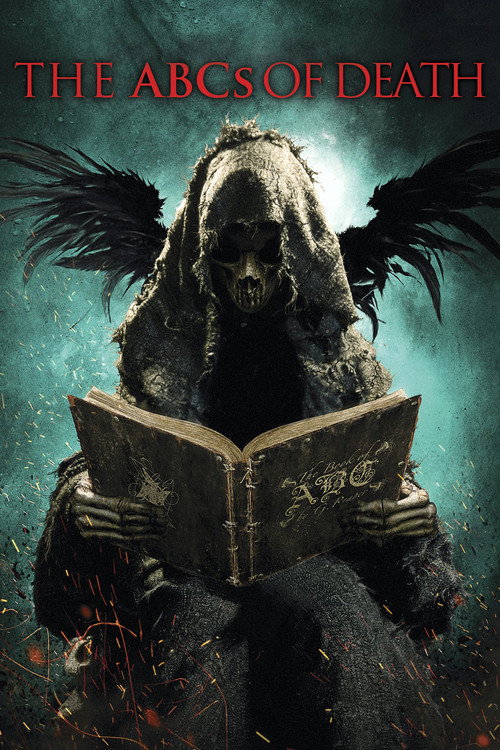
The ABCs of Death2013
Twenty-six directors contribute one-minute horror segments, each tackling a letter of the alphabet. Wild, unpredictable, and genuinely inventive. You never know what's coming next, and that's the entire point.
But Anthology format means real unevenness. Some segments are inspired; others are forgettable or aggressively unfunny. It requires patience with failure.
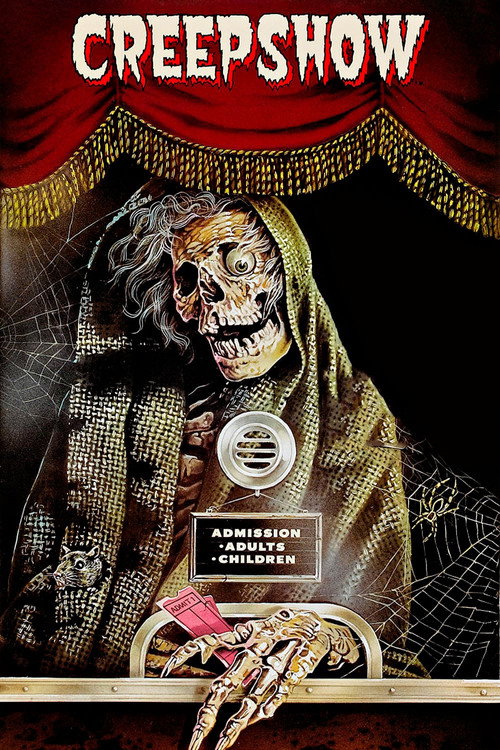
Creepshow1982
George A. Romero and Stephen King made a love letter to EC Comics. Five stories that range from genuinely frightening to camp-funny, all wrapped in gorgeous pulp aesthetics. Stylish horror that respects both the scares and the fun.
But The tone shifts dramatically between segments. Some viewers find the comic-book style at odds with genuine horror. Pacing feels quaint by modern standards.
Not sure tonight? Get a pick in a minute, starting from Holidays
The wildcard
Something you would not have found on your own.
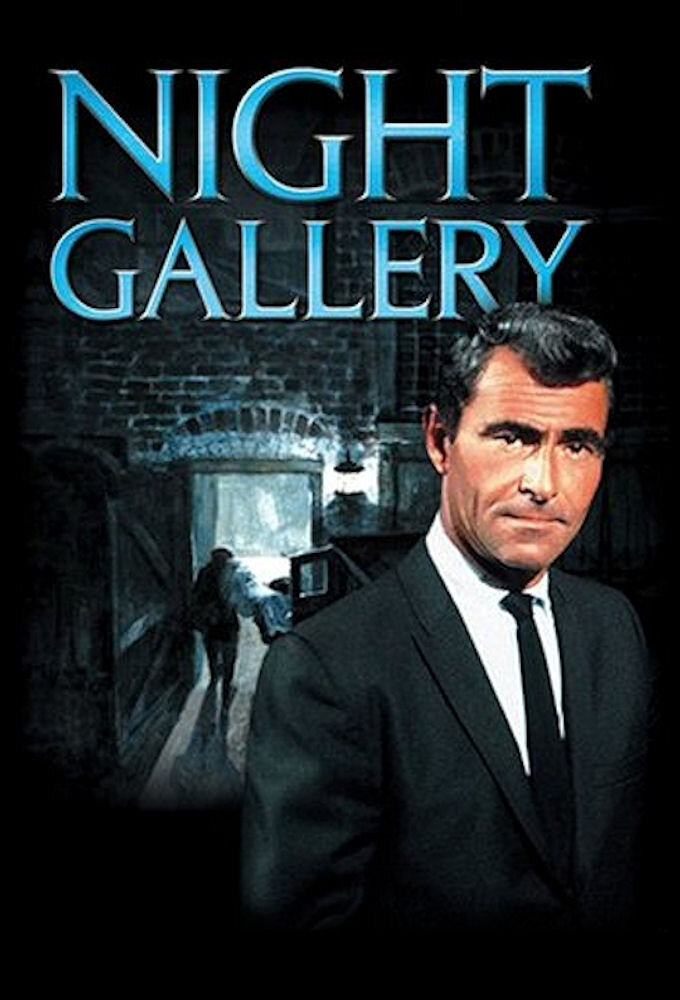
Night Gallery1969
Both are holiday/occasion-based horror anthologies that use the familiar to make the uncanny feel inevitable. Both refuse easy scares in favour of unsettling ideas.
Rod Serling created this anthology series as a darker, more visceral companion to The Twilight Zone. Each episode is a self-contained horror or dark fantasy story. Serling's narration and the monochrome cinematography create genuine unease. It respects the audience's intelligence.
But Television production values of 1969 mean some episodes look quaint. Pacing is slow by contemporary standards. Serling's narration, while brilliant, can feel theatrical rather than naturalistic.
More like this (6)
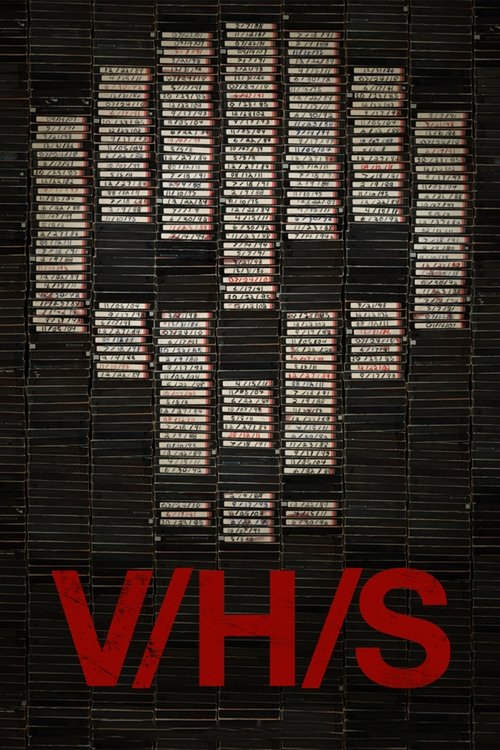
V/H/S2012
Found-footage anthology that revitalised horror through a simple, brilliant conceit: a collection of VHS tapes. The uncertainty of what you're watching—is it real, is it staged?—creates genuine dread. Claustrophobic and inventive.
But Found-footage can feel exhausting, especially across six segments. The frame narrative is thin. Some entries rely on gore rather than ideas.
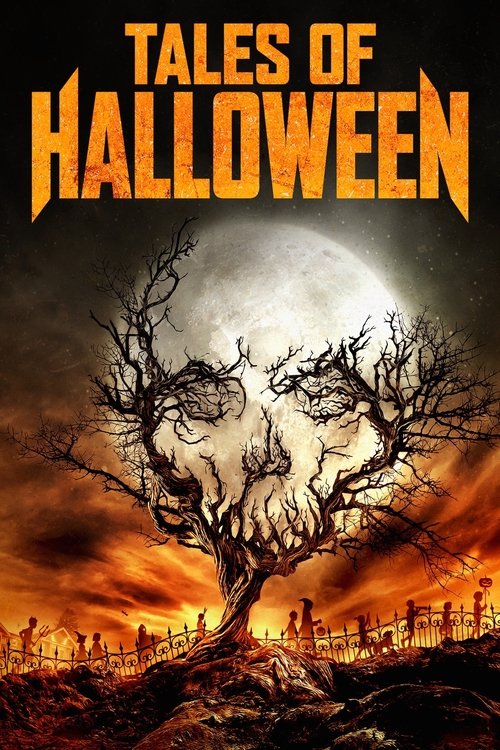
Tales of Halloween2015
Ten stories set on the same Halloween night in the same neighbourhood. Playful, affectionate, and diverse in tone. Some are genuinely scary; others are fun tributes to horror tropes. The interconnected setting gives it coherence despite the variety.
But Lighter and less ambitious than other anthologies on this list. Some segments feel more like fan art than original storytelling. Very uneven in quality.
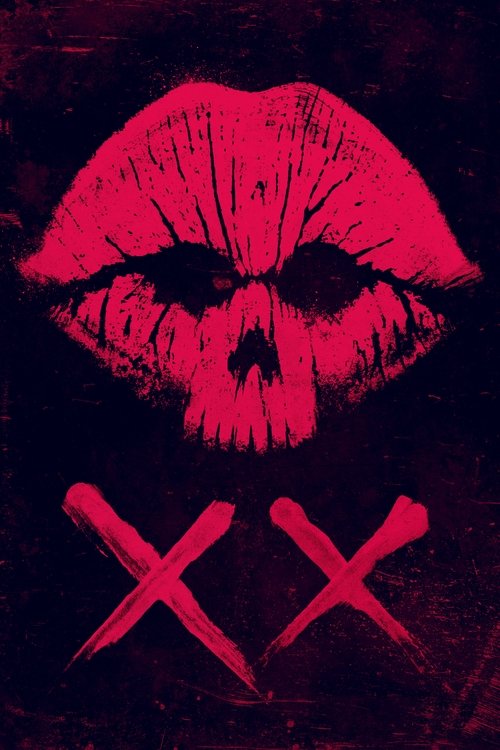
XX2017
Four horror stories directed exclusively by women, each bringing distinct visual style and sensibility. Deeply creative and often genuinely unsettling. The segments feel personal and experimental rather than formulaic.
But Experimental means one or two segments will feel too abstract or uncommercial. The lack of dialogue in one story will frustrate some viewers. Deliberately slow-burn.
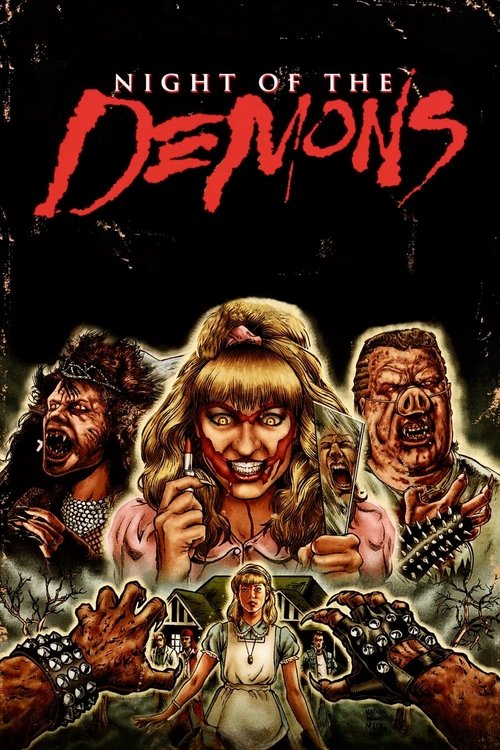
Night of the Demons1988
A Halloween party goes grotesquely wrong when teenagers accidentally summon demons. Practical effects are gloriously nasty, and there's a genuine commitment to weirdness over sense. It's trashy, committed, and surprisingly effective.
But The screenplay is thin, dialogue is functional at best, and the first half moves slowly. The horror relies on shock value and practical gore rather than sustained dread.
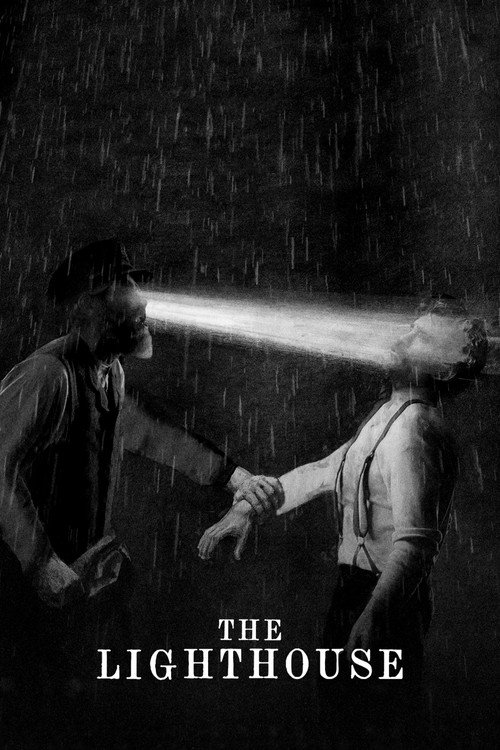
The Lighthouse2019
Like Holidays, it treats the familiar—a lighthouse, a job, two men working together—as the entry point to something dark and inexplicable. Both trust atmosphere over exposition.
Two men trapped in a lighthouse descend into obsession, madness, and something stranger. Shot in black and white with a boxy aspect ratio that feels deliberately claustrophobic. It's a hallucinogenic descent into psychological horror that builds from realistic tension into pure nightmare logic.
But Deliberately opaque and slow. The sexual and scatological imagery is graphic. It's visually and tonally demanding. Some viewers find it pretentious or impenetrable.
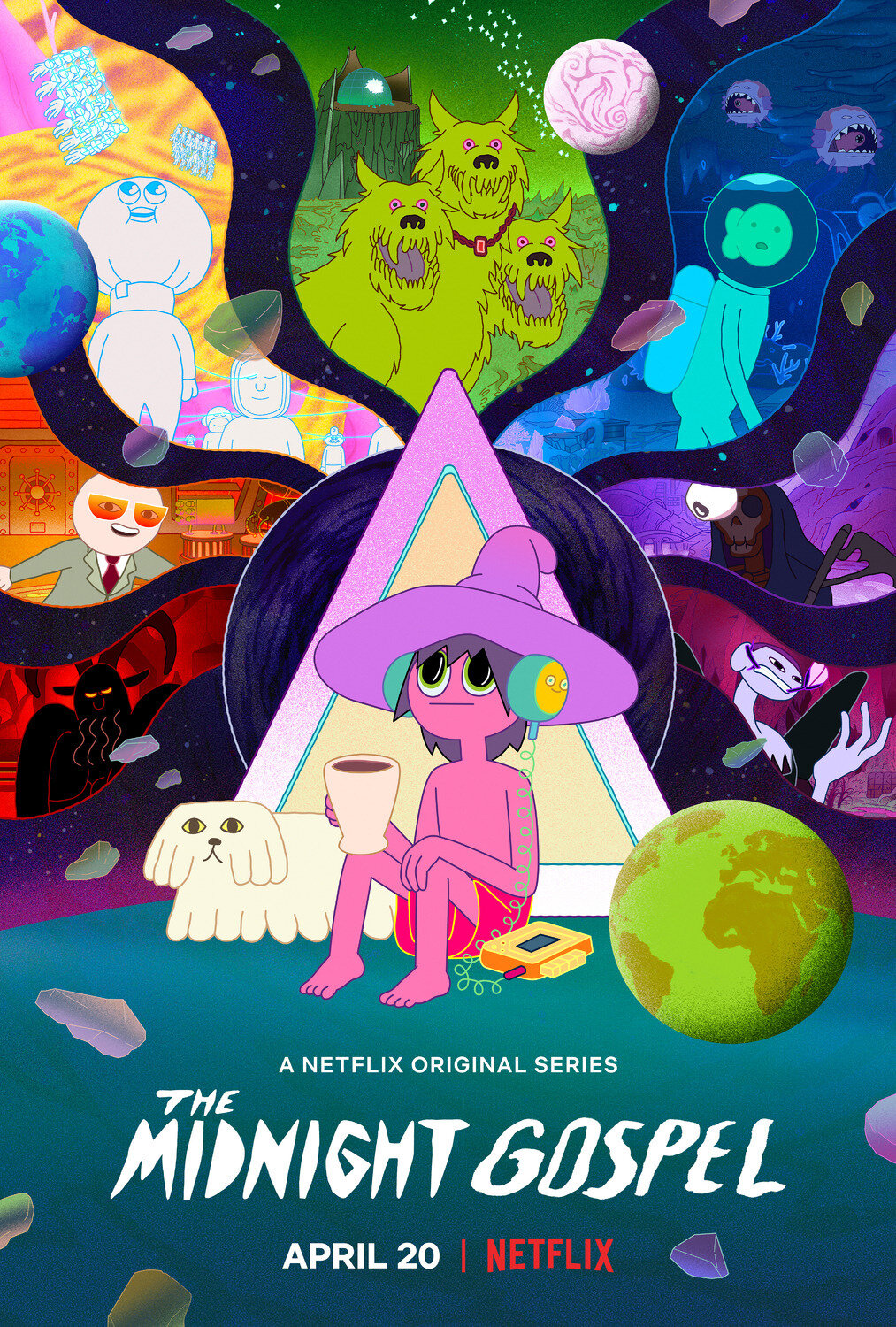
The Midnight Gospel2020
Both use surrealism and visual strangeness to interrogate human rituals and what they mean. Both ask what's underneath the familiar. Both refuse to be either wholly dark or wholly light.
An animated series where a man travels through dying worlds in his magical camper van, having long philosophical conversations. Each episode is visually hallucinogenic and tonally bizarre. It's philosophical sci-fi that pivots into genuine grief and mortality. Utterly original in form and feeling.
But The animation style will feel off to some viewers. Episodes are talky; if you need plot momentum, you'll struggle. The final episode carries real emotional weight that some find manipulative. Only eight episodes, each under 30 minutes.
People
Cast
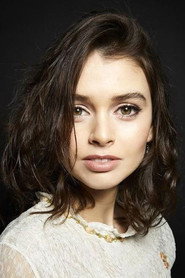 Madeleine CoghlanMaxine (segment "Valentine's Day")
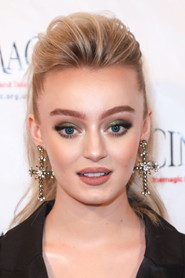 Savannah KennickHeidi (segment "Valentine's Day")
 Rick PetersCoach Rockwell (segment "Valentine's Day")
 Kate RacheskyCathy (segment "Valentine's Day")
- Marilyn FloresSwim Team Member (segment "Valentine's Day")
 Emily HaginsSwim Team Member (segment "Valentine's Day")
- Sierra MaloSwim Team Member (segment "Valentine's Day")
- Aimee SagaraSwim Team Member (segment "Valentine's Day")
 Britain SimonsHandsome Boy (segment "Valentine's Day")
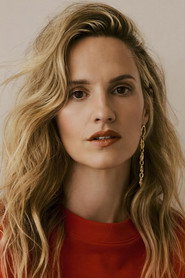 Ruth BradleyElizabeth (segment "St. Patrick's Day")
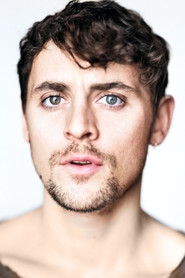 Art CampionThe Man (segment "St. Patrick's Day")
- Isolt McCaffreyGråinne (segment "St. Patrick's Day")
Directing
- Adam Egypt MortimerDirector
- Anthony Scott BurnsDirector
- Dennis WidmyerDirector
- Gary ShoreDirector
- Kevin KölschDirector
- Kevin SmithDirector
- Nicholas McCarthyDirector
- Sarah Adina SmithDirector
- Scott StewartDirector
- Alisa FredericksFirst Assistant Director
- Andrew JanesFirst Assistant Director
- Brian James FitzpatrickFirst Assistant Director
- Daniel RingeyFirst Assistant Director
- Jordan LittleFirst Assistant Director
- Keith BarryFirst Assistant Director
- Michael CallahanFirst Assistant Director
- Nicholas BechardFirst Assistant Director
- Nick ThomasFirst Assistant Director
- Jeanette McGrathScript Supervisor
- Rhona RubioScript Supervisor
- Daniel ZealandSecond Assistant Director
- Emily HaginsSecond Assistant Director
- Hannah MastersonSecond Assistant Director
- Jason SuhrkeSecond Assistant Director
- Glen BarryThird Assistant Director
Writing
- Adam Egypt MortimerWriter
- Anthony Scott BurnsWriter
- Dennis WidmyerWriter
- Gary ShoreWriter
- Kevin KölschWriter
- Kevin SmithWriter
- Nicholas McCarthyWriter
- Sarah Adina SmithWriter
- Scott StewartWriter
Production
- Patrick CulhaneAssistant Location Manager
- Brian James FitzpatrickAssociate Producer
- Jaime GallagherAssociate Producer
- Jason HamptonAssociate Producer
- Liv BanksAssociate Producer
- Sharmila SahniAssociate Producer
- Spencer JezewskiAssociate Producer
- Amey RenéCasting
- Gabby Revilla LugoCasting
- Louise KielyCasting
- Sarah WallaceCasting
- Danielle InksCasting Assistant
- Eva-Jane GaffneyCasting Assistant
- Kelley QuinnCasting Assistant
- Mandi MellenCasting Assistant
- Teresa CordtsCasting Assistant
- David Gironda Jr.Casting Associate
- Dwjuan F. FoxCo-Producer
- Adam GoldwormExecutive Producer
- Andrew BarrerExecutive Producer
- Gabriel FerrariExecutive Producer
- Georg KallertExecutive Producer
- James AveryExecutive Producer
- John HegemanExecutive Producer
- Nate BolotinExecutive Producer
- Nick SpicerExecutive Producer
- Peter J. NievesExecutive Producer
- Rob SchroederExecutive Producer
- Roger ColemanExecutive Producer
- Howard GordonKey Production Assistant
- Jon D. WagnerLine Producer
- Stephanie ParisLine Producer
- Steven DalyLocation Manager
- Adam Egypt MortimerProducer
- Amanda MortlockProducer
- Aram TertzakianProducer
- Dennis WidmyerProducer
- Gabby RevillaProducer
- Gary ShoreProducer
- Georg KallertProducer
- John HegemanProducer
- Jonako DonleyProducer
- Jonathan LoughranProducer
- Jordan MonsantoProducer
- Joshua BachoveProducer
- Kevin KölschProducer
- Kyle FrankeProducer
- Louise ShoreProducer
- Nicholas BechardProducer
- Peter J. NievesProducer
- Rob SchroederProducer
- Stephanie ParisProducer
- Tim ConnorsProducer
- Gabrielle Alexis BrunoProduction Coordinator
- Naomi MoriartyProduction Coordinator
- Liv BanksProduction Supervisor
- Courtney LuczywoUnit Production Manager
- Nicole FloresUnit Production Manager
- Tracey LandonUnit Production Manager