
Film
The Hound of the Baskervilles
Other titles called The Hound of the Baskervilles: the 1939 film.
Cushing's lean, intellectual Holmes confronts Gothic superstition on the moors in this 1959 adaptation that treats Conan Doyle's most atmospheric tale seriously. It's eerie without being campy, grounded in logic while respecting the genuinely unsettling premise. For anyone who loves Holmes but wants something darker than the usual deduction puzzle—or anyone who thinks they don't like detective fiction but are drawn to fog, family curses, and creeping dread.
Should you watch it?
Watch it if you love gothic moors, candlelit manor halls and a Holmes who deduces with brisk theatrical relish, the Hammer colour and shadow suiting a shivery old-fashioned chill.
Skip it if you want a fast, modern mystery with plotting, since this one leans on atmosphere and stagey performances more than tight reasoning, and its creaking studio look may feel dated.
What it asks of you: Under ninety minutes, it moves at an unhurried pace, with long stretches of misty walking and talk before the scares arrive; give it steady attention rather than background noise.
Not sure? Find tonight's pick in a minute.
If you liked this
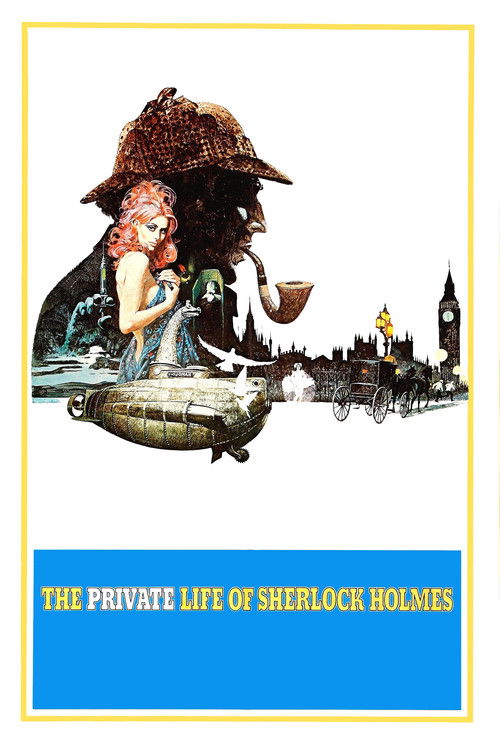
The Private Life of Sherlock Holmes1970
Billy Wilder's wry, humanizing take on Holmes shows a detective vulnerable and romantic beneath the superiority. Lighter in tone than Baskervilles but equally smart about who this man really is behind the legend.
But It prioritizes character and emotion over mystery mechanics, which can feel slack if you're after a tight puzzle to solve.
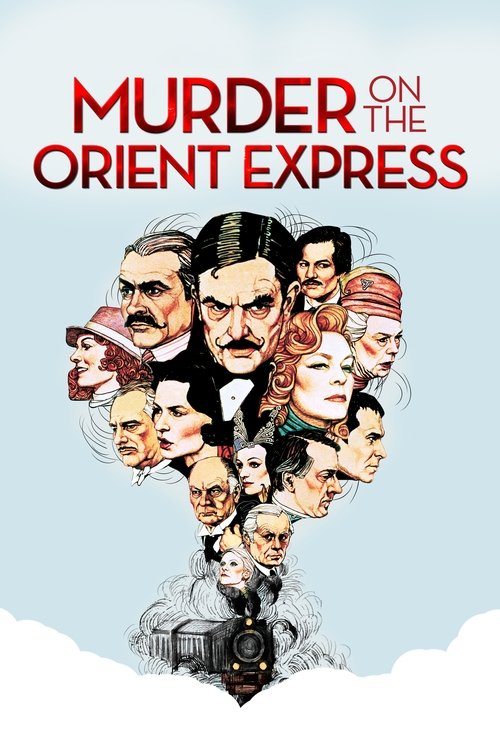
Murder on the Orient Express1974
Lumet's gleaming adaptation of Christie's locked-room masterpiece offers the same appeal: a closed world, a brilliant detective, suspects with secrets, and a fair-play mystery that rewards attention. Finney is magnetic.
But At over two hours, the interrogation scenes can feel repetitive, and some casting choices haven't aged as well as others.
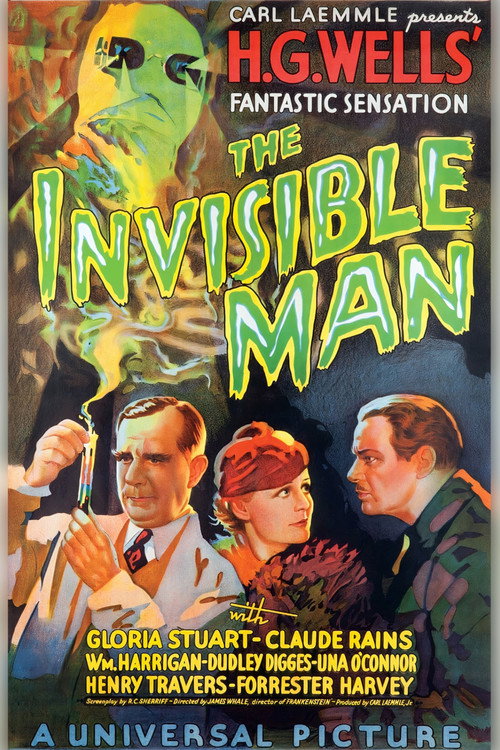
The Invisible Man1933
Universal's masterpiece understands that real horror lives in the mundane made monstrous. Like Baskervilles, it builds dread through suggestion and shadow rather than spectacle, and treats its premise with deadly seriousness.
But It's dialogue-heavy and occasionally stagey—the pacing belongs to a different era, and that can feel slow to modern eyes.
Not sure tonight? Get a pick in a minute, starting from The Hound of the Baskervilles
The wildcard
Something you would not have found on your own.
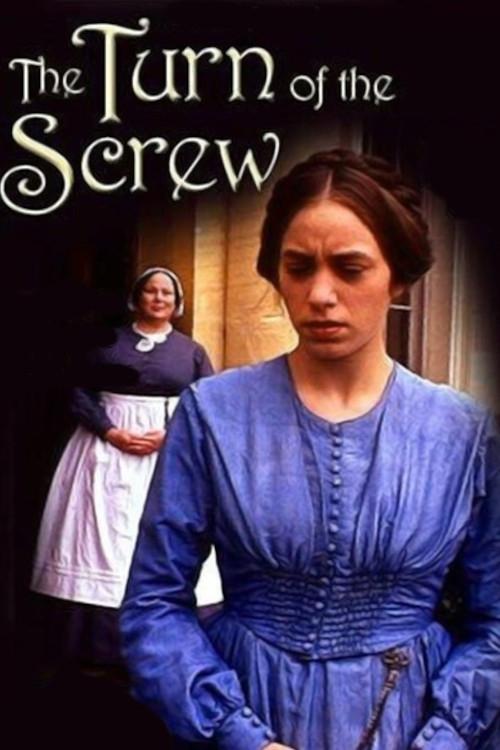
The Turn of the Screw1999
Both place an intelligent observer in an isolated setting where the rules of reality seem negotiable. Both understand that the real horror is uncertainty—not knowing if the threat is real or if you're the danger.
Russo's television adaptation of James's novella is the most faithful rendering of pure ambiguity in horror—is there really something wrong here or is the narrator losing her mind? It's Baskervilles' shadow self: less concerned with solving the mystery than with the psychological cost of living in one.
But It's extremely slow and deeply interior. If you're watching for plot momentum or jump scares, you'll be frustrated. It's mood as content.
More like this (6)
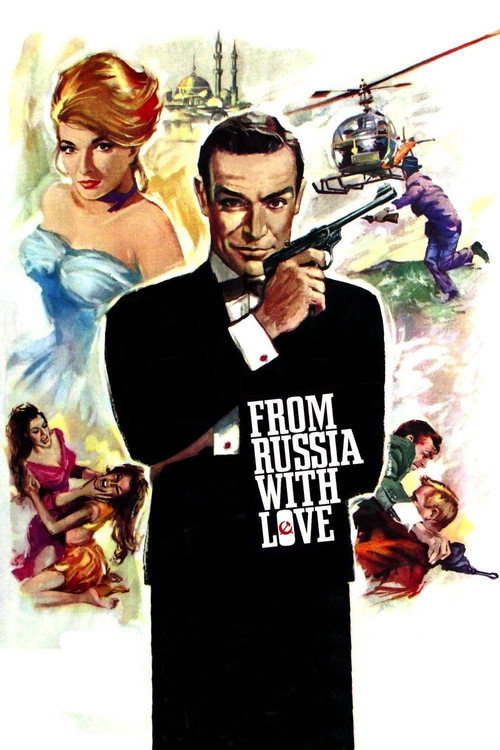
From Russia with Love1963
Connery's Bond film shares the same cool intelligence as Cushing's Holmes: capable men in capable hands, genuine tension over bombast, the pleasure of watching professionals work. It's spy fiction that respects both the hero and the audience.
But The action sequences are brief by modern standards, and some plot mechanics feel rote if you've seen later spy films.
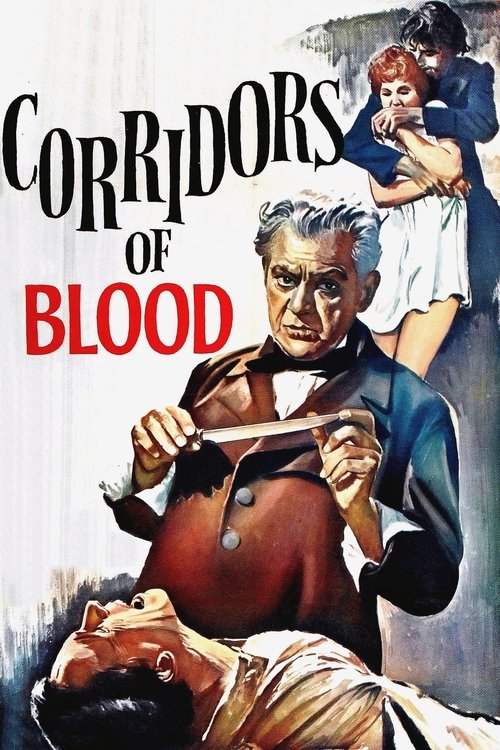
Corridors of Blood1958
Cushing again, this time as a doctor in Victorian London descending into moral compromise. It has the same period texture and the same sense of a good man pressured by circumstance—Cushing's drawn face carries unbearable weight.
But The pacing is deliberate to the point of strain, and the ending can feel abrupt or unsatisfying depending on what you were hoping for.
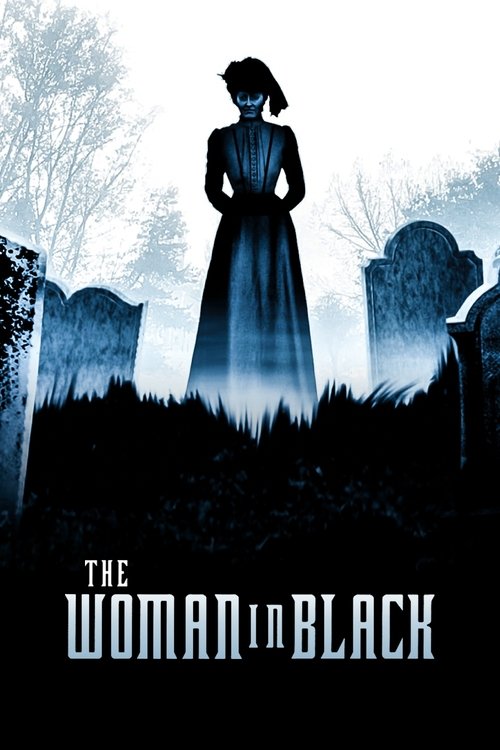
The Woman in Black1989
A British ghost story that builds atmospheric dread the way Baskervilles does: through setting, suggestion, and the knowledge that something truly wrong lives in this place. Slow-burn rather than jump-scare.
But If you need action or plot momentum, this will feel like watching fog roll in for ninety minutes, because that's partly the point.
The Lodger: A Story of the London Fog1927
Hitchcock's silent film about a suspected serial killer lodging with an ordinary family has the same claustrophobic dread and the same fascination with how suspicion poisons a space. Pure visual storytelling, endlessly inventive.
But Silent cinema requires patience, and the acting style—broad by modern standards—takes adjustment even if you know what you're watching.

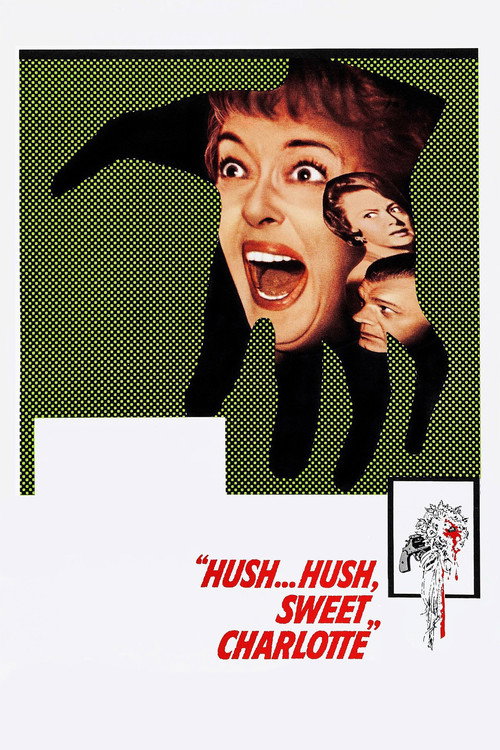
Hush... Hush, Sweet Charlotte1964
De Havilland and Davis in a Gothic mystery that wrings horror from old houses, old secrets, and the question of whether madness is supernatural or psychological. Southern Gothic that actually builds.
But It's overlong and occasionally melodramatic in ways that work against rather than for the atmosphere. Some plot twists strain credibility.
The Third Man1949
Both are about the moment when the mask drops and you realize the person you trusted is something else entirely. Both treat betrayal as the central human tragedy, more damaging than any external threat.
Carol Reed's Vienna noir has the same architecture as Baskervilles: a good man arrives to investigate, discovers the world is not as it seems, watches someone he respects become something else. The zither score does what the moor does—it makes a place a character. Utterly adult.
But It's austere and deeply committed to moral ambiguity. There are no heroes here, just varying degrees of compromise. If you need someone to root for, you won't find one.

People
Cast
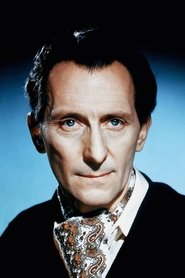 Peter CushingSherlock Holmes
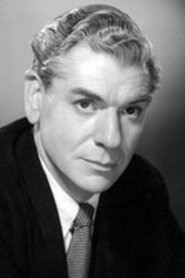 André MorellDoctor Watson
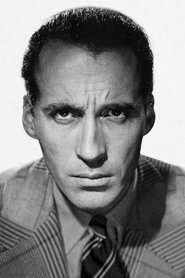 Christopher LeeSir Henry Baskerville
 Marla LandiCecile Stapleton
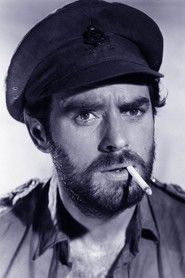 David OxleySir Hugo Baskerville
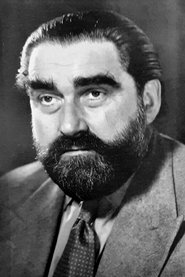 Francis de WolffDr. Richard Mortimer
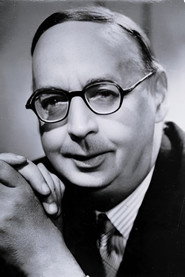 Miles MallesonBishop Frankland
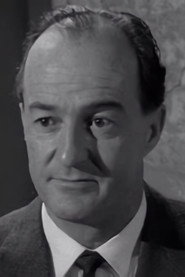 Ewen SolonStapleton
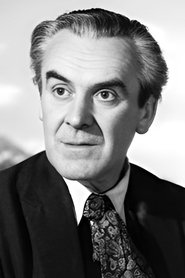 John Le MesurierBarrymore
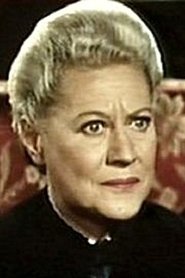 Helen GossMrs. Barrymore
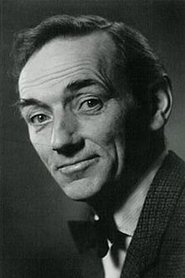 Sam KyddPerkins
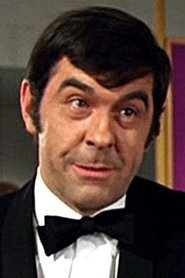 Michael HawkinsLord Caphill
Directing
- John PeverallAssistant Director
- Shirley BarnesContinuity
- Terence FisherDirector
Writing
- Arthur Conan DoyleNovel
- Peter BryanScreenplay
Production
- Anthony Nelson KeysAssociate Producer
- Michael CarrerasExecutive Producer
- Anthony HindsProducer
- Kenneth HymanProducer
- Don WeeksProduction Manager