
Film
The Turn of the Screw
Other titles called The Turn of the Screw: the 2009 film.
A 1999 adaptation of Henry James's ambiguous novella: a young governess at an isolated country estate grows convinced the house is haunted by malevolent spirits possessing the children in her care. It's a slow-burn psychological thriller that asks whether she's uncovering real horror or descending into delusion. For viewers who want their scares wrapped in period atmosphere and moral uncertainty.
Should you watch it?
Watch it if you love slow-burn gothic chamber pieces where dread lives in looks, silences and a governess's unsettled point of view more than in jump scares.
Skip it if you want brisk plotting or scares on schedule; this 100-minute TV movie lingers, and its period formality can feel stiff.
What it asks of you: Patience first: it unfolds at a deliberate pace, mostly in quiet rooms and long gazes, and it expects you to hold your doubts about what you are seeing.
Not sure? Find tonight's pick in a minute.
If you liked this
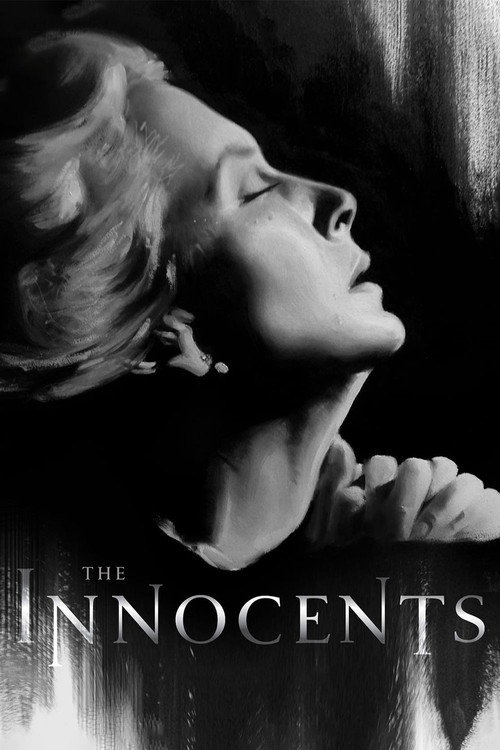
The Innocents1961
The definitive film version of James's novella, with Deborah Kerr's governess caught between supernatural dread and psychological breakdown. Genuinely unnerving in ways that rely on suggestion rather than spectacle.
But Black and white, slow pacing, and the ambiguity means it refuses to confirm whether anything supernatural is happening—which some find frustratingly withholding.
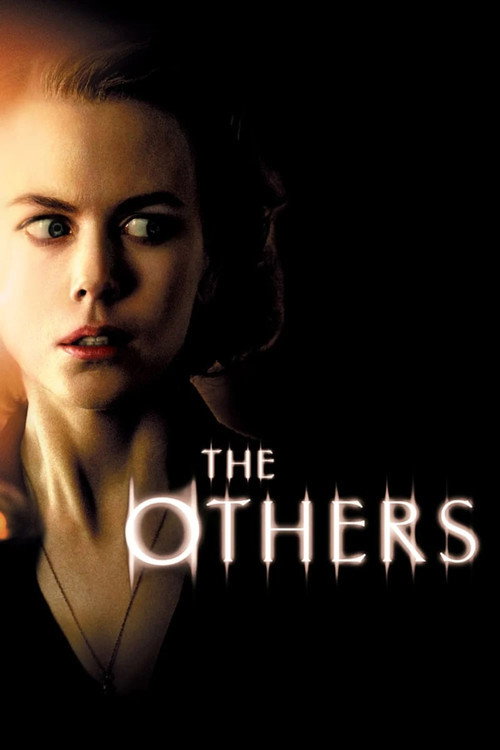
The Others2001
Nicole Kidman as a governess in a fog-bound manor house, raising her children in isolation. A masterclass in building dread through atmosphere and a twist that reframes everything you've watched.
But The ending, when it lands, divides people—some find it a revelation, others feel cheated by the explanation.
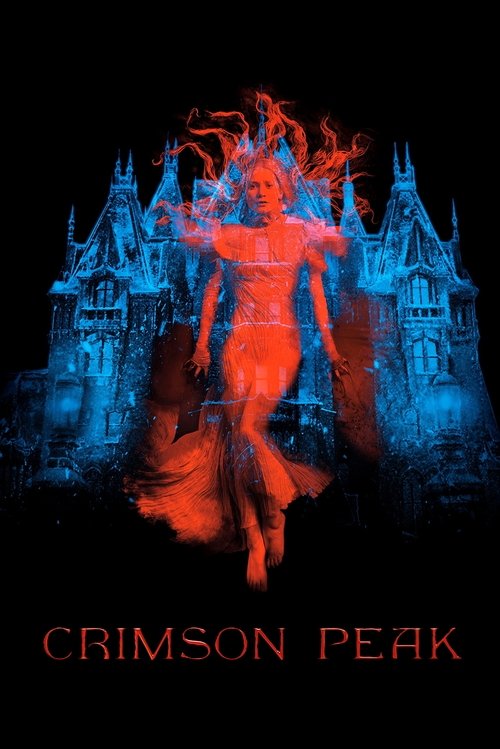
Crimson Peak2015
Guillermo del Toro's Gothic fever dream about a young woman isolated in a decaying mansion with secrets in every corner. Visually sumptuous, genuinely unsettling, and unambiguously committed to being a ghost story.
But It's more ornate and operatic than James—if you want restraint and ambiguity, this swings for the fences with melodrama instead.
Not sure tonight? Get a pick in a minute, starting from The Turn of the Screw
The wildcard
Something you would not have found on your own.
The Innocents Abroad1983
Same actress, same text, but approached with even greater restraint. Where the 1999 film asks 'are the ghosts real?', this one asks 'what happens inside a mind that's allowed to unspool unchecked?'
A BBC television film that strips James's story down to its essential psychology: a young woman in service, increasingly isolated, slowly suspecting the world around her of corruption. Jodhi May (the governess in your film) gives a haunting performance.
But It's even slower and more austere than 1999 version—the horror lives entirely in May's face and the spaces between conversations.
More like this (6)
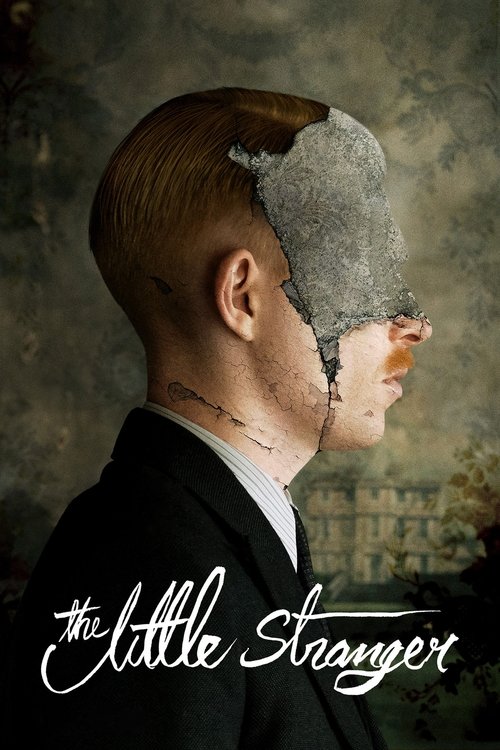
The Little Stranger2018
Sarah Waters's post-war Gothic mystery about a doctor visiting a crumbling stately home, drawn into the family's unraveling. Creeping dread wrapped in period detail and the impossibility of knowing whose perception to trust.
But It's deliberately slow, and the horror is almost entirely psychological—if you want overt scares, you'll wait a long time and be disappointed.
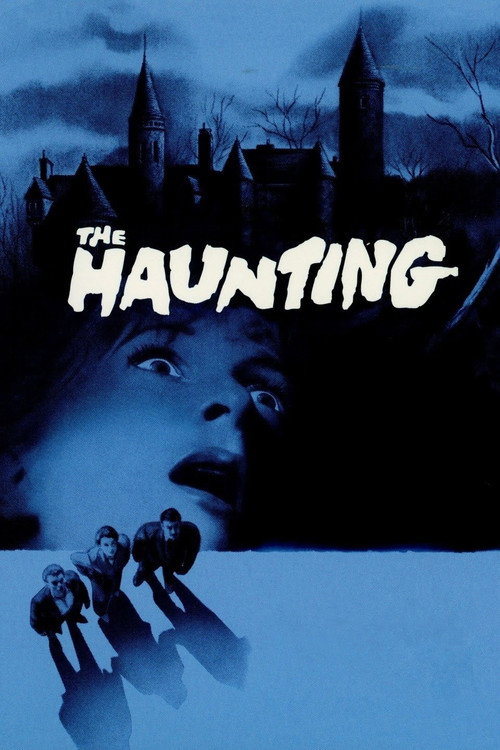
The Haunting1963
Robert Wise's adaptation of Shirley Jackson's novel about sensitive people in a psychologically hostile house. The idea that spaces themselves can be evil, warping those inside them, is genuinely original and still unsettling.
But Deliberately ambiguous about whether anything supernatural occurs—the horror might just be loneliness and grief. Some viewers find that frustrating rather than profound.
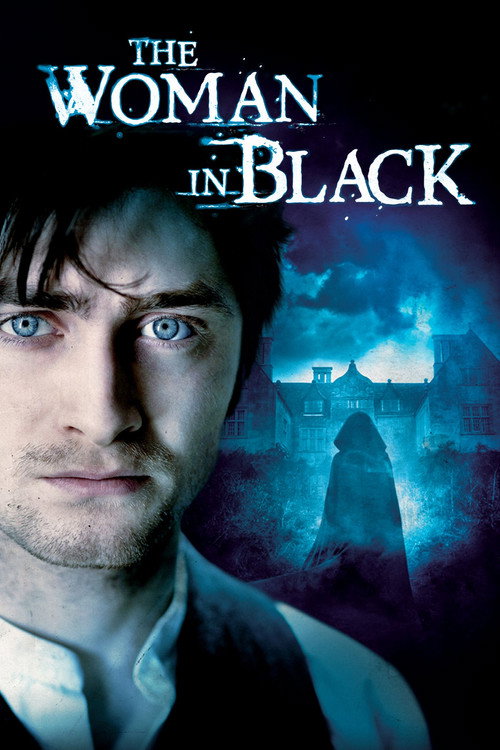
The Woman in Black2012
Daniel Radcliffe as a young man haunted by a vengeful ghost in an isolated English mansion. It's a modern film that understands how to build Gothic atmosphere—fog, creeping dread, children in peril.
But It's much more straightforwardly a horror film than James's work—no ambiguity, just pure ghost story mechanics.
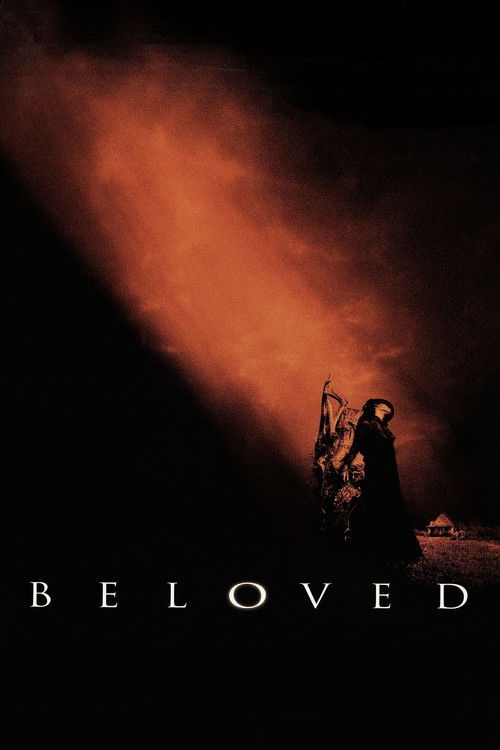
Beloved1998
Toni Morrison's novel adapted with Oprah Winfrey and Danny Glover. A woman haunted by the ghost of her dead daughter, exploring trauma, possession, and whether ghosts are supernatural or psychological. Gorgeous, devastating.
But It's more interested in exploring racism and slavery than in scares. If you're watching for thrills, you'll find something far heavier instead.
The Ballad of Little Jo1993
Both examine how power and masculinity corrupt innocence, and both center on a woman whose perspective—whether reliable or not—becomes the only way we understand the world around her.
Suzy Amis as a woman who masquerades as a man in the American West to escape a corrupted, dangerous world. A period drama about disguise, survival, and the violence lurking beneath civilized surfaces—shot with the same beautiful, unsettling quietness as Gothic horror.
But It's a Western by way of feminist revision, not a ghost story. The threat is human and historical, not supernatural, which some will find more disturbing than others.

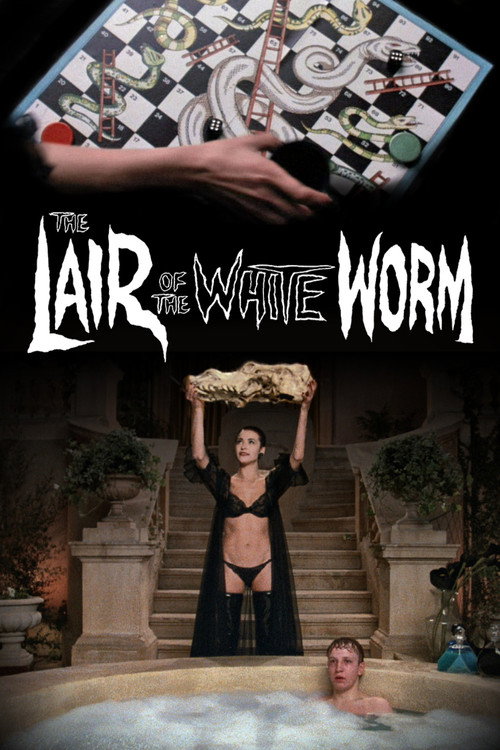
The Lair of the White Worm1988
Both pit innocence (or the appearance of it) against ancient, embedded evil in English country houses. But where James suggests corruption from within, Russell suggests it bubbling up from the earth itself—a completely different register of horror.
Ken Russell's unhinged adaptation of a Bram Stoker novel, set in a decaying English manor with folk rituals, sexual menace, and genuine occult horror. It's lurid, campy, and absolutely committed to being weird in ways mainstream Gothic never allows.
But It's transgressive and sexual in ways that actively repel some viewers. If you want restraint and period propriety, Russell will assault both until you're too uncomfortable to watch.
People
Cast
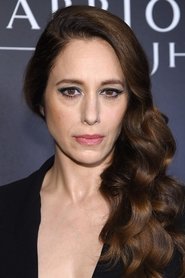 Jodhi MayMiss
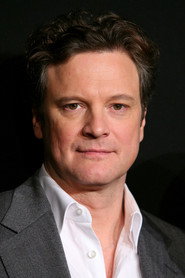 Colin FirthMaster
- Grace RobinsonFlora
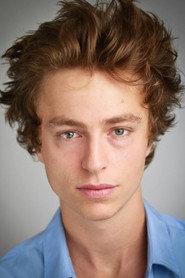 Joe SowerbuttsMiles
- Caroline PeggMiss Jessel
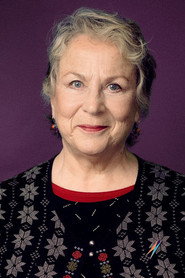 Pam FerrisMrs. Grose
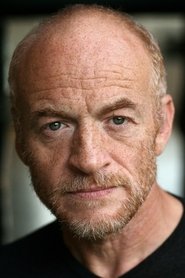 Jason SalkeyQuint
- Jenny HoweCook
Directing
- Ben BoltDirector
- Dominic FyshFirst Assistant Director
Writing
- Henry JamesNovel
- Nick DearTeleplay
Production
- Kate Rhodes JamesCasting
- Michele BuckExecutive Producer
- Tim VaughanExecutive Producer
- Martin PopeProducer
- Rebecca EatonProducer