
Film
Newsfront
Newsfront follows two brothers navigating Australia's newsreel culture in the 1950s, as television threatens to render their craft obsolete. It's a tender, observant film about professional pride, sibling loyalty, and the specific melancholy of watching your world become history. For anyone who loves character-driven stories about ordinary people facing seismic change.
If you liked this
The Best Years of Our Lives1946
Post-war drama about men returning home and struggling to find purpose in a transformed world. Shares Newsfront's interest in how ordinary lives bend under historical pressure, with the same patient attention to detail and earned emotion.
But It's over three hours long and moves at a deliberate pace that requires your full attention. The black-and-white cinematography may feel distant at first.

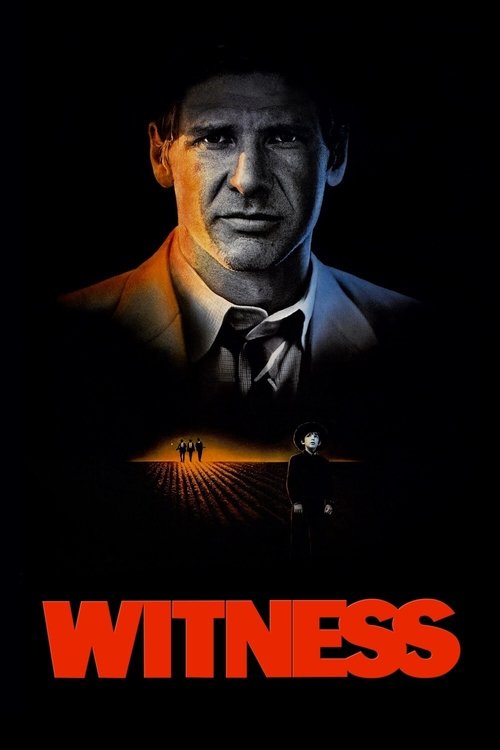
Witness1985
Harrison Ford plays a man caught between two worlds—his own and a radically different one. Like Newsfront, it's fascinated by how people cling to identity when everything around them shifts, told with warmth and specificity.
But It's a thriller, so the plot mechanics sometimes override character. Some scenes feel engineered rather than observed.
Kes1970
A boy and his hawk in working-class England. It has Newsfront's gift for finding nobility in ordinary life and its unsentimental respect for people society overlooks. Beautifully crafted, deeply human.
But The ending is deliberately bleak and will sit with you uncomfortably. There's a streak of cruelty in the film that never gets smoothed away.

Not sure tonight? Get a pick in a minute, starting from Newsfront
The wildcard
Something you would not have found on your own.
Red Shift1978
Both are Australian/British films from 1978 about how time accumulates in place. Both understand that history isn't something that happened, it's something that's still happening. Newsfront watches it arrive; Red Shift watches it echo.
Made the same year as Newsfront, this BBC play by Alan Garner moves across three time periods and three versions of the same place and characters. It's formally adventurous in ways Newsfront isn't, but shares its conviction that the past doesn't disappear—it layers underneath the present, waiting to be uncovered.
But It's cryptic and demands interpretation. The three timelines can feel disjointed, and the emotional payoff is subtle rather than cathartic. You have to meet it halfway.

More like this (8)
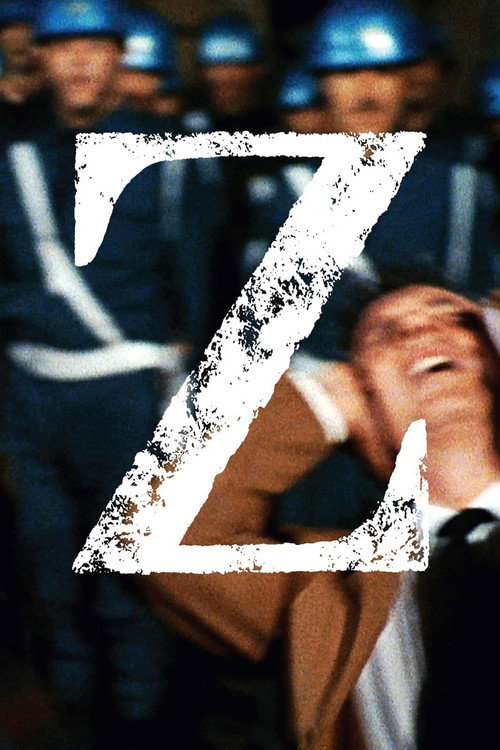
Z1969
Costa-Gavras's political thriller about a journalist investigating a political assassination. Newsfront shares its fascination with how information gets recorded, controlled, and weaponised, though this one is far more overtly urgent.
But The political allegory can feel schematic. It dates itself more than Newsfront does, and the style sometimes overwhelms the character work.
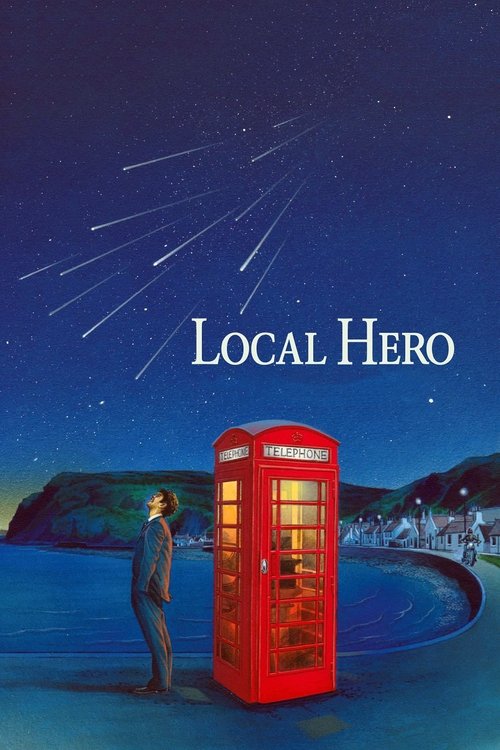
Local Hero1983
Bill Forsyth's comedy-drama about an American oil executive in a Scottish village. Both films are tenderly funny about the collision between progress and rootedness, and both trust their audiences to find the depth in quiet moments.
But It's warmer and more whimsical than Newsfront, which might feel like a tonal betrayal if you want something as grounded. The resolution is deliberately soft.
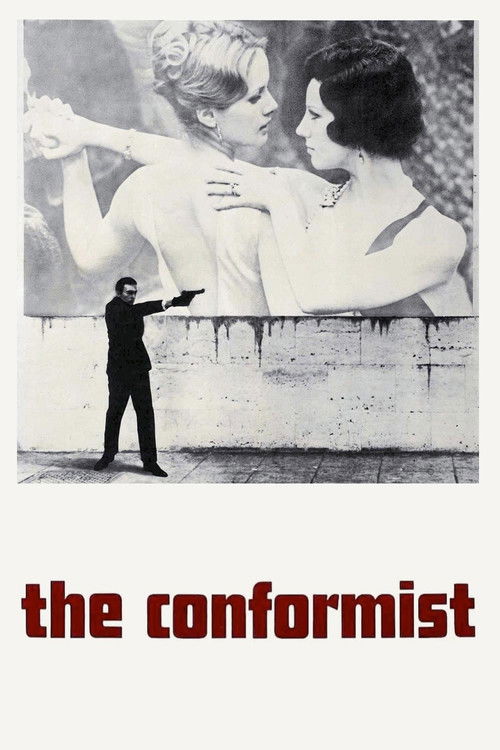
The Conformist1971
Bertolucci's masterpiece about a man compromising his principles for belonging and safety. Like Newsfront, it's visually stunning and built on the tension between personal integrity and historical inevitability.
But It's formally daring in ways that can feel alienating. The moral ambiguity never resolves, and some viewers find the style more interesting than the character.
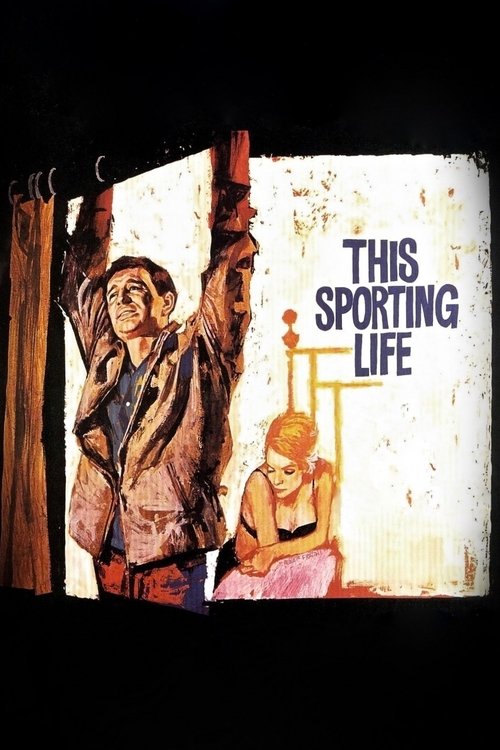
This Sporting Life1963
A rugby player in industrial England trying to outrun his working-class roots. It shares Newsfront's unglamorous attention to male pride and the ways work becomes identity, and its refusal to simplify its protagonist.
But It's quite bleak and the protagonist is not sympathetic. The pacing is slow by modern standards, and the film doesn't explain itself.
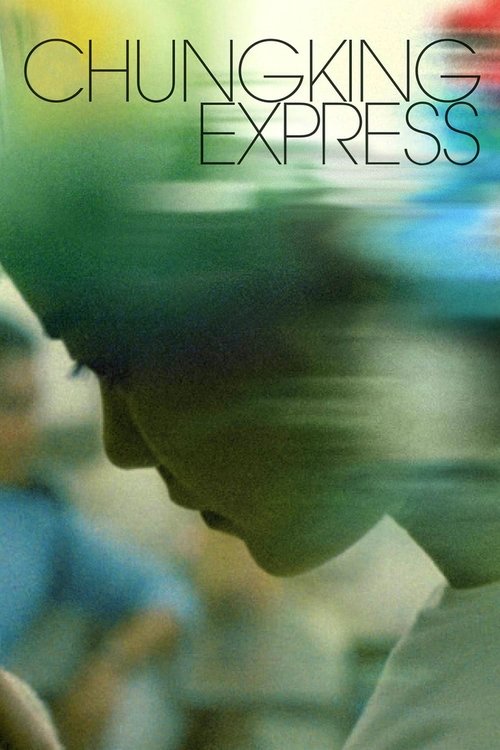
Chungking Express1994
Wong Kar-wai's film uses newsreels and media as visual texture in a story about cops and chance encounters. Both films understand that the ephemera of daily life—newspapers, broadcasts, routine—carries emotional weight.
But It's dreamlike and digressive where Newsfront is grounded. The visual style is so distinctive it can overshadow the story if it doesn't land for you immediately.
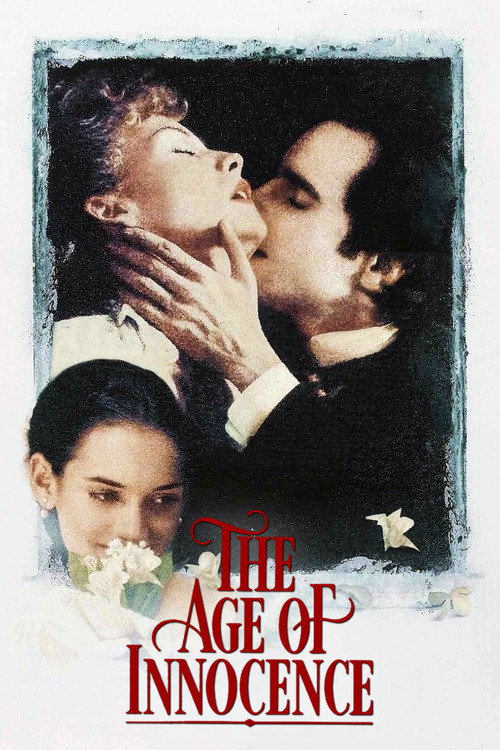
The Age of Innocence1993
Scorsese's lush meditation on people trapped by their moment in history. It shares Newsfront's fascination with how custom and circumstance shape choice, and its refusal to judge its characters for being products of their time.
But The visual grandeur can feel heavy-handed. Some find the constraint of the setting and period suffocating rather than poignant.
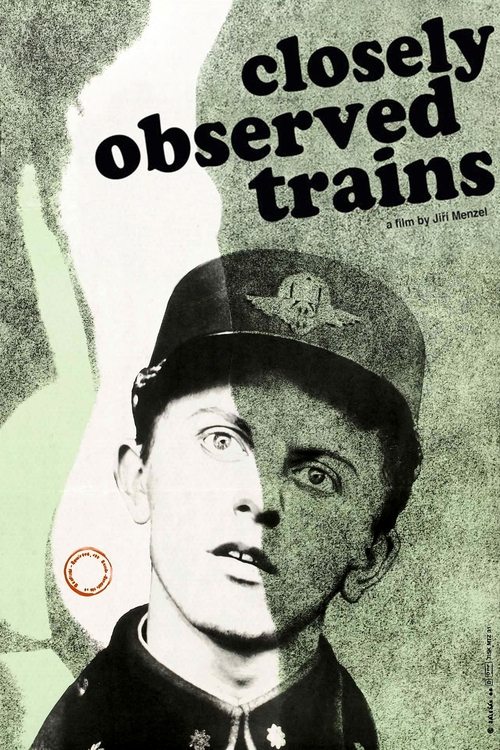
Closely Watched Trains1966
Both films trust that watching someone do their job—filming newsreels, operating a railway station—can be as morally complex and emotionally rich as any grand narrative. Both suggest that ordinary work is how we survive history.
A Czech coming-of-age film set in a railway station during WWII. Like Newsfront, it finds profound humanity in small professional lives and minor characters. It's funny, tender, and shaped entirely by the historical moment its characters are trying to navigate.
But It's a subtitled film from 1966, which alone will deter some. The humour is quiet and specific to its context. The ending carries real darkness.
Stalker1979
Both are about professional identity in the face of obsolescence, made in 1978-79 in different countries. Both understand that the real subject of a film about work is always mortality—the mortality of skills, of generations, of worlds.
Tarkovsky's science-fiction film about a guide leading people through a mysterious zone. At first it seems nothing like Newsfront, but both are about men with expertise—knowledge nobody else has—watching that knowledge become worthless. Both move slowly, both reward patience, both are elegies for a way of being obsolete.
But It's 163 minutes long and hypnotic rather than propulsive. The philosophical questions are never answered. If you want plot momentum, this will exhaust you.

People
Cast
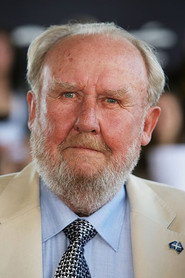 Bill HunterLen Maguire
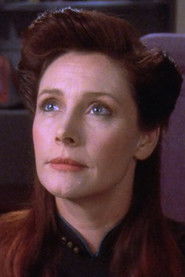 Wendy HughesAmy Mackenzie
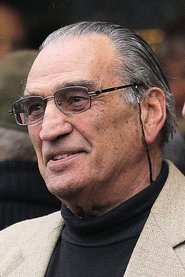 Gerard KennedyFrank Maguire
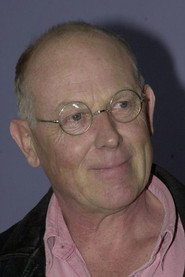 Chris HaywoodChris Hewitt
 John EwartCharlie
 Don CrosbyA.G. Marwood

 John ClaytonCliff
- John DeaseKen
 Bryan BrownGeoff
 Lorna LesleyEllie
 Mark HoldenLen's New Assistant
Directing
- Phillip NoyceDirector
Writing
- Phillip NoyceScreenplay
Production
- Richard BrennanAssociate Producer
- David ElfickProducer