
Film
Truth
Truth is a tense newsroom procedural about the 2004 CBS scandal where 60 Minutes II reported on President Bush's military record, only to have the story implode spectacularly. It's meticulous, morally complex, and genuinely gripping—a film about the moment when certainty crumbles and careers burn. For anyone fascinated by journalism, politics, or institutional pressure under fire.
Should you watch it?
Watch it if you enjoy newsroom dramas where the fascination lies in people arguing over evidence, loyalty and nerve, and you don't mind a story that stays with the doubt rather than resolving it neatly.
Skip it if you want a brisk, crowd-pleasing thriller; this one is talky, procedural and hemmed in by conference rooms and phone calls, and its tension builds slowly from argument rather than action.
What it asks of you: It runs about two hours with a steady, deliberate pace, asking you to follow dense exchanges and legal-sounding detail closely, and it stays fairly grave in tone throughout.
Not sure? Find tonight's pick in a minute.
If you liked this
Spotlight2015
Boston Globe journalists methodically expose Catholic Church abuse across decades. Like Truth, it's about tenacious reporting, institutional resistance, and the weight of getting a massive story right. Methodical, powerful, and completely absorbing.
But The pleasure is in the process rather than spectacle. Some find it slow, and the tonal restraint means it never quite soars emotionally.

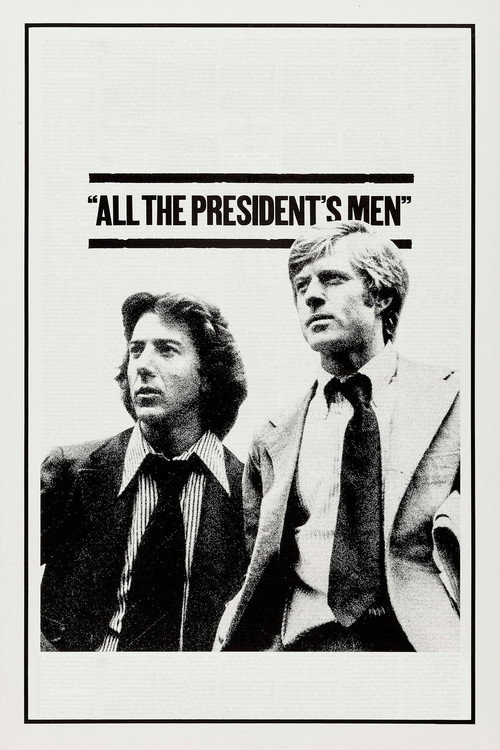
All the President's Men1976
Woodward and Bernstein chase Nixon through the Washington Post. The granddaddy of newsroom thrillers. It has the same DNA as Truth—meticulous investigation, mounting pressure, power structures fighting back—but with the satisfaction of a story that lands.
But The pacing is deliberate and 1970s-formal. If you want immediate gratification or modern filmmaking syntax, this feels austere.
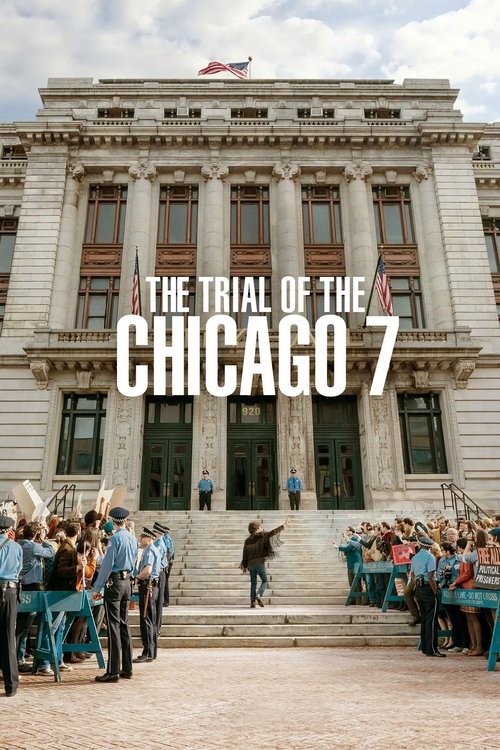
The Trial of the Chicago 72020
Aaron Sorkin's courtroom ensemble about the 1968 Democratic Convention protests. Blistering dialogue, moral stakes that won't quit, and a cast firing on all cylinders. It has Truth's intensity about institutions under strain and truth under siege.
But Sorkin's stylization is pronounced—everyone talks in rhythm and quips, which some find mannered. The messaging can feel didactic.
Not sure tonight? Get a pick in a minute, starting from Truth
The wildcard
Something you would not have found on your own.
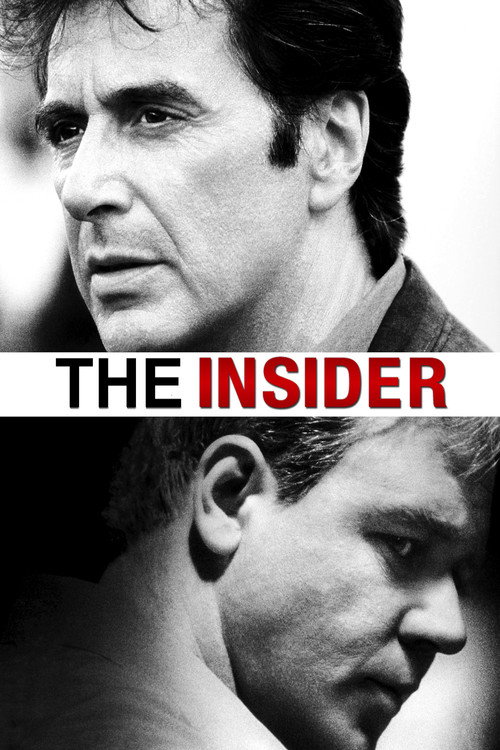
The Insider1999
Both track a 60 Minutes story colliding with institutional power. The Insider shows what a story looks like when the source holds firm; Truth shows what happens when documents crumble. They complete each other.
Michael Mann's four-hour epic about a tobacco whistleblower and the 60 Minutes producer who wants to tell his story. Same network, same ethical terrain, completely different scope. Visually baroque where Truth is restrained. A moral companion piece about what happens when institutions protect themselves.
But It's exhaustingly long and emotionally punishing. Mann's style is baroque and overwhelming. Not for viewers who need resolution.
More like this (8)
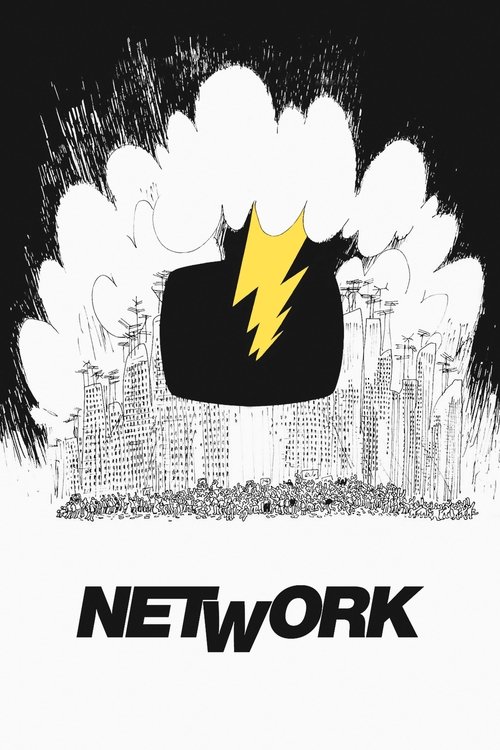
Network1976
Satirical rage about news as commodity, institutional decay, and complicity. Paddy Chayefsky's script is a scalding masterpiece. It's about the same world as Truth but from the opposite angle—the system eating itself from profit-motive rot rather than external pressure.
But It's a caricature by design, so if you go in expecting naturalism you'll bounce off. Also deeply depressing.
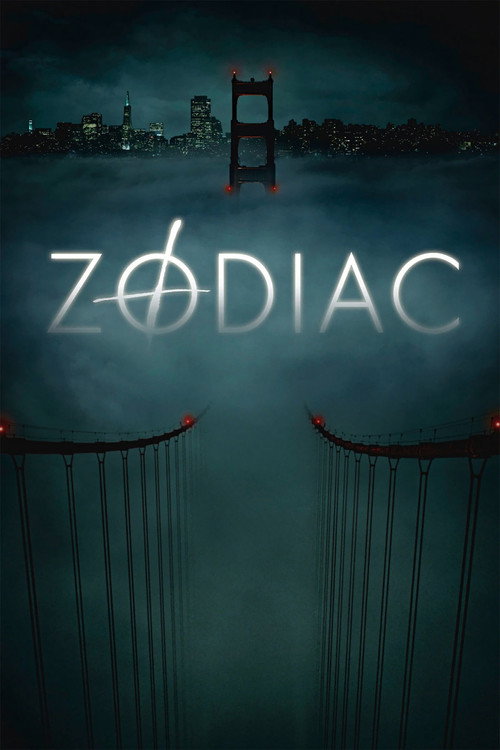
Zodiac2007
Fincher's obsessive thriller about obsessive investigators chasing a serial killer through procedural impossibility. It has Truth's architecture—mounting sources, contradictions, institutional walls—but applied to crime. Hypnotic and relentless.
But It's three hours of smart people failing in slow motion. No catharsis. If you need narrative momentum or a triumphant ending, stay away.
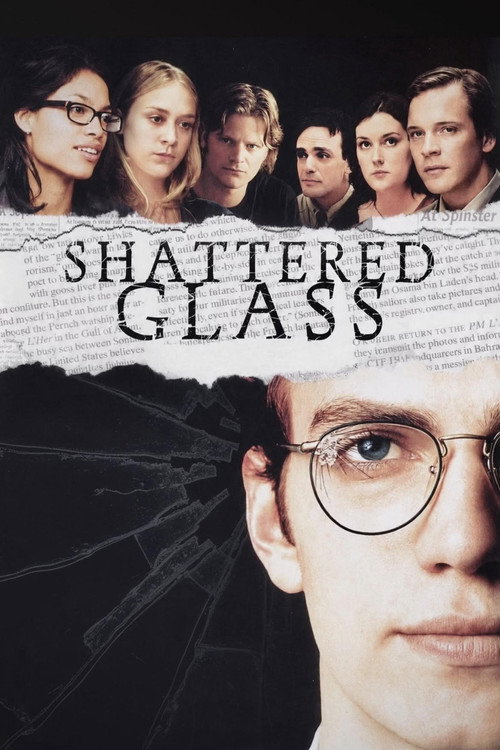
Shattered Glass2003
Stephen Glass's fabrications at The New Republic exposed. Taut, claustrophobic, morally harrowing. A direct sibling to Truth—same era, same world, same topic of journalistic integrity collapsing. Hayden Christensen is chilling.
But The ambient dread is oppressive. It's about humiliation and institutional failure with no redemption angle. Not a fun watch.
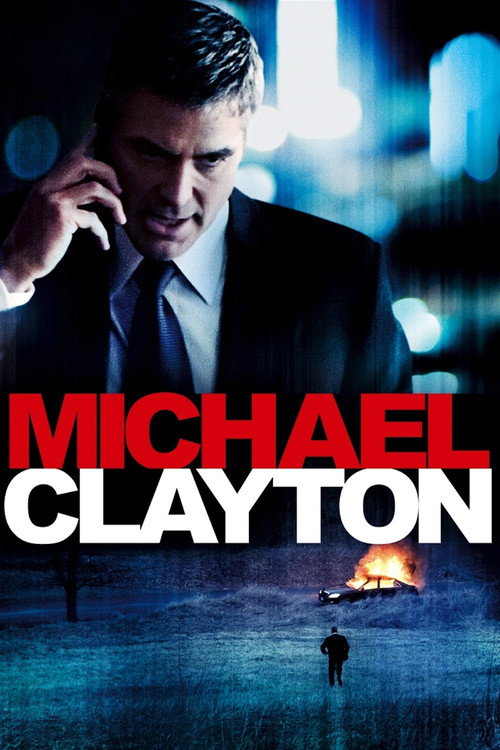
Michael Clayton2007
Tilda Swinton and George Clooney in a legal thriller about documents, power, and one man against institutional machinery. It has Truth's architecture of investigation, pressure, and the discovery that you're complicit in something.
But It's slower than its premise suggests. The third act reasoning is byzantine and some find it underwhelming.
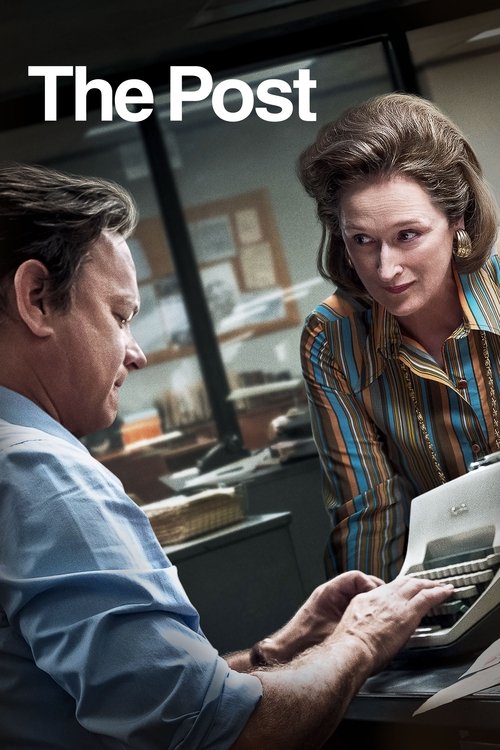
The Post2017
Spielberg's brisk story about the Washington Post deciding to publish the Pentagon Papers. Streep and Hanks, the machinery of institutional journalism, government vs. press. High stakes, well-paced, and directly about the territory Truth explores.
But It's more celebratory than interrogative. If you want moral messiness, Truth is more interesting about institutional failure.
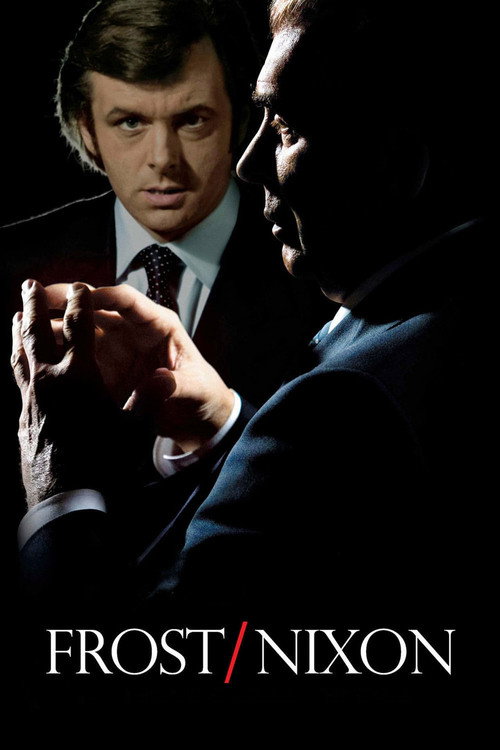
Frost/Nixon2008
Ron Howard's well-crafted cat-and-mouse between interviewer and president over Watergate. David Frost closes in through interviews and preparation. It's got Truth's DNA—the hunt, the pressure, the sense of something big about to crack—though more theatrical.
But The staginess doesn't always lift. Some find the outcome predictable and the dramatic tension overcooked.
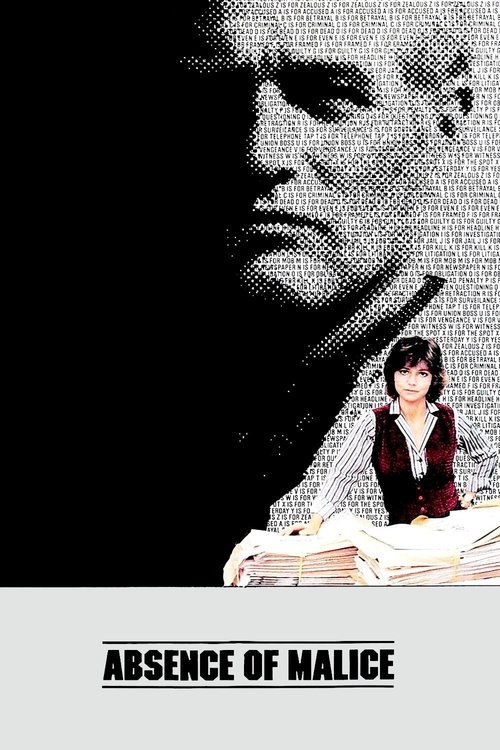
Absence of Malice1981
Where Truth asks 'Can we trust institutions?' Absence of Malice asks 'What do we owe the people our stories harm?' Same world, opposite direction of moral inquiry.
Sally Field's journalist writes a story that destroys an innocent man. A moral inversion of Truth—focused on journalism's collateral damage rather than institutional politics. Precise, deeply thoughtful, and Paul Newman in one of his finest performances.
But It's a quieter film with a slower burn. The tone is melancholic and accusatory rather than propulsive. Modern audiences often find it dated or thin.
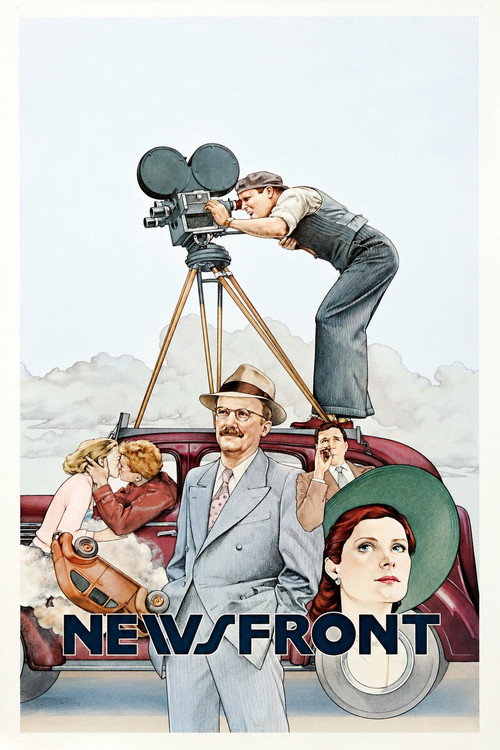
Newsfront1978
Both are about the people behind journalism and the small compromises that compound over time. Truth shows the rupture; Newsfront shows the slow erosion that made rupture inevitable.
Australian film about newsreel cinematographers across post-war decades—the infrastructure and people behind journalism you never see. Gorgeous, tactile, achingly human. It sits in the same ethical space as Truth but from inside the machinery, showing craft and compromise across time rather than one moment of crisis.
But Quiet and elegiac rather than tense. Australian film from 1978, so it requires patience with pacing and a willingness to sit with melancholy. No climactic scene, just the weight of accumulated choices.
People
Cast
 Cate BlanchettMary Mapes
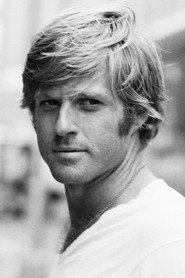 Robert RedfordDan Rather
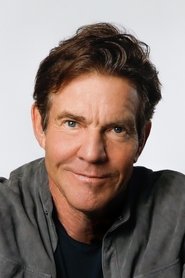 Dennis QuaidLt. Colonel Roger Charles
 Elisabeth MossLucy Scott
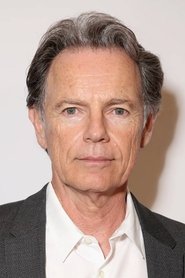 Bruce GreenwoodAndrew Heyward
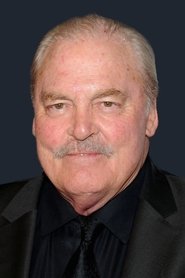 Stacy KeachLt. Colonel Bill Burkett
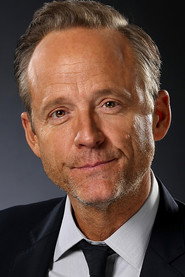 John Benjamin HickeyMark Wrolstad
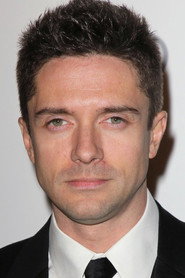 Topher GraceMike Smith
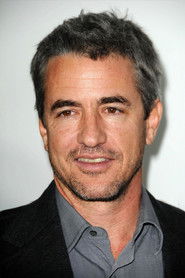 Dermot MulroneyLawrence Lanpher
 David LyonsJosh Howard
 Rachael BlakeBetsy West
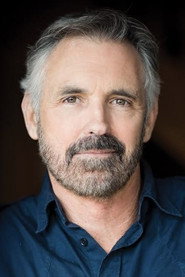 Andrew McFarlaneDick Hibey
Directing
- James VanderbiltDirector
- Steve E. AndrewsFirst Assistant Director
- Sophie Fabbri-JacksonScript Supervisor
- Emma JamvoldSecond Assistant Director
- Matthew WebbThird Assistant Director
Writing
- Mary MapesBook
- James VanderbiltScreenplay
Production
- John PapsideraCasting
- Nikki BarrettCasting
- Natalie WallCasting Associate
- Alaric MacAuslandCo-Producer
- Martin CohenCo-Producer
- Antonia BarnardExecutive Producer
- James PackerExecutive Producer
- Mikkel BondesenExecutive Producer
- Neil TabatznikExecutive Producer
- Steven SilverExecutive Producer
- James MacBethExtras Casting
- Jeanette StephenExtras Casting Assistant
- Matthew BeardsleyExtras Casting Coordinator
- Lauren CooperLocation Manager
- Mary BarltropLocation Manager
- Andrew SpauldingProducer
- Bradley J. FischerProducer
- Brett RatnerProducer
- Doug MankoffProducer
- James VanderbiltProducer
- William SherakProducer
- James BramleyProduction Accountant
- Luke DunhamProduction Secretary
- Alexandra TaussigUnit Production Manager