
Film
The Changeling
Other titles called The Changeling: the 2023 series (Apple TV).
A composer haunted by personal tragedy rents a grand Seattle mansion and discovers it harbors secrets far darker than his own grief. This is a ghost story built on architectural dread and genuine shocks, where the house itself becomes a character—creaking, groaning, relentlessly present. For anyone who loves slow-burn horror that trusts atmosphere over gore.
Should you watch it?
Watch it if you enjoy slow, grief-soaked ghost stories where the dread builds through quiet investigation of a house's past, and a lead performance carries nearly every scene.
Skip it if you need brisk scares or a lot of gore, since this moves at a deliberate pace and leans on atmosphere and unease rather than jump moments.
What it asks of you: Patience across its 107 minutes, with scenes left to linger in cold, empty rooms, and close attention to small details rewarded over quick plot shortcuts.
Not sure? Find tonight's pick in a minute.
If you liked this
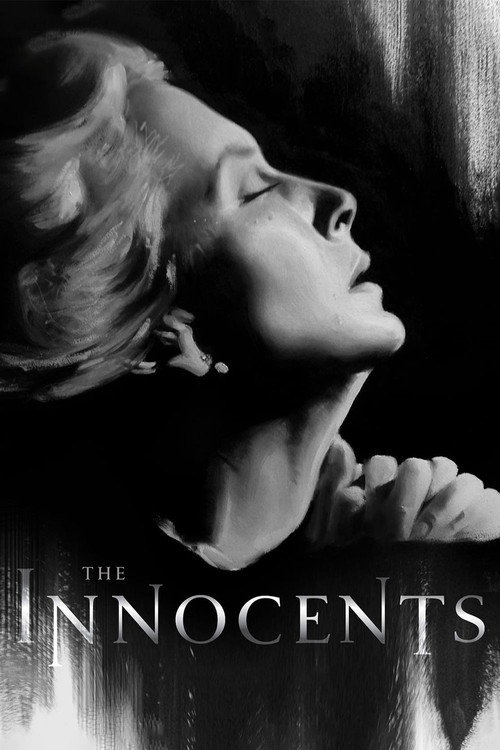
The Innocents1961
A governess isolated in a manor with two children encounters ambiguous supernatural events that blur the line between genuine hauntings and psychological unraveling. Masterfully unsettling in its refusal to confirm what's real.
But The pacing is glacial and the ambiguity frustrates viewers who want definitive answers about whether the ghosts actually exist.
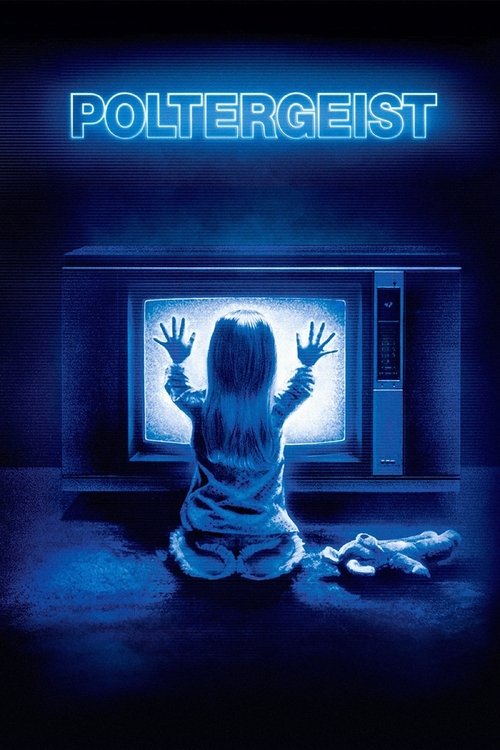
Poltergeist1982
A family's suburban home becomes a battleground with malevolent forces. Spielberg's production design and Tobe Hooper's direction create visceral, imaginative scares that still land hard. Pure craft in service of genuine dread.
But The special effects look dated now, and the tonal shifts between family comedy and terror can feel jarring if you're seeking sustained atmosphere.
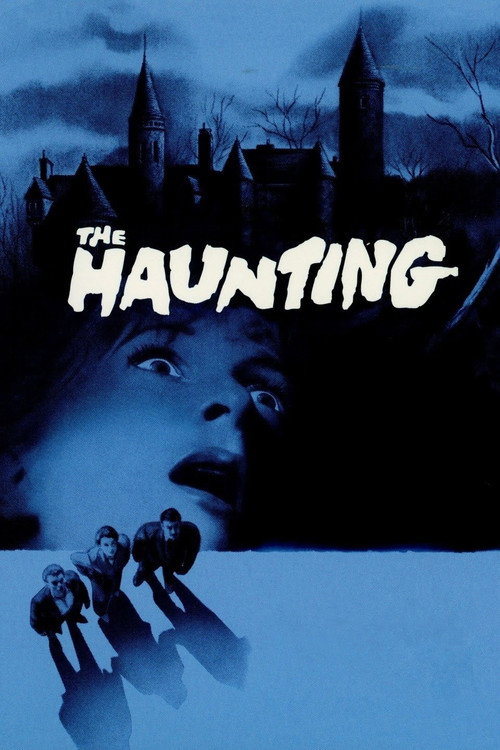
The Haunting1963
Four people investigate a sprawling, geometrically wrong mansion while its architecture seems to actively resist their presence. Robert Wise constructs horror entirely from suggestion, sound design, and the actors' terror—nothing is shown, everything is felt.
But It's entirely dependent on your willingness to find dread in shadows and creaks. If you need explicit scares, this will feel frustratingly restrained.
Not sure tonight? Get a pick in a minute, starting from The Changeling
The wildcard
Something you would not have found on your own.
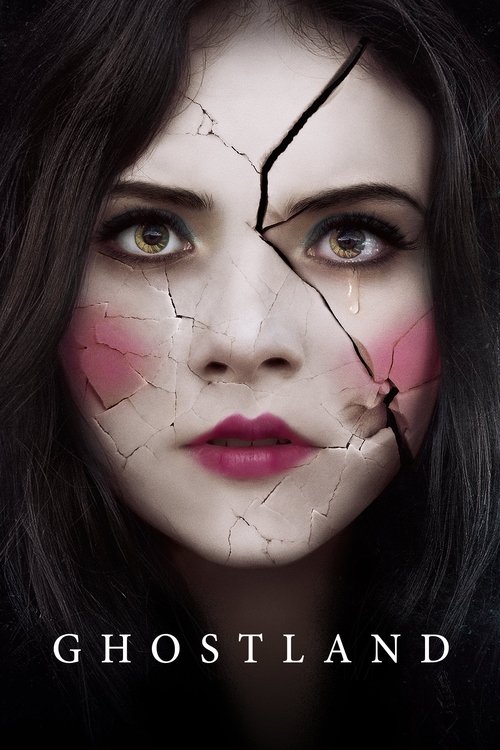
Ghostland2018
Both films embed their hauntings within profound personal tragedy, making the house a manifestation of what the protagonist has already survived rather than simply a location that happens to be haunted.
Two sisters survive a violent home invasion, then return years later to face what—or who—still lurks there. Pascal Laugier transforms the haunted house into a psychologically fractured fever dream where trauma and supernatural terror become indistinguishable. Visceral, disorienting, genuinely unsettling.
But It's graphically violent in ways that upset some viewers, the narrative deliberately fragments in the final act, and it's far more interested in psychological breakdown than conventional scares.
More like this (7)
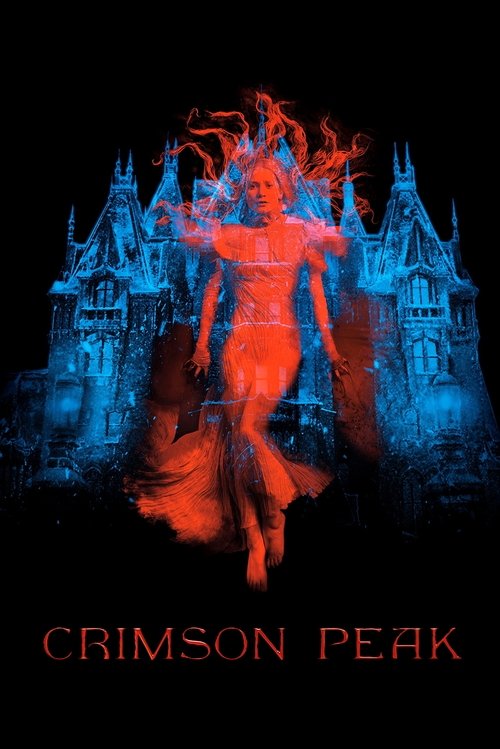
Crimson Peak2015
A widow discovers her new Gothic mansion harbors a gruesome secret tied to its previous inhabitants. Guillermo del Toro merges romance, mystery, and horror with sumptuous production design and genuine shocks that respect the viewer's intelligence.
But It leans heavily on visual spectacle and melodrama. Some find del Toro's aesthetic overwhelming, and the plot mechanics are deliberately old-fashioned.
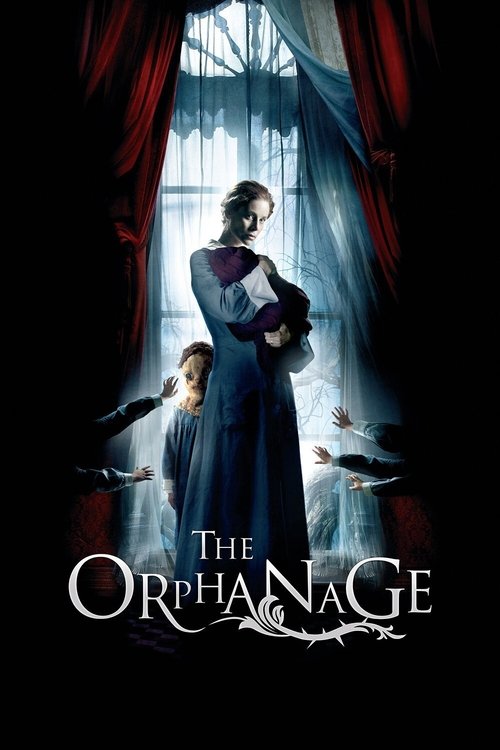
The Orphanage2007
A woman reopens an abandoned orphanage where she spent her childhood, and strange occurrences suggest the building itself remembers what happened there. Spanish director Juan Antonio Bayona creates escalating dread with a twist that recontextualizes everything.
But It requires patience through a slow first half, and the ending's emotional weight lands differently depending on your tolerance for tragic reframes of horror.
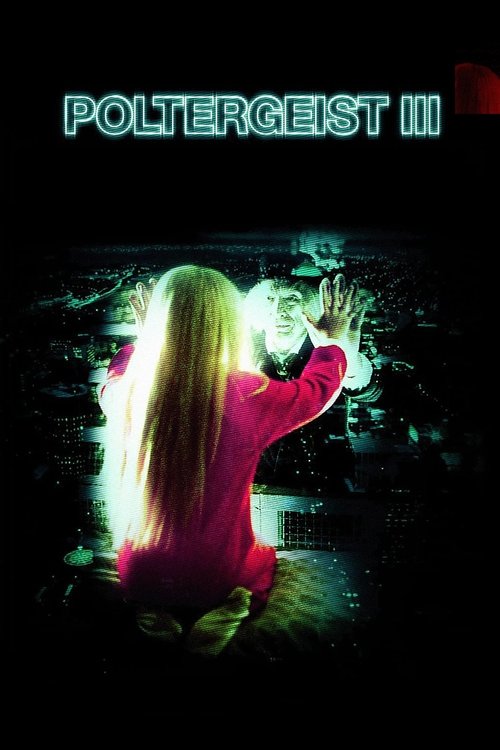
Poltergeist III1988
A teenage girl encounters supernatural forces in a high-rise apartment complex that becomes a labyrinth of mirrors and reflections. It's visually inventive and takes full advantage of its vertical setting in ways the earlier films don't attempt.
But It's the third film in a franchise and works harder to please with spectacle than coherence. Tonal consistency falls apart in places.
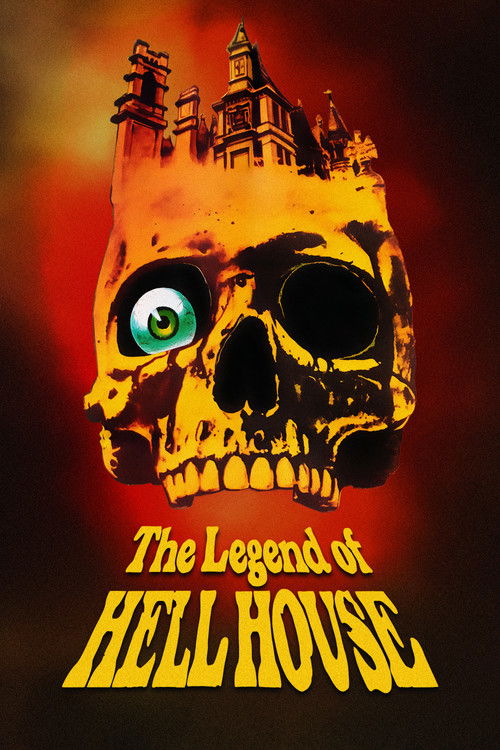
The Legend of Hell House1973
A team of paranormal investigators spends a week in a mansion allegedly hosting the most powerful haunting in history. Matthew L. Wiseman brings scientific inquiry to ghost-hunting, adding intellectual tension to the atmospheric scares.
But The pacing sags in the middle, and by modern standards the special effects read as quaint rather than frightening.
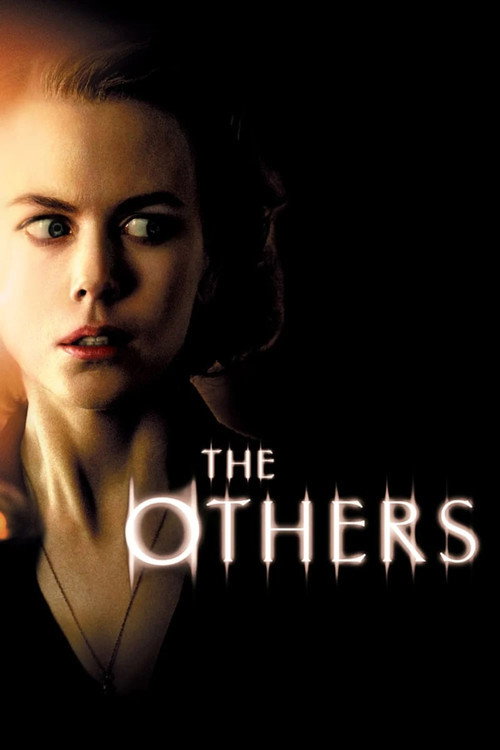
The Others2001
A woman and her children inhabit a fog-shrouded mansion after WWII, encountering mysterious presences in empty rooms. Amenábar sustains unbearable tension through misdirection and a third-act twist that demands immediate rewatching.
But If you've heard the twist beforehand, the film's entire strategy collapses. Rewatching reveals some contrivances that hurt the logic.
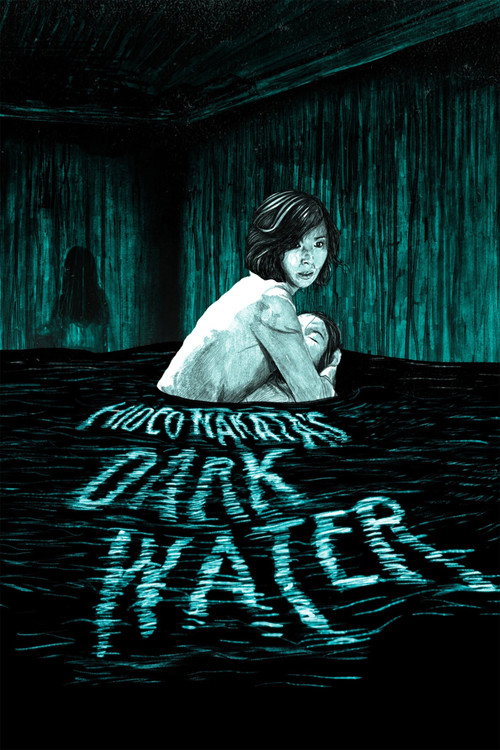
Dark Water2002
A mother and daughter move into a deteriorating apartment building where water seeps through walls and something malevolent dwells in the darkness above. Hideo Nakata mines domestic anxiety and parental desperation for genuine horror tied to very human stakes.
But It's deliberately mundane and slow-moving, and the threat operates more on mood than plot momentum. Long stretches feel more melancholic than scary.
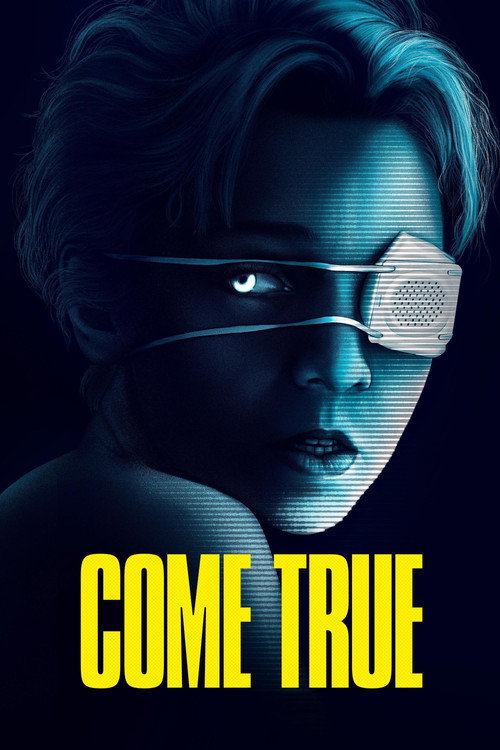
Come True2020
Like The Changeling, it treats the supernatural not as external evil but as a manifestation of psychological fracture and unprocessed trauma, using genre mechanics to explore grief and displacement rather than mere scares.
A homeless teenager participates in a sleep study at a university facility and begins experiencing terrifying visions that may be part of an experiment or may be something far worse. It's shot in washed-out digital video that feels authentically dreamy and off, building dread through disorientation rather than jump scares.
But The narrative is deliberately vague, the pacing is hypnotic rather than propulsive, and the film prioritizes mood over plot clarity. It feels more like a fever dream than a traditional horror film.
People
Cast
 George C. ScottJohn Russell
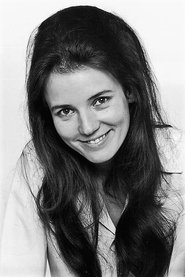 Trish Van DevereClaire Norman
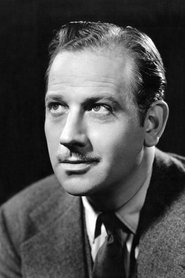 Melvyn DouglasSenator Carmichael
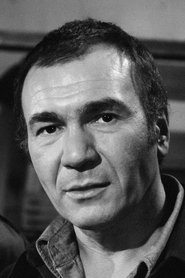 John ColicosCaptain DeWitt
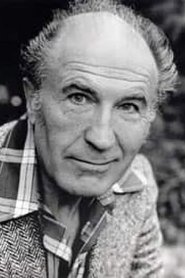 Barry MorseParapsychologist
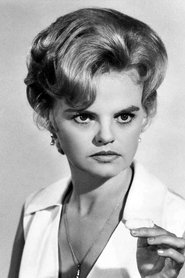 Madeleine SherwoodMrs. Norman
- Helen BurnsLeah Harmon
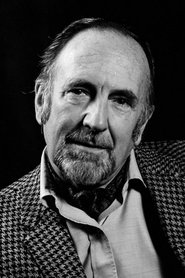 Eric ChristmasAlbert Harmon
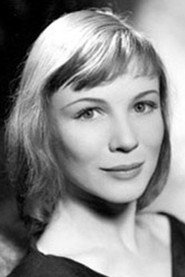 Frances HylandMrs. Grey
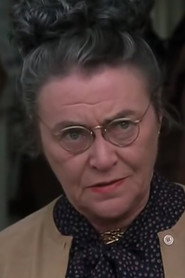 Ruth SpringfordMinnie Huxley
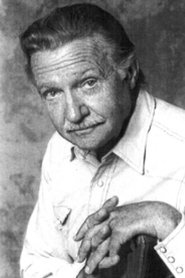 James B. DouglasEugene Carmichael
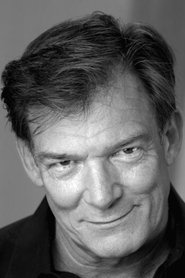 J. Kenneth CampbellSecurity Guard
Directing
- Peter MedakDirector
Writing
- Diana MaddoxScreenplay
- William GrayScreenplay
- Russell HunterStory
Production
- Barbara ClamanCasting
- Geri WindsorCasting
- Andrew G. VajnaExecutive Producer
- Mario KassarExecutive Producer
- Garth DrabinskyProducer
- Joel B. MichaelsProducer
- James MargellosProduction Manager
Recommended by
The Stone Tape, Session 9, The Amityville Horror, The Skeleton Key, The Watcher in the Woods, The Little Girl Who Lives Down the Lane, The Witch in the Window, The Woman in Black, Red Shift, Full Circle, A Place of One's Own, An American Haunting, Night of the Eagle, The Winter's Tale, Haunted, Ghost Story, Fiend