
Film
Night of the Eagle
A college professor discovers his wife is a practicing witch and forces her to abandon her craft—only to find himself inexplicably plagued by a supernatural force he doesn't understand. This tense British horror film builds dread through atmosphere and suggestion rather than spectacle, favoring psychology over gore. It's for viewers who prefer their scares cerebral and their evil ambiguous.
If you liked this
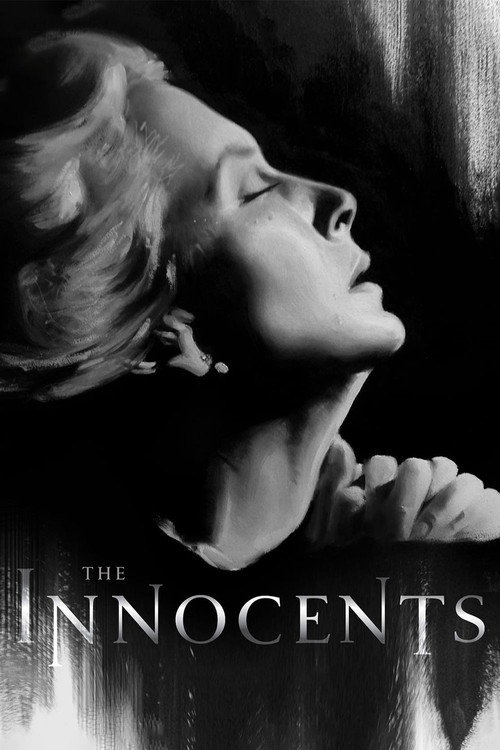
The Innocents1961
A governess questions whether the children in her care are haunted by supernatural forces or whether her own mind is betraying her. Features the same restrained, psychologically complex approach to horror—dread born from uncertainty rather than monsters.
But Glacially paced by modern standards, and the ambiguity some find brilliant, others find frustrating and inconclusive.
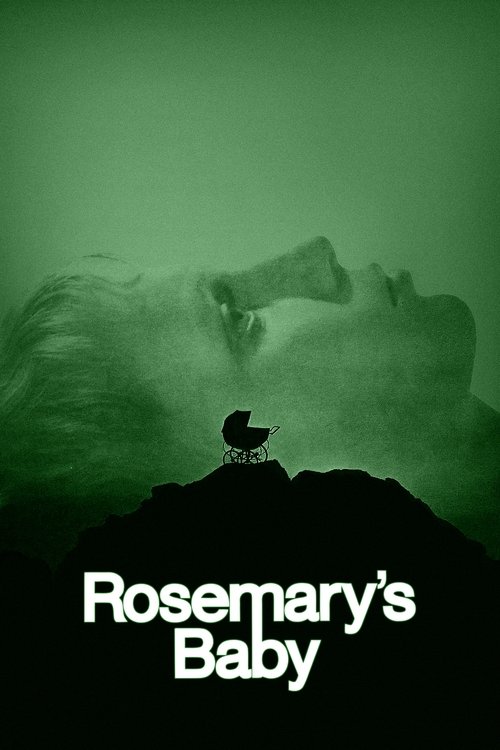
Rosemary's Baby1968
A young woman's paranoia about a conspiracy surrounding her pregnancy escalates into full-blown nightmare. Both films hinge on a protagonist isolated by disbelief, watching reality slip into something darker and more sinister.
But The pace is deliberately slow, and the film's power depends entirely on your investment in Rosemary's psychological unraveling.
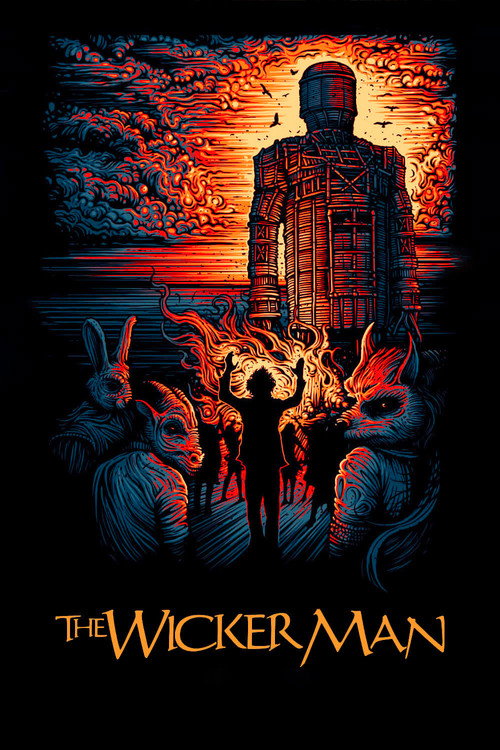
The Wicker Man1973
A police sergeant arrives on a remote Scottish island to investigate a missing child and stumbles into a pagan society with its own terrible logic. Like Night of the Eagle, it treats folk belief as genuinely consequential rather than quaint backdrop.
But The ending is bleak and doesn't offer the catharsis some viewers need. Some find the folk-horror aesthetic dated rather than atmospheric.
Not sure tonight? Get a pick in a minute, starting from Night of the Eagle
The wildcard
Something you would not have found on your own.
Stalker1979
Both treat the supernatural not as plot device but as a genuinely incomprehensible intrusion on rational order—the real horror is discovering the world doesn't work the way you thought.
Three men journey through a mysterious zone toward a room said to grant wishes. Like Night of the Eagle, it's obsessed with invisible forces, the limits of human understanding, and the terrifying possibility that you can't protect yourself through knowledge or will alone.
But Soviet science-fiction meditation, not action film. Runs 163 minutes of philosophical discussion and long takes. Patience required.

More like this (8)
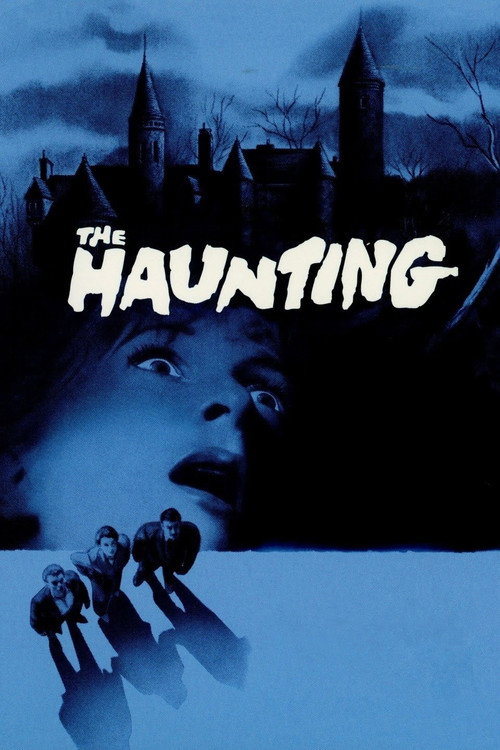
The Haunting1963
Psychologist investigates a supposedly haunted house with a vulnerable woman whose own perceptions become increasingly unstable. Both films blur the line between supernatural and psychological horror with elegant restraint and genuine unease.
But Nothing explodes or jumps at you. If you need visceral scares or clear-cut explanations, this will feel slow and evasive.
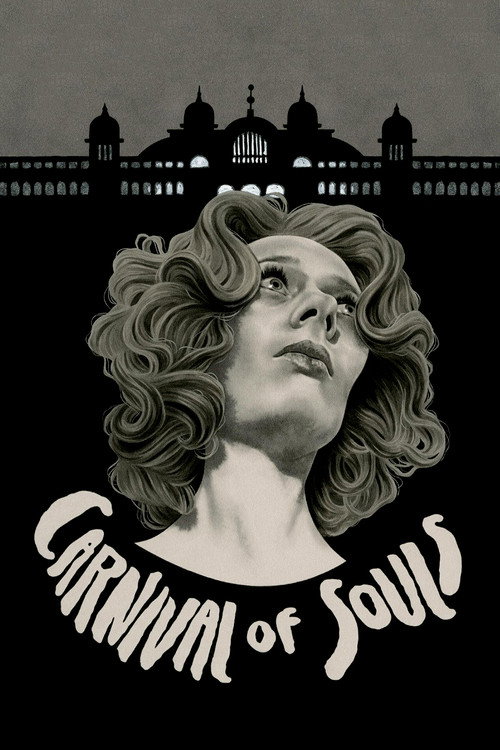
Carnival of Souls1962
A woman survives a car accident and is gradually consumed by a sense of wrongness—abandoned by the living world, drawn toward something else. Shares Night of the Eagle's willingness to let dread accumulate without spelling everything out.
But Low-budget limitations show in the acting and effects. The dreamlike tone alienates viewers expecting conventional narrative logic.
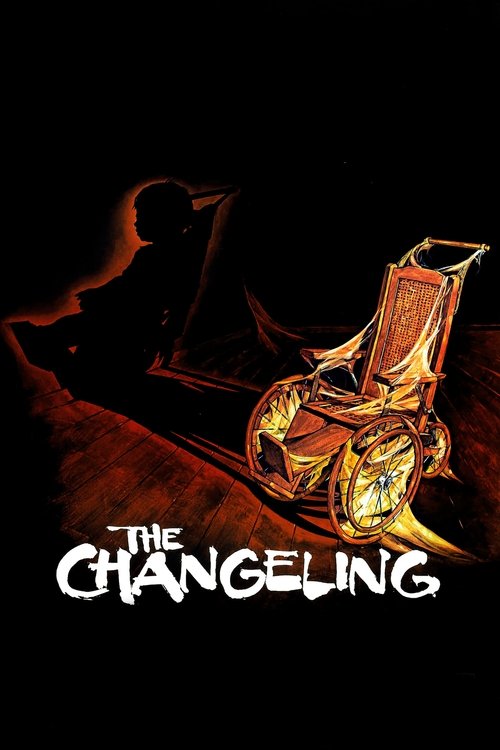
The Changeling1980
A man rents a haunted mansion and discovers the house is protecting a secret. Features the same tension between skepticism and mounting evidence that makes Night of the Eagle compelling.
But The final act tips toward conventional ghost-story beats. Some find the special effects of the era distracting rather than frightening.
The Seventh Seal1957
A knight plays chess with Death itself. While not horror in the traditional sense, it shares Night of the Eagle's fascination with invisible, inexorable forces and the powerlessness of rational resistance.
But Highly philosophical and meditative. If you're watching for plot momentum, you'll find it sparse and deliberately evasive.

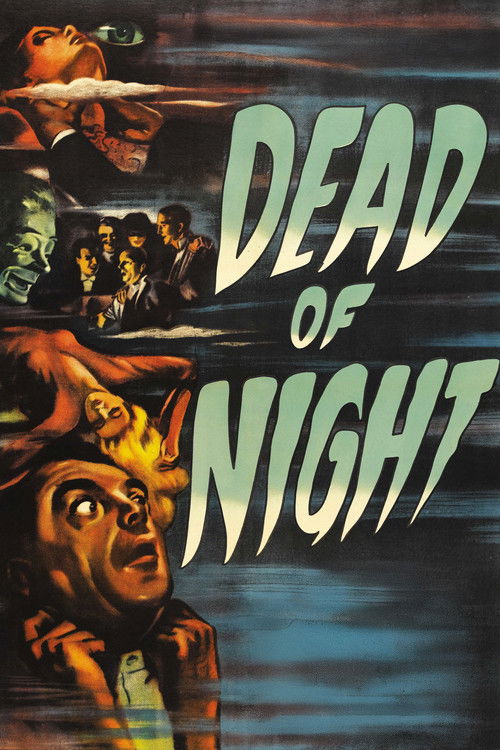
Dead of Night1945
A collection of interlocking ghost stories that build toward a nightmarish twist. British, restrained, and willing to let ambiguity do the heavy lifting—the spiritual ancestor of everything Night of the Eagle does well.
But As an anthology, it feels episodic, and some segments land better than others. The dated production values won't feel atmospheric to everyone.
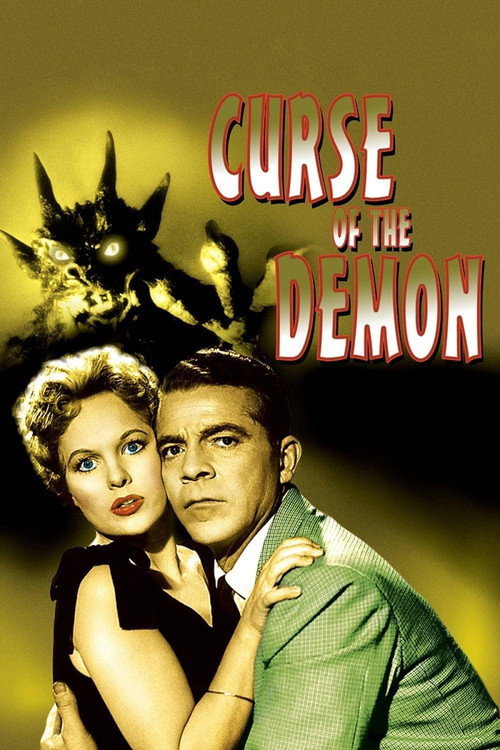
Night of the Demon1957
A skeptical psychologist investigates occult murder and finds himself targeted by a supernatural curse. Taps the same vein of rational man versus invisible malevolence that drives Night of the Eagle.
But Shows its age in pacing and effects. The tonal shifts between mystery and horror can feel uneven.
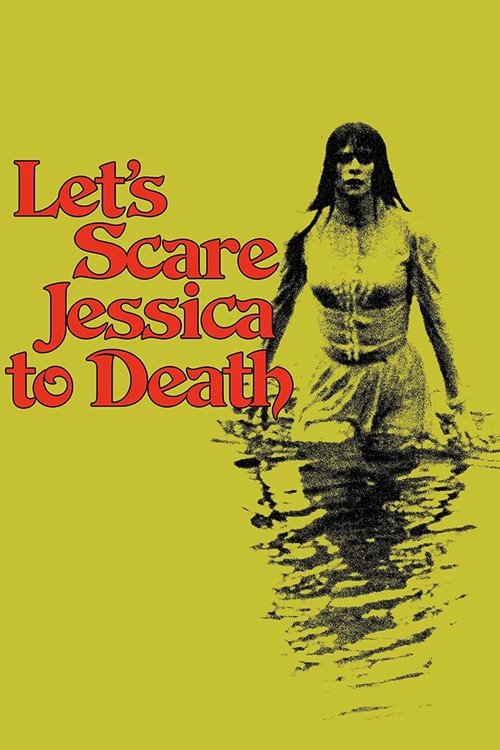
Let's Scare Jessica to Death1971
Both pivot on the unreliability of the protagonist's perception and the terrifying possibility that rational people around you might be right to dismiss your warnings.
A woman recovering from a breakdown moves to an isolated farmhouse and becomes convinced she's being targeted by supernatural forces—or is her mind fragmenting again? The same queasy uncertainty as Night of the Eagle, but filtered through 1970s American folk-horror sensibility.
But Rough around the edges, with performances that are uneven. The budget shows, and the narrative stays deliberately murky in ways some find unsatisfying.
Suspiria1977
Both center on a protagonist who grasps the truth about witchcraft too late, and the film itself is structured as an inescapable trap—once you see it, you can't unsee it.
A dancer arrives at a prestigious ballet academy and discovers it's run by a coven of witches. Pure nightmare logic and aesthetic rather than plot—but like Night of the Eagle, it treats witchcraft as real, consequential, and absolutely unstoppable.
But Dario Argento's giallo excess means it's visually overwhelming, operatically violent, and structured more like a fever dream than a story. The opposite of Night of the Eagle's restraint.

People
Cast
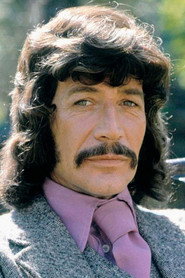 Peter WyngardeNorman Taylor
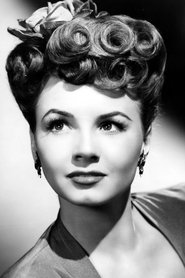 Janet BlairTansy Taylor
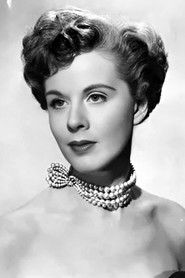 Margaret JohnstonFlora Carr
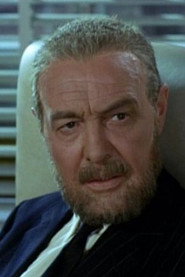 Anthony NichollsHarvey Sawtelle
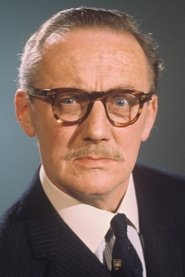 Colin GordonLindsay Carr
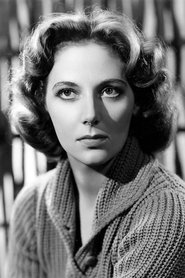 Kathleen ByronEvelyn Sawtelle
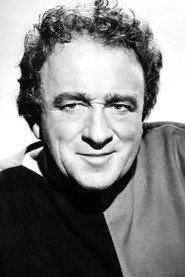 Reginald BeckwithHarold Gunnison
- Jessica DunningHilda Gunnison
 Norman BirdDoctor
- Judith StottMargaret Abbott
 Bill MitchellFred Jennings
 Paul FreesPrologue Narrator (voice) (uncredited)
Directing
- Sidney HayersDirector
Writing
- Fritz Leiber Jr.Novel
- Charles BeaumontWriter
- George BaxtWriter
- Richard MathesonWriter
Production
- Albert FennellProducer
- Samuel Z. ArkoffProducer