
Film
Dracula: Prince of Darkness
- Horror
- Dark fantasy
- Very dark
Terence Fisher's 1966 Dracula resurrects the Count through blood ritual and baroque excess. Christopher Lee embodies pure predatory evil—elegant, unstoppable, almost abstract in his malevolence. The film moves with operatic dread, trading jump scares for atmosphere and slow-burn dread. It's sumptuous horror for viewers who love color, style, and a vampire who feels genuinely dangerous rather than misunderstood.
Should you watch it?
Watch it if you want gothic Hammer horror with lush colour, a sneering Christopher Lee and slow-building dread that favours atmosphere over jump scares.
Skip it if you find the 1960s studio look stagey, or the Count's largely wordless menace too thin to carry ninety minutes when the film leans on mood over character.
What it asks of you: A brisk ninety minutes that spends its time building mood and set-piece atmosphere, with the patience to let a frightening scene unspool rather than rushing to the next scare.
Not sure? Find tonight's pick in a minute.
If you liked this
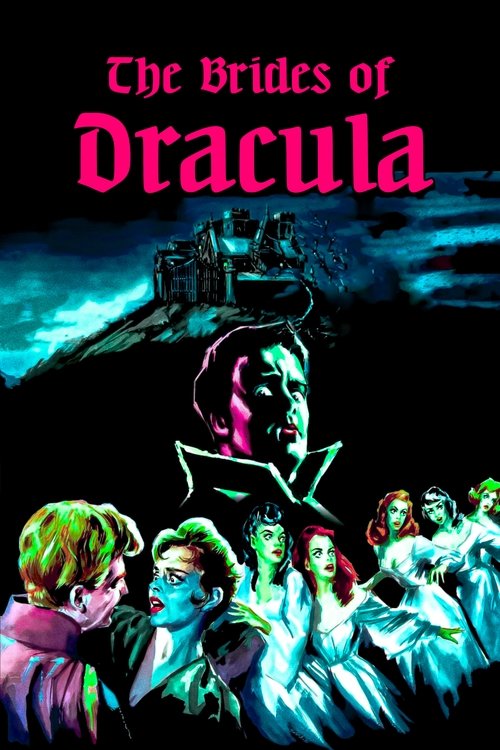
The Brides of Dracula1960
Fisher's earlier Dracula sequel without Lee, but equally lush and atmospheric. Peter Cushing's Van Helsing is magnificent, and the film explores the vampire curse with genuine theological dread. A perfect companion piece.
But The pacing is slower than modern horror, and without Lee's presence the film relies entirely on mood and Cushing's conviction to carry it. Some find it static.
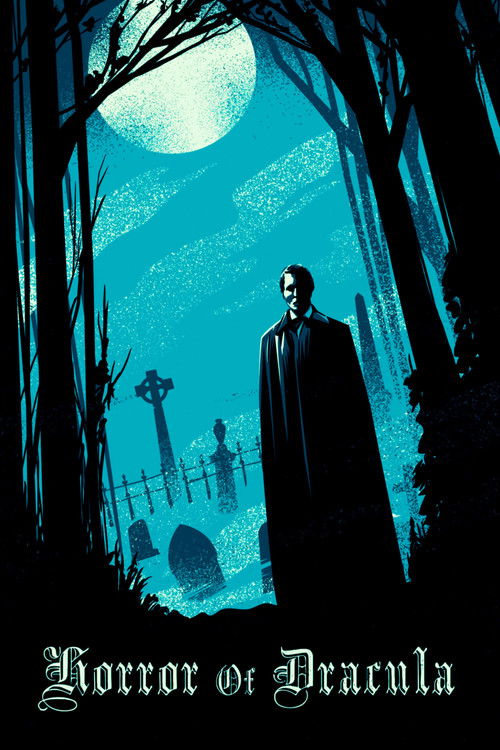
Dracula1958
The first of Fisher's Dracula films and the one that defined Hammer's approach. Lee's debut as the Count is electric—passionate, physical, genuinely seductive. It's where this visual language was perfected.
But Colored blood and Gothic melodrama feel quaint to modern eyes. The gender politics are very 1950s, and some find the romance subplot overshadows the horror.
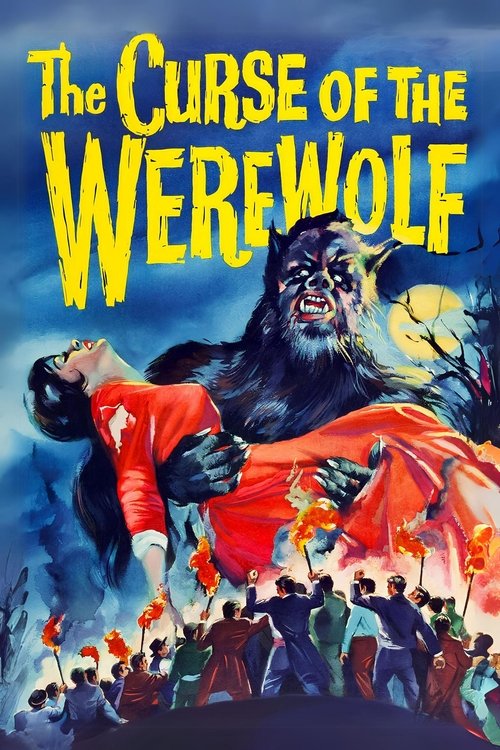
The Curse of the Werewolf1961
Another Fisher-Lee collaboration with the same Technicolor Gothic opulence. It's a tragedy dressed as horror—genuinely moving beneath the fangs and fur. Proves Fisher's range beyond Dracula.
But The film is more melancholy than thrilling, and the pacing can feel glacial. The werewolf transformation effects are primitive, which breaks the mood for some.
Not sure tonight? Get a pick in a minute, starting from Dracula: Prince of Darkness
The wildcard
Something you would not have found on your own.
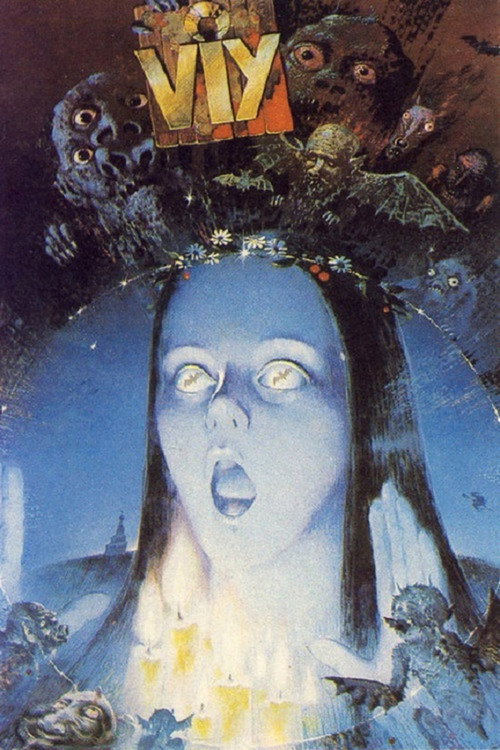
Viy1967
Both films understand that vampirism and possession are fundamentally about bodily violation and the loss of will. Both use color and composition to make evil visible. Both take the supernatural as absolute—no skepticism, no rationalization, just dread.
Kyrill Larionov's Soviet interpretation of Gogol's supernatural tale. A priest must perform a three-day vigil over a possessed corpse. The final act is a masterpiece of hallucinatory dread—creatures crawling from darkness, impossible geometry, pure nightmare logic. It's the equal of any Hammer film aesthetically but from a completely different tradition.
But The Soviet dubbing is rough, the pacing meanders in the first half, and the supernatural elements operate on dream-logic rather than narrative sense. The cultural context is unfamiliar to most Western viewers.
More like this (8)
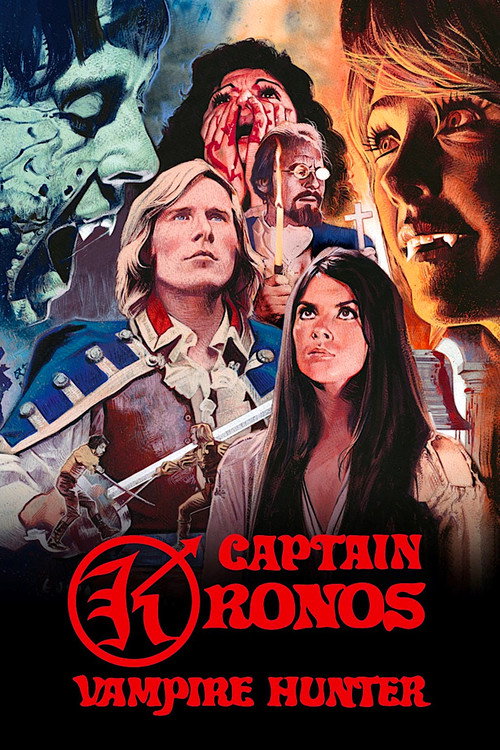
Captain Kronos: Vampire Hunter1973
Brian Clemens' late-period Hammer film that reinvents the vampire mythology as swashbuckling adventure. It's weird, colorful, and genuinely fun—proof Hammer could still surprise after decades of Dracula.
But The tone is uneven; it doesn't know if it's action film or horror. Some sequences feel cheap, and the plot mechanics require real suspension of disbelief.
Suspiria1977
Dario Argento's masterpiece of pure atmosphere and dread. No plot, no character development—just color, music, and the sense of being hunted by something incomprehensible. Horror as sensory experience rather than narrative.
But The dialogue is wooden and the story barely exists. If you need plot coherence or relatable characters, this will frustrate you. It's all aesthetic, all the time.

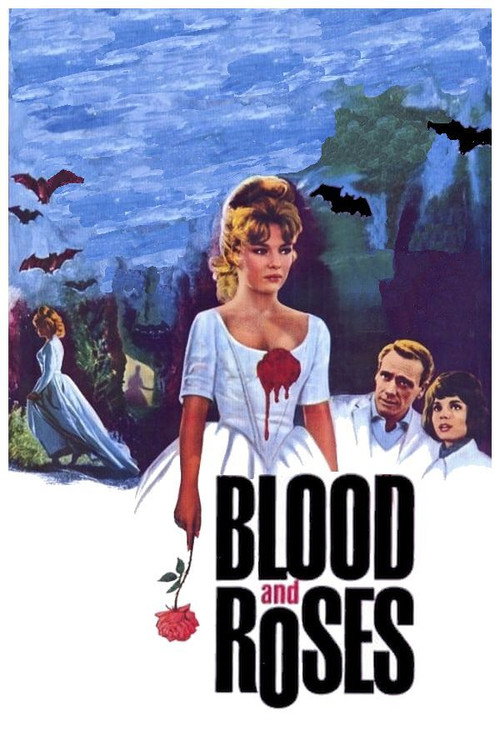
Blood and Roses1960
Roger Vadim's elegant, erotic take on vampire mythology. It's more interested in obsession and forbidden desire than gore. Mel Ferrer and Annette Vadim are hypnotic, and the film moves like a fever dream.
But The narrative is deliberately fragmented and dream-logic. If you want clarity or conventional horror, you'll find it insufferably arty. The eroticism feels dated now.
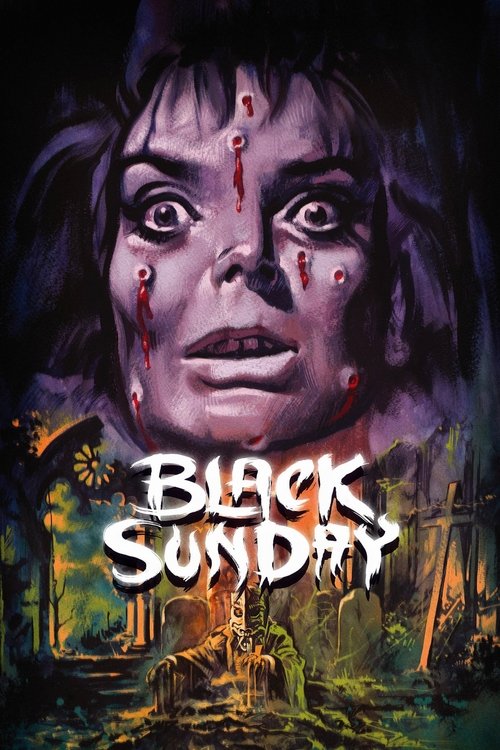
Black Sunday1960
Bava's baroque nightmare: a witch returns from the grave to seduce and destroy. The black-and-white cinematography is extraordinary—every frame is shadow and texture. Pure Gothic visual poetry in motion.
But The dubbing is distracting, the plot is threadbare, and the pacing is glacial even by 1960s standards. Character motivation barely exists; you're watching atmosphere, not story.
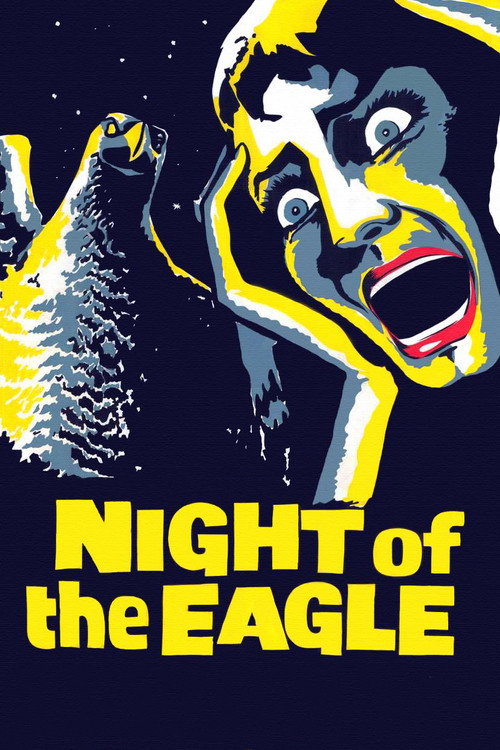
Night of the Eagle1962
British psychological horror about witchcraft and paranoia on a college campus. It's subtle and clever, building dread through suggestion rather than spectacle. Genuinely unsettling in ways modern horror struggles to achieve.
But Nothing visually spectacular happens until the final act. The film's power lies in creeping unease, which means long stretches of talking will bore viewers accustomed to constant stimulation.
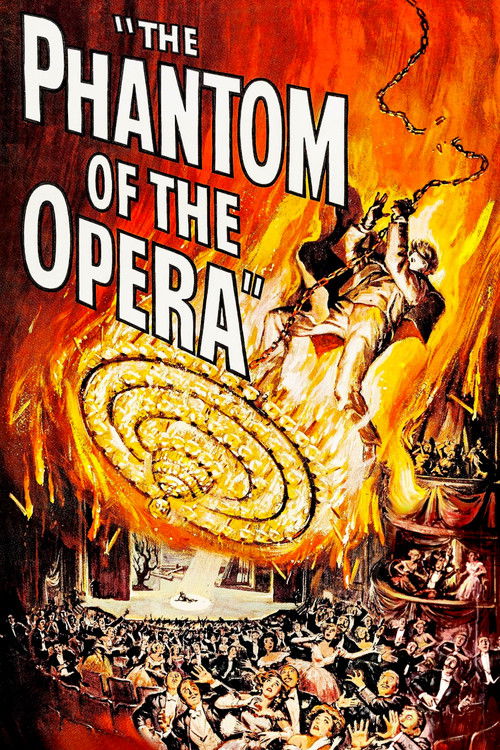
The Phantom of the Opera1962
Another Fisher collaboration with Lee in the title role. It's Hammer's most ambitious production—expensive, elaborate, visually sumptuous. The film treats the monster with genuine sympathy beneath the Gothic grandeur.
But The musical numbers feel intrusive and date the film badly. Lee is sidelined for long stretches, and the romance plot overwhelms the horror elements. It's more melodrama than terror.
The Wailing2016
Like Prince of Darkness, The Wailing uses religious faith as the narrative's spine, pitting belief against corruption. Both films stage evil as seduction and contagion. Both treat horror as a problem of conviction—what do you actually know, and what do you choose to believe?
Na Hong-jin's three-hour Korean mystery-horror. A village is gripped by demonic possession and murder; a policeman, a priest, and a deacon circle toward truth. It's a detective story wearing horror's face, with visual sophistication and moral complexity that leaves you shaken.
But The runtime is punishing and the plot becomes Byzantine in the third act. It demands active interpretation—there's no neat resolution. If you watch passively, you'll be lost and frustrated.

Possession1981
Both films understand that horror's true engine is intimacy poisoned. Prince of Darkness turns a man's wife into a vampire's bride; Possession literalizes marriage collapse into monster-birth. Both use the grotesque to express emotional truth—the body becomes visible proof of internal devastation.
Andrzej Żuławski's hallucinatory nightmare. Isabelle Adjani and Sam Neill's marriage implodes into surrealism, tentacle monsters, and existential chaos. It looks nothing like a conventional horror film—it's more like watching a fever dream rendered in gore and beauty. Adjani's performance is unhinged and magnificent.
But The film is aggressively strange and emotionally punishing. The dubbed dialogue is sometimes laughable. If you need plot coherence or emotional catharsis, this will infuriate you. It's purely an experience, not a story.

People
Cast
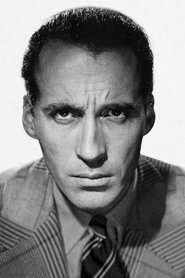 Christopher LeeCount Dracula
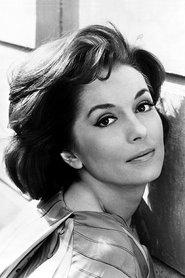 Barbara ShelleyHelen Kent
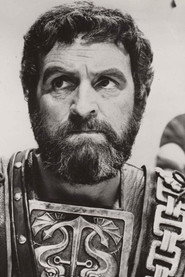 Andrew KeirFather Sandor
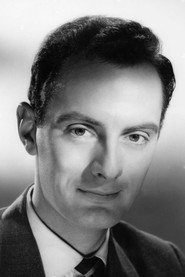 Francis MatthewsCharles Kent
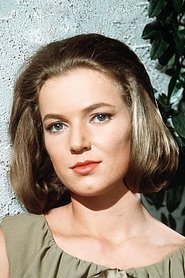 Suzan FarmerDiana Kent
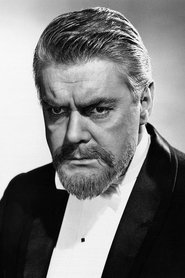 Thorley WaltersLudwig
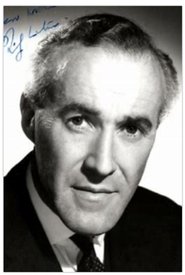 Philip LathamKlove
 Charles TingwellAlan Kent
 Walter BrownBrother Mark
 George WoodbridgeLandlord
 Philip RayPriest
- Joyce HemsonMother (uncredited)
Directing
- Lorna SelwynContinuity
- Terence FisherDirector
Writing
- Bram StokerCharacters
- Anthony HindsIdea
- Jimmy SangsterScreenplay
Production
- Anthony Nelson KeysProducer
- Ross MacKenzieProduction Manager