
Film
Blood and Roses
A 1960 Italian-French horror film where a vampire's vengeful spirit possesses a noblewoman, transforming her into a predatory force in her village. Stylish and sensual rather than gruesome, it blends Gothic atmosphere with psychological unease. For fans of atmospheric horror who appreciate mood over gore, and those drawn to the erotic undertones of classic vampire cinema.
Should you watch it?
Watch it if you're drawn to sensual, slow-burning gothic dread where menace lives in glances and silences, especially if you like the vampire-as-seducer myth of Le Fanu's Carmilla.
Skip it if you need brisk plotting or a clear sense of who to root for, since it moves at a dreamy, deliberate pace and its characters feel more like symbols than people.
What it asks of you: Around eighty minutes, with long stretches of quiet and lingering shots; it wants patience more than attention, and it rewards stillness over momentum.
Not sure? Find tonight's pick in a minute.
If you liked this
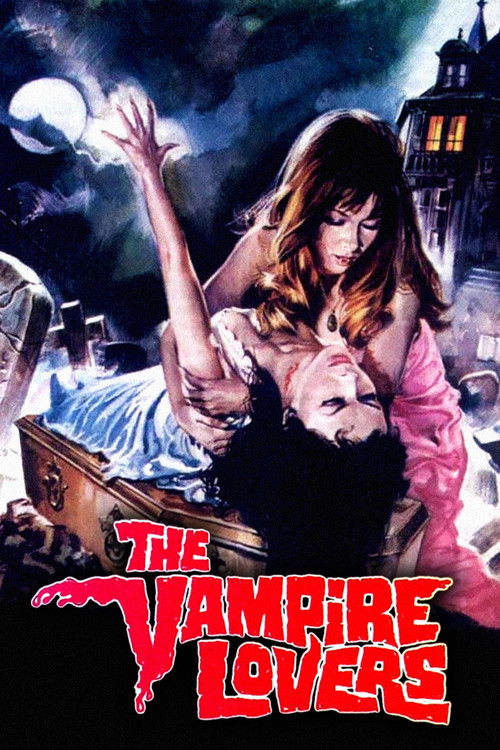
The Vampire Lovers1970
Hammer's gloriously campy take on Carmilla with Ingrid Pitt as the seductive vampire. More explicit than its predecessor, with better production values and a willingness to lean into the lesbian subtext that Blood and Roses only whispers about.
But Hammer's style is very of its era—the blood is ketchup-bright and the eroticism can feel dated rather than transgressive now.
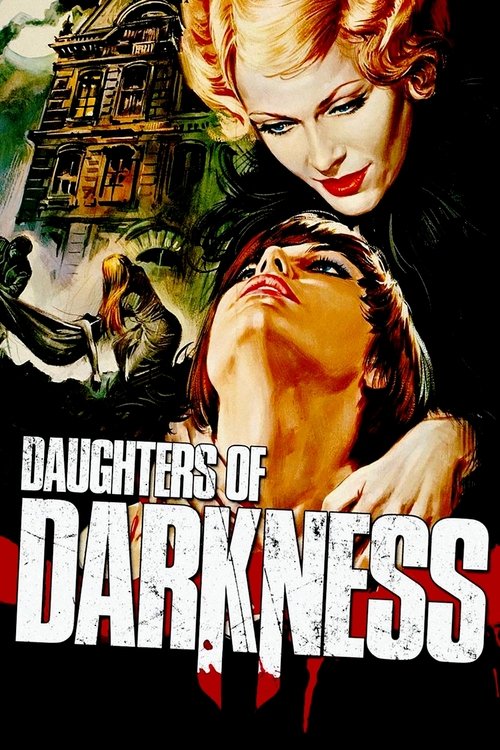
Daughters of Darkness1971
A Belgian masterpiece where Delphine Seyrig's mysterious countess seduces a newly married couple. Gothic, erotic, and psychologically complex—it understands the vampire as a figure of transgression and allure rather than simple monstrosity.
But Slow, meditative pacing and a bleak worldview. The transgressive sexuality may feel more uncomfortable than entertaining to some viewers.
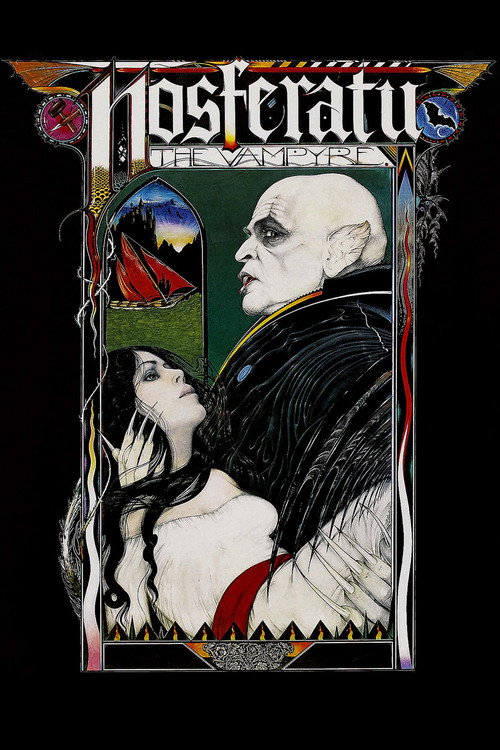
Nosferatu the Vampyre1979
Werner Herzog's haunting remake trades pure horror for existential dread. Klaus Kinski's Count Orlok is less a monster than a lonely, desperate creature—the film is beautiful, mournful, and genuinely eerie without relying on scares.
But Glacially paced and deeply melancholic. If you want entertainment rather than experience, this will feel like watching paint dry in a tomb.
Not sure tonight? Get a pick in a minute, starting from Blood and Roses
The wildcard
Something you would not have found on your own.
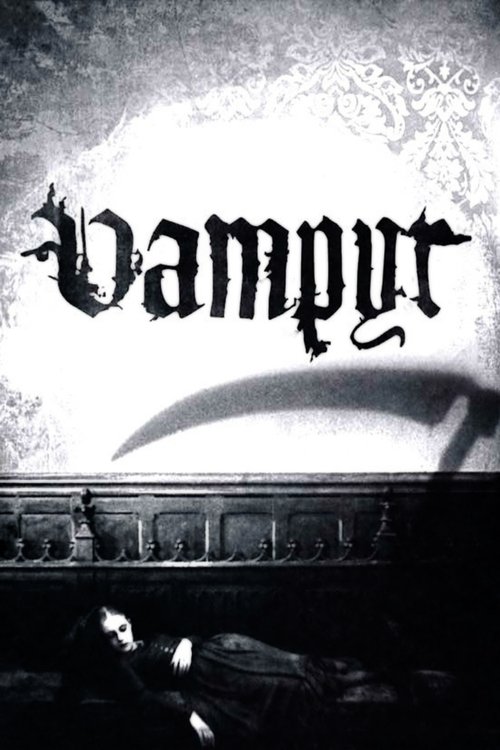
Vampyr1932
Both films treat the vampire as a symptom of internal corruption and desire rather than an external threat, building horror through atmosphere and psychological unease rather than action.
Carl Theodor Dreyer's silent masterpiece predates Blood and Roses by nearly three decades but shares its dreamlike atmosphere and philosophical approach to vampirism. Shot through with uncanny imagery and a sense that the familiar world has been subtly poisoned—it influenced everything that followed.
But Silent film with intertitles and a non-linear, impressionistic narrative structure. The pacing is glacial, and the mood is relentlessly bleak rather than entertaining.
More like this (7)
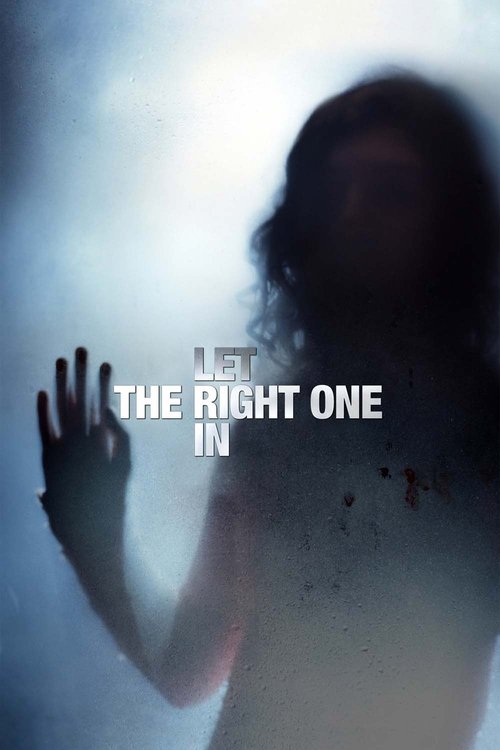
Let the Right One In2008
A Swedish vampire film about a bullied boy and a mysterious young vampire, finding intimacy and horror in the same moment. Tender and devastating, with a deep understanding of isolation and connection that lifts it beyond genre convention.
But The vampire violence is sudden and brutal when it comes. Some viewers find the pacing deliberately slow; others find the child characters' storyline emotionally manipulative.
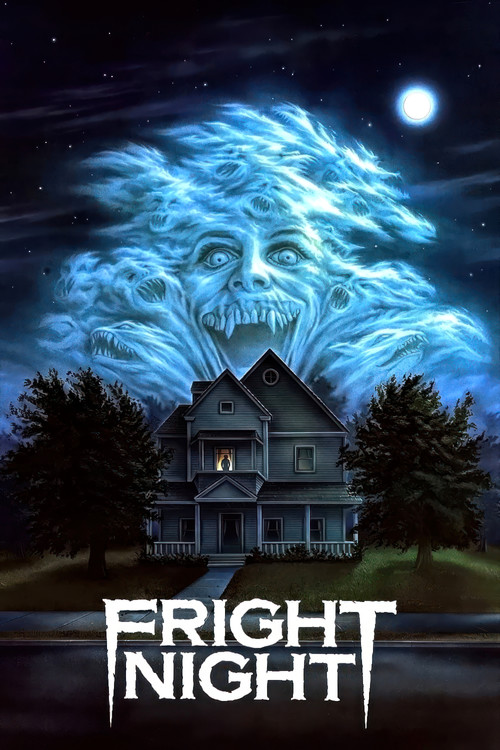
Fright Night1985
A smart, fun vampire film that understands both the seductive and genuinely monstrous sides of the creature. Chris Sarandon is charming and terrifying; the mix of horror and comedy hits consistently without undercutting either.
But Relies heavily on 1980s special effects and style, which can feel quaint. Tone shifts between comedy and genuine menace may feel uneven to some.
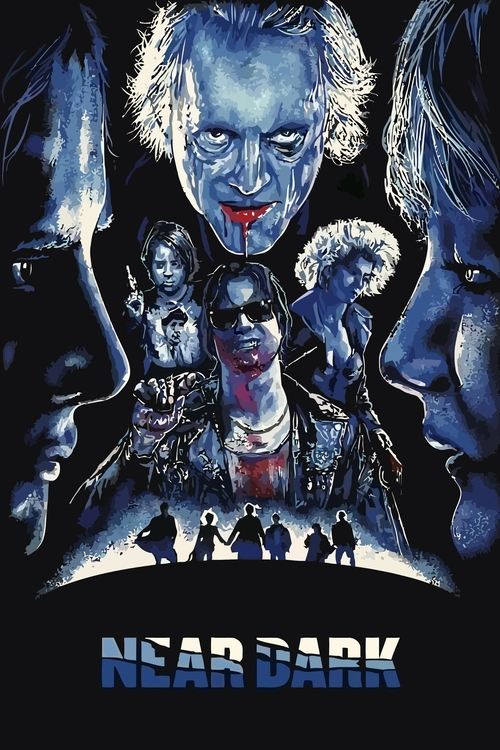
Near Dark1987
Kathryn Bigelow's vampire western where the undead are presented as a predatory outlaw family, not seductive aristocrats. Tense, violent, and genuinely romantic in its way—it deconstructs vampire mythology while honoring it.
But Graphic violence and a bleak moral landscape. The vampires are largely unsympathetic, and the human relationships feel secondary to the action.
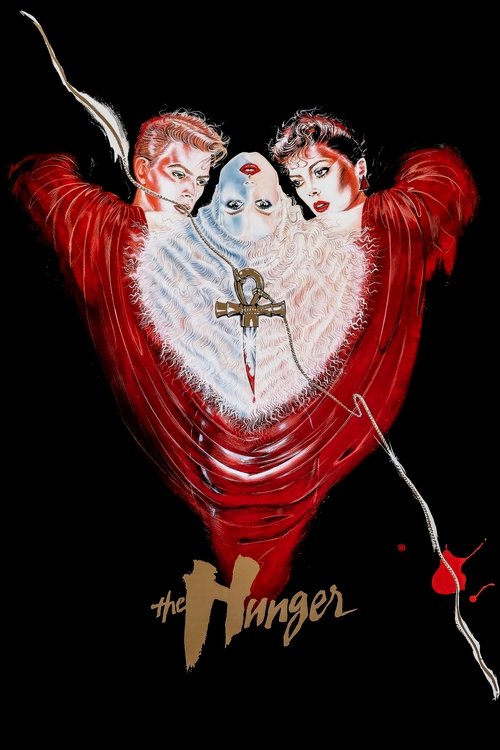
The Hunger1983
Tony Scott's art-house vampire film about an ancient Egyptian couple's crumbling relationship, starring David Bowie and Catherine Deneuve. Visually sumptuous, genuinely strange, and interested in desire and decay as interconnected forces.
But More concerned with atmosphere and visual texture than plot. The narrative is loose and dreamlike; some find it pretentious rather than artistic.
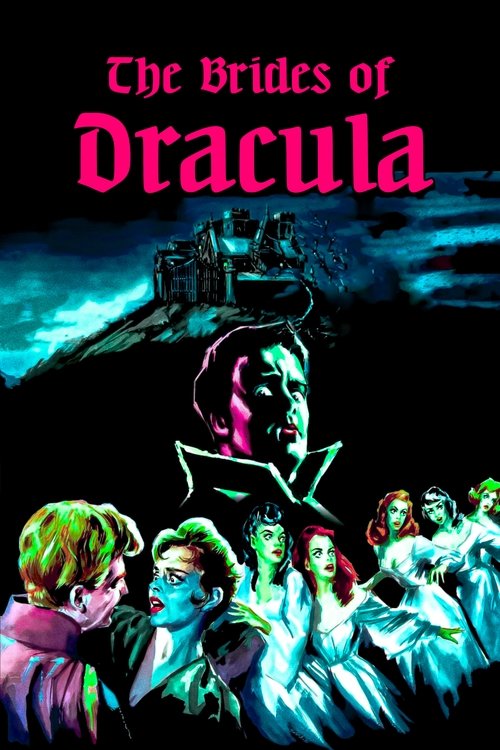
The Brides of Dracula1960
Another 1960 release, this Hammer film features Peter Cushing as Van Helsing battling a vampire baron and his hypnotized brides. A solidly entertaining Gothic thriller with genuine scares, colorful sets, and committed performances.
But Entirely conventional in its gender dynamics and narrative structure compared to Blood and Roses. The camp appeal is more evident, and the film is lighter in tone.
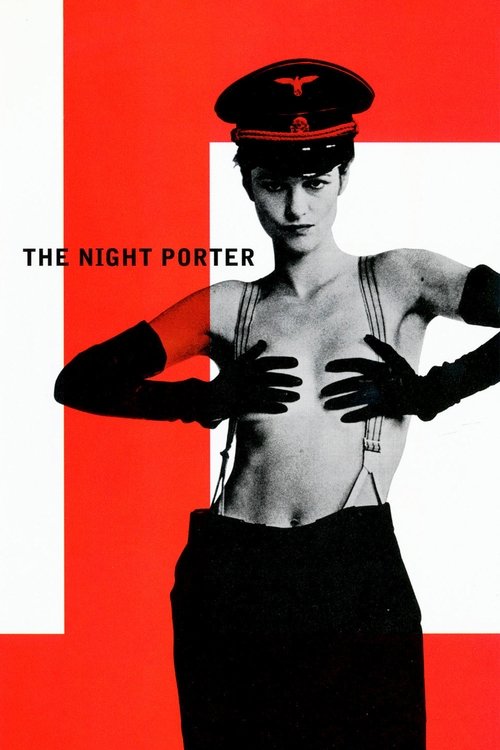
The Night Porter1974
Both films use the language of Gothic romance to explore power imbalances and the eroticization of danger, asking uncomfortable questions about desire and victimhood.
Liliana Cavani's transgressive masterpiece about a concentration camp guard and his former prisoner meeting years later in a Vienna hotel. Like Blood and Roses, it explores the corrupting power of obsessive desire, the blurred line between victim and predator, and sexuality as a form of domination.
But Explicitly deals with Nazi trauma and contains graphic sexual content. Many find the film morally queasy—the romantic framing of a relationship rooted in abuse troubles viewers intentionally.
Possession1981
Both use a female figure as the locus of transgressive power and desire, and both suggest that the real horror lies in intimate human connection rather than external evil.
Andrzej Żuławski's surreal, visceral nightmare about a marriage collapsing in Cold War Berlin. Isabelle Adjani's performance is volcanic, and the film channels Gothic horror through psychological breakdown and body horror rather than supernatural mechanics—it's the same DNA as Blood and Roses, mutated.
But Extremely unsettling, deliberately incoherent, and utterly committed to discomfort. Some viewers find it pretentious or simply unwatchable; others find it profound.

People
Cast
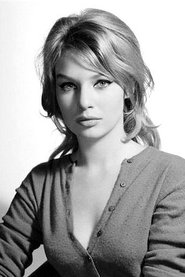 Annette StroybergCarmilla
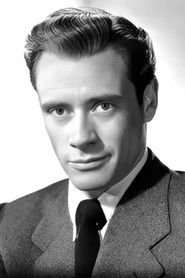 Mel FerrerLeopoldo De Karnstein
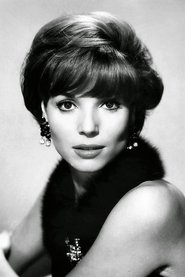 Elsa MartinelliGeorgia Monteverdi
 Alberto BonucciCarlo Ruggieri
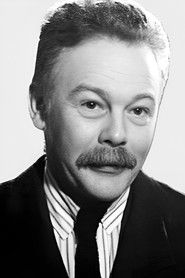 René-Jean ChauffardDr. Verari
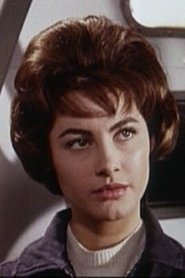
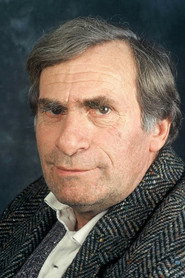 Serge MarquandGiuseppe
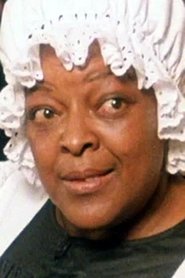 Edith PetersThe Cook
- Nathalie LafaurieMarie
- Carmilla StroybergMartha
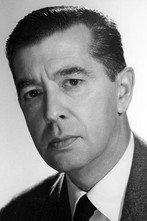 Marc AllégretJudge Monteverdi
- Renato SpezialiGuido Naldi (uncredited)
Directing
- Alberto CardoneAssistant Director
- Jacques PoitrenaudAssistant Director
- Roger VadimDirector
Writing
- Sheridan Le FanuNovel
- Roger VadimScreenplay
- Roger VaillandScreenplay
- Claude BruléStory
- Claude MartinStory
Production
- Raymond EgerProducer
- Michel ChoquetProduction Manager
- Piero CoccoProduction Manager
Recommended by
Jealousy, Taste the Blood of Dracula, Lust for a Vampire, Dracula: Prince of Darkness, Countess Dracula