
Film
Countess Dracula
- Horror
- Dark fantasy
- Very dark
A 1971 Hammer-adjacent horror film loosely inspired by the legend of Elizabeth Báthory. Ingrid Pitt commands the screen as an aging Hungarian countess who discovers that bathing in blood restores her youth. It's a stylish, leisurely film that treats grotesque body horror and vanity as tragedy—seductive and unsettling, more concerned with atmosphere than shock. For viewers who prefer their horror psychological and sensual.
If you liked this
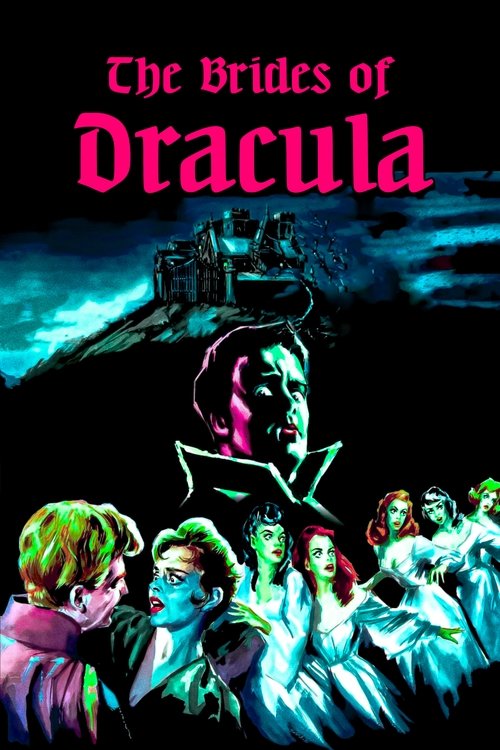
The Brides of Dracula1960
Hammer's follow-up to their Dracula showcases the same lush cinematography and gothic atmosphere, with a charismatic villain and genuine menace beneath the melodrama. Terence Fisher directs with real flair.
But It's lighter in tone than Countess Dracula—more traditional vampire adventure than psychological portrait. The pacing feels dated to modern eyes.
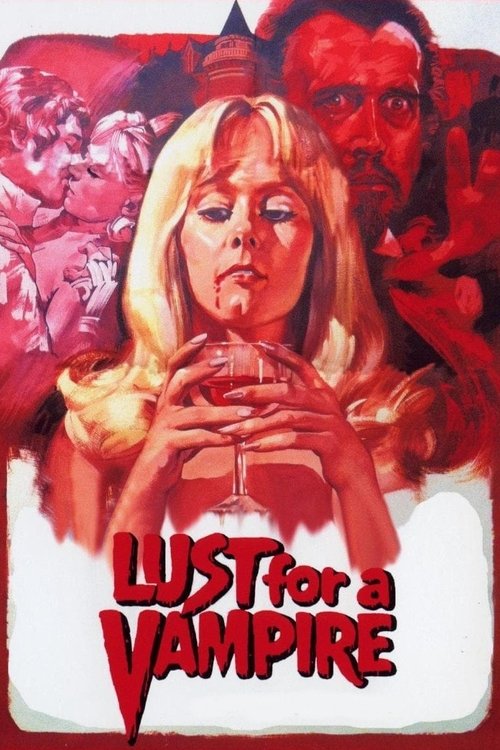
Lust for a Vampire1971
Released the same year, this Hammer film mines similar territory with a female vampire at its center. It captures that same blend of eroticism and dread, with sumptuous production design and dark sensuality.
But The script is thinner than Countess Dracula's; it trades psychology for atmosphere and sometimes tips into pure exploitation.
Suspiria1977
Dario Argento's masterpiece of visual horror shares Countess Dracula's commitment to mood over logic. Ravishing production design, a mystery at its core, and the sense that beauty and terror are neighbors.
But The plot barely exists, which some find liberating and others find frustrating. It's more about the experience of watching than following a story.

Not sure tonight? Get a pick in a minute, starting from Countess Dracula
The wildcard
Something you would not have found on your own.
The Leopard1963
Both films treat aging and the loss of power as a kind of death, and explore the desperate (and ultimately futile) measures the powerful take to cling to dominance and beauty.
Visconti's epic about an aging Sicilian aristocrat watching his world crumble is ostensibly about something entirely different—but it shares Countess Dracula's meditation on aging, power, beauty slipping away, and the violence required to preserve it. A masterpiece about decay.
But It's nearly three hours, in Italian, and largely plotless. It demands your full attention and offers philosophical resignation rather than narrative satisfaction.

More like this (6)
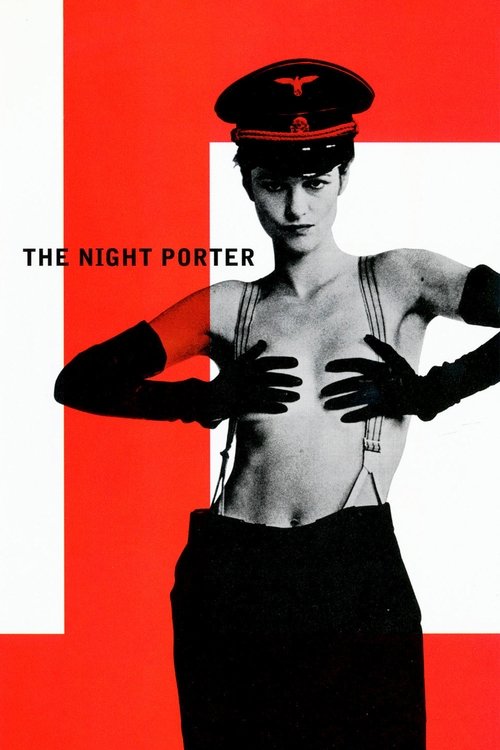
The Night Porter1974
A deeply unsettling psychological drama about obsession, power, and the seductions of darkness. Like Countess Dracula, it finds eroticism in damage and asks whether some desires can be forgiven.
But It's genuinely disturbing in subject matter and intent. Some viewers will find it exploitative rather than illuminating, and not without reason.
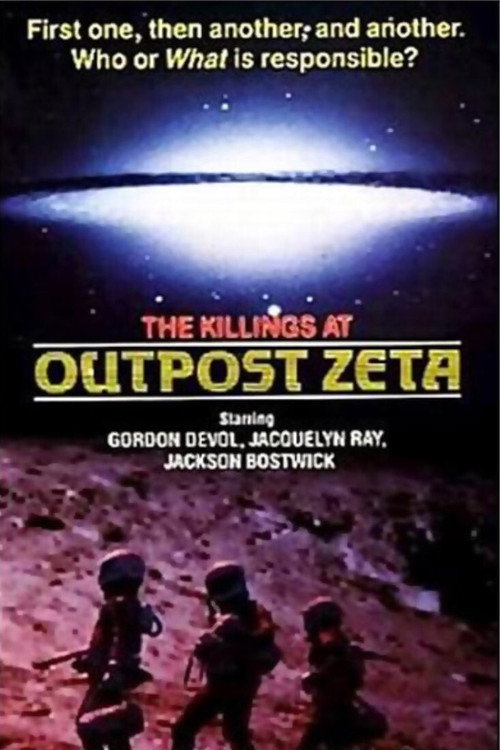
The Killings at Outpost Zeta1980
An obscure British sci-fi horror that matches Countess Dracula's sense of dread and its interest in physical transformation. Both treat the body as a site of horror and fascination.
But It's genuinely obscure for a reason—the narrative is choppy and the production values show their low budget. Your patience will be tested.
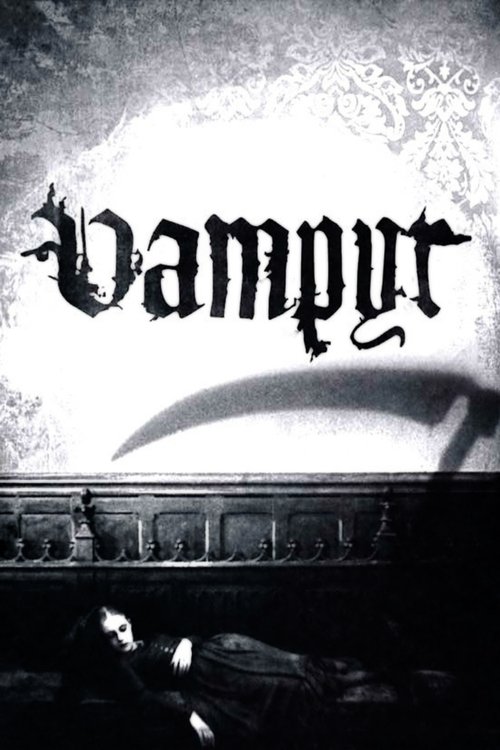
Vampyr1932
Carl Theodor Dreyer's masterpiece is the ancestor of everything Countess Dracula does well: atmosphere, mystery, the vampire as seductive and tragic. Hypnotic black-and-white cinematography and genuine dread.
But It's nearly a century old and moves at its own pace. The plot is thin and dreamlike; some find it meditative, others find it slow to the point of inertia.
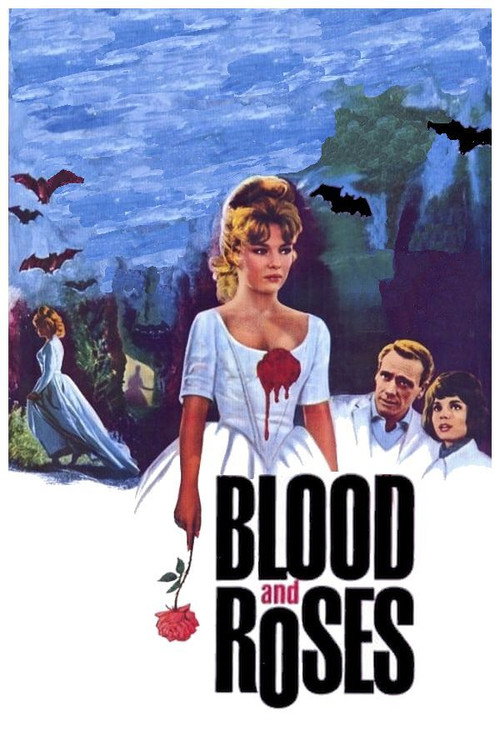
Blood and Roses1960
Roger Vadim's adaptation of Sheridan Le Fanu's Carmilla predates Countess Dracula and covers similar ground: female desire, reincarnation, and seduction. More overtly erotic and less austere.
But It's dated in its sexual politics and the plot can feel thin. Vadim's style sometimes overwhelms the substance beneath.
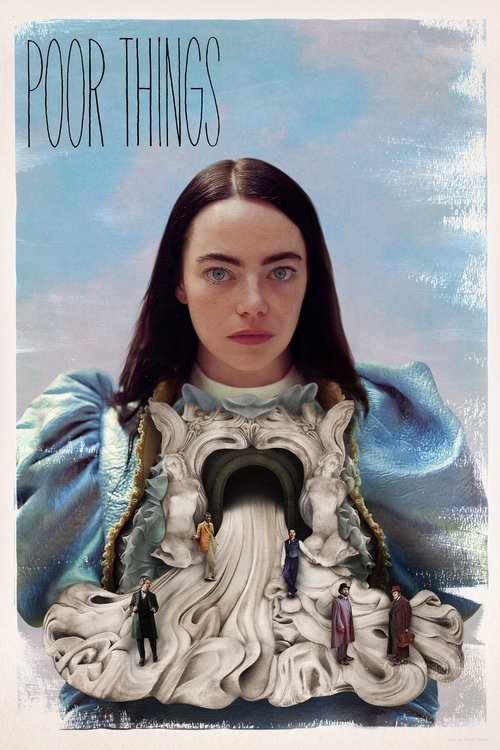
Poor Things2023
Both films center on a woman whose body becomes a kind of laboratory, and both ask whether a woman can own her own transformation or whether ownership always rests with someone else.
Yorgos Lanthimos's baroque comedy about a woman brought back to life in a constructed body shares Countess Dracula's obsession with female bodies as sites of transformation and control. It's visually sumptuous and morally perverse in entirely different ways.
But It's arch and campy where Countess Dracula is tragic. The tonal shift will be jarring if you expect anything resembling Hammer horror.
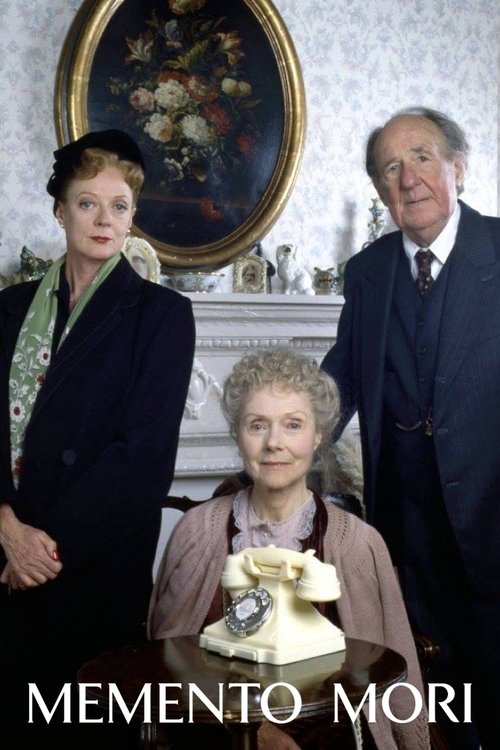
Memento Mori1992
Both works use aging and death as their true subject, and both refuse to let us dismiss the vanity and desperation of those who fight against it—making their characters sympathetic even as we see them clearly.
This BBC television play is a chamber piece about elderly women in a nursing home and their responses to news that they're going to die—confronting mortality, vanity, and the indignity of aging. Spare, dialogue-driven, heartbreaking and funny.
But It's a 1992 TV film with no stars and minimal production values. If you need movement and spectacle, you'll be bored.
People
Cast
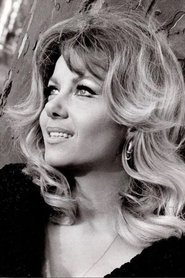 Ingrid PittCountess Elisabeth
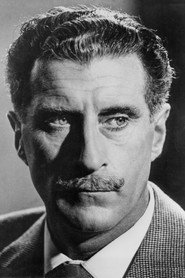 Nigel GreenCaptain Dobi
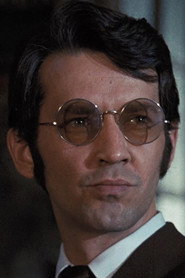 Sandor ElèsImre Toth
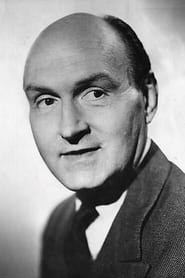 Maurice DenhamMaster Fabio
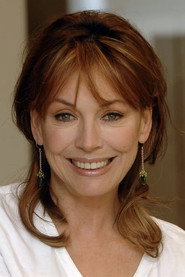 Lesley-Anne DownIlona
 Patience CollierJulie
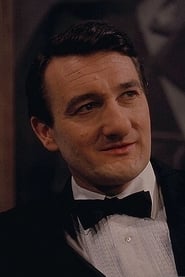 Peter JeffreyCaptain Balogh
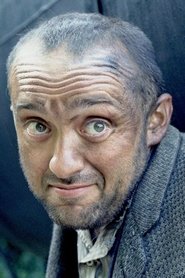 Leon LissekSergeant of Bailiffs
- Jessie EvansRosa
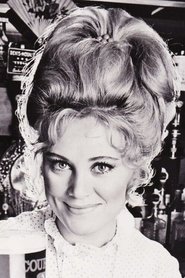 Andria LawrenceZiza
- Susan BrodrickTeri
- Ian TriggerClown
Directing
- Ariel LevyAssistant Director
- Gladys GoldsmithContinuity
- Peter SasdyDirector
Writing
- Gabriel RonayIdea
- Jeremy PaulScreenplay
- Alexander PaalStory
- Peter SasdyStory
Production
- Alexander PaalProducer
- Christopher SuttonProduction Manager