
Film
Miracle in Milan
A 1951 Italian fable about a good-hearted orphan who champions the homeless in post-war Milan, combining neorealist grit with magical fantasy. Visconti directs with tenderness and invention, building toward an ending that transcends social realism entirely. It's a film that believes kindness matters and dares to prove it through dreams.
Should you watch it?
Watch it if you love a fable that treats poverty with tenderness and a wink, the kind of story where a gentle miracle is allowed to happen in the middle of grim streets, somewhat in the spirit of Chaplin's sweeter work.
Skip it if you want a tight, realistic social drama; this one trades hard edges for whimsy, and its fairy-tale logic may feel too sweet or too loose for your taste.
What it asks of you: It runs under ninety minutes and moves briskly, asking you to accept a storybook tone from the first frame and to stay with its playful, sometimes sentimental shifts of mood.
Not sure? Find tonight's pick in a minute.
If you liked this
Bicycle Thieves1948
The foundational Italian neorealist masterpiece—ordinary people, real streets, genuine hardship. If you loved Miracle in Milan's heart and setting, this is the tradition it grew from, shown with devastating clarity.
But It is genuinely bleak. There is no magical intervention here, only the weight of poverty and the choices desperation forces. Some find it too heavy to revisit.

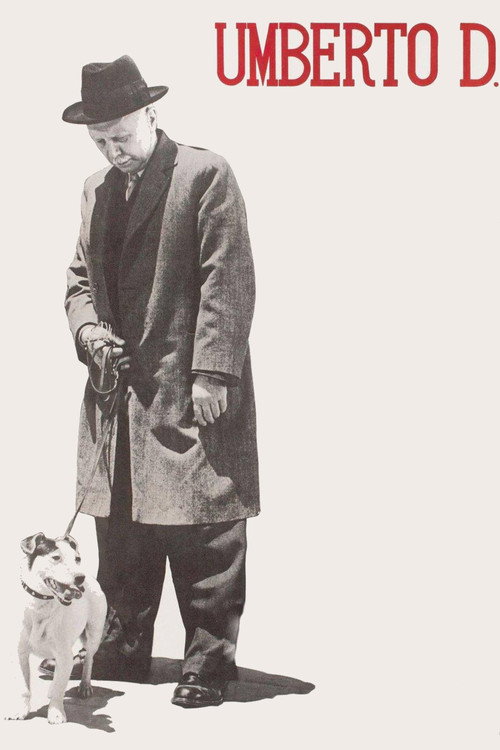
Umberto D.1952
Another De Sica neorealist triumph: an elderly pensioner and his dog facing destitution in Rome. The same humanism as Miracle, the same refusal to look away, but grounded entirely in the real world's cruelty.
But It moves slowly and the narrative is gossamer-thin. If you need plot momentum, you will feel this one dragging. The sadness is also relentless.
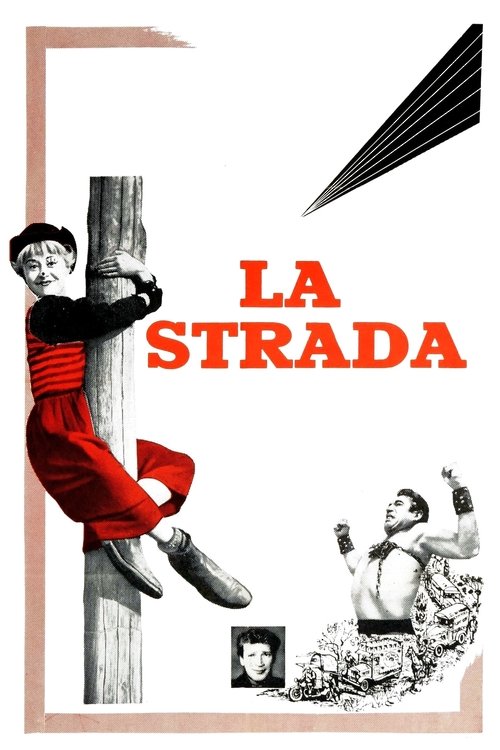
La Strada1954
Fellini's portrait of a circus strongman and the vulnerable woman he exploits—fantasy and realism tangled together, with the same visual poetry and moral weight. Heartbreaking and unforgettable.
But It's heavy with symbolism and can feel distant. Some scenes are genuinely cruel to watch. The tone shifts bewilderingly if you're not ready for it.
Not sure tonight? Get a pick in a minute, starting from Miracle in Milan
The wildcard
Something you would not have found on your own.
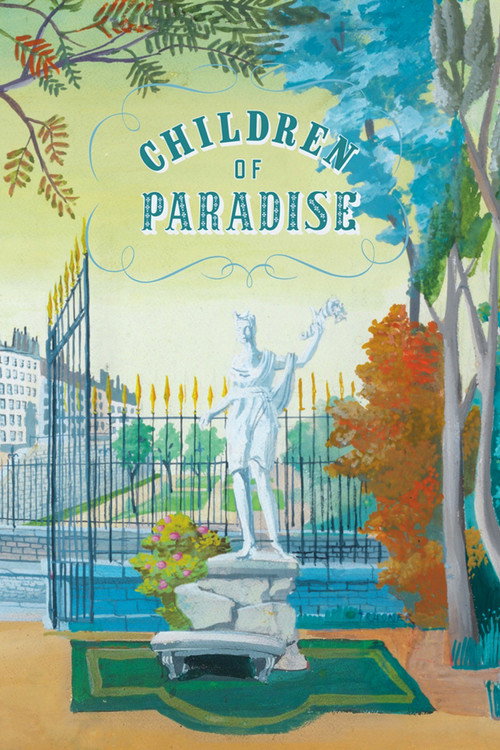
Children of Paradise1945
Both are love letters to cinema itself, wrapped in social realism. Both believe in the transformative power of kindness and beauty even amid scarcity and loss. Both are about worlds on the edge of disappearing.
Carné's towering romance set in 19th-century Paris—a film about love, performance, and the impossibility of perfect connection. Like Miracle, it builds a whole world and asks what goodness costs in a flawed one.
But It is three hours and requires patience with beauty and languid pacing. The French theatrical setting is far from postwar Milan. Some find it remote and precious.
More like this (8)
Rome, Open City1945
Rossellini's raw, urgent film about the Nazi occupation and Roman resistance—neorealism at its most immediate and angry. The same landscape as Miracle, but scorched by history. Vital cinema.
But The violence is graphic and the pacing can feel choppy to modern eyes. It's a documentary-realist piece, not a shaped narrative, which some find exhausting.
The Leopard1963
Visconti's operatic masterpiece about Italian aristocracy during unification. If you loved Miracle's visual ambition and its meditation on social change, this is Visconti working at full orchestral power.
But It is three hours long and moves like a waltz. There is almost no plot. If you need momentum or don't connect with the film's rhythm early, it will feel interminable.

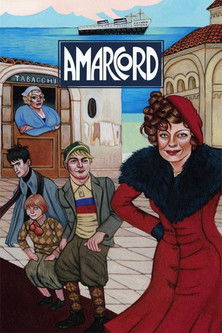
Amarcord1973
Fellini's memory-play about small-town Italy under Fascism—fantastical, bittersweet, teeming with invention. The same blend of magical realism and social observation, but filtered through nostalgia and desire.
But It is structureless and digressive. Sex and politics are everywhere. If you need your narratives linear and your themes explicit, this will baffle you.
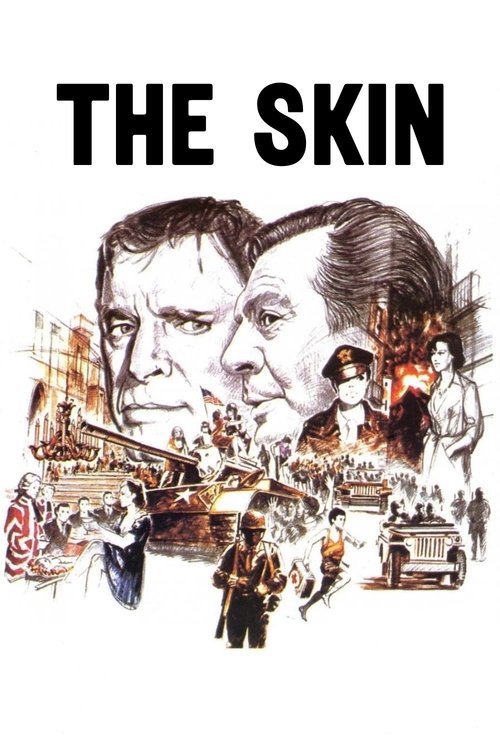
The Skin1981
Visconti's final film, about Naples under Allied occupation—brutal, beautiful, and unflinching about what war does to bodies and dignity. The same director, working with similar material, but much darker.
But It is sexually explicit and graphically violent. The mood is nihilistic. It is not a comfortable film and makes no attempt to be one.
L'Avventura1960
Antonioni's glacial, hypnotic mystery about desire and drift among the wealthy. Italian cinema's other tradition—elegant, alienated, formally brilliant. A counterweight to neorealism's humanism.
But Nothing happens and no one changes. The film is deliberately frustrating. If you need resolution or emotional release, you will leave angry.

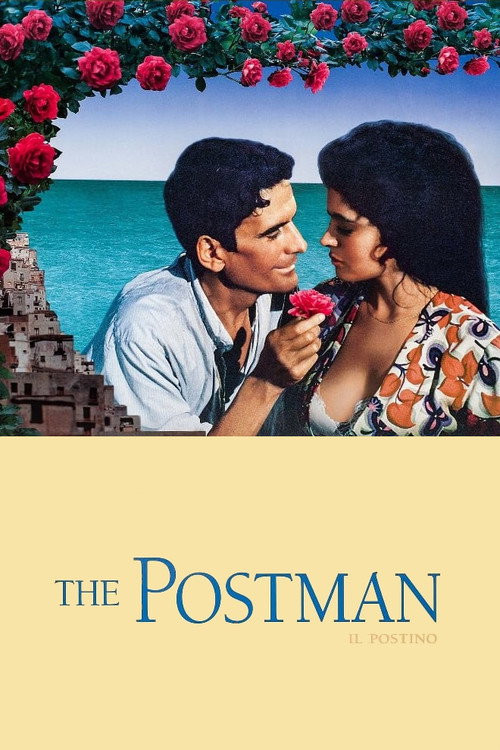
The Postman1994
A gentle film about a postman and poet finding friendship and meaning in simple things. Warmer and more accessible than Miracle, but animated by the same belief that beauty and connection matter.
But It is sentimental and sometimes saccharine. The politics are soft. Anyone allergic to feel-good cinema will find it manipulative.
The Third Man1949
Both are set in the ruins of Europe just after the war, both feature an innocent confronting a corrupt system, both use the fractured city as more than setting—as moral landscape. Where Miracle offers transcendence, this offers bitter clarity.
Reed's postwar Vienna is a character itself—rubbled, cynical, a chessboard of moral ambiguity. The same era and geography of moral reckoning as Miracle, but pitched as a noir thriller instead of a fable.
But It is fundamentally misanthropic. The good-hearted protagonist is played for a fool. If you need your faith in human nature validated, this will leave you hollow.

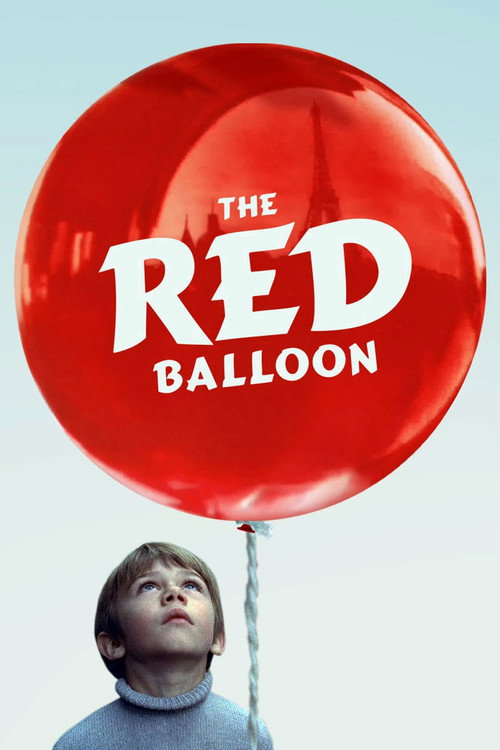
The Red Balloon1956
Both trust cinema to make the impossible visible and moving. Both use magic as an answer to social cruelty—not a solution, but a gesture of defiance and grace. Both are about goodness persisting against the world's indifference.
Lamorisse's wordless Paris fable about a boy and a magical red balloon—pure cinema, pure joy, utterly unafraid of wonder. The same fantastical register as Miracle's ending, but distilled to its purest essence.
But It is thirty-four minutes. Some will find it too slight, too precious. The whimsy may feel cloying if you're resistant to fairy-tale logic in film.
People
Cast
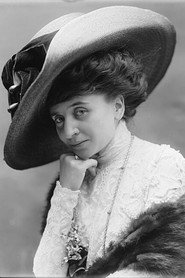 Emma GramaticaLa vecchia Lolotta
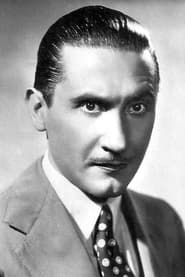 Paolo StoppaRappi
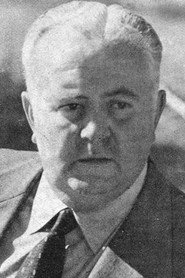 Guglielmo BarnabòMobbi
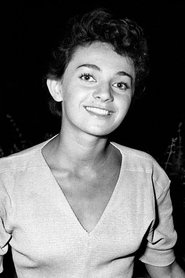 Brunella BovoEdvige
- Anna CarenaMarta, la signora altezzosa
 Alba ArnovaLa statua che prende vita
- Flora CambiL'innamorata infelice
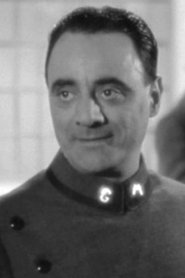 Virgilio RientoIl sergente delle guardie
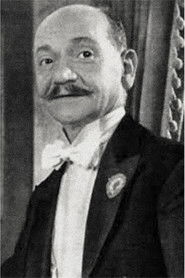 Arturo BragagliaAlfredo
- Erminio SpallaGaetano
- Riccardo BertazzoloL'atleta
Directing
- Vittorio De SicaDirector
- Luisa AlessandriFirst Assistant Director
- Umberto ScarpelliFirst Assistant Director
- Lù LeoneScript Supervisor
Writing
- Adolfo FranciCo-Writer
- Mario ChiariCo-Writer
- Suso Cecchi d'AmicoCo-Writer
- Cesare ZavattiniNovel
- Cesare ZavattiniScreenplay
- Vittorio De SicaScreenplay
- Cesare ZavattiniStory
Production
- Vittorio De SicaProducer
- Carmine BolognaProduction Coordinator
- Umberto ScarpelliProduction Coordinator
- Nino MisianoProduction Manager
- Roberto MorettiProduction Secretary
- Elmo De SicaProduction Supervisor