
Film
Vendetta
Other titles called Vendetta: the 2015 film.
A Corsican woman manipulates her reluctant brother into avenging their father's murder in this noir-tinged revenge drama. Shot in moody black-and-white with the island as a character itself, *Vendetta* trades plot clarity for atmosphere and moral ambiguity. For viewers who prize mood and visual storytelling over narrative momentum.
Should you watch it?
Watch it if you like a lean, stern costume melodrama where family honor becomes a cage, and the rugged island setting does half the talking, the kind of old studio picture that trusts its atmosphere.
Skip it if you need modern pacing, since this is a stately, talky revenge tale with performances that can feel broad and a story that keeps circling the same grudge.
What it asks of you: Runs a brisk eighty-three minutes but builds slowly, with long brooding silences and very little room for lightness.
Not sure? Find tonight's pick in a minute.
If you liked this
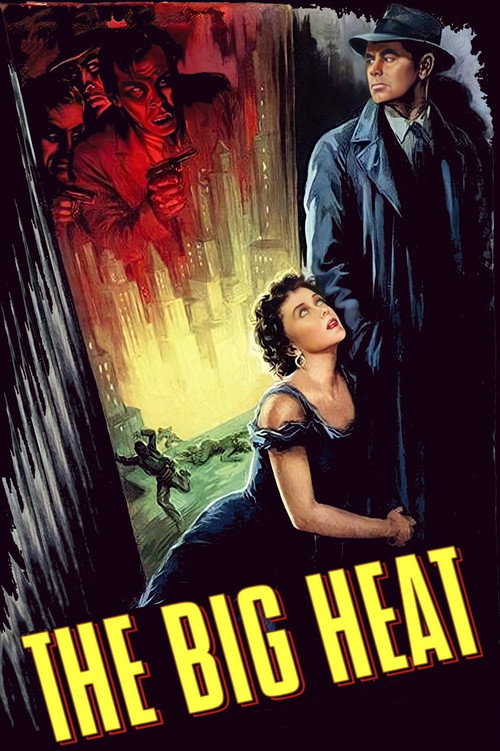
The Big Heat1953
Fritz Lang's masterpiece about vengeance spiraling into obsession. A man loses everything and pursues his enemy through a corrupt city with the same inexorable logic that drives *Vendetta*'s Corsican blood feud.
But The violence, particularly toward women, is brutal and uncomfortable—deliberately so. Some viewers find Lang's cool remove from suffering alienating rather than powerful.
Johnny Guitar1954
Nicholas Ray's strange western where a woman drives the narrative forward while men circle around her will. Visually striking, thematically bold, and as interested in atmosphere and symbolic space as in plot momentum.
But The pacing is deliberately odd and the dialogue occasionally arch. It requires patience and a willingness to meet it on its own peculiar terms.

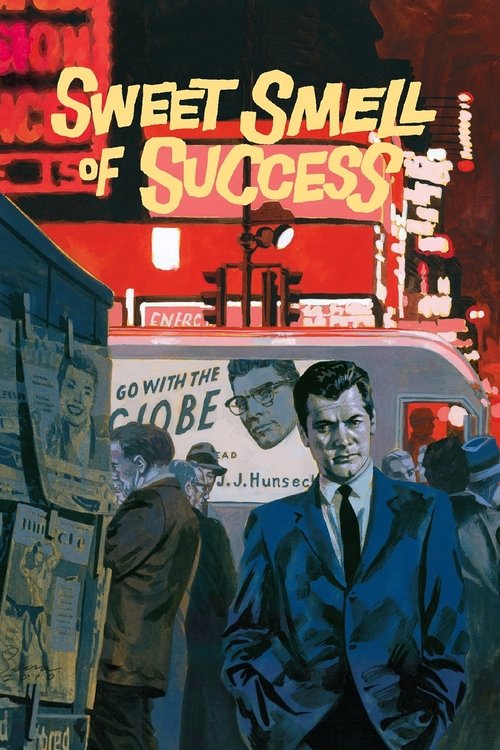
Sweet Smell of Success1957
Corrosive noir about manipulation, family loyalty twisted into poison, and characters who rationalize cruelty. The dialogue crackles but the real power is in the claustrophobic moral rot that infects every frame.
But It's verbally dense and morally bleak. No one to root for, nowhere to rest. The cynicism never lifts.
Not sure tonight? Get a pick in a minute, starting from Vendetta
The wildcard
Something you would not have found on your own.
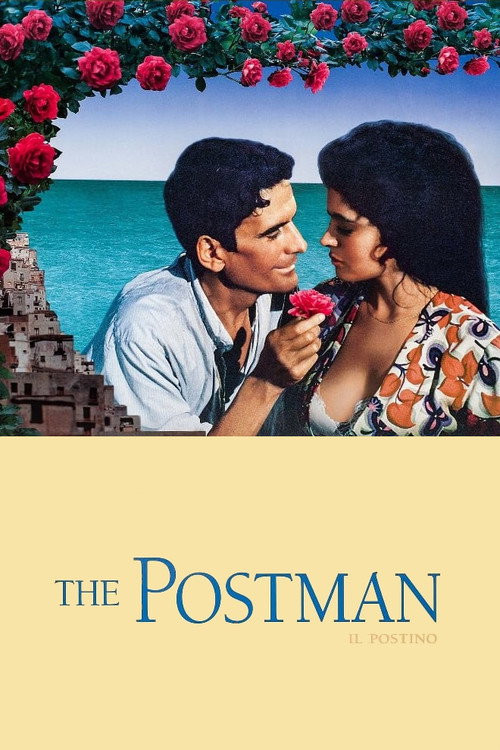
The Postman1994
Both films understand that landscape and community are not backdrop but protagonist. A character's isolation from place is what drives them toward destruction.
Antonio Skármeta's adaptation of his own novella, set in a fishing village where a postman and poet find friendship. It's about connection, not vengeance—a sunlit antidote to the poison of Corsican blood feuds. Yet it shares *Vendetta*'s deep investment in place as character and the way small human acts accrue consequence.
But The whimsy is deliberate and pervasive. Some viewers find the magical-realist tone saccharine, and the romance subplot can feel overstretched.
More like this (8)
The Asphalt Jungle1950
Huston's blueprint for the heist film, but really a study of desperation and the small corruptions that lead men downward. Shot with the same documentary-inflected realism as *Vendetta*, finding tragedy in ordinariness.
But The plot unfolds in a measured, procedural way that some find slow. It's interested in process and character over spectacle.

In a Lonely Place1950
Ray's portrait of a man suspected of murder, suspected by the woman he loves, suspected by himself. Obsession and the impossibility of trust. Bogart's barely-contained rage mirrors the simmering resentment at *Vendetta*'s core.
But It's a chamber piece about attraction and suspicion that never quite resolves. The ambiguity will frustrate anyone wanting definitive answers.

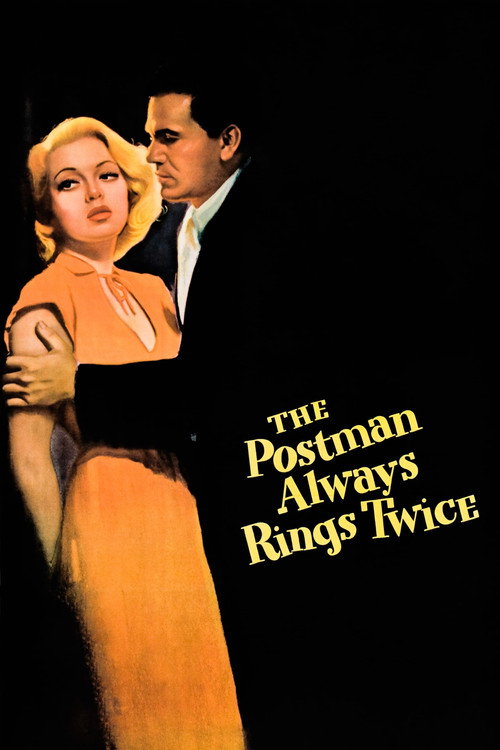
The Postman Always Rings Twice1946
Two people bound by desire and murder, unable to escape each other's gravity. The moral entanglement and doom-laden inevitability speak directly to *Vendetta*'s logic of blood and consequence.
But Lana Turner's performance can feel mannered to modern eyes. The seduction plot drives the narrative more than character depth, which some find thin.
The Killing1956
Kubrick's debut fractures the heist narrative into fractured chronology, exploring how circumstance and character collide toward catastrophe. A study in how small betrayals lead to apocalypse.
But The non-linear structure, innovative then, now feels slightly creaky. The ending's inevitability may strike you as mechanical rather than tragic.

Rififi1955
Jules Dassin's French noir about a heist and its aftermath, where the real subject is loyalty and how it breaks. Visually precise, morally unforgiving, with a famous silent sequence that lets tension and image do all the work.
But It's in French with subtitles, and the heist sequence, while brilliant, runs nearly thirty minutes with no dialogue. Patience required.

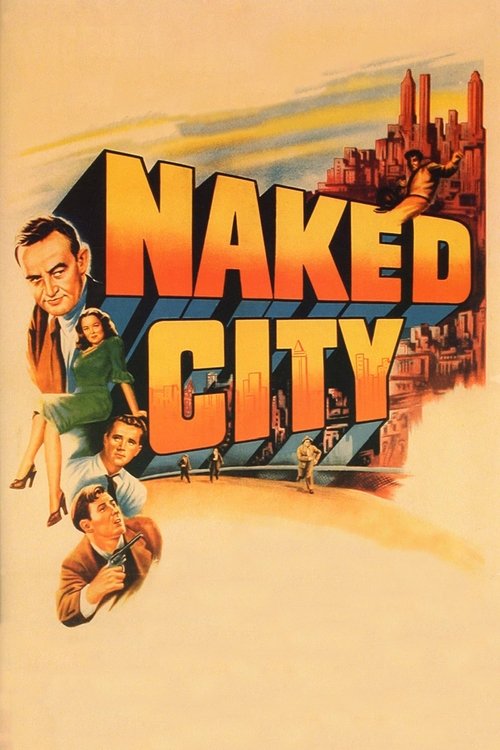
The Naked City1948
Dassin's semi-documentary approach to a police procedural in New York. Gritty, location-shot authenticity and a fascination with how ordinary people are dragged into consequence. Captures the moral texture of noir without its usual stylization.
But The plot is procedural and fairly straightforward. Those expecting baroque twists or psychological depth will find it earthbound and workmanlike.
A Prophet2009
Both films argue that vengeance systems—whether Corsican blood feuds or prison hierarchies—are self-perpetuating machines that consume everyone they touch.
Jacques Audiard's violent portrait of a young man's transformation in prison, where logic and survival demand he become the instrument of another's will. Like *Vendetta*, it's a study in how obsession and family duty warp a person into something they never meant to be.
But It's bleak, graphically violent, and interested in moral decay rather than redemption. Three hours and never looks away from the ugliness it depicts.

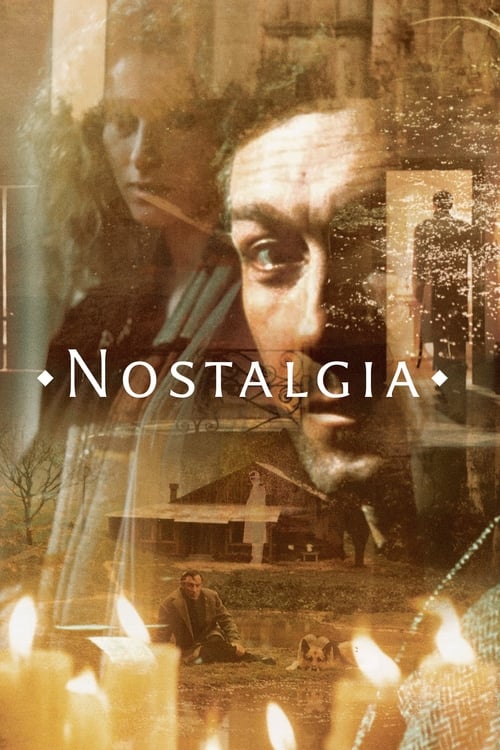
Nostalgia1983
Both films treat vengeance and obsession as forms of haunting—the past as a living thing that shapes every step forward.
Tarkovsky's meditation on exile, memory, and the pull of home. A Russian poet in Italy confronts what he has lost and what he cannot reclaim. Visually ravishing, glacially paced, and as absorbed in the weight of landscape as *Vendetta* is. About the past's refusal to release you.
But It runs over 160 minutes and its pace is genuinely austere. Long sequences with minimal plot. Requires surrender, not engagement.
People
Cast
 Faith DomergueColomba della Rabia
 Hillary BrookeLydia Nevil
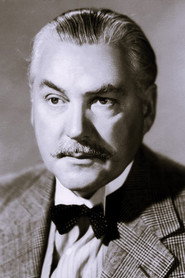 Nigel BruceSir Thomas Nevil
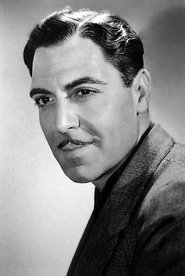 Joseph CalleiaMayor Guido Barracini
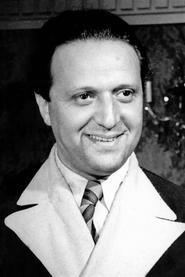 Hugo HaasBrando, a bandit
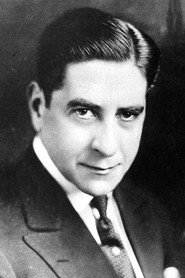 Robert WarwickThe French Prefect
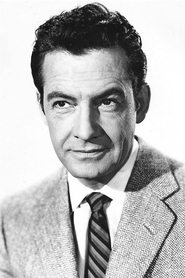 George DolenzLt. Orso Antonio della Rabia
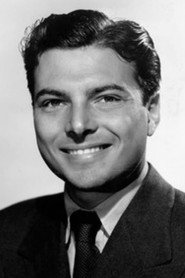 Donald BukaPadrino the Bandit
Directing
- Edward F. MullAssistant Director
- Mel FerrerDirector
Writing
- Peter O'CrottyAdaptation
- Prosper MériméeNovel
- W.R. BurnettScreenplay
Production
- Howard HughesProducer
- Cliff P. BroughtonProduction Manager