
Film
Western
A German construction crew arrives at a remote Bulgarian site, and the isolation breeds tension. Vanya Krilov's film watches how men abroad become strangers to themselves—how prejudice, desire, and the weight of displacement crack open their certainties. It's patient, unsettling, and absolutely European in its refusal to resolve anything neatly.
Should you watch it?
Watch it if you like slow, watchful films where the camera lingers on faces and silences do the arguing, and you enjoy seeing outsiders quietly unsettled by a place they barely understand.
Skip it if you want plot momentum or a clear hero, because this is long at two hours, moves at the pace of day labour, and keeps its characters at arm's length.
What it asks of you: Just over two hours of unhurried scenes, long silences and slow accumulation, where meaning builds from small gestures rather than arriving through dialogue.
Not sure? Find tonight's pick in a minute.
If you liked this
A Prophet2009
Jaques Audiard's masterpiece about a young man learning survival in prison, with the same unflinching eye for how confinement reshapes character and reveals hidden hierarchies among men.
But Deliberately paced and morally grey; there's no one to root for, which some find exhausting rather than compelling.

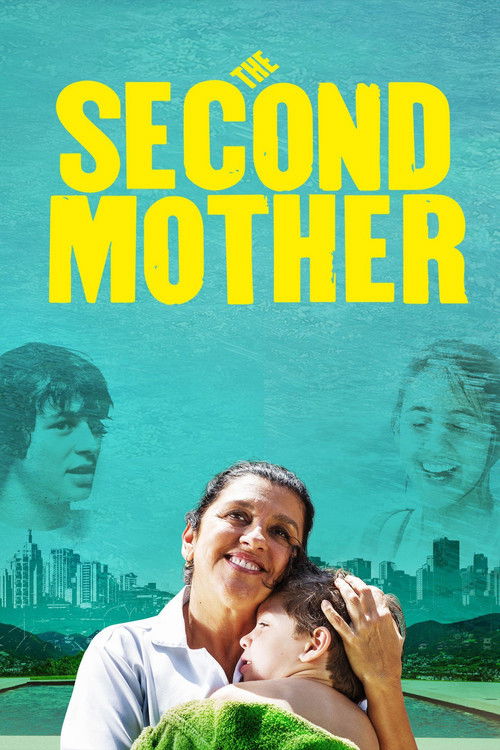
The Second Mother2015
Brazilian drama set in São Paulo that examines class, displacement, and belonging through a domestic worker's relationship with her employer's family. Achingly precise about unspoken tensions.
But Very quiet; the drama unfolds in glances and silences rather than confrontation, which can feel slow if you want clearer conflict.
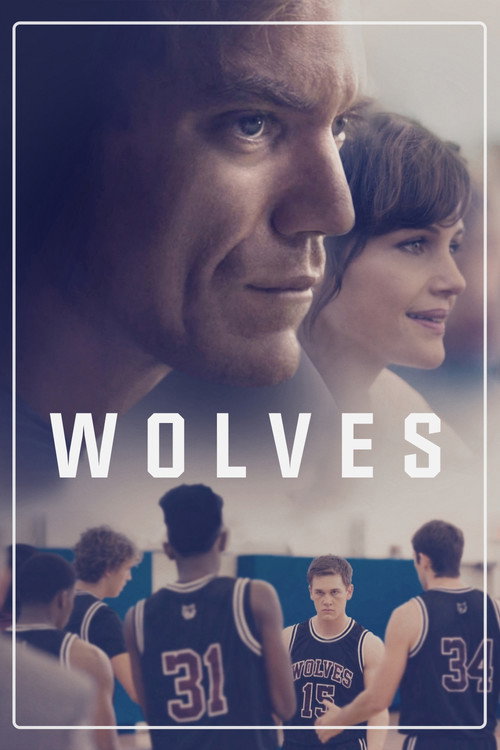
Wolves2016
Another Eastern European construction film (Bulgarian-German co-production) about young workers abroad, with the same atmosphere of men in transition, testing themselves against an indifferent landscape.
But If you found Western slow, this won't accelerate things—both move at the pace of observation rather than plot.
Not sure tonight? Get a pick in a minute, starting from Western
The wildcard
Something you would not have found on your own.
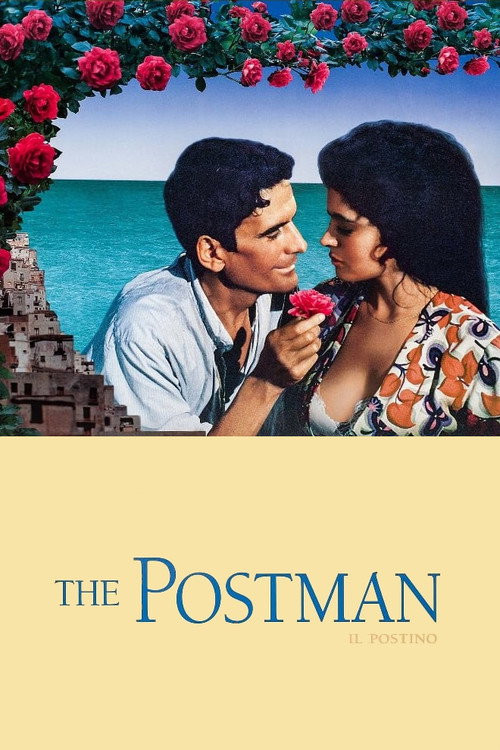
The Postman1994
Both stage identity crises through geographic displacement; both ask what a man becomes when removed from his ordinary world.
Massimo Troisi and Paolo Sorrentino's fable about a postman and a poet in exile on a volcanic island. Both films use a foreign place as a mirror: men confront who they are far from home, stripped of their usual lives.
But It's far more lyrical and mythic than Western, almost a fairy-tale; if you wanted realism, this shifts into something more dreamlike and sentimental.
More like this (7)
The Turin Horse2011
Béla Tarr's final film: austere, repetitive, hypnotic. A study of isolation and entropy that feels like watching the world run down in real time. Unforgettable if you surrender to it.
But Deliberately monotonous and bleak; shot in black and white, 146 minutes, almost no dialogue. A test of patience disguised as cinema.

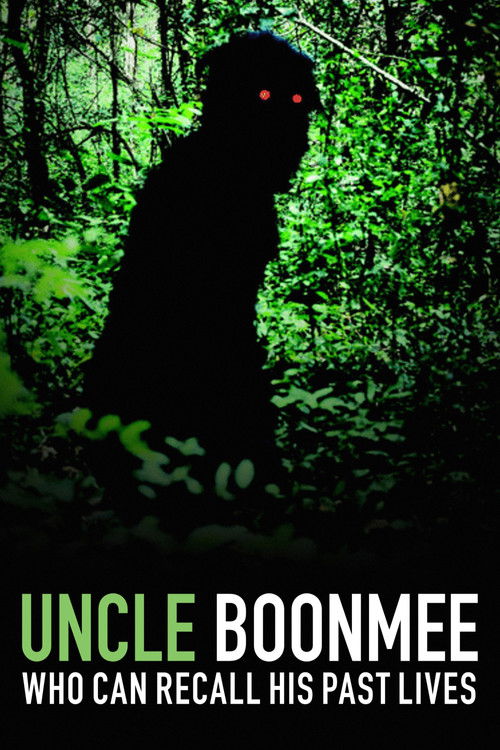
Uncle Boonmee Who Can Recall His Past Lives2010
Apichatpong Weerasethakul's meditative masterpiece about memory, presence, and spirits. Operates on the same frequency as Western—feeling over plot, atmosphere over resolution.
But Virtually nothing happens; the film is about sitting with the space between moments, which baffles and bores most viewers accustomed to forward momentum.
Stalker1979
Tarkovsky's philosophical journey into a mysterious zone mirrors Western's exploration of displacement and desire. Both films treat landscape as a character and use time as a weapon.
But 163 minutes of slow cinema with long takes and minimal plot; requires complete surrender and an appetite for meditation over narrative.

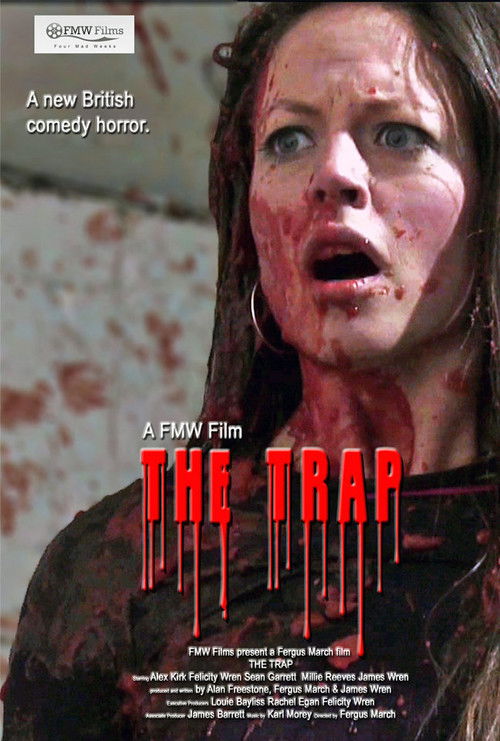
The Trap2015
Bulgarian film about ordinary men in an ordinary village where small actions ripple into consequences. Shares Western's interest in how place and circumstance reveal character.
But Deliberately low-key; dialogue is sparse and naturalistic, which can feel like watching people without a script rather than experiencing drama.
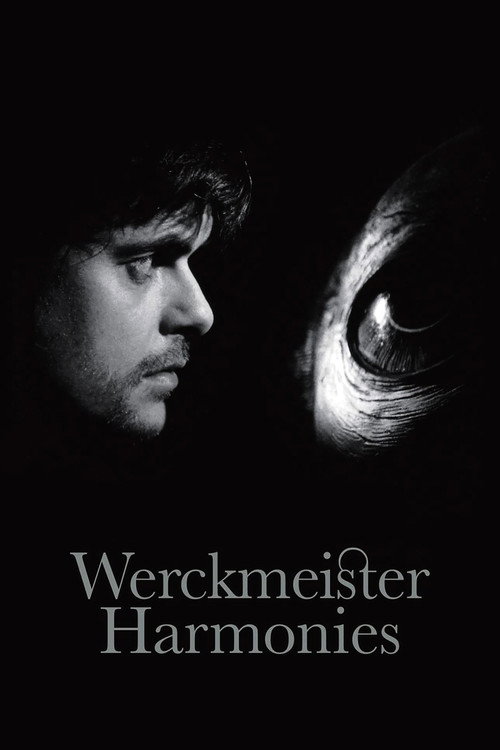
Werckmeister Harmonies2001
Béla Tarr again, but in black and white, tracking how the arrival of a mysterious whale-museum disrupts a small Hungarian town. Hypnotic atmosphere, similar structure of observation.
But Genuinely challenging: 145 minutes, minimal plot, taxing visually. Not for viewers who need conventional narrative shape.
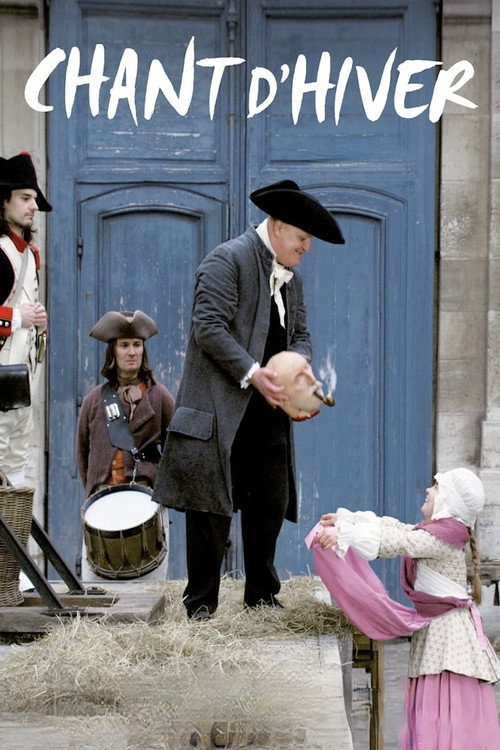
Winter Song2015
Quiet, introspective film about an elderly couple wintering in isolation. Like Western, it's fascinated by how confinement and repetition expose the truth of relationships.
But Extremely paced and hermetic; the world shrinks to almost nothing, which some find contemplative and others find claustrophobic.
Come and See1985
Both examine how men (young and less young) are corrupted or changed by forced proximity to strangers and a landscape indifferent to their survival.
Elem Klimov's Belarusian war film about a boy's disillusionment during WWII. Like Western, it's about innocence encountering a world that rewrites everything the protagonist believed, though in a far darker register.
But Genuinely traumatic viewing; it's a horror film wearing the costume of war cinema, and many find it unbearably bleak and unflinching.

People
Cast
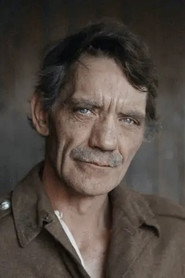 Meinhard NeumannMeinhard
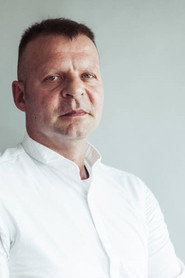 Reinhardt WetrekVincent
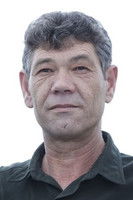 Syuleyman Alilov LetifoAdrian
- Veneta FrangipovaVeneta
- Viara BorisovaTania
- Detlef SchaichHelmuth
- Waldemar ZangThe Greek
Directing
- Valeska GrisebachDirector
Writing
- Valeska GrisebachWriter
Production
- Katrin VorderwülbeckeCasting
- Yoana IlievaCasting
- Antonin SvobodaCo-Producer
- Borislav ChouchkovCo-Producer
- Bruno WagnerCo-Producer
- Viktor ChouchkovCo-Producer
- Ben von DobeneckLine Producer
- Janine JackowskiProducer
- Jonas DornbachProducer
- Maren AdeProducer
- Michel MerktProducer
- Valeska GrisebachProducer